

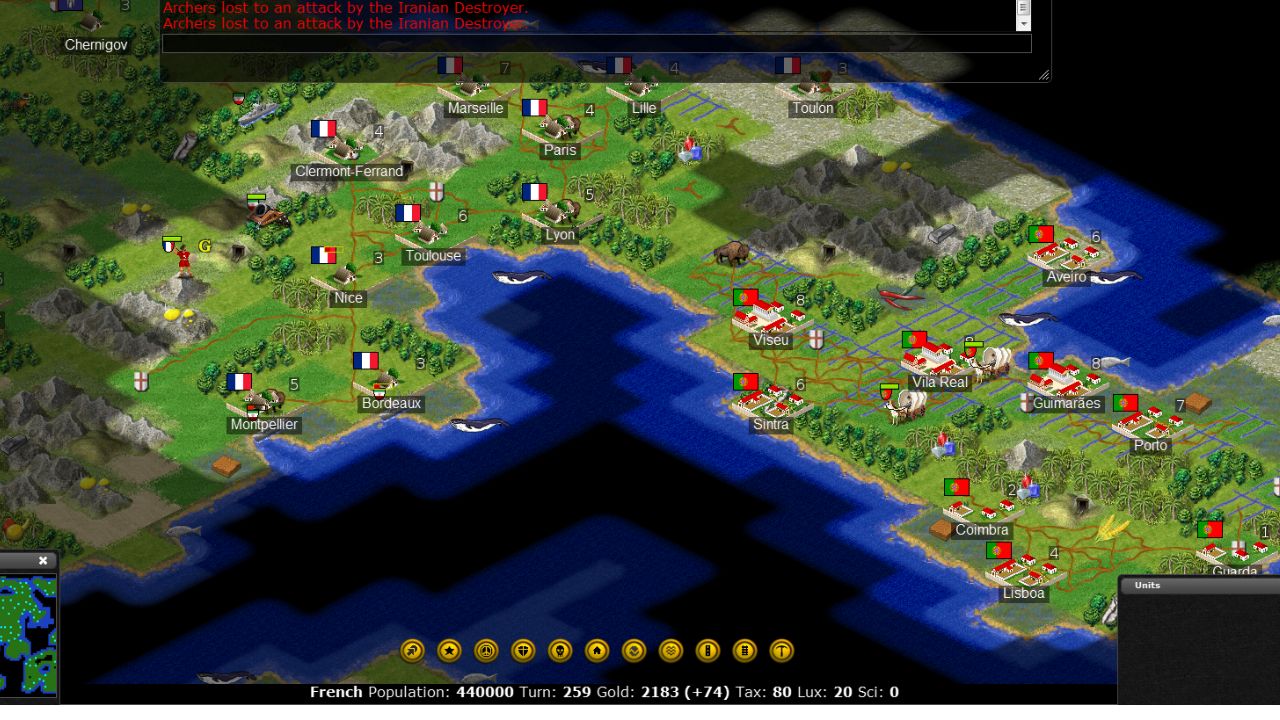

In an era dominated by massive AAA titles, sprawling open worlds, and hundred-gigabyte downloads, browser-based games seem almost too simple to matter. They load instantly, require no installation, and often feature minimalist graphics. Yet that simplicity is exactly what makes them so dangerous. There is no barrier between curiosity and commitment. You open a tab, click Play, and suddenly you are invested in a score or streak you did not care about five minutes earlier. What makes these games especially addictive is their clever design. They rely on short sessions, fast restarts, escalating challenges, and subtle psychological hooks that reward persistence.
1. Slither.io

Slither.io takes the classic Snake formula and injects it with competitive multiplayer chaos. Instead of navigating a lonely grid, you are dropped into a glowing arena filled with real players, all trying to grow longer and dominate the leaderboard. You collect glowing pellets to grow, but the real gains come from eliminating other players and absorbing what they leave behind. The bigger you get, the more confident and cautious you become. The tension escalates quickly because one tiny mistake ends everything. A slight miscalculation or a sudden cut off by another snake can wipe out all your progress instantly. That risk and reward dynamic is what keeps players hooked.
2. Wordle
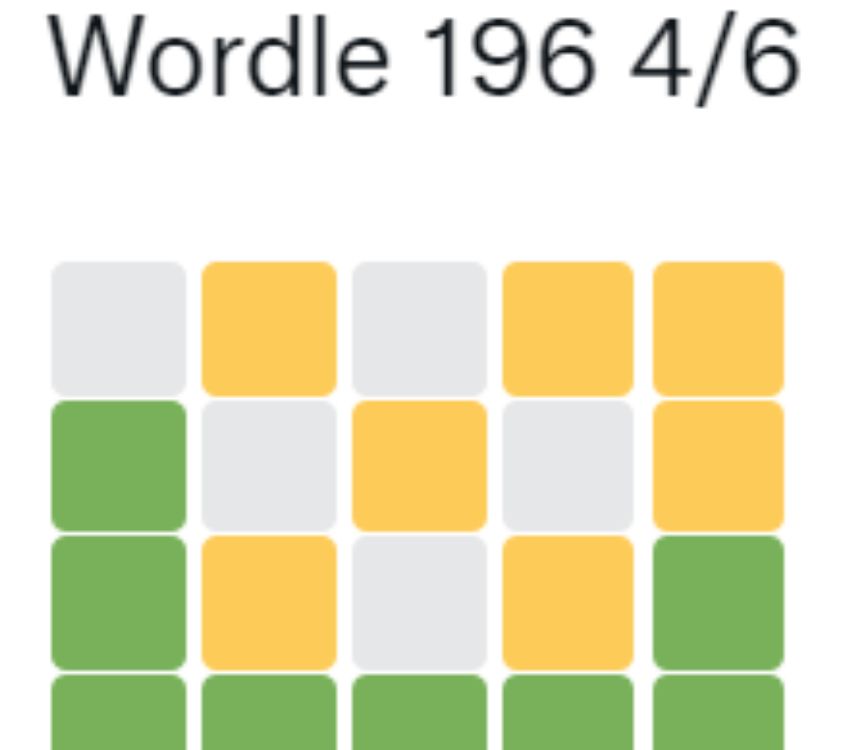
At first glance, Wordle appears deceptively simple. You guess a five-letter word in six tries. With its clean interface and single daily puzzle, it does not seem overwhelming. However, its brilliance lies in limitation. The daily challenge builds anticipation, and the color-coded feedback turns each guess into a strategic decision. Every green and yellow tile fuels hope and frustration. The social aspect also increases its pull. Sharing results without revealing the answer created friendly competition and daily routines for millions of players. Even after completing the official puzzle, many people search for similar word games to continue the experience. The balance of logic, vocabulary, and luck makes every round feel achievable yet never guaranteed.
3. Agar.io

In Agar.io, you begin as a tiny cell in a massive petri dish filled with other players. The goal is simple. Consume smaller cells to grow while avoiding larger ones that can swallow you whole. As you increase in size, you unlock strategic options like splitting to attack opponents or ejecting mass to bait them. What makes the game difficult to quit is its fast sense of progression. You can go from vulnerable to dominant within minutes if you play smart. At the same time, growing larger increases the pressure. Every encounter becomes nerve-wracking because you have more to lose. Losing a large cell after an intense run feels crushing, but it also motivates you to jump back in and rebuild.
4. 2048

2048 is a minimalist puzzle game where you combine numbered tiles to reach the 2048 tile. You slide tiles across a grid, merging matching numbers to create higher values. The mechanics are easy to understand within seconds, but developing long term strategy takes much more time and practice. The addictive element comes from its near-miss design. Most losses feel preventable, which encourages immediate retries. The smooth movement of tiles and the steady build-up of larger numbers create a satisfying rhythm. Once you reach 2048, you often set a new goal, such as 4096, extending the cycle even further.
5. Cookie Clicker
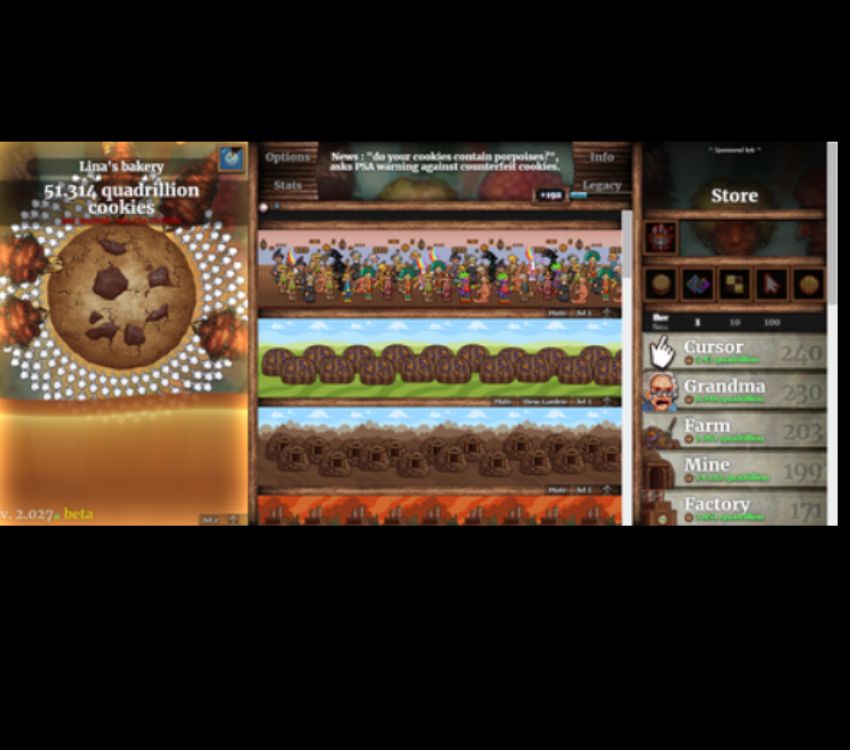
Cookie Clicker begins with a single action. You click a large cookie to produce more cookies. Soon, you unlock upgrades that automate production and expand your baking empire. What starts as a simple joke transforms into a surprisingly deep incremental strategy experience filled with strange humor and endless scaling. The appeal lies in exponential growth. Numbers climb from thousands to millions and beyond, creating a constant sense of progress. Even when you are not actively clicking, production continues. That ongoing accumulation makes it difficult to walk away, because you always feel like you are on the verge of the next major upgrade.
6. Getting Over It with Bennett Foddy

Getting Over It with Bennett Foddy is a physics-based climbing game designed explicitly around persistence, frustration, and eventual triumph. You play as a man stuck in a cauldron, using only a giant hammer to climb mountains made of random debris. The controls are intentionally awkward and demand precision. One slip can send you falling not just a few feet, but all the way back to the beginning, erasing minutes or even hours of progress. What makes it addictive is the emotional loop it creates. Every failure feels devastating, yet every small success feels monumental. The climb becomes a personal challenge rather than just gameplay.
7. Realm of the Mad God
Realm of the Mad God blends bullet hell mechanics with online multiplayer elements. Players team up to defeat powerful enemies and survive chaotic projectile patterns. Despite its pixel art appearance, the game demands focus, quick reactions, and cooperation. One of its most gripping features is permanent character death. When your character dies, all progress for that run is gone. This raises the stakes dramatically and makes survival incredibly rewarding. Every successful dungeon run feels meaningful, and every loss pushes you to start again with renewed determination.
8. GeoGuessr

GeoGuessr places you in a random real-world location using street-level imagery and challenges you to determine where you are. You must rely on environmental clues such as road signs, vegetation, architecture, and language to make your guess. Over time, players begin noticing subtle geographical details they once ignored. Recognizing a specific type of road marking or landscape becomes deeply satisfying. Each correct guess feels like solving a mystery, and each mistake becomes a lesson. That steady improvement curve makes it surprisingly hard to close the tab.
9. Town of Salem

Town of Salem is a social deduction game centered around hidden roles and deception. Players are assigned identities such as town members, mafia, or neutral characters, each with unique abilities. Success depends on reading others, building trust, and spotting lies. The unpredictable human element keeps every match fresh. Bluffing your way to victory can feel incredibly satisfying, while being wrongly accused creates intense emotional reactions. Those highs and lows generate a powerful urge to immediately join another match and try again.
10. Tetris Web Versions
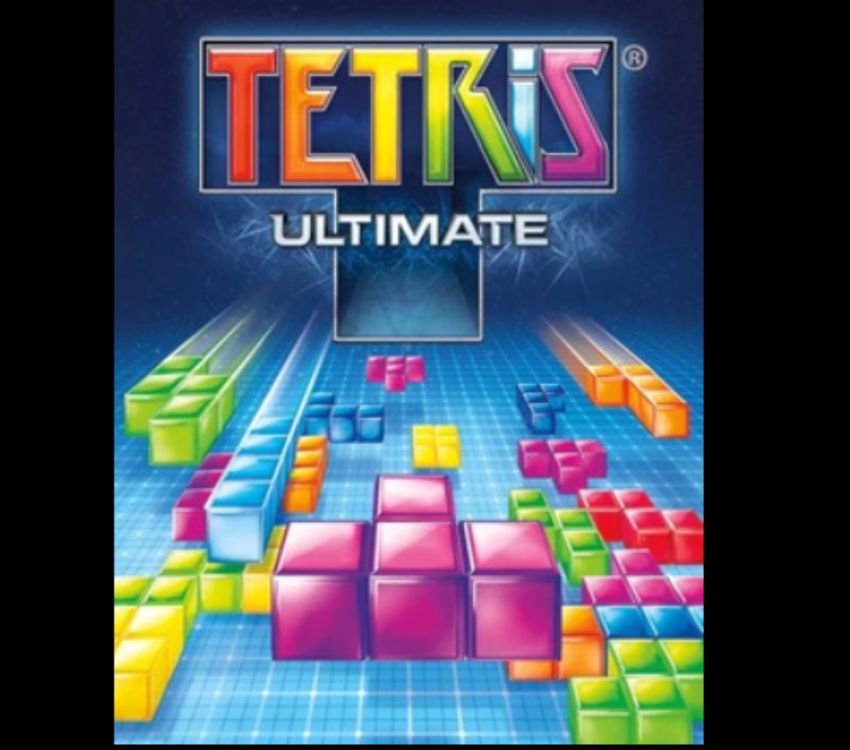
Tetris remains one of the most timeless puzzle games ever created. You rotate and place falling blocks to complete lines and prevent the stack from reaching the top. As the speed increases, the pressure builds and forces quicker decisions. Browser versions preserve the core gameplay while making it instantly accessible. The pursuit of a higher score,e combined with the desire to recover from small mistakes, creates a nearly endless cycle. It is easy to begin with a quick session, but stopping after a close call or a near record run is far more difficult than expected.