


The Nintendo GameCube still holds a special place in gaming history thanks to its inventive ideas, bold risks, and iconic exclusives. Yet returning to it today highlights how far game design has evolved. Early 2000s titles often relied on rigid movement systems, inconsistent camera behavior, and slower, more methodical pacing that feels noticeably rougher to modern players. These games remain beloved, but revisiting them sometimes means rediscovering outdated mechanics, uneven difficulty curves, and design experiments that didn’t fully mature. Below are ten classics that still shine with personality, even if their gameplay demands extra patience today.
1. Super Mario Sunshine
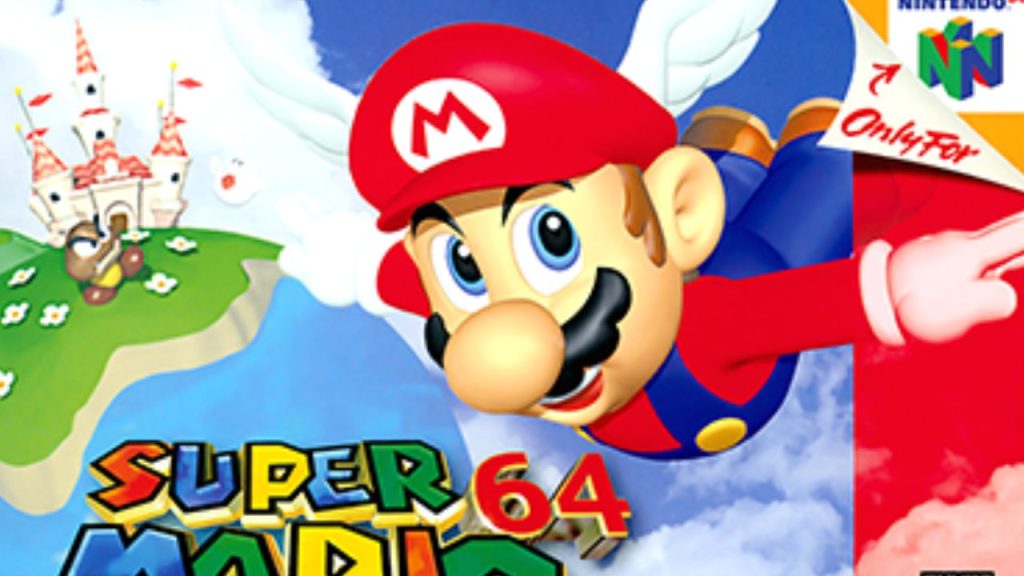
Still bursting with creativity, this tropical adventure introduced the FLUDD jetpack and a playful island aesthetic that remains iconic. Yet revisiting it today means contending with a camera that frequently shifts angles at the worst possible moments, making precise jumps unexpectedly difficult. Mario’s movement can feel slippery, and challenge stages without FLUDD highlight inconsistent physics that lead to sudden, frustrating falls. Even beautifully crafted levels often hide difficulty spikes and platforming quirks that remind players how experimental early 3D design truly was.
2. Metal Gear Solid: The Twin Snakes
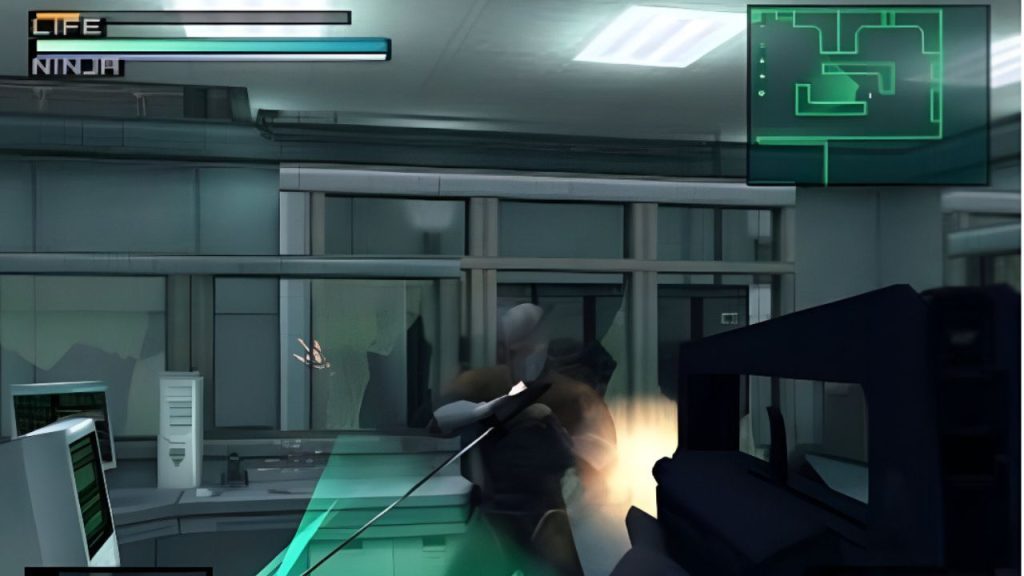
Metal Gear Solid: The Twin Snakes remains an intriguing remake that merges PS1-era level design with modernized mechanics, but that blend hasn’t aged well. The introduction of first-person aiming breaks the balance of the original stealth encounters, making some areas unintentionally easy while making others feel awkwardly designed. Enemy AI behaviors clash with the updated tools available to the player, and the dramatically stylized cutscenes feel tonally disconnected from the slow, methodical stealth gameplay.
3. Star Fox Adventures
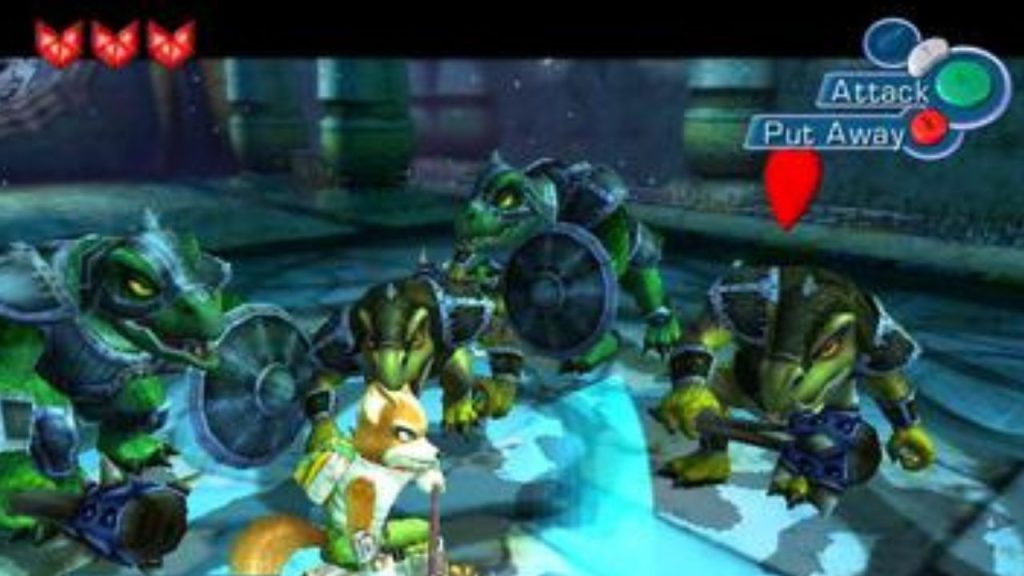
Visually impressive and ambitious in scope, this unexpected detour for the Star Fox franchise blends exploration, puzzles, and light combat. However, battles rely heavily on rhythmic button presses that lack depth, while extended fetch quests and frequent backtracking slow progression considerably. The pacing often drifts, making some sections feel padded rather than rewarding. Although the world radiates atmosphere and charm, the underlying mechanics betray an era of experimentation where adventure game design had yet to fully mature on console hardware.
4. Eternal Darkness: Sanity’s Requiem
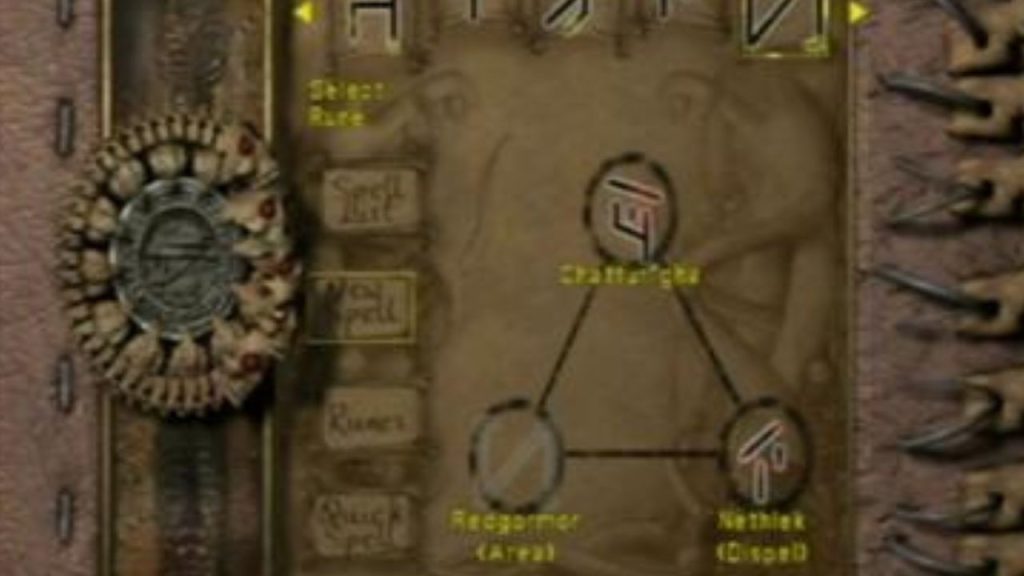
Ambitious and unforgettable, this psychological horror title stood out for its innovative sanity effects. However, combat mechanics feel stiff, targeting can be clunky, and camera positioning sometimes works against the player. While its narrative creativity remains impressive, the core gameplay shows its age. Some puzzles lack clear guidance, leading to trial-and-error solutions that can stall momentum and reduce the impact of their otherwise clever psychological tricks.
5. Luigi’s Mansion
This charming ghost-catching adventure established Luigi as a lovable lead, but the original’s mechanics feel stiffer today than fans remember. Movement is slow, flashlight aiming lacks responsiveness, and vacuum combat requires precise analog control that can be tricky during chaotic encounters. The mansion’s tight rooms and narrow halls make crowd control even more challenging, highlighting early GameCube limitations. Though brimming with personality, the game clearly represents a foundation that later sequels refined into a smoother, more polished ghost-hunting experience.
6. Paper Mario: The Thousand-Year Door
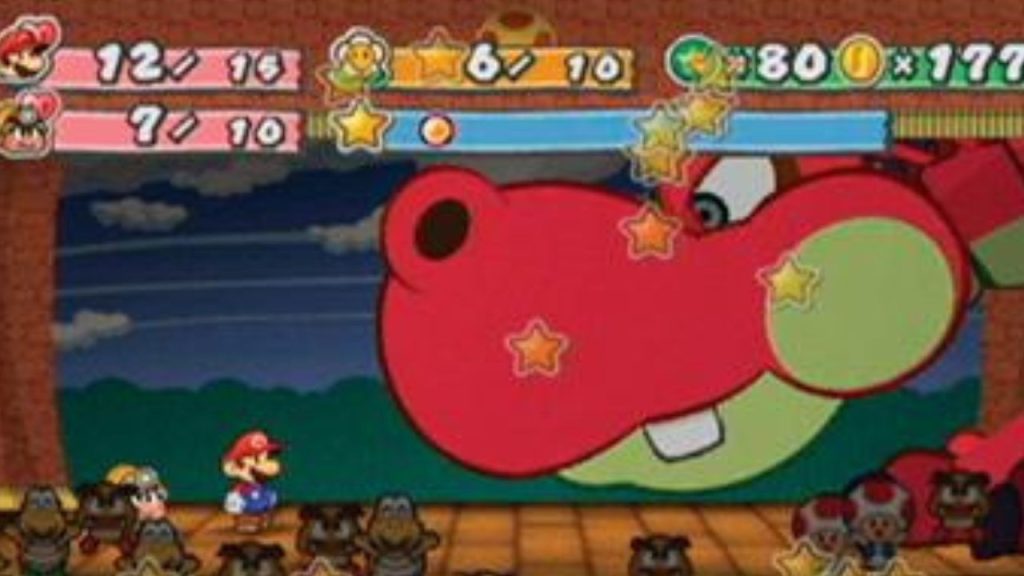
Praised for its writing, humor, and charm, this RPG remains a standout. Yet its turn-based combat can feel slower than modern RPG systems, and repeated backtracking across Rogueport occasionally drags the pacing down. Some chapters also rely on extended dialogue sequences and puzzle repetition that stretch progression. Although still beloved, its structure reflects early 2000s design conventions that prioritized length and world-building over streamlined efficiency.
7. Metroid Prime
Atmospheric, immersive, and groundbreaking for its time, this first-person adventure redefined what the Metroid universe could feel like. Yet returning to the original GameCube version today reveals how dated its single-stick control scheme has become. Aiming requires players to stop moving, exploration feels less fluid, and scanning, though rich in lore, slows the pacing more than modern standards allow. The world design is still extraordinary, but adjusting to the older mechanics can feel like wrestling with convention rather than exploring freely. Its brilliance remains unmistakable, yet the control limitations make it tougher to enjoy smoothly in the present day.
8. Resident Evil Zero

A prequel with stunning visuals for its time, Resident Evil Zero embraces classic survival horror design. However, its fixed camera angles, limited inventory system, and lack of item boxes create frustration rather than tension. The character-switching mechanic adds complexity but can disrupt pacing, making backtracking more cumbersome than suspenseful. Managing dropped items across large environments often interrupts immersion and slows progression more than intended.
9. The Legend of Zelda: The Wind Waker
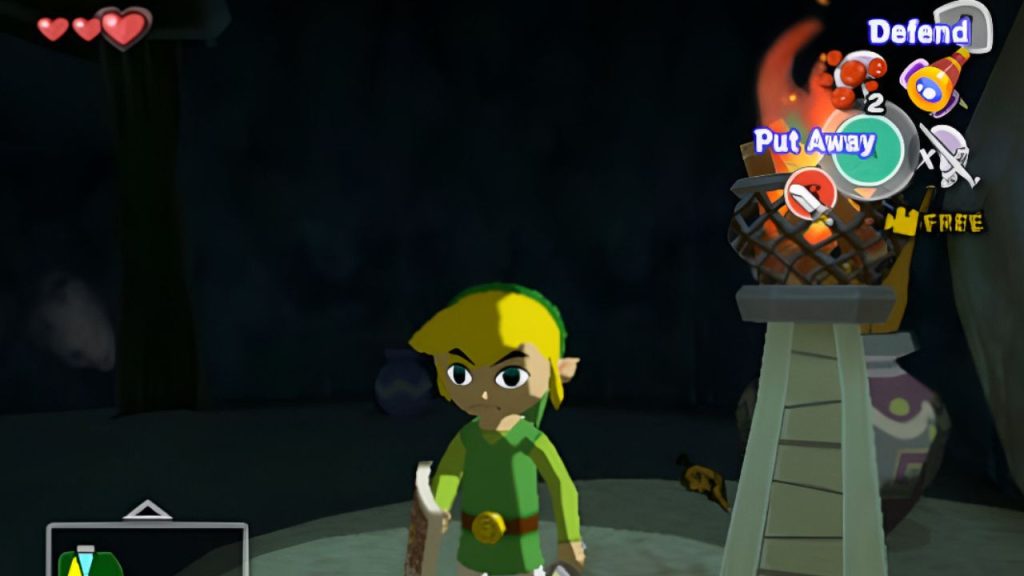
Timeless in style and emotionally rich in storytelling, this cel-shaded adventure remains a visual masterpiece. Yet the original GameCube version suffers from slow pacing and long stretches of repetitive traversal across the Great Sea. Sailing is peaceful but often tedious due to limited speed options and constant wind-direction changes that interrupt momentum. The infamous late-game Triforce quest adds further drag, requiring players to hunt charts, pay steep decoding fees, and revisit multiple islands repeatedly. While the world is enchanting, the gameplay flow clearly benefits enormously from the streamlined improvements introduced in later remasters.
10. F-Zero GX
A blisteringly fast and visually striking racer, F-Zero GX pushed the GameCube hardware to its limits and still looks impressive today. But revisiting it now highlights just how punishing its difficulty curve can be. Tracks demand near-perfect precision at extreme speeds, AI opponents show little mercy, and even slight mistakes can send you spinning into instant failure. The Story Mode is famously brutal, requiring flawless execution that modern players may find overwhelming. While still exhilarating, its unforgiving design reflects a time when difficulty was often the primary way to extend replay value, making it far tougher to jump into casually today.