


The PlayStation 2 era is remembered for innovation, creativity, and an enormous library of iconic titles, but not every classic has aged smoothly. Many beloved PS2 games suffer today from outdated controls, awkward camera systems, limited availability, or technical quirks tied to early 3D design. Some remain locked behind licensing issues, others were never re-released, and many require original hardware to experience properly. Despite these challenges, each game represents an important moment in PlayStation history, offering bold ideas that deserve to be remembered even if they’re difficult to revisit in the modern era.
1. Shadow of Rome
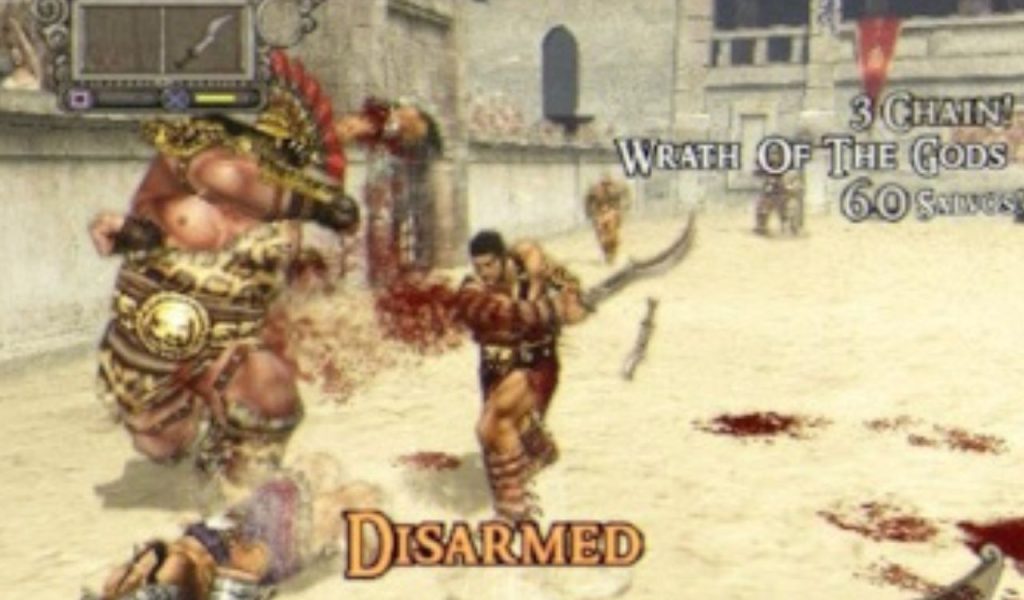
A daring mix of brutal gladiator combat and stealth-driven political intrigue, Shadow of Rome showcased Capcom’s ambition on PS2 but also exposed the console’s limitations. Its arena battles remain entertaining, yet the inconsistent frame pacing, stiff animations, and unpredictable enemy behavior make the experience feel rough today. The stealth segments, while creative, rely on dated AI patterns and sluggish controls that can frustrate modern players. With no remaster or digital release, the game is trapped on original hardware, making it both technically challenging and physically difficult to play in the present day.
2. Rule of Rose
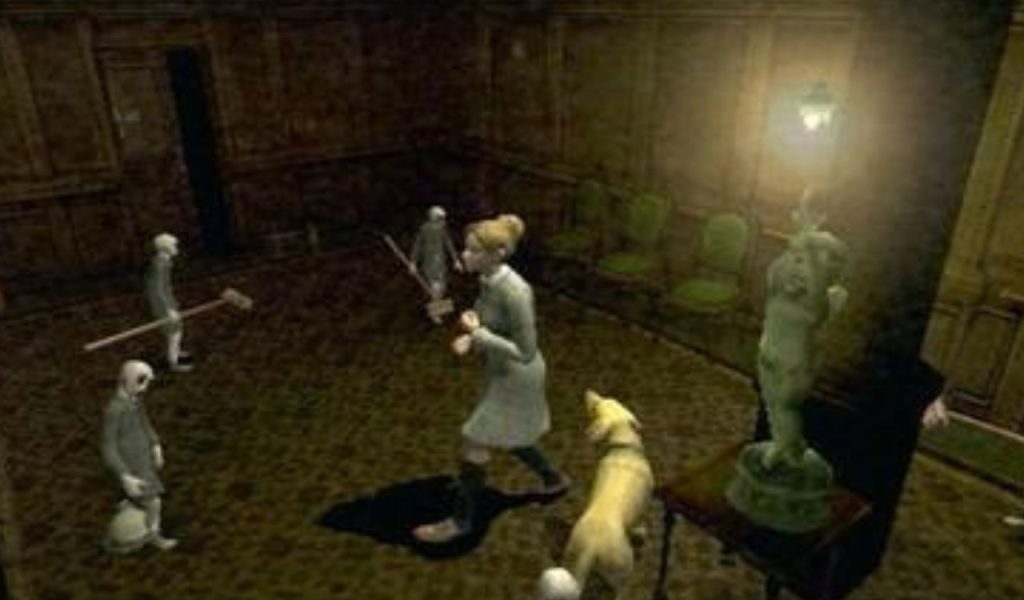
Rule of Rose earned a cult following for its unsettling themes, psychological horror, and dreamlike narrative, but it remains notoriously difficult to revisit. Its combat is slow and imprecise, with enemies that feel unintentionally clumsy rather than threatening. Camera controls are rigid, forcing players to struggle against visibility rather than tension. Compounding the issue, the game’s limited release and surrounding controversies made physical copies extremely rare and expensive. Without digital availability or modern updates, even dedicated fans face both mechanical frustration and high cost when trying to experience this unusual PS2 gem today.
3. Drakengard
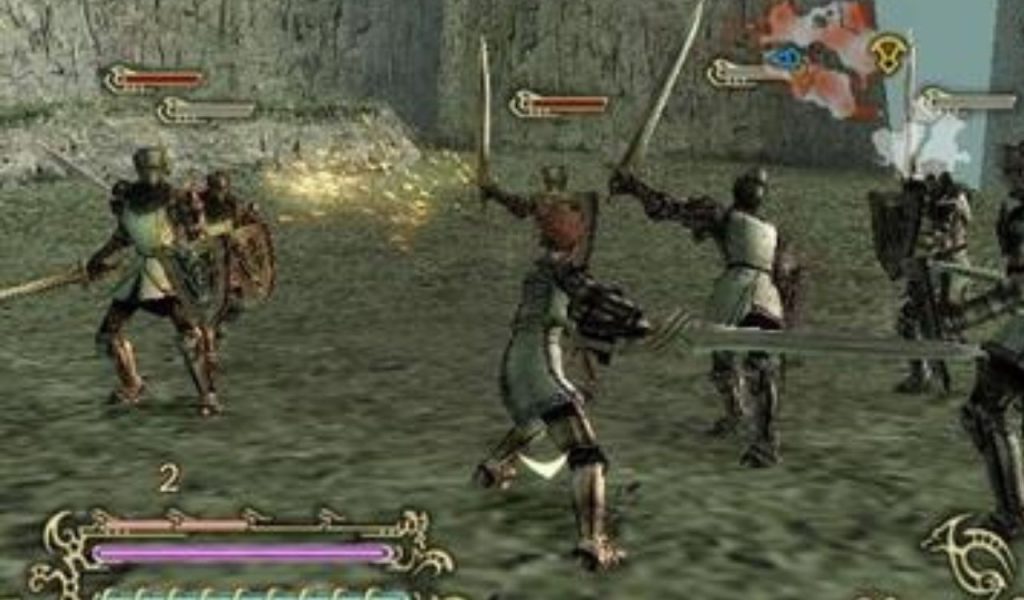
Known for its bleak storytelling and disturbing lore, Drakengard also became infamous for gameplay that hasn’t aged well. Its ground combat feels repetitive and sluggish, with limited movesets and stiff responsiveness that contrast sharply with its ambitious narrative scope. Aerial missions offer variety but suffer from monotony and awkward targeting. Frame rate drops were common on PS2 and remain just as distracting now. While the game’s dark themes ultimately inspired Nier, its historical significance doesn’t make its gameplay any easier to endure. With no remaster available, revisiting it requires patience few modern players possess.
4. Metal Arms: Glitch in the System
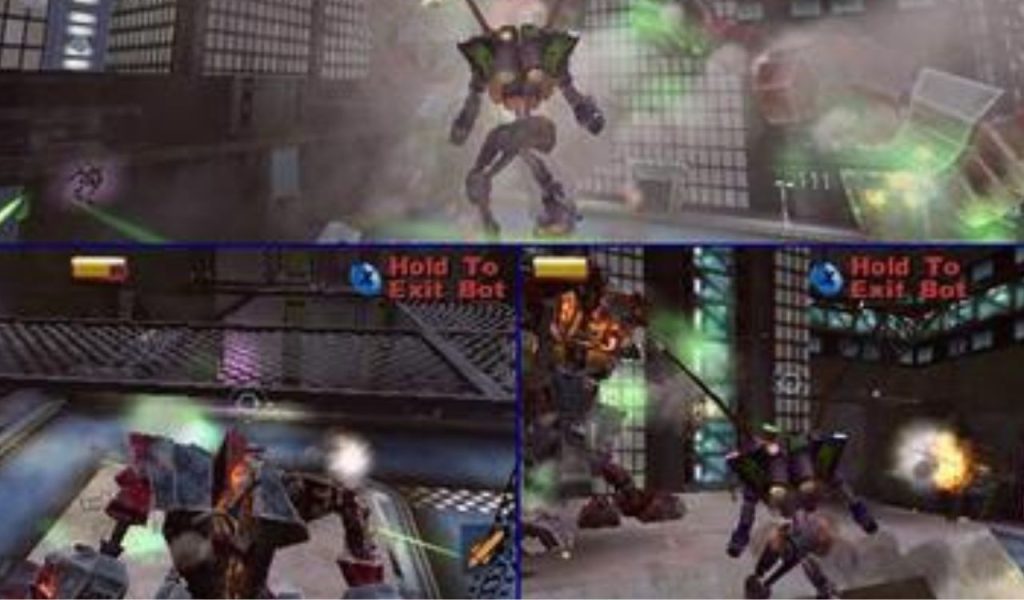
Although beloved for its humor, world-building, and surprisingly deep shooting mechanics, Metal Arms: Glitch in the System suffers today from technical aging and severe accessibility issues. Licensing complications have prevented any remasters or digital re-releases, keeping it stranded on older consoles. The aiming system, once serviceable, now feels overly stiff compared to modern shooters, and the difficulty spikes can be punishing without contemporary quality-of-life features. Its clever writing and memorable robot cast remain highlights, but the only reliable way to play it now requires old hardware and patience with outdated design conventions.
5. EverGrace
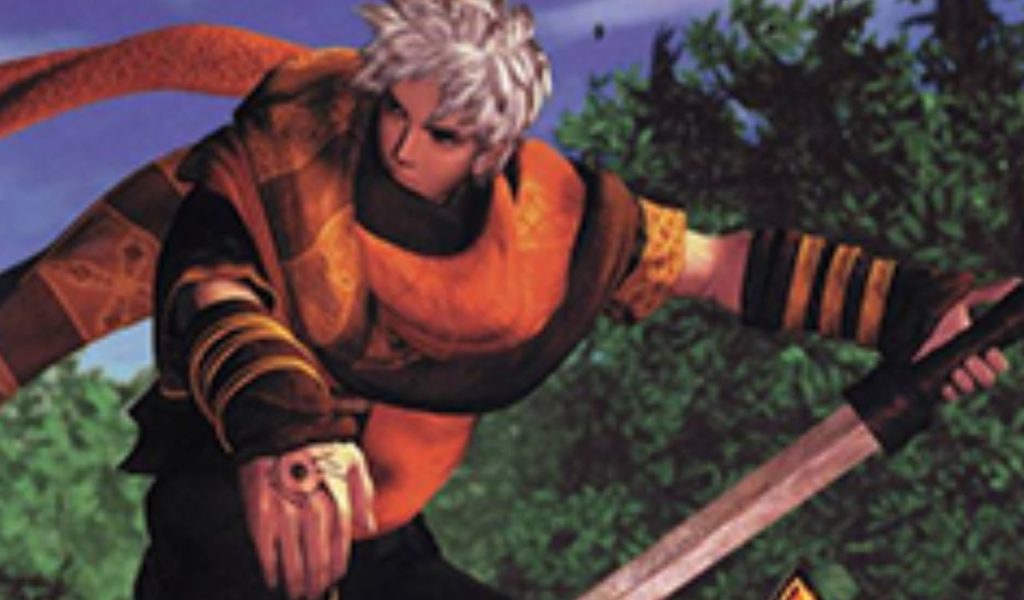
Before FromSoftware became known for Soulslike mastery, it experimented with unusual RPG ideas in EverGrace, a game that now feels extremely dated. The floaty movement, stiff combat, and simplistic enemy patterns undercut its intriguing armor-based progression systems. Character animations lack weight, making every swing and dodge feel detached from the world. Its soundtrack and strange aesthetics give it historical curiosity, but not enough to overcome its awkward mechanics. With no modern ports or remasters, the only way to experience EverGrace is through original hardware, and doing so highlights how far FromSoftware has evolved since its early PS2 experiments.
6. The Bouncer
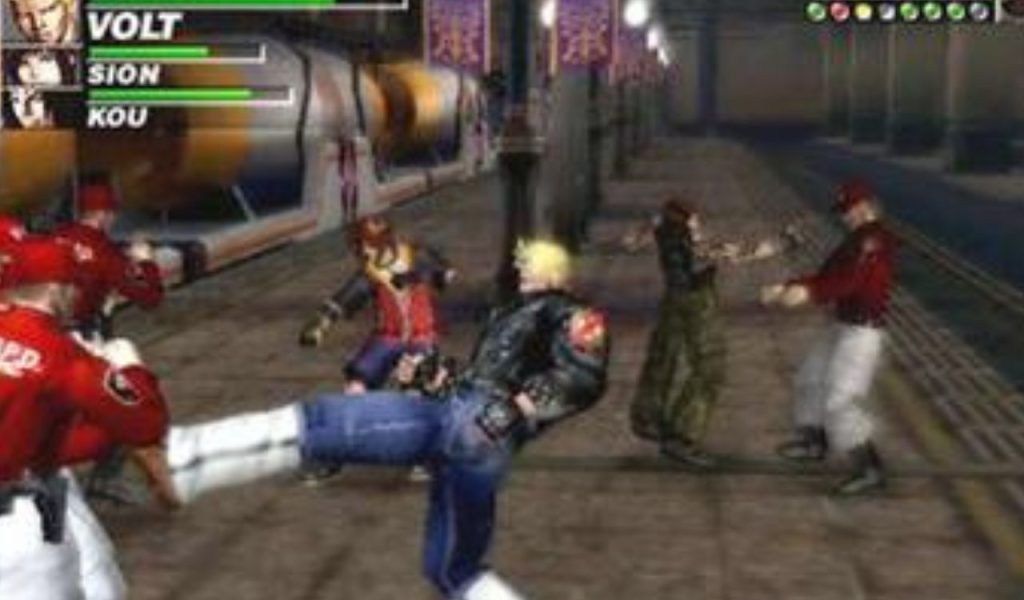
A PS2 launch-era showcase, The Bouncer attempted to blend cinematic storytelling with beat-’em-up action, but its technical limitations make it difficult to play today. The game’s frame rate varies wildly, interrupting combat flow and reducing responsiveness during fights. While its characters and visuals were impressive for their time, the overall experience is extremely short and relies heavily on repetitive encounters. Camera behavior often becomes erratic during crowded brawls, further complicating playability. Since it never received a re-release, its aging mechanics and lack of availability leave it as a visually interesting but mechanically troubled relic of early PS2 ambition.
7. God Hand
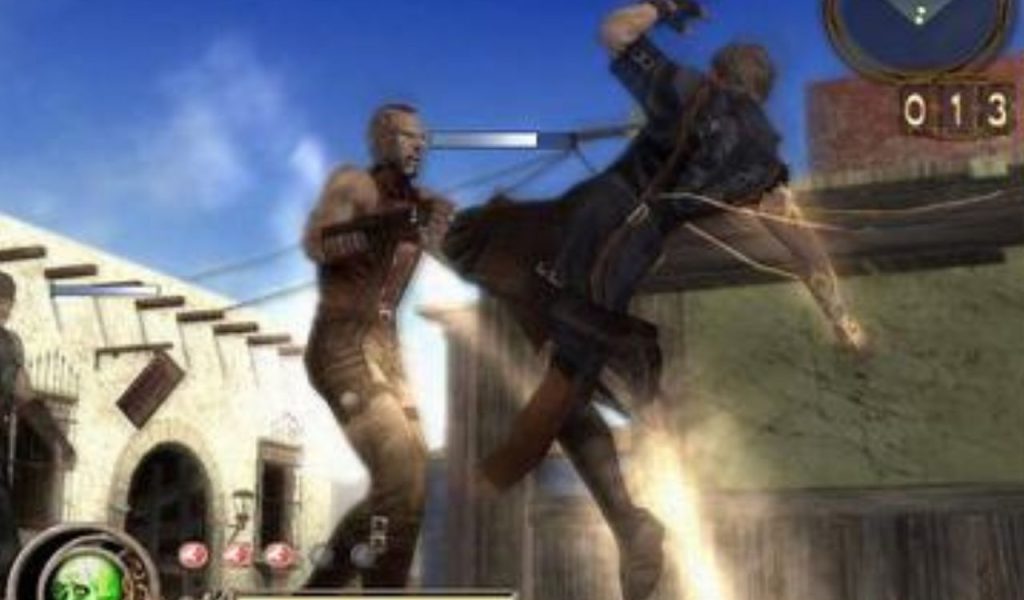
A cult classic celebrated for its humor and uncompromising difficulty, God Hand still challenges players, but not always in ways that feel intentional today. Its tank-style movement and unpredictable camera demand a level of precision that modern action games have long abandoned. The combat system is deep and satisfying once mastered, yet the steep learning curve is made harsher by dated responsiveness and enemy encounters that can feel chaotic rather than skill-based. Although available on PS3 digitally, it lacks quality-of-life improvements. As a result, returning to God Hand requires significant patience and tolerance for mid-2000s design quirks.
8. Fatal Frame II: Crimson Butterfly
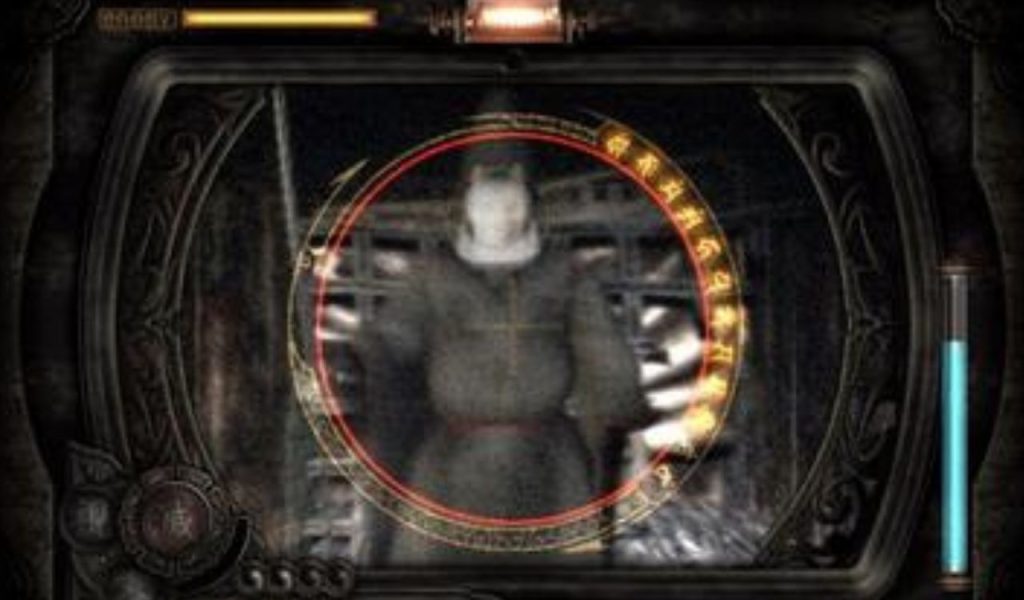
Fatal Frame II remains one of the most atmospheric horror games ever created, but its dated mechanics make modern play challenging. Character movement is slow and stiff, which can heighten tension but also lead to frustration when navigating tight spaces. The Camera Obscura system, while iconic, requires precise timing that can feel clunky on aging hardware. Limited modern ports exist, but none significantly update controls or visuals, leaving the experience largely unchanged from the original. Its haunting story and chilling environments endure, yet playing it today reminds gamers how far survival-horror controls and UI have evolved since the PS2 era.
9. Baldur’s Gate: Dark Alliance
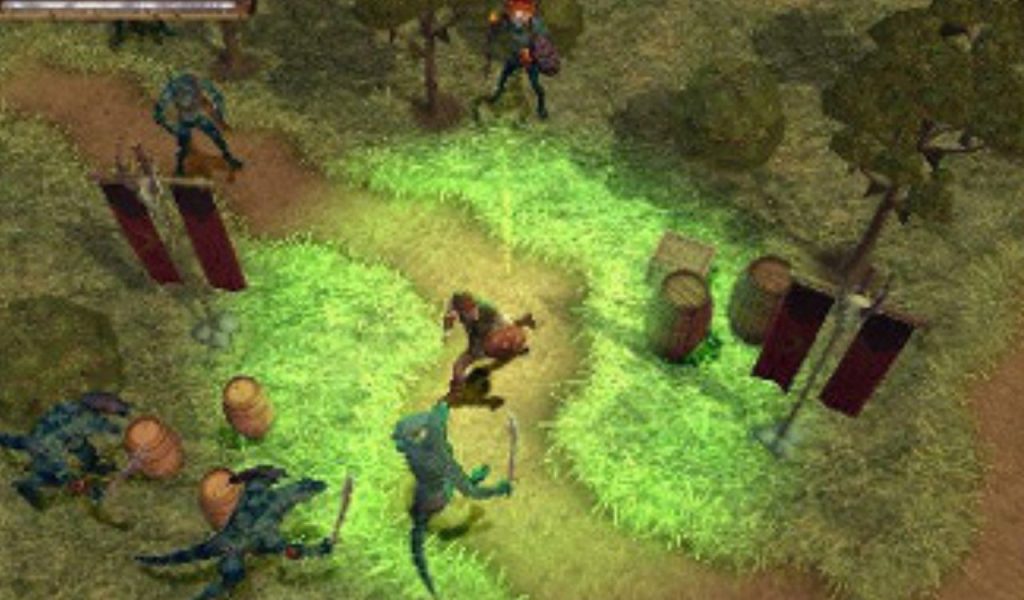
Baldur’s Gate: Dark Alliance remains a fan-favorite action RPG thanks to its satisfying hack-and-slash combat, memorable dungeons, and iconic cooperative gameplay. However, returning to it today reveals challenges that keep it from being as accessible or polished as modern players expect. Technical limitations—such as rigid movement, dated visuals, and occasional frame-rate dips show its age, while the difficulty curve can feel uneven compared to newer ARPG standards. Licensing restrictions also complicated digital availability for years, making physical copies the only option until recent re-releases. Even with its nostalgic charm and foundational influence on later dungeon crawlers, the game’s outdated structure and limited accessibility prevent many new players from experiencing it the way fans once did.
.
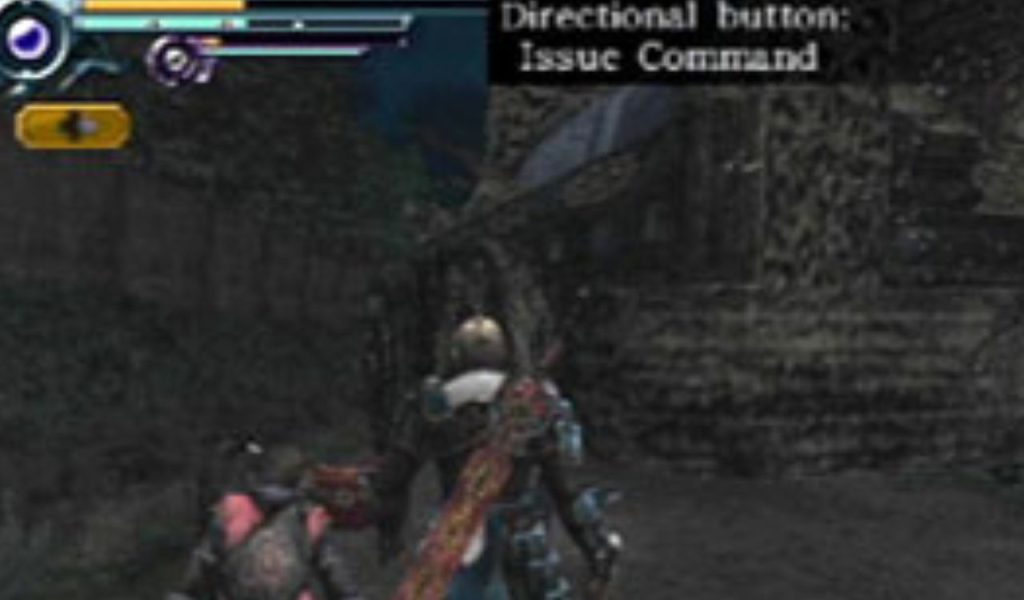
10. Onimusha: Dawn of Dreams
As the ambitious evolution of the Onimusha series, Dawn of Dreams expanded gameplay with multiple playable characters, larger environments, and deeper combat. However, its fixed camera angles, inconsistent targeting, and stiff movement reveal its age today. Without a remaster or modern controls, the game feels trapped between classic survival-horror design and emerging action trends. Its lengthy campaign and branching character paths add value, but the technical quirks of late PS2 architecture, combined with limited availability, make it one of the harder entries for new players to enjoy.