




Game controllers are more than just plastic accessories; they are the physical connection between players and their favorite virtual worlds. A great controller feels natural in your hands, responsive to every movement, and comfortable during long gaming sessions. When design and functionality align perfectly, players barely notice the controller at all. But when something feels off, awkward button placement, poor ergonomics, unreliable hardware, or unnecessary gimmicks, frustration sets in quickly. Over the years, console manufacturers have experimented boldly with controller designs. Some innovations revolutionized gaming and shaped the future of the industry.
1. Nintendo 64 Controller
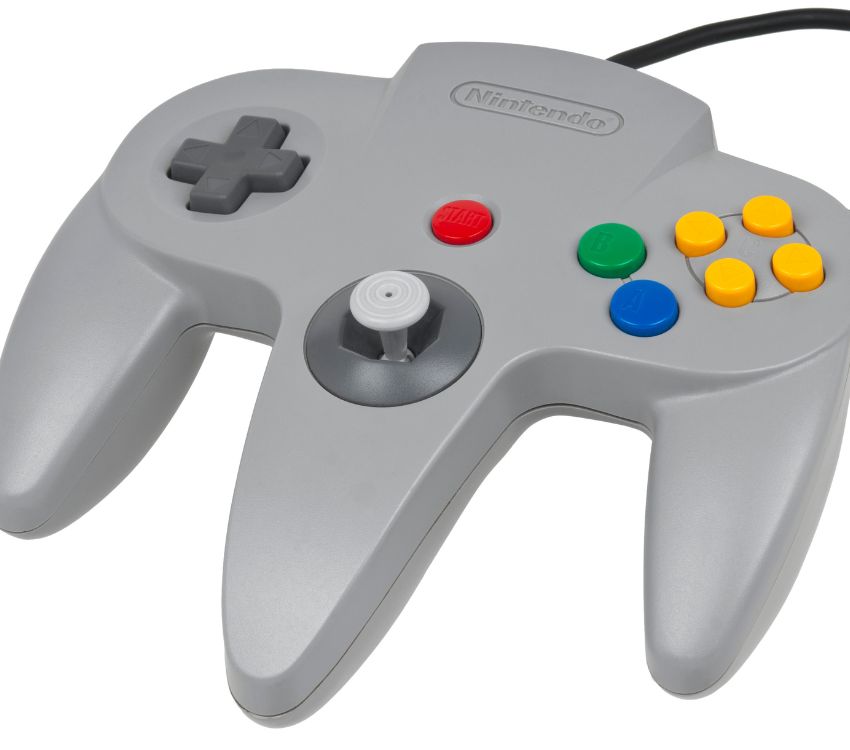
The Nintendo 64 controller remains one of the most recognizable and unusual controller designs in gaming history. Its three-pronged shape confused many players at first glance. Depending on the game, users would hold different sections of the controller, which made it feel experimental but not always intuitive. The analog stick was groundbreaking for 3D gaming and worked beautifully in titles like Super Mario 64. However, durability quickly became a major issue. Heavy gameplay often caused the stick to loosen, reducing accuracy and precision. Over time, many controllers developed “wobbly” sticks, frustrating competitive players.
2. Atari Jaguar Controller
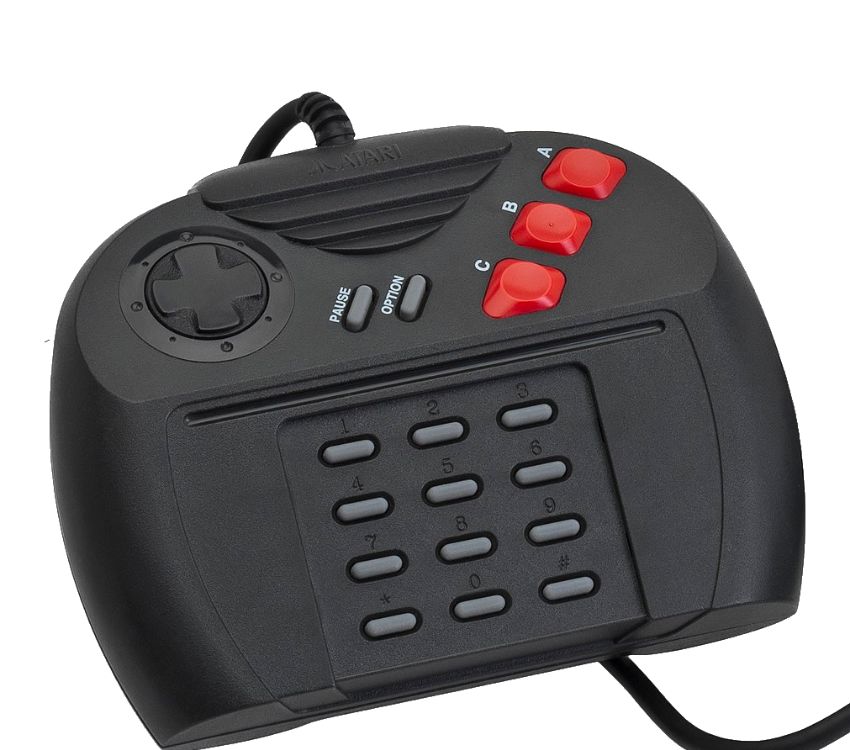
The Atari Jaguar controller looked bulky and outdated even when it launched. Its wide body and stiff buttons made extended play sessions uncomfortable for many users. The most controversial feature was its 12-button numeric keypad located below the primary action buttons. Atari intended the keypad to offer expanded functionality, but few games used it effectively. Players often had to insert plastic overlays specific to each game, which felt cumbersome and unnecessary. Rather than feeling innovative, the controller seemed overly complicated and poorly thought out, reinforcing the Jaguar’s broader hardware criticisms.
3. Duke
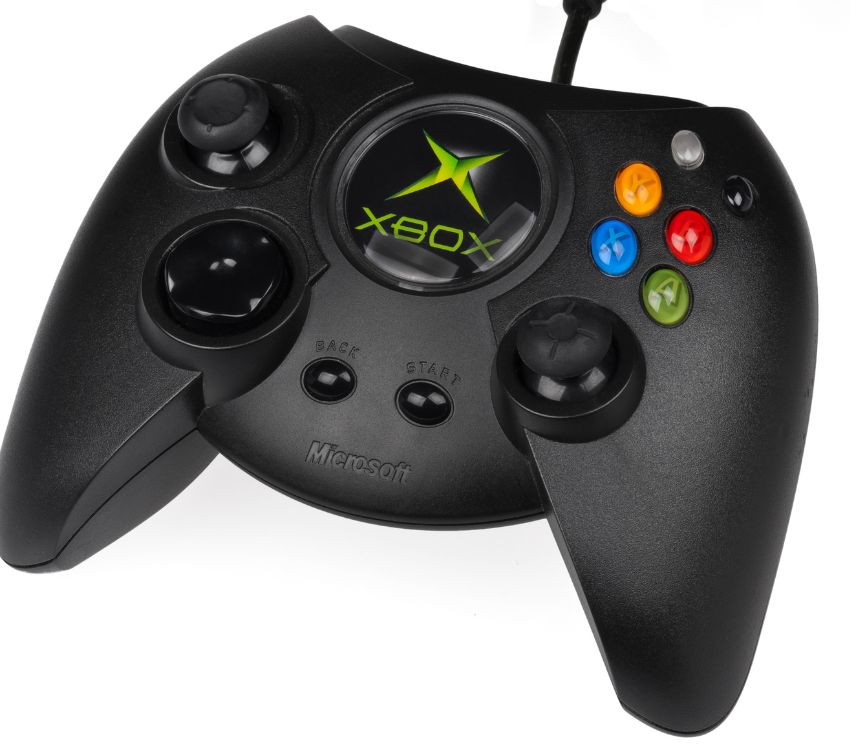
Nicknamed “The Duke,” Microsoft’s original Xbox controller became infamous for its massive size. Designed with a focus on durability and presence, it ended up being too large for many players, particularly those with smaller hands. The button placement felt stretched out, and reaching certain controls required noticeable hand adjustments. Long gaming sessions could become uncomfortable due to their bulk. International markets were especially critical, prompting Microsoft to quickly release the slimmer Controller S. Although some fans appreciate the Duke’s nostalgic charm today, its size remains one of the most criticized design choices in Xbox history.
4. PlayStation 3 Sixaxis
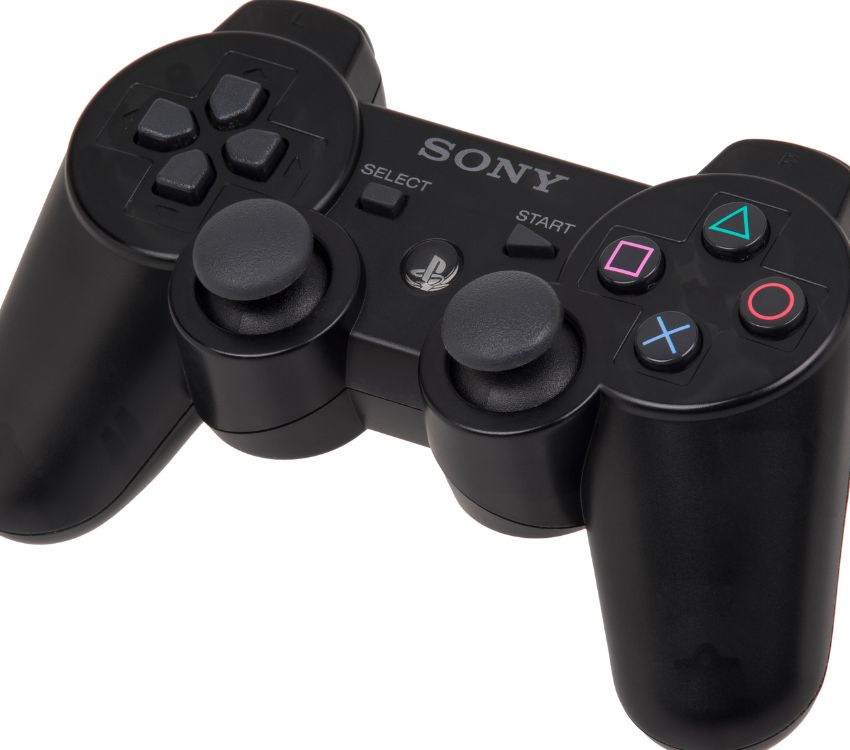
When Sony launched the PlayStation 3, expectations were high for its controller. The Sixaxis retained the familiar DualShock shape but launched without vibration feedback due to legal disputes. For many players, the absence of rumble felt like a step backwards. The controller introduced motion controls, but support for the feature was limited and often felt forced. In many games, motion functionality added little value. Without vibration and with underutilized motion controls, the Sixaxis felt incomplete. Sony later corrected course with the DualShock 3, but the Sixaxis remains a rare stumble in PlayStation’s controller legacy.
5. Nintendo Wii Remote
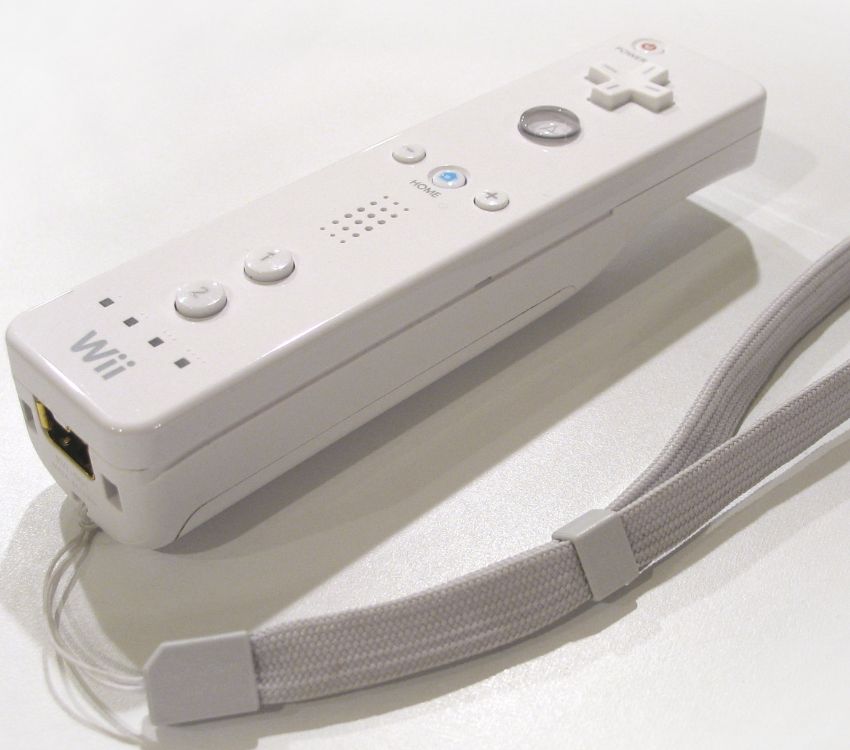
The Wii Remote changed gaming by introducing motion controls to the mainstream. Its simple, TV-remote-like design appealed to casual players and families, helping the Wii achieve massive success. However, traditional gamers often criticized its lack of precision. Motion tracking sometimes struggled with fast or complex movements, and certain games felt less responsive than expected. Early reports of players accidentally throwing the controller at their TVs became widely discussed online. While revolutionary in concept, the Wii Remote’s limitations are still debated today.
6. Steam Controller
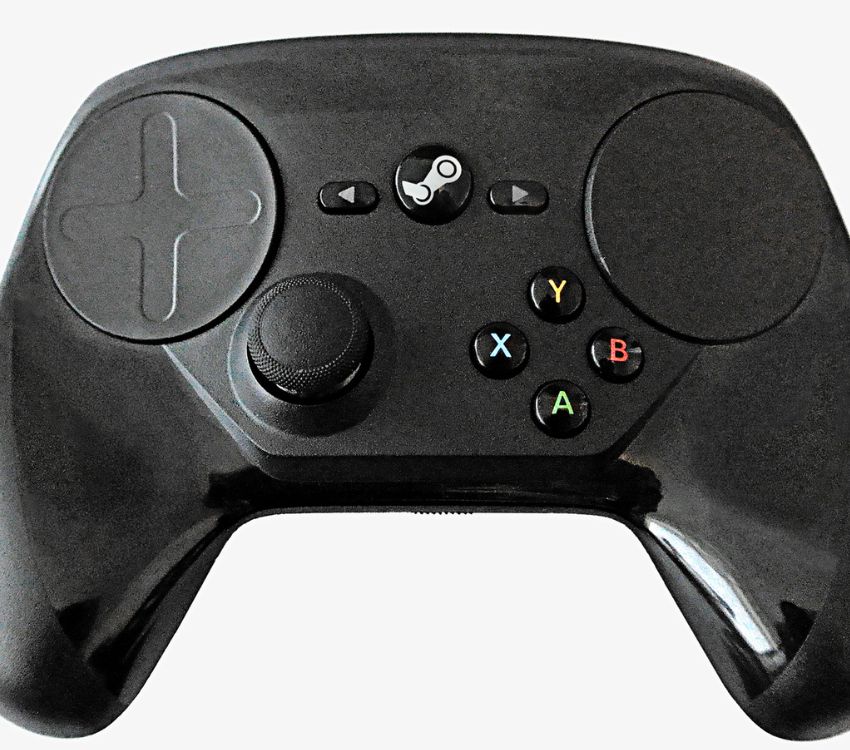
Valve’s Steam Controller aimed to bring PC gaming flexibility to the living room. Its most radical change was replacing the right analog stick with a large touchpad designed to simulate mouse input. Although the idea promised greater precision, the learning curve proved steep. Many players found it difficult to adjust to the touchpad-based aiming system. Customization options were extensive, but casual users often lacked the patience to configure them properly. Despite a dedicated fan base, the Steam Controller struggled to gain mainstream popularity and is frequently cited as an example of innovation that was ahead of its time but not user-friendly enough.
7. Sega Saturn 3D Controller
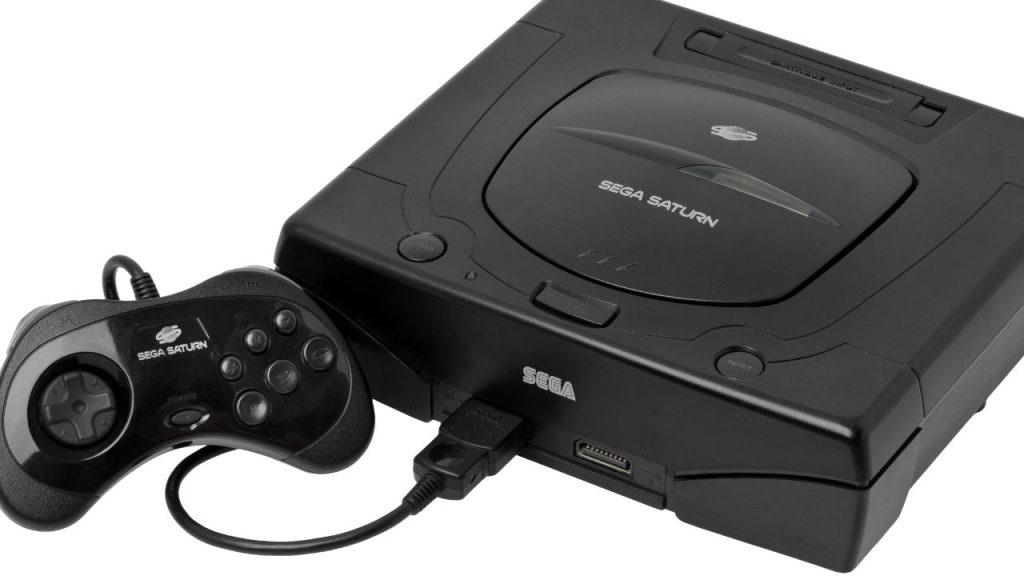
The Sega Saturn 3D Controller introduced an analog stick to compete with emerging 3D-focused consoles. It featured a rounded design and expanded functionality compared to the standard Saturn controller. However, it felt bulky and awkward for some players. Compatibility was also limited, as not all games supported its analog features. While it represented Sega’s attempt to adapt to changing industry trends, it lacked the polish and universal support needed to succeed fully.
8. OUYA Controller
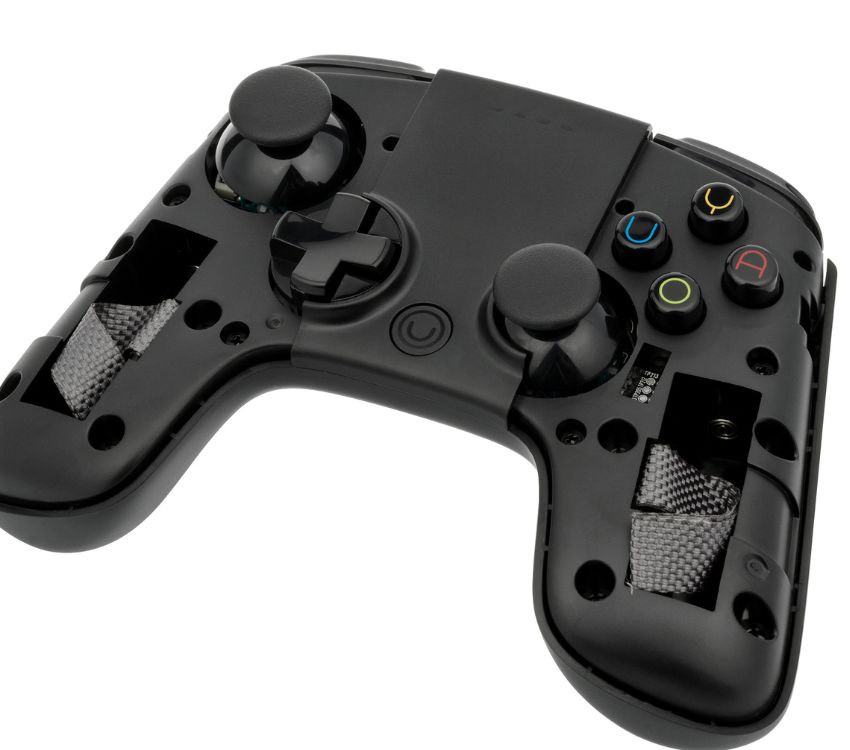
The OUYA console promised affordable, open-platform gaming, but its controller quickly became one of its weakest aspects. Users reported input lag, inconsistent button responsiveness, and questionable build quality. Some players even experienced buttons becoming stuck beneath the controller’s faceplate. These issues severely impacted gameplay and reduced confidence in the platform. For many gamers, the OUYA controller symbolizes ambitious ideas that suffered from poor execution.
9. Joy-Con (Nintendo Switch, 2017)
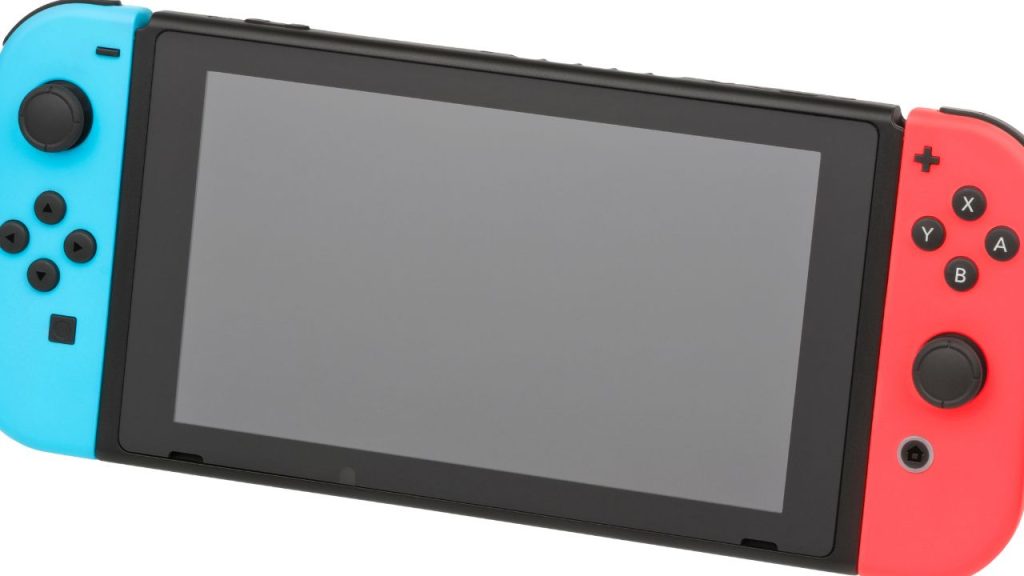
Nintendo’s Joy-Con controllers are versatile and innovative, allowing handheld, tabletop, and motion-based play. They pack advanced features into a compact design, including HD rumble and motion sensing. However, widespread “stick drift” issues have damaged their reputation. Many users reported analog sticks registering movement without input, sometimes within months of purchase. The problem became significant enough to result in repair programs and legal disputes. While their flexibility is impressive, durability concerns continue to frustrate players.
10. Nintendo GameCube Controller
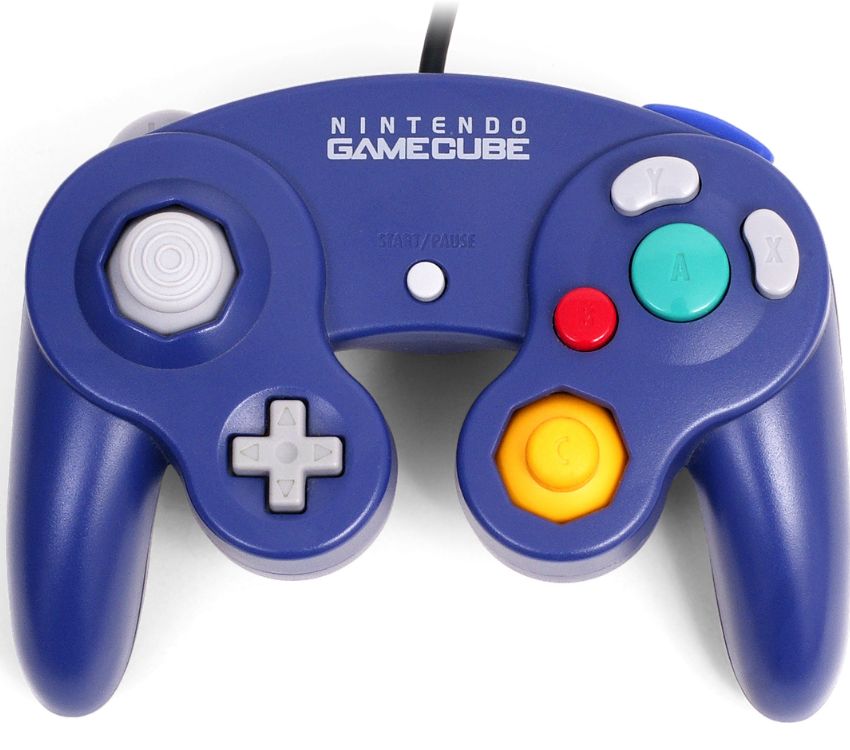
The GameCube controller is beloved by some and criticized by others. Its ergonomic grip and analog triggers earned praise, especially among competitive Super Smash Bros. players. Still, its unconventional button layout divided opinions. The oversized green A button surrounded by smaller buttons felt unusual to many gamers. The small C-stick and limited D-pad functionality made it less ideal for certain genres. Even today, the GameCube controller remains one of the most polarizing designs in Nintendo’s history.