



Gaming is more than entertainment; it’s repetition, pattern recognition, reflex training, and decision-making practice all rolled into one. The more hours players invest, the more subtle behaviors become automatic. What once required thought slowly turns into instinct. Over time, these habits become so deeply embedded that players rarely question them. Interestingly, many of these habits transfer across genres. A behavior learned in a competitive shooter might appear in a single-player RPG. A survival instinct built into a horror game might show up in an open-world adventure. Some habits even influence real-world thinking, like scanning environments more carefully or managing resources more cautiously. Here are 10 gaming habits players often develop without even realizing it.
1. Reloading Constantly Even When It’s Not Necessary
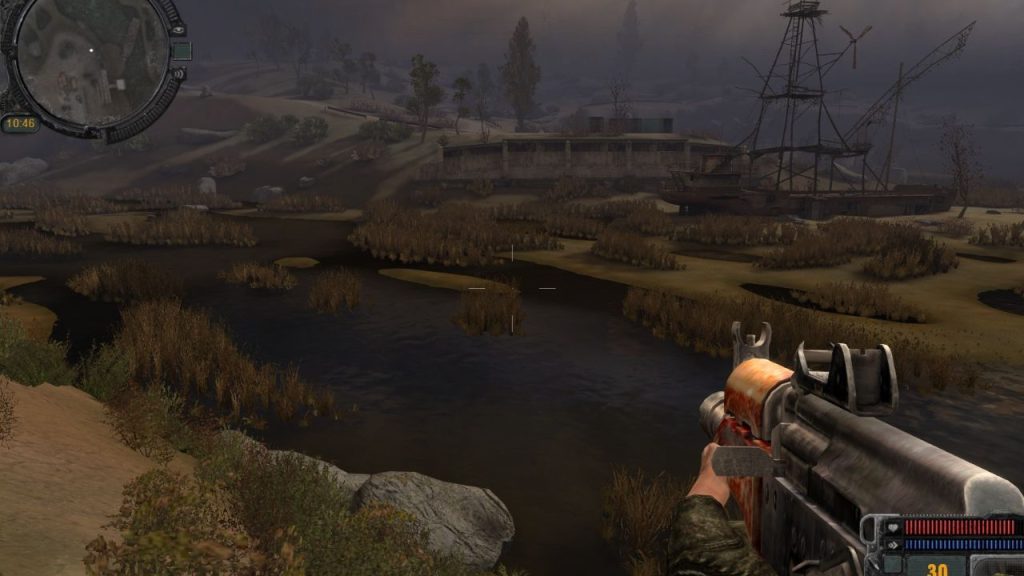
In fast-paced shooters like Call of Duty or Fortnite, running out of ammo at the wrong moment can cost a match. Over time, players develop the reflex to reload after every short burst of gunfire. Even when a weapon still has plenty of bullets left, the reload button gets pressed automatically. This muscle memory carries across nearly every shooting game. Ironically, it sometimes leads to mistimed reloads during active combat, a habit formed for survival that occasionally backfires. In tense moments, that split-second reload can mean the difference between victory and elimination, especially during close, high-pressure encounters.
2. Checking Every Corner
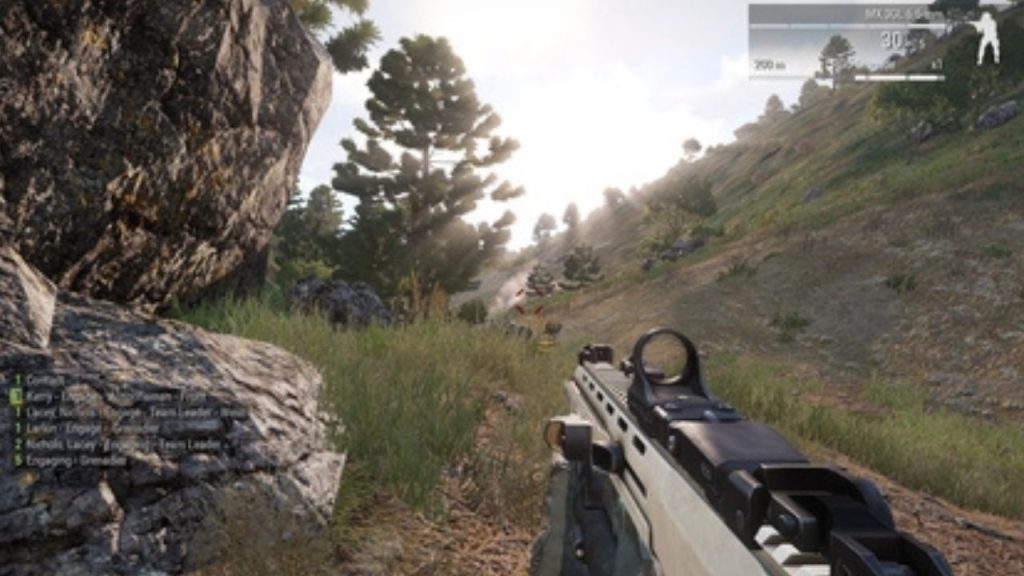
Many players instinctively clear rooms as if they’re in a tactical simulation. Stealth-heavy or survival games train this behavior deeply. In titles like Grand Theft Auto V or The Last of Us Part II, ambushes can happen at any moment. As a result, players scan corners, look behind doors, and check rooftops even in relatively safe areas. This hyper-awareness becomes automatic. In competitive games, it improves survival. In casual games, it’s simply a habit. The brain has learned: assume danger first. Even empty hallways feel suspicious, and silence often signals that something is about to go wrong.
3. Hoarding Items For Later.
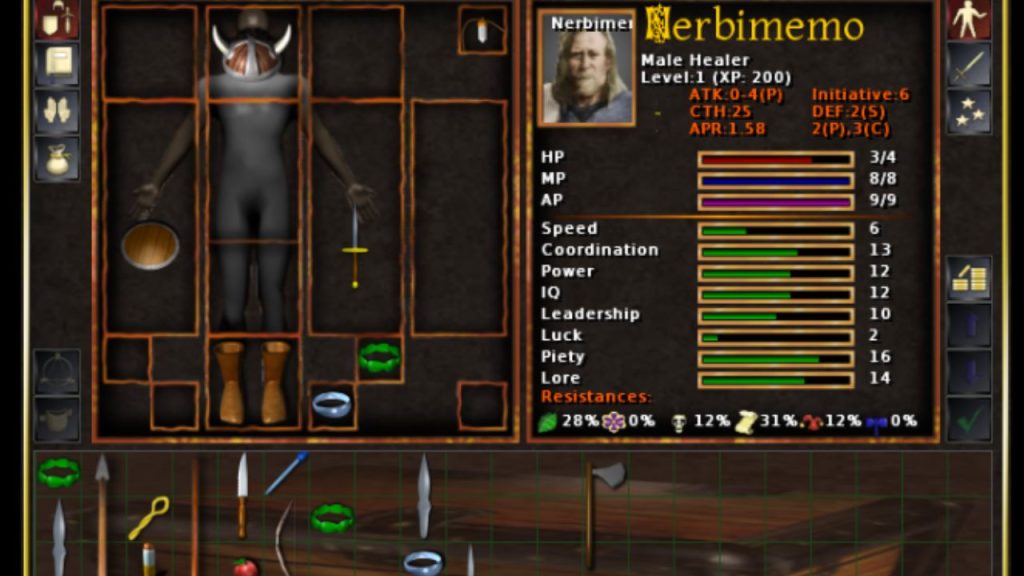
RPGs are especially responsible for this behavior. In games like The Witcher 3: Wild Hunt or Skyrim, players collect potions, rare weapons, crafting materials, and powerful scrolls at every opportunity. Exploration becomes less about progress and more about grabbing everything in sight. But instead of using them, they save them “for the final boss.” Often, that moment never comes. Many finish the story with inventories full of unused legendary gear and max-level consumables. The comfort of being prepared outweighs the benefit of using resources, and stockpiling feels safer than spending in tough battles.
4. Skipping Tutorials Then Regretting It
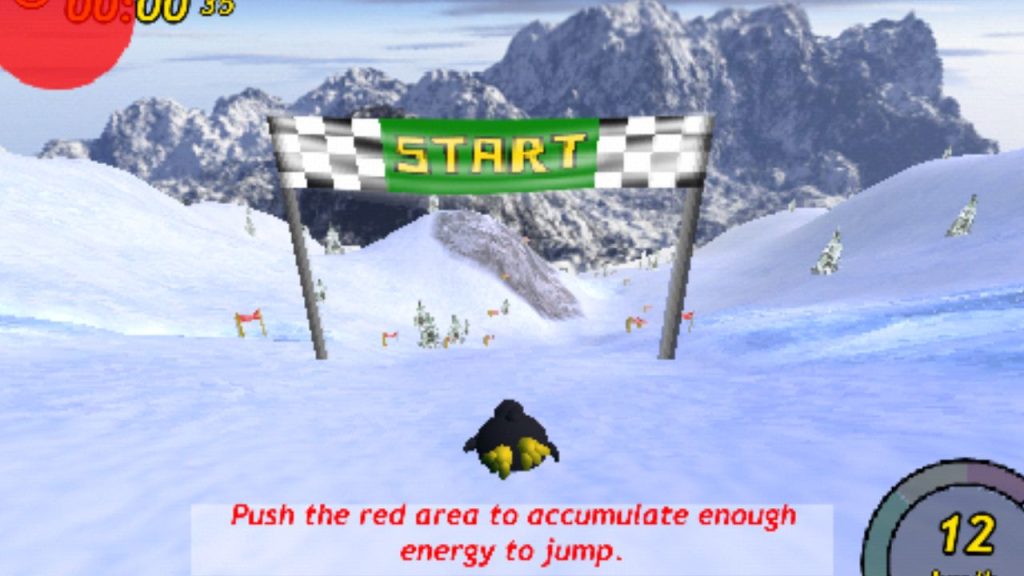
Experienced gamers often feel confident jumping into new titles without guidance. Tutorials seem slow, overly detailed, or unnecessary, especially for players who believe they can learn by doing. So they skip them to get straight into the action. Later, they encounter a mechanic they don’t fully understand, crafting systems, combo chains, stealth tools, or advanced movement options, and suddenly feel stuck. They pause to search menus or look up guides online, realizing they missed important explanations. The cycle repeats across genres. It’s a blend of confidence, impatience, and habit that quietly follows players from game to game.
5. Grinding Side Quests Before the Main Story
In open-world games, main missions frequently take a backseat. Instead of following the narrative path, players clear every map icon, complete optional objectives, and explore hidden areas before advancing the plot. Games like Red Dead Redemption 2 and Horizon Forbidden West reward exploration so effectively that resisting side content feels impossible. Players often over-level, unlock strong gear early, and spend dozens of hours wandering. Gradually, completionism becomes less of a choice and more of a personal standard. For many, finishing the story without clearing the map feels incomplete, almost like skipping part of the experience itself.
6. Adjusting Settings Before Playing
Before even starting gameplay, many players head straight to the settings menu. Sensitivity tweaks, control remapping, subtitle activation, and brightness calibration are almost ceremonial, like preparing equipment before a mission. Competitive players fine-tune field-of-view sliders, frame rate limits, and input settings for peak performance. Casual players adjust audio balance, accessibility features, or difficulty levels right away. It’s no longer optional; it’s routine. Comfort, familiarity, and control take priority before immersion even begins, ensuring the experience feels personalized from the first moment.
7. Saving the Game Repeatedly

Even in modern games with frequent auto-saves, players manually save progress over and over again. It’s a habit rooted in past experiences of crashes, unexpected deaths, power outages, or corrupted files that erased hours of progress. The act of saving provides reassurance and a sense of control. Before entering a risky area, facing a boss, or making an important decision, players instinctively create a mental checkpoint. It’s less about necessity and more about peace of mind, a protective routine built from hard-learned lessons.
8. Comparing Graphics Instantly
Within minutes of starting a new game, players automatically judge its visuals. Lighting, textures, animation smoothness, character detail, and draw distance are quietly evaluated. Small touches like shadows, reflections, and particle effects shape first impressions fast. After experiencing high-end graphics, expectations rise. Frame drops, pop-in textures, or stiff animations stand out immediately. Even those who prioritize gameplay subconsciously compare visuals, instantly deciding whether a game feels truly next-gen or slightly outdated. These split-second judgments often influence overall enjoyment before the story even unfolds.
9. Looking for Hidden Loot Everywhere
Years of hidden chests, secret collectibles, and concealed upgrades have conditioned players to search obsessively. Suspicious walls, climbable ledges, unusual shadows, and destructible crates immediately demand investigation. Even subtle environmental details like a slightly different texture or a narrow pathway trigger curiosity. Even when a game doesn’t heavily reward exploration, players double back to ensure nothing was missed. Missing loot feels worse than wasting time, especially after years of being surprised by rare items hidden in unlikely places. Exploration stops being optional and becomes automatic behavior. Over time, players train themselves to scan environments methodically, turning every corner into a potential opportunity rather than just part of the scenery.
10. Saying One More Game Repeatedly

The most universal habit of all is convincing yourself you’ll stop after one more round. Competitive titles like Rocket League are especially effective at encouraging this mindset. Games are structured around short-term goals, ranking up, unlocking rewards, and completing challenges. Each session feels like it could end on a better note, especially after a close loss or near victory. Hours pass quickly because progression systems are carefully designed to keep players engaged and chasing small improvements. “One more game” rarely means just one — it often turns into several more attempts driven by momentum, competitiveness, and the desire to finish on a win.