

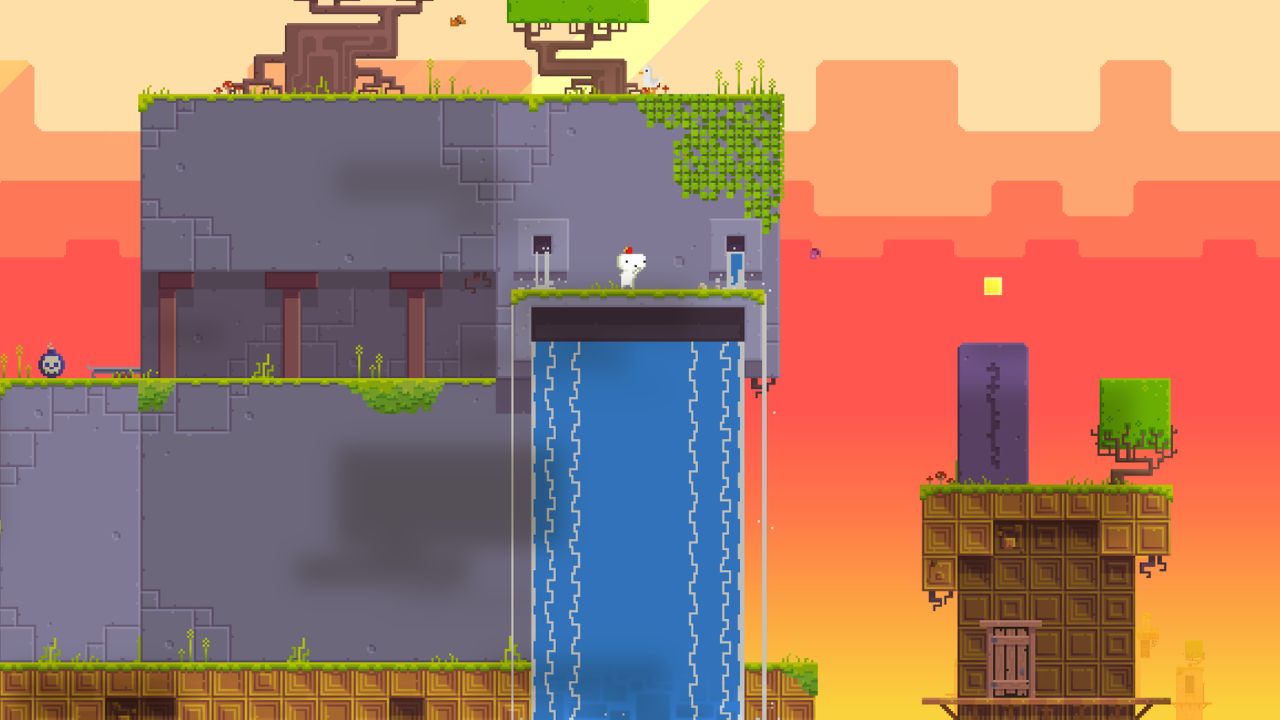

The indie gaming world continues to surprise players with bold creativity and unexpected innovation. While major studios often focus on large-scale franchises, independent developers frequently build deeply personal, experimental, and imaginative experiences. Many of these games begin with a focused concept, a small team, and limited funding. Yet through passion, originality, and strong community support, they grow into global successes. Here are 10 different indie games that started with small ideas and achieved remarkable impact.
1. Hades
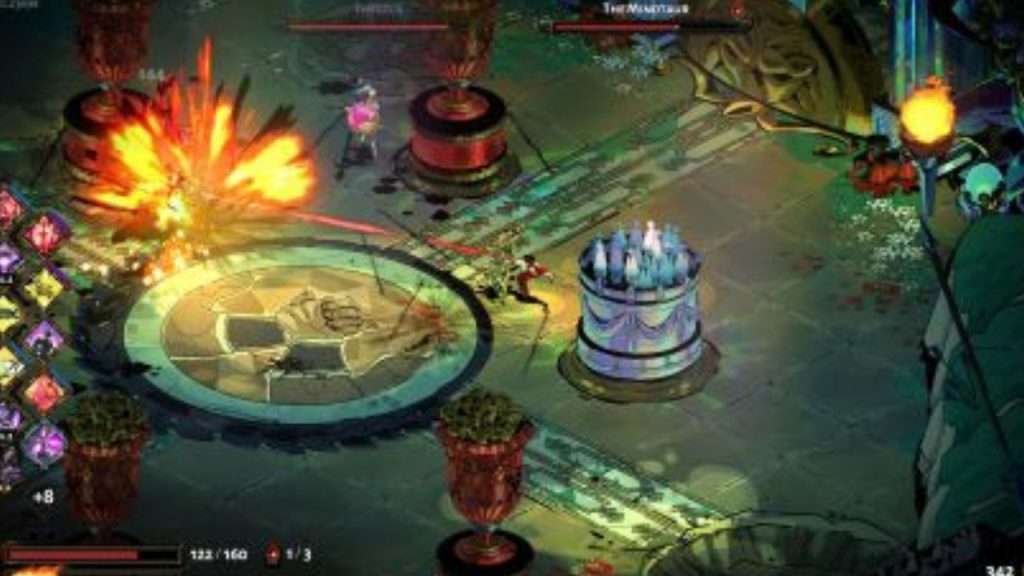
Hades began as a focused roguelike action game centered around Greek mythology. Developed by a relatively small team at Supergiant Games, it combined fast-paced combat with a strong narrative structure that evolved after every run. Instead of resetting progress completely after failure, the game used each defeat as a storytelling opportunity. Characters remembered past attempts, conversations changed over time, and relationships deepened naturally. This clever narrative loop made repetition feel meaningful rather than frustrating. Its stylish art direction, responsive combat system, and emotional character writing helped it reach both critics and mainstream audiences. What started as a tightly designed dungeon crawler became one of the most awarded indie games of its generation.
2. Journey
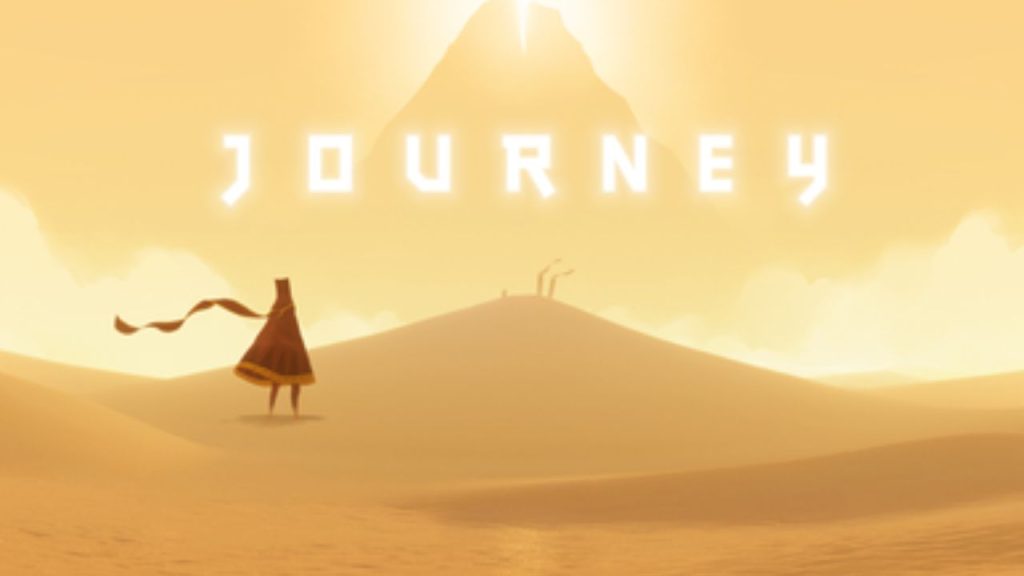
Journey was built around a simple concept: travel across a vast desert toward a distant mountain. There were no traditional voice chats, no complex tutorials, and no direct instructions guiding players step by step. The most unique feature was its anonymous multiplayer system. Players could encounter strangers online without knowing their identities, communicating only through musical chimes and movement. This design created surprisingly emotional and memorable connections. Its minimalist storytelling, breathtaking soundtrack, and striking visual design proved that games could deliver powerful emotional experiences without heavy dialogue or complicated mechanics. It became a landmark title in artistic game design.
3. The Binding of Isaac
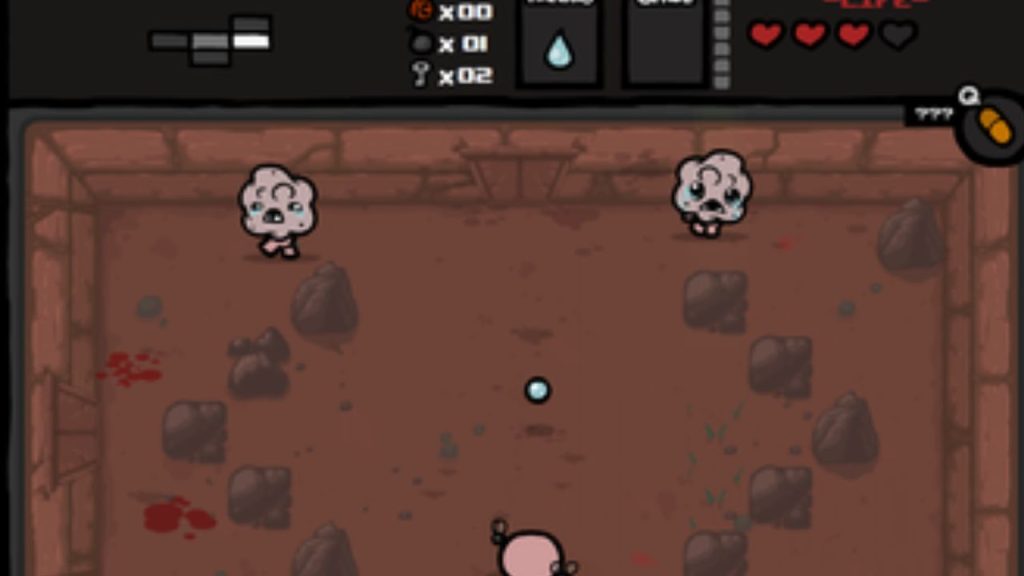
The Binding of Isaac started as a dark, experimental project inspired by classic dungeon crawlers. Its small development scope focused on randomized levels, unusual item combinations, and challenging gameplay loops. Each playthrough generated new rooms, enemies, and power-ups, encouraging players to experiment with unpredictable builds. Thestrange art style and controversial themes made it stand out in a crowded market filled with safer design choices. Over time, expansions added massive amounts of new content, turning a small indie experiment into one of the most influential roguelike titles ever created, inspiring countless developers in the process.
4. Slay the Spire
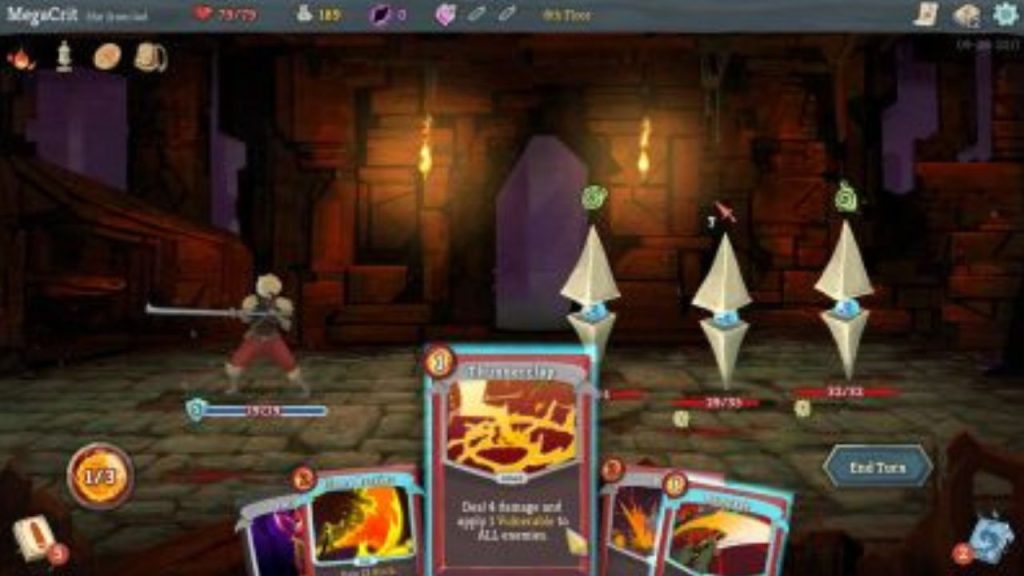
Slay the Spire combined two simple ideas: card games and roguelike progression. Instead of controlling a character directly in combat, players built decks of cards to attack, defend, and create powerful combinations. The brilliance of the design came from its balance and replayability. Every decision mattered, from choosing new cards to selecting branching paths on the map. Small strategic choices often determined the success or failure of an entire run. What began as a niche hybrid experiment quickly grew into a global hit that popularized the deck-building roguelike genre and influenced dozens of later titles across multiple platforms.
5. Inside
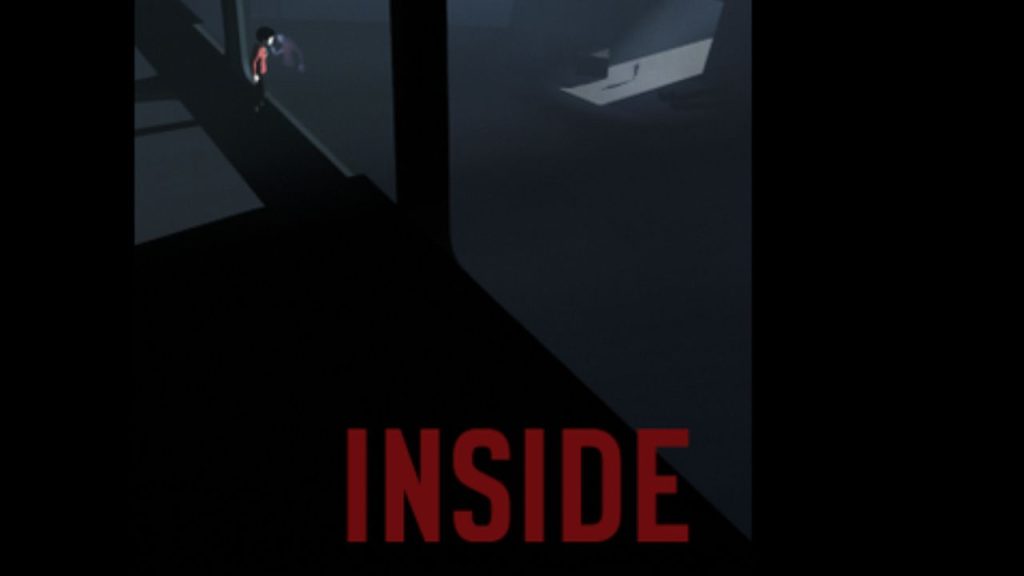
Inside followed a young boy navigating a dark, mysterious world filled with danger and hidden meaning. The gameplay mechanics were simple: run, jump, solve puzzles, and avoid threats. However, the atmosphere carried enormous weight. The game used lighting, environmental storytelling, and subtle animation to create tension without relying on dialogue. Players were left to interpret the meaning of events themselves. Its haunting tone and cinematic presentation demonstrated how minimalist design can create a deeply unsettling and thought-provoking experience that resonates long after completion.
6. Ori and the Blind Forest
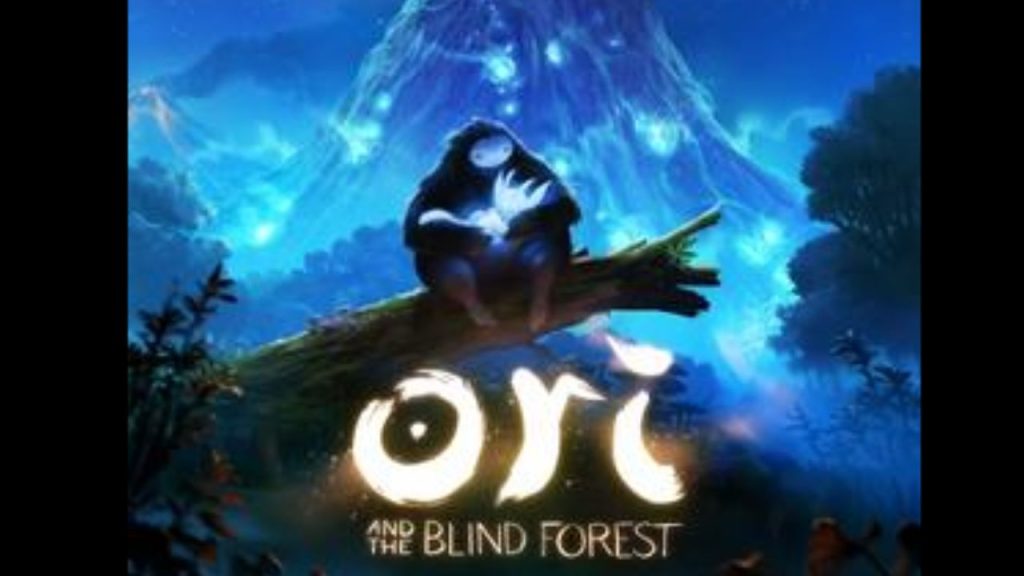
Ori and the Blind Forest began as a visually ambitious platformer inspired by classic side-scrolling adventures. Despite being developed by a relatively small team, it delivered stunning hand-painted visuals and fluid character animation. The gameplay emphasized precision movement, exploration, and emotional storytelling. The bond between characters was conveyed largely through visual cues and music rather than heavy exposition, strengthening player immersion. Its technical polish and heartfelt narrative helped it stand out in a competitive market, proving that indie studios could achieve cinematic quality without massive production budgets.
7. Disco Elysium

Disco Elysium reimagined what a role-playing game could be by focusing almost entirely on dialogue, decision-making, and psychological depth rather than traditional combat systems. Players controlled a deeply flawed detective whose internal thoughts became characters themselves. Skills argued with each other, influencing conversations and shaping outcomes inunpredictable ways. This narrative-first design created one of the most complex and layered storytelling systems ever seen in an indie game. Its literary quality and mature themes earned widespread critical acclaim and numerous awards.
8. Limbo

Limbo was built around stark black-and-white visuals and simple side-scrolling movement. At its core, it was a puzzle-platformer about navigating a dangerous, shadowy world. The lack of dialogue and minimal interface forced players to interpret the story through environment and atmosphere alone. Sudden traps and unexpected hazards created tension through surprise and experimentation. Its distinct visual identity and precise design turned a small independent release into a defining title of early digital indie distribution platforms.
9. Factorio

Factorio started with a focused idea: automate everything. Players landed on an alien planet and gradually built increasingly complex factories to produce resources, tools, and advanced technologies. What seemed like a simple resource-management concept quickly evolved into intricate production chains requiring careful planning and optimization. Efficiency became both a challenge and an obsession for many players. Its depth, modding support, and long development cycle built a loyal community that helped turn the game into a massive success within the simulation and strategy genre.
10. Outer Wilds
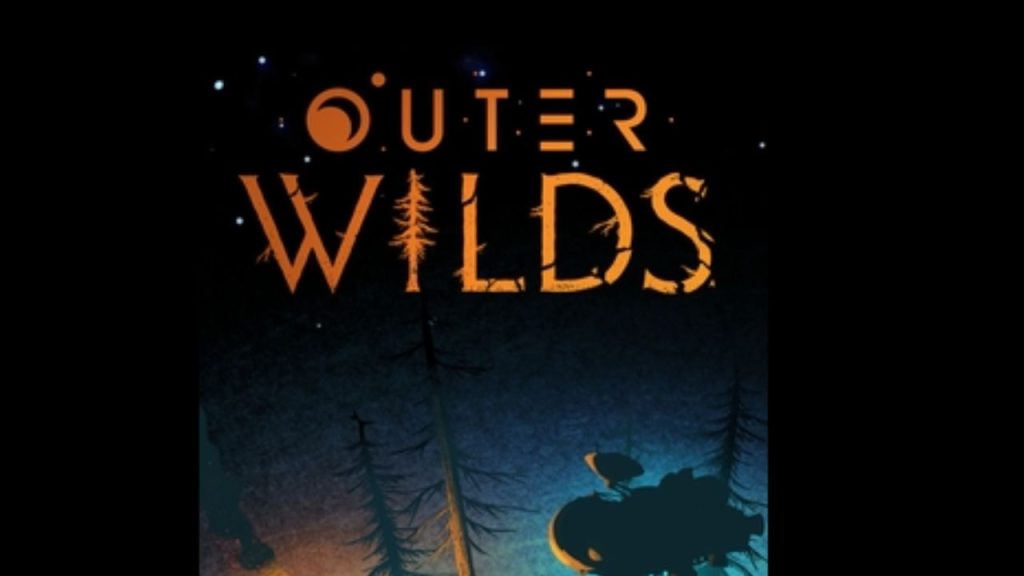
Outer Wilds is centered on exploration within a small solar system trapped in a repeating time loop. Players had no combat abilities and no traditional mission markers guiding their progress. Instead, curiosity drove advancement. Each discovery revealed new information about the universe, encouraging players to connect clues across planets and timelines. Knowledge itself became the primary form of progression. Its innovative structure and emotional ending demonstrated how intelligent design and trust in player curiosity can transform a compact concept into one of the most celebrated indie experiences of the decade.