

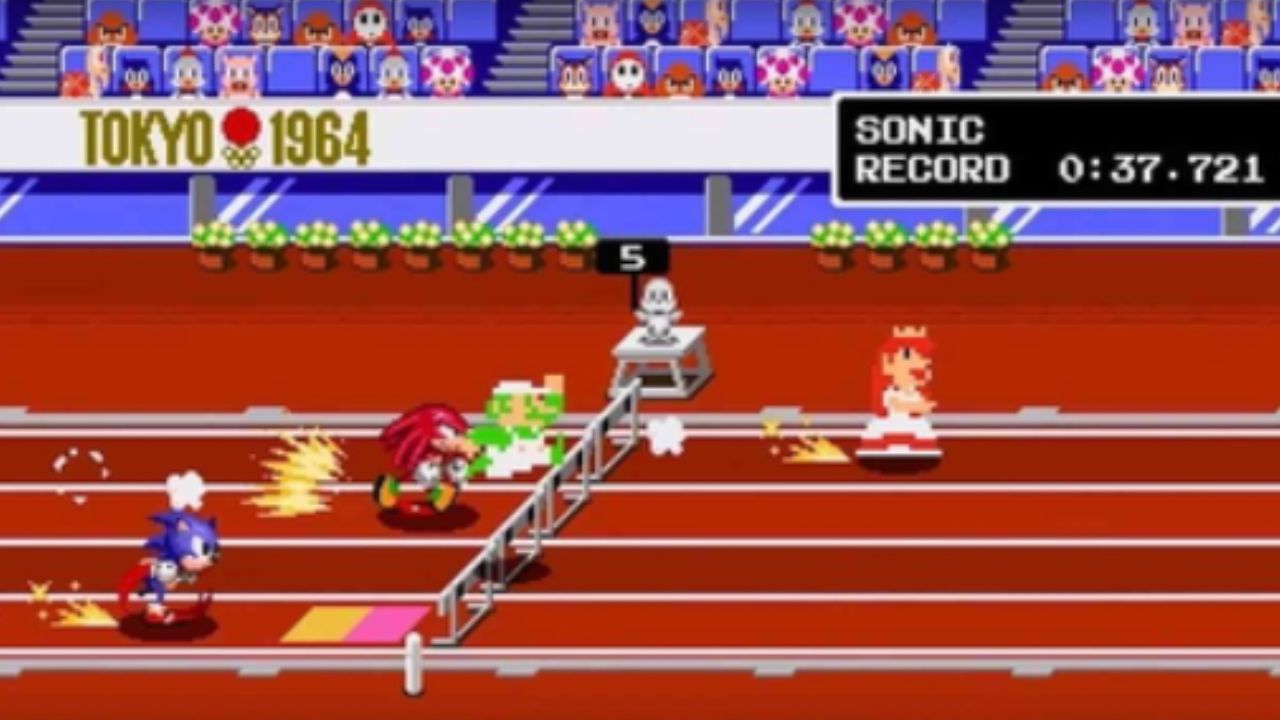

Nintendo’s mascot has stepped onto nearly every playing field imaginable. Over the decades, Mario sports games have built a reputation for blending arcade chaos with accessible gameplay. But not every entry has been universally loved. Some titles experimented too much. Others didn’t experiment enough. And a few launched with less content than fans expected. While these spin-offs often aim to please both casual party players and competitive veterans, striking that balance isn’t easy. When expectations run high, even small changes can spark big debates within the Nintendo community.
1. Mario Tennis: Ultra Smash
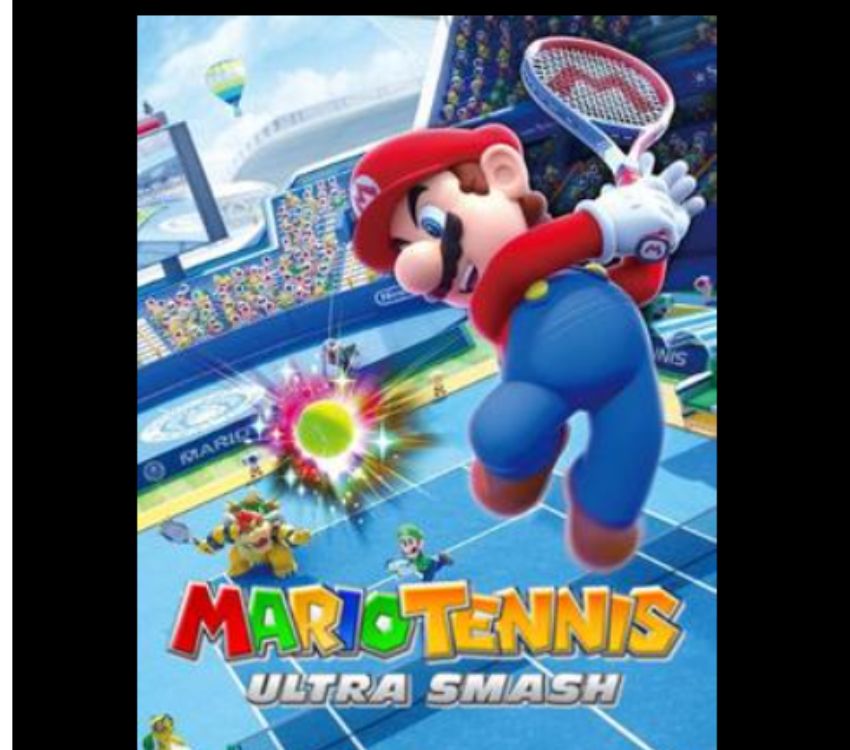
When Mario Tennis: Ultra Smash launched on the Wii U, it immediately faced scrutiny. Previous entries in the series were known for offering substantial single-player modes, tournaments, and creative courts. Ultra Smash, however, arrived with a surprisingly thin package. There were limited modes, a small selection of characters and courts, and no substantial story or campaign mode to anchor the experience. Some players appreciated the smooth visuals and faster pace of gameplay, along with the new “Mega Battle” mechanic that allowed characters to grow giant mid-match. However, many fans felt it lacked the depth and personality of earlier games.
2. Mario Strikers: Battle League
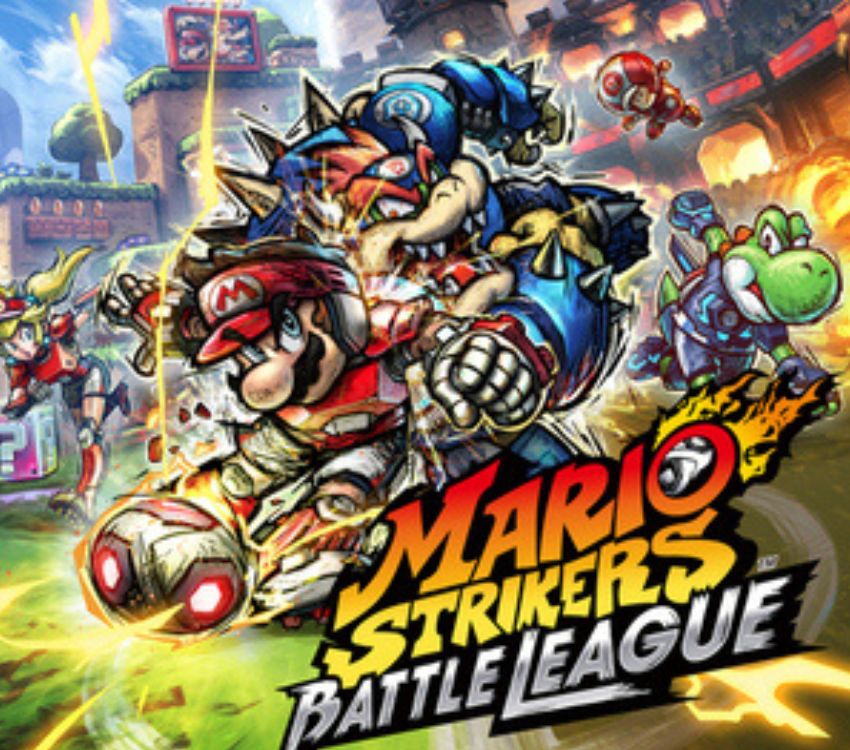
The return of the Mario Strikers series was one of the most anticipated sports revivals on the Nintendo Switch. Battle League delivered tight controls, intense matches, and a heavy emphasis on team strategy through gear customization. The Hyper Strike mechanic added cinematic flair and high-stakes scoring moments that made every match feel explosive. Despite the strong core gameplay, the game launched with a noticeably small roster and limited stadium variety. Many fans were disappointed by the lack of single-player depth and the reliance on online club play. While updates added more characters and features over time, the initial content shortage created a split between players who loved the gameplay.
3. Mario Golf: Super Rush
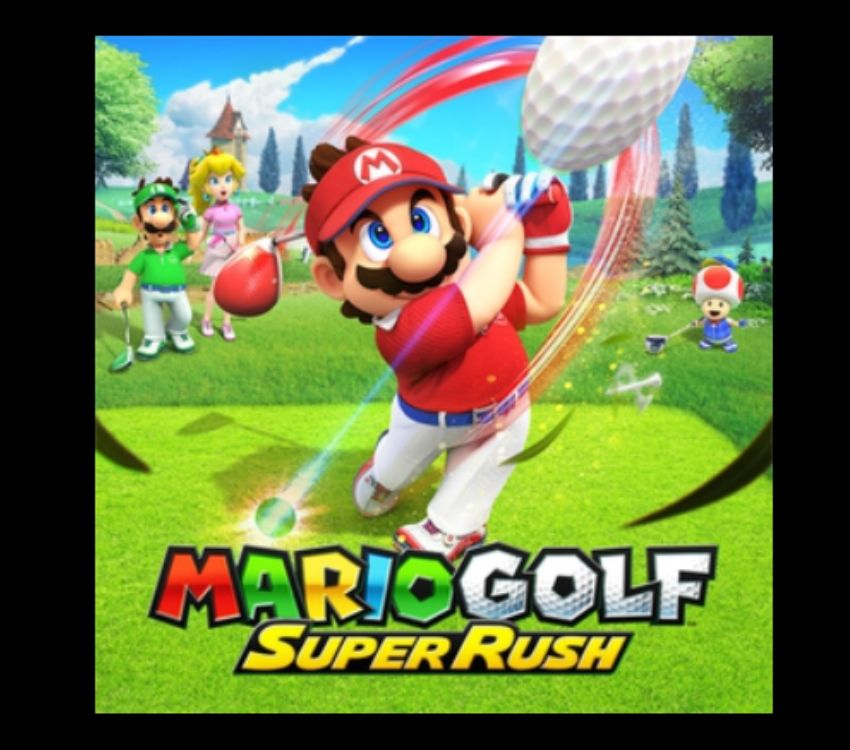
Mario Golf: Super Rush attempted to shake up the traditional golf formula with Speed Golf, a mode where players race to their balls in real time after each shot. This addition injected energy and chaos into what is typically a calm and methodical sport. For some players, it was a refreshing reinvention that made multiplayer sessions far more dynamic. However, others felt that the game sacrificed depth in traditional modes. The adventure mode, which many hoped would expand on the RPG-style progression of earlier titles, felt underdeveloped. Course variety at launch was also criticized.
4. Mario Tennis: Aces
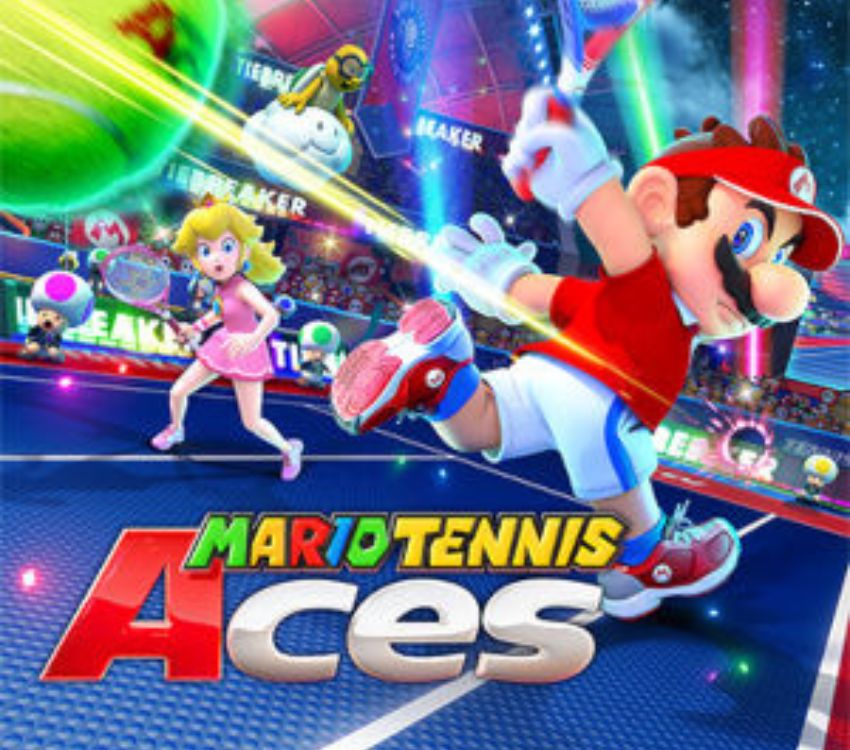
After the disappointment of Ultra Smash, Mario Tennis: Aces was seen as a course correction. It introduced a story mode and added complex mechanics like Zone Shots, Special Shots, and racket durability. These systems gave matches strategic depth and encouraged competitive play at a higher level than many previous entries. For some players, these additions were a welcome layer of strategy that revitalized the series. Others found the mechanics overwhelming or unbalanced, especially in online matches at launch. Casual players sometimes felt the energy meter system disrupted the simple pick-up-and-play fun that defined older titles.
5. Mario Sports Mix
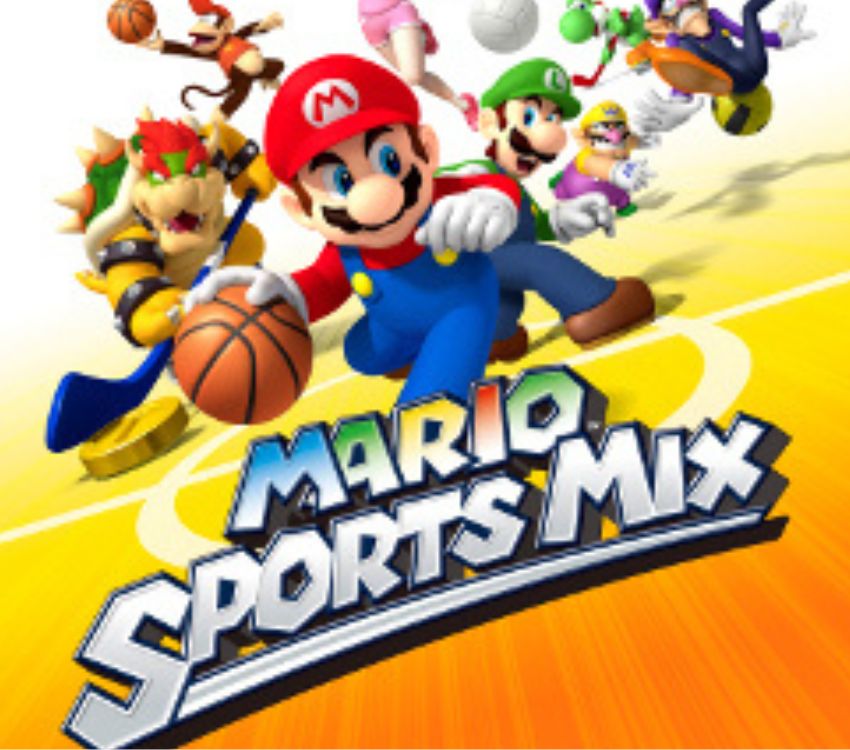
Mario Sports Mix bundled together basketball, volleyball, hockey, and dodgeball into one package for the Wii. On paper, it seemed like the ultimate party game. It delivered colorful arenas, over-the-top special moves, and even crossover characters from Square Enix franchises, which was a surprising twist for Nintendo fans. However, while the variety was appreciated, the depth of each sport was often questioned. Many players felt that none of the games were fully fleshed out, leaving the overall experience feeling shallow. For casual multiplayer gatherings, it worked well. But for players seeking long-term engagement or mastery, it lacked staying power, leading to mixed opinions about its legacy.
6. Mario & Sonic Tokyo
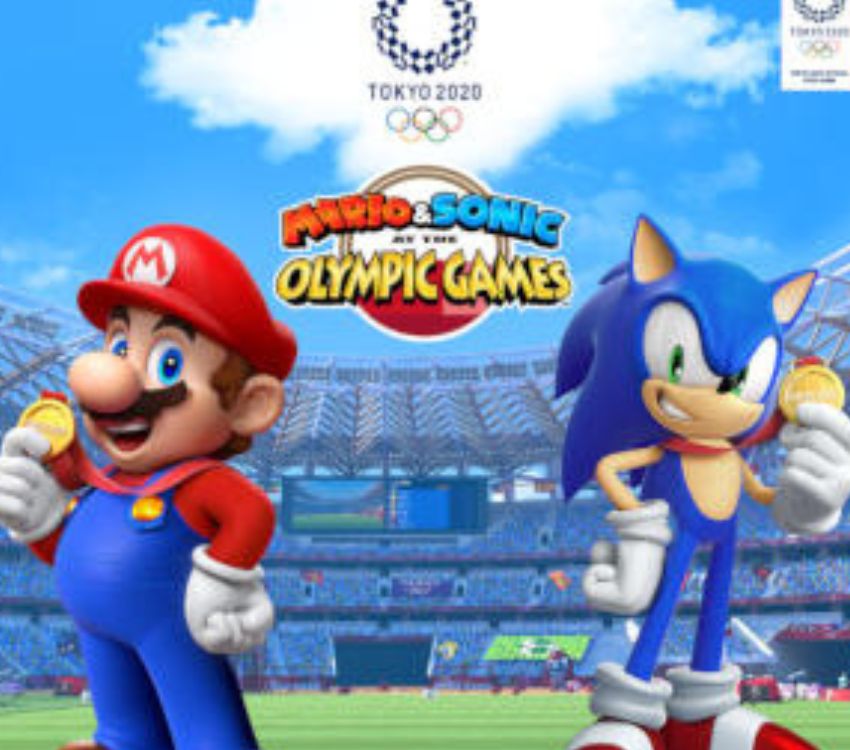
The Olympic crossover series has always leaned toward accessible party-style events rather than deep sports simulation. The Tokyo 2020 edition introduced a unique feature: retro-inspired 2D events styled after the 1964 Tokyo Olympics. This nostalgic addition was widely praised for its creativity and charm. At the same time, many players felt the event-based structure grew repetitive quickly. Motion controls and simplified mechanics didn’t offer much long-term depth for solo players. While families and casual fans appreciated the variety and presentation, competitive-minded players found it lacking substance. The result was a game celebrated for its creativity but criticized for its longevity.
7. Mario Hoops 3-on-3
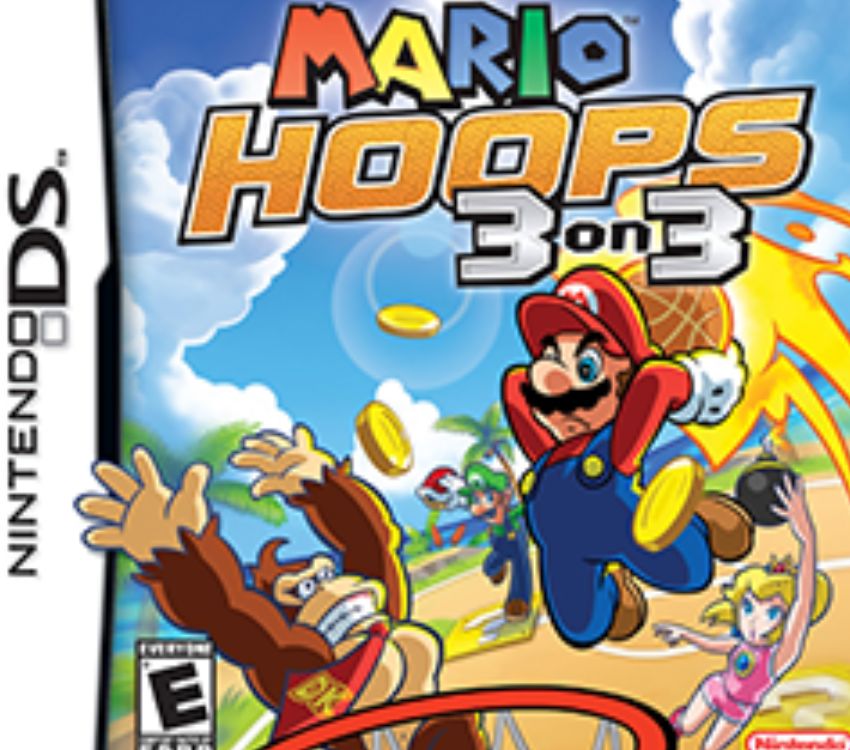
Developed by Square Enix, Mario Hoops 3-on-3 stood out for its stylus-based control scheme on the Nintendo DS. Players dribbled, passed, and shot using touchscreen gestures, which made it feel innovative at the time. The inclusion of Square Enix characters also gave it a unique crossover appeal. Yet the stylus-heavy gameplay proved polarizing. Some players loved the tactile control and fresh approach, while others found it awkward and tiring over extended sessions. The unconventional mechanics made it memorable, but they also limited its accessibility. It remains one of the more experimental and debated Mario sports entries.
8. Mario Superstar Baseball
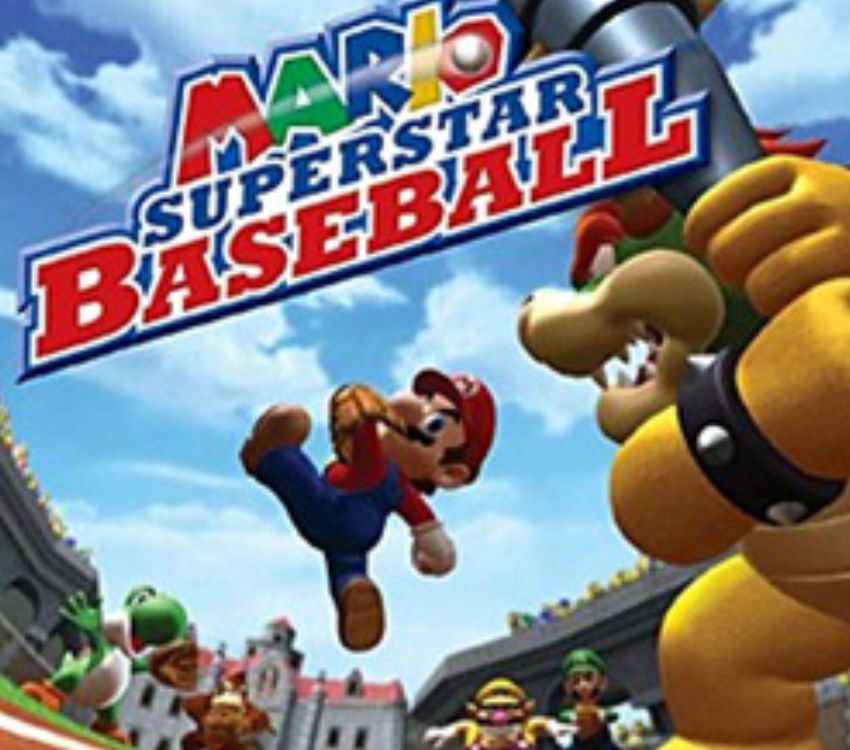
Mario Superstar Baseball is often remembered fondly today, but its launch reception was more mixed. The game introduced deep mechanics and heavy emphasis on character-specific abilities. Each player had strengths and weaknesses, encouraging strategic team-building and mastery. However, the learning curve was steeper than expected for a Mario title. Casual players sometimes struggled with fielding mechanics and AI difficulty. While competitive fans appreciated the depth, others found it less accessible than anticipated. Over time, it gained cult-classic status, but its initial reception reflected a divided audience.
9. Mario Golf: World Tour
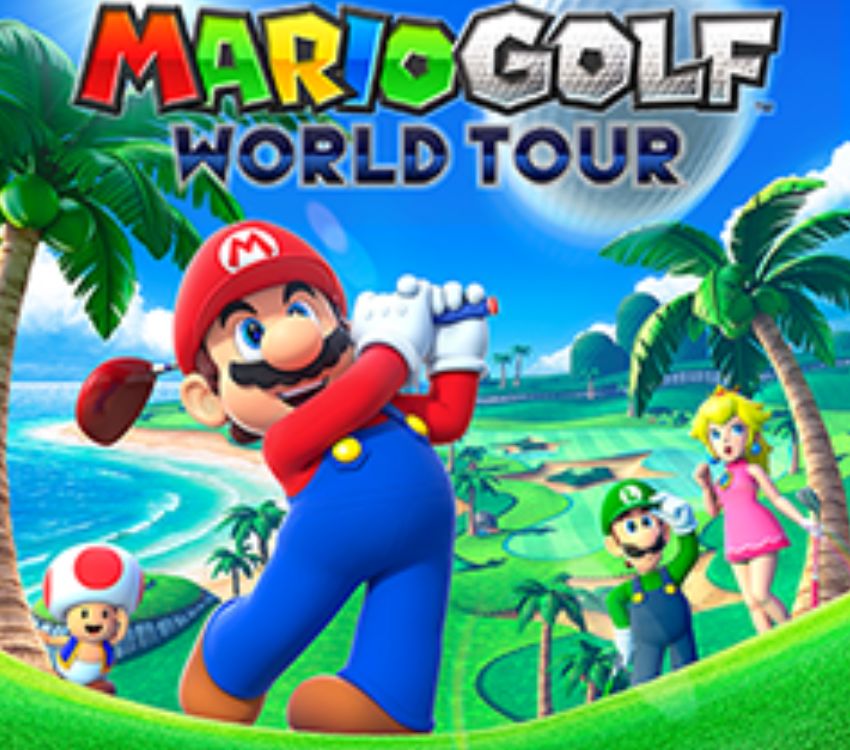
Released on the Nintendo 3DS, Mario Golf: World Tour was praised for its refined swing mechanics and online tournaments. The RPG-style progression and customizable Mii characters added a sense of growth and personalization to the experience. Still, the introduction of paid DLC courses frustrated some fans. While the base game was solid, some felt the content structure signaled a shift toward monetization practices that didn’t sit well with longtime Nintendo players. The gameplay quality was rarely questioned, but the distribution model created debate within the community.
10. Mario Strikers Charged
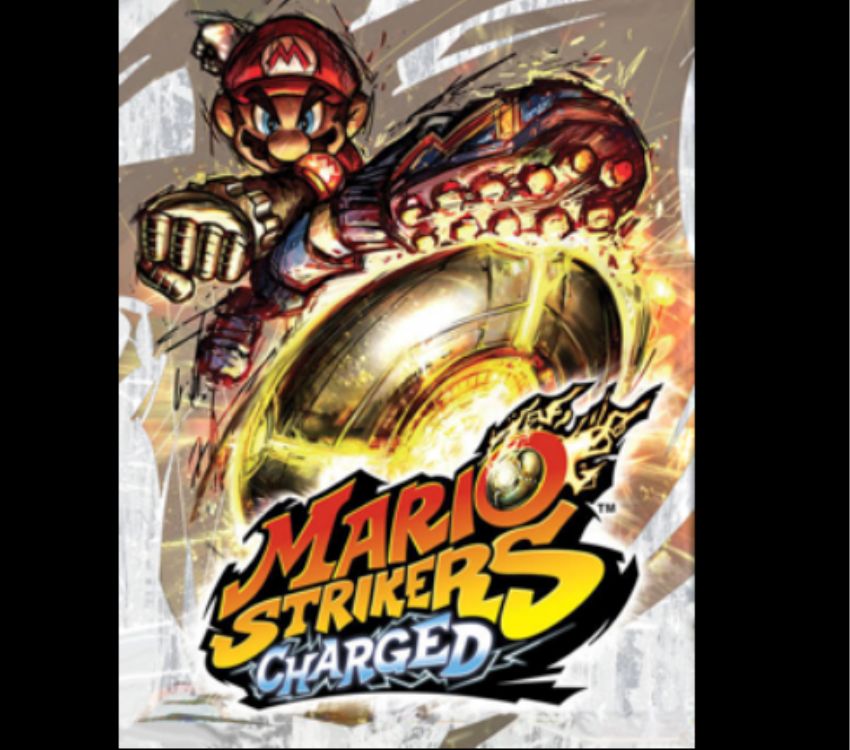
Mario Strikers Charged amplified everything from its predecessor: more aggressive gameplay, electrified stadiums, and dramatic Super Abilities. Its edgy tone and competitive online play helped it stand out from other Mario sports titles at the time. However, that intensity wasn’t for everyone. The chaotic nature of matches and reliance on motion controls for certain actions frustrated some players. Competitive imbalance and the darker aesthetic also felt out of place to fans expecting a lighter Mario experience. For many, it represents the peak of the Strikers series, but for others, it strayed too far from the franchise’s roots.