


The 1990s were a defining era for Nintendo, bringing unforgettable characters, bold experiments, and groundbreaking consoles. But not every game from that decade has aged gracefully. As technology advanced and game design evolved, some titles began to show their limitations, whether through clunky controls, dated graphics, or frustrating mechanics. These games remain nostalgic and important to gaming history, but revisiting them today makes it clear just how far the medium has progressed and continues to grow, shaping new standards for future generations and inspiring modern developers to innovate even further.
1. Star Fox
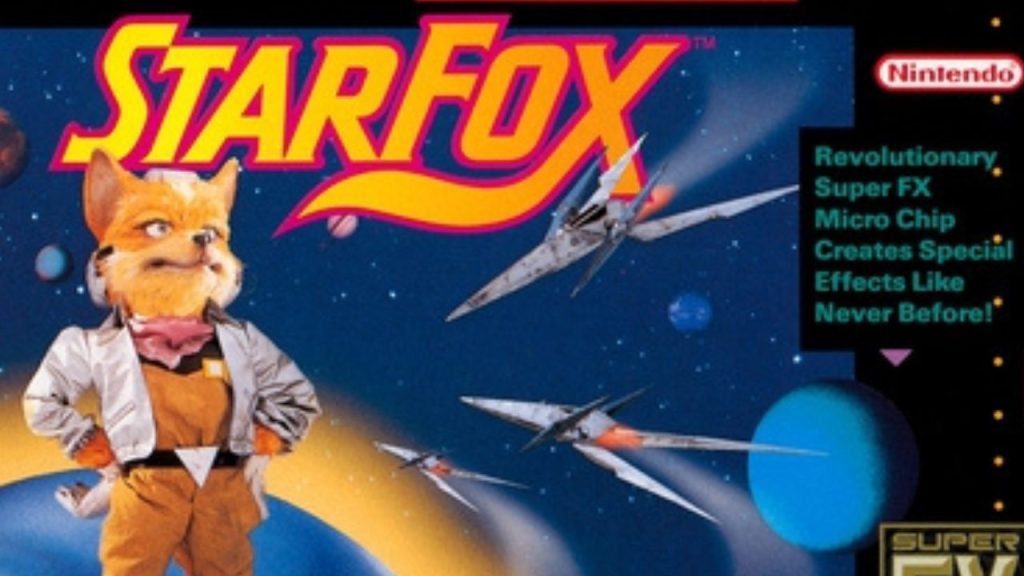
Star Fox made a huge impact in 1993 by introducing 3D polygonal graphics on the SNES through the powerful-for-its-time Super FX chip. While impressive back then, the game struggles heavily by modern standards. Its low frame rate, stiff ship movement, and blocky visuals make the action feel slow and unresponsive. Enemy patterns are simple, environments lack detail, and the overall pacing feels rough. Although the series eventually improved, the original now serves more as a historical milestone than a game many would genuinely enjoy replaying today, especially compared with modern sci-fi shooters!.
2. Donkey Kong 64
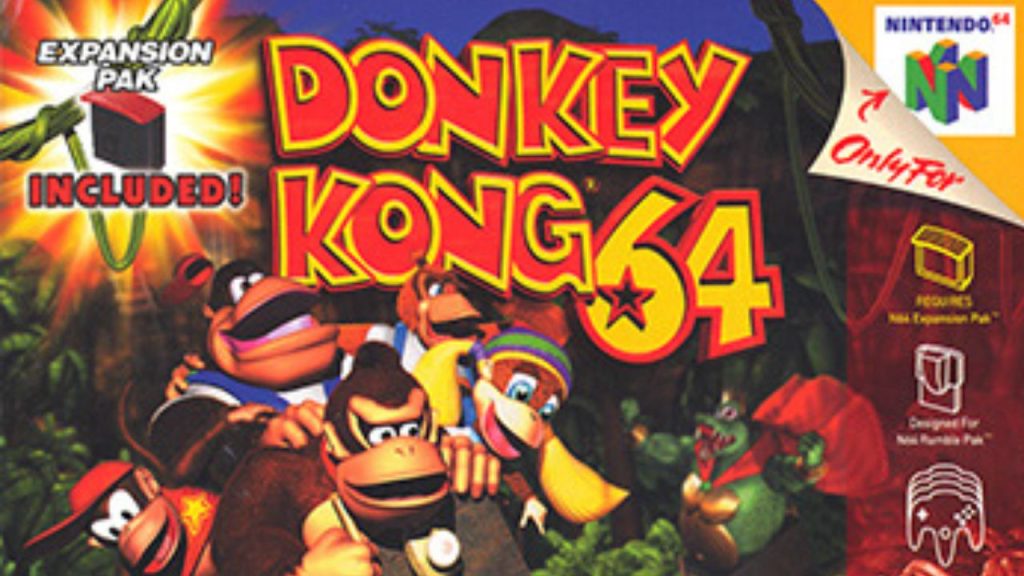
“Donkey Kong 64” aimed to be the ultimate 3D platforming adventure, but its design hasn’t aged gracefully. The game is overloaded with color-coded collectibles, many tied to specific characters, forcing constant backtracking and character swapping. While the worlds are large, they often feel empty, and the repetitive objectives make progression feel slow and tedious. The platforming can be clunky, and the pacing suffers under the sheer number of tasks required. Although it remains nostalgic for some, modern players often find its structure unfocused, unnecessarily bloated, and far less exciting than they remember.
3. Perfect Dark
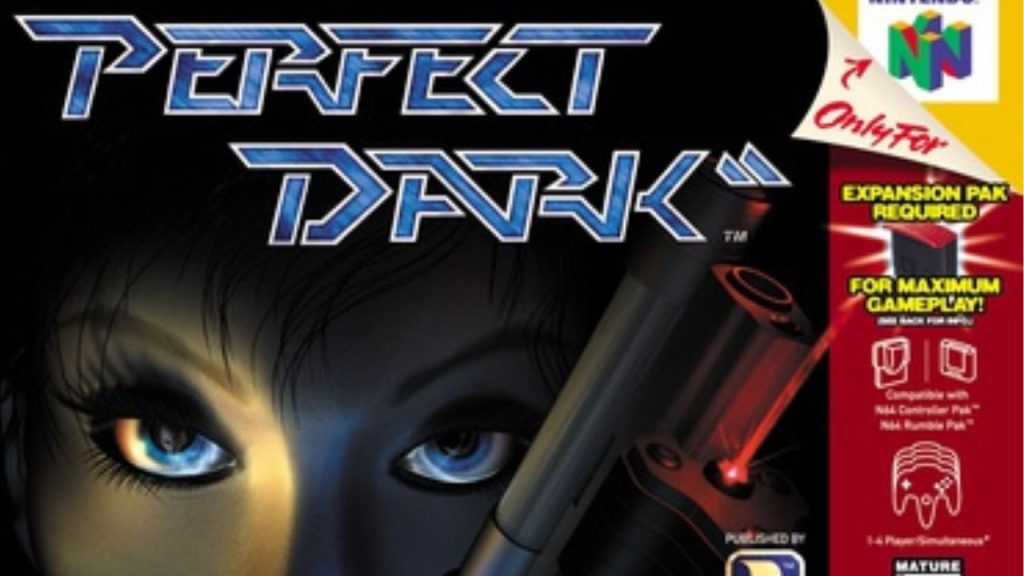
“Perfect Dark” pushed the N64 harder than almost any other game, but that ambition shows its age today. While the ideas were impressive, the hardware simply couldn’t keep up, resulting in heavy frame drops, blurry textures, and controls that feel awkward without modern dual-stick aiming. The once-detailed environments now look muddy, and enemy encounters often suffer from slowdown that disrupts the pacing. Although the remastered version demonstrated how strong the underlying design truly was, the original release feels rough, dated, and far less accessible for new players discovering it now.
4. Quest 64
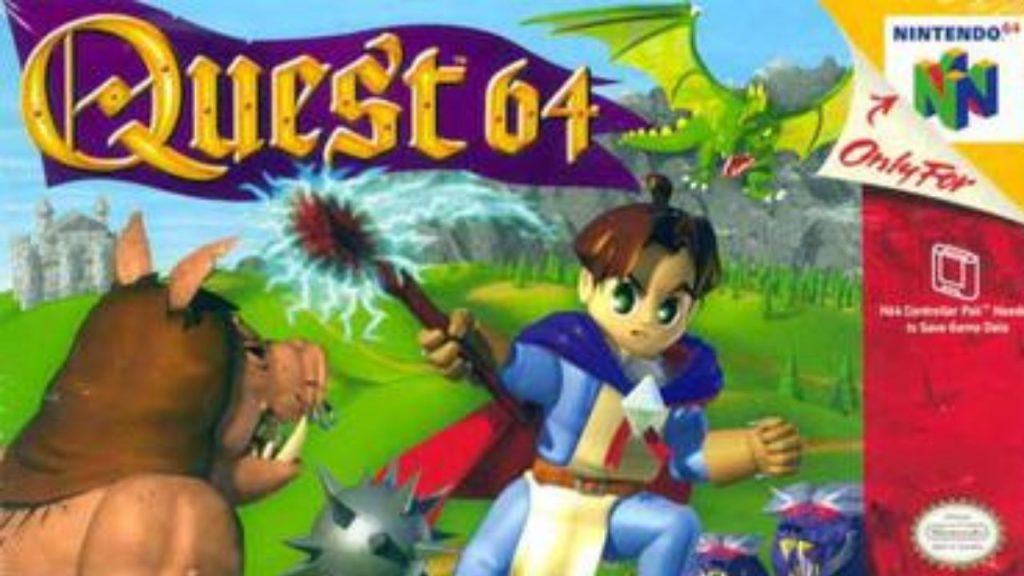
“Quest 64” attempted to bring a full RPG experience to the Nintendo 64, but its simplicity works against it today. The story is thin, characters lack depth, and exploration feels empty due to large, repetitive environments. Combat relies on basic mechanics that quickly become predictable, offering little strategic variety. The leveling system is shallow, progression feels slow, and the world lacks the emotional impact expected from classic RPGs. While the game has a unique charm, it ultimately feels unfinished, leaving modern players wanting far more substance and meaningful engagement throughout the adventure overall.
5. Pilotwings 64
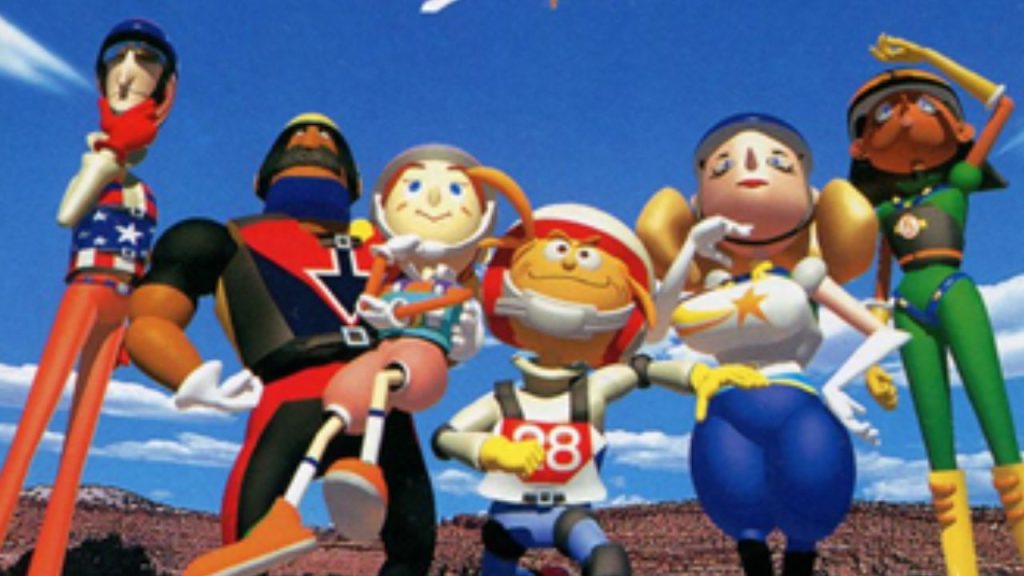
“Pilotwings 64” showcased the N64’s early 3D ability with bright skies and varied flight challenges, yet the experience feels limited today. The controls can be stiff, the missions repeat familiar ideas, and the environments lack detail compared to modern open-air worlds. While the game once impressed players with its smooth sense of height and motion, the sparse landscapes and slow pacing stand out more clearly now. It remains enjoyable for brief nostalgic sessions, but its simple structure and uneven difficulty prevent it from holding long-term appeal for most contemporary audiences.
6. Bubsy’s First Adventure
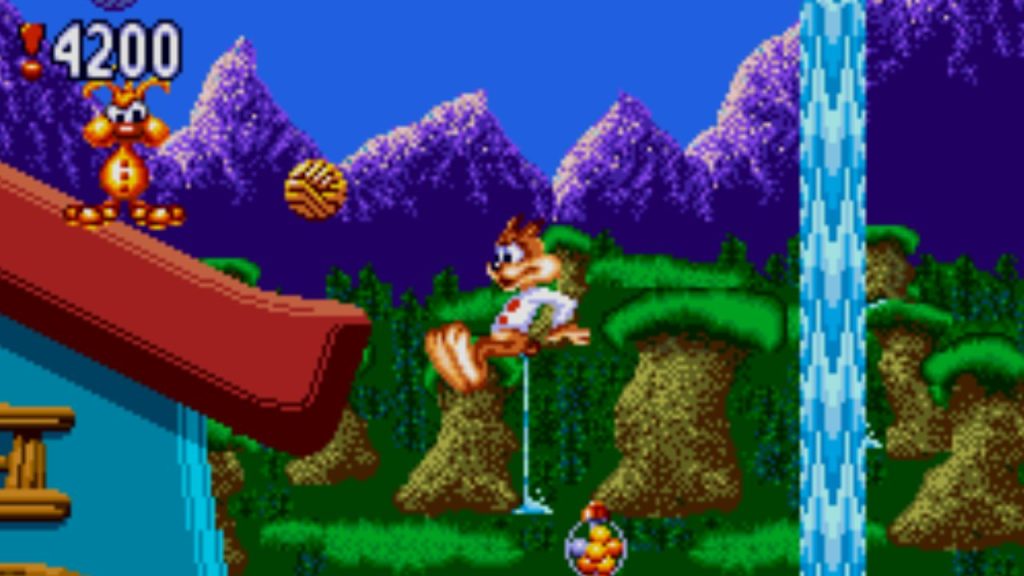
“Bubsy in: Claws Encounters of the Furred Kind” was heavily promoted, yet age has revealed its flaws. The character’s floaty jumps make platforming unreliable, and the unpredictable enemy placement often leads to cheap hits. Levels look colorful but lack clear guidance, creating confusion rather than challenge. Bubsy’s constant voice lines, once marketed as personality, now feel distracting and repetitive. Although it remains a quirky piece of mascot-platformer history, its awkward controls and uneven design leave it struggling to compete with the far more polished classics from the same decade.
7. Mario Party
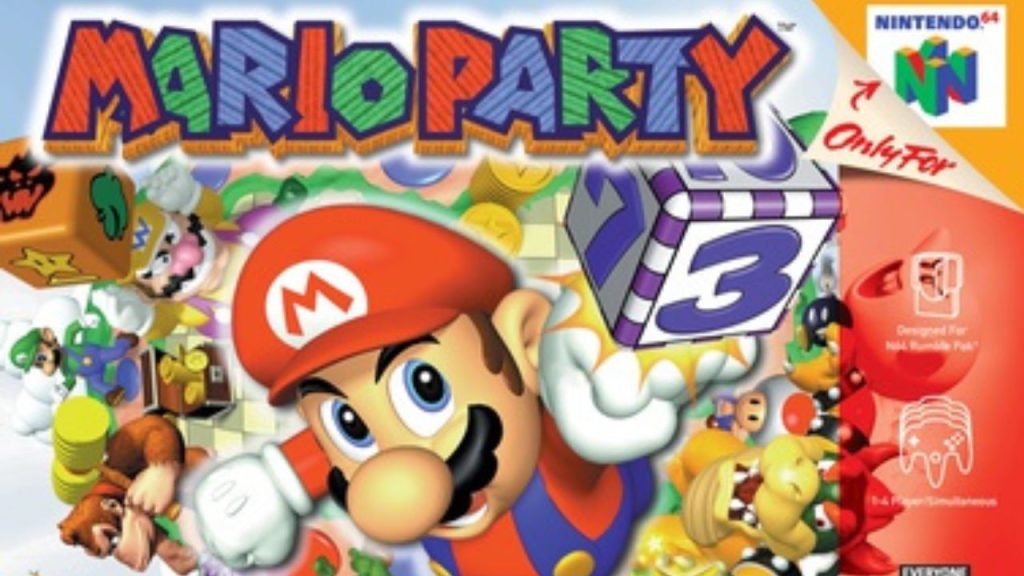
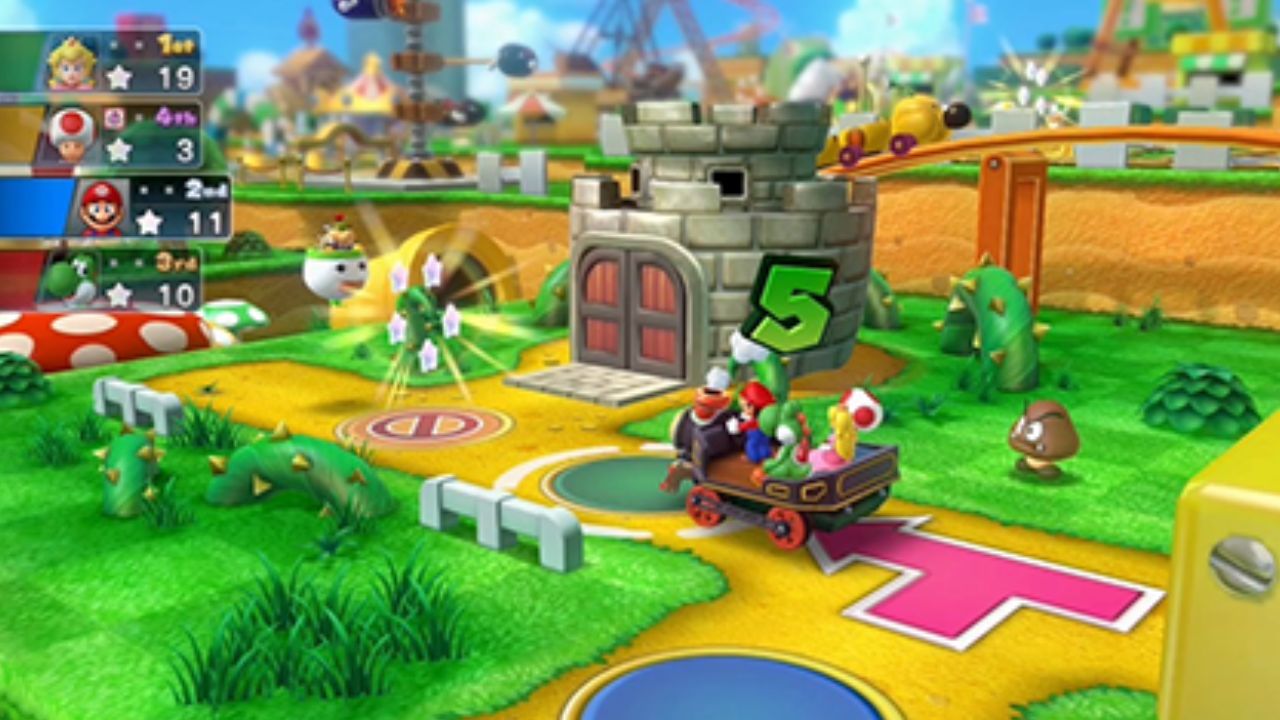
The original “Mario Party” introduced a bright and chaotic new take on multiplayer gaming, yet many of its early design choices feel rough today. Several minigames rely on rapid joystick rotation, a mechanic that often caused discomfort and even led to complaints at the time. The boards can feel unbalanced, pacing between turns is slow, and bonus stars frequently reward luck over skill. While it established a beloved franchise, its foundation lacks the smooth flow, polish, and fairness modern players expect, especially during longer sessions, making it harder for new fans to fully appreciate today.
8. F-Zero
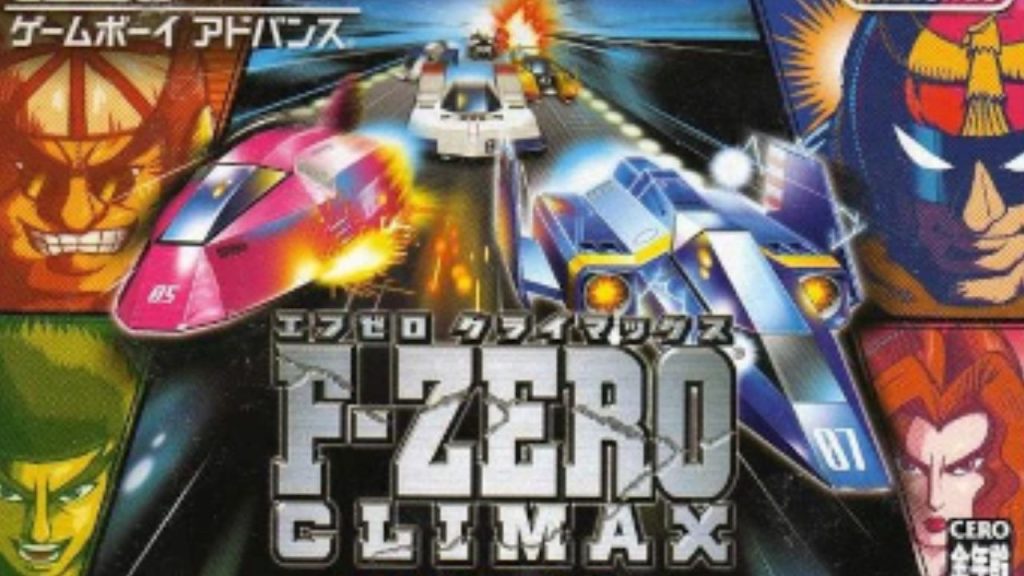
“F-Zero” broke new ground with its Mode 7 racing and fast hovercraft aesthetic, but its limitations are more noticeable now. The game features challenging tracks and high speeds, yet the lack of multiplayer and limited variety reduces its long-term appeal. The difficulty curve can feel unforgiving, and the minimal collision feedback makes races feel harsher than intended. Although its soundtrack remains iconic, the overall package feels sparse compared to modern racers that deliver deeper mechanics, smoother handling, and more content to explore, making the original feel more like a prototype than a full experience.
9. Wave Race 64
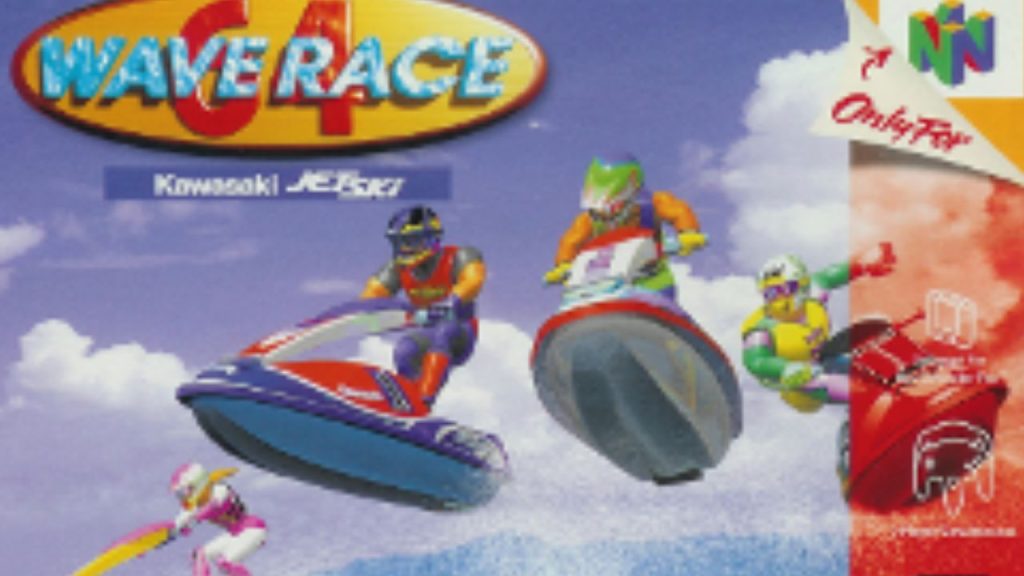
“Wave Race 64” was once praised for its impressive water physics and smooth jet-ski racing, but today its limitations are much easier to notice. The game’s content is fairly sparse, with only a handful of tracks and modes, and the controls can feel stiff compared to modern racers with more responsive handling. While the water effects were groundbreaking for the era, they no longer carry the same wow factor, and the repetitive structure stands out more clearly. It remains a nostalgic showcase of early 3D physics but lacks the depth, replay value, and long-term engagement found in newer racing titles that offer richer variety.
10. Earthworm Jim 3D
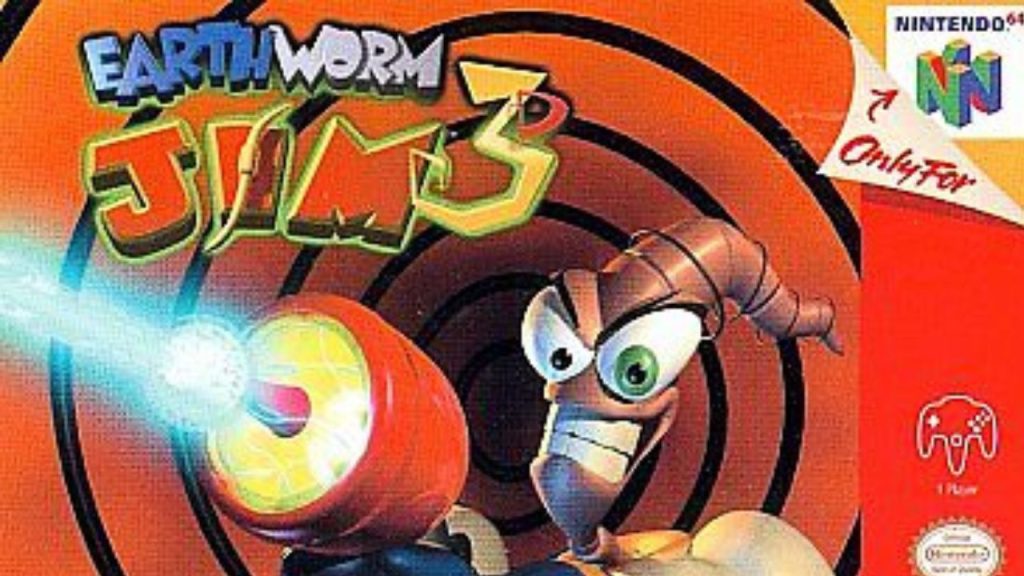
“Earthworm Jim 3D” attempted to bring the franchise’s quirky humor into the 3D era, but the transition was far from smooth. The camera is notoriously frustrating, often fighting the player more than helping, and the level design feels inconsistent and unfocused. Much of the charm from the original 2D games is lost, replaced with clunky movement, bland environments, and humor that doesn’t land as well today. While the character remains iconic, this entry is widely seen as a misstep that struggled to adapt to new hardware, leaving it feeling outdated, awkward, and noticeably lacking the creative spark fans expected.