

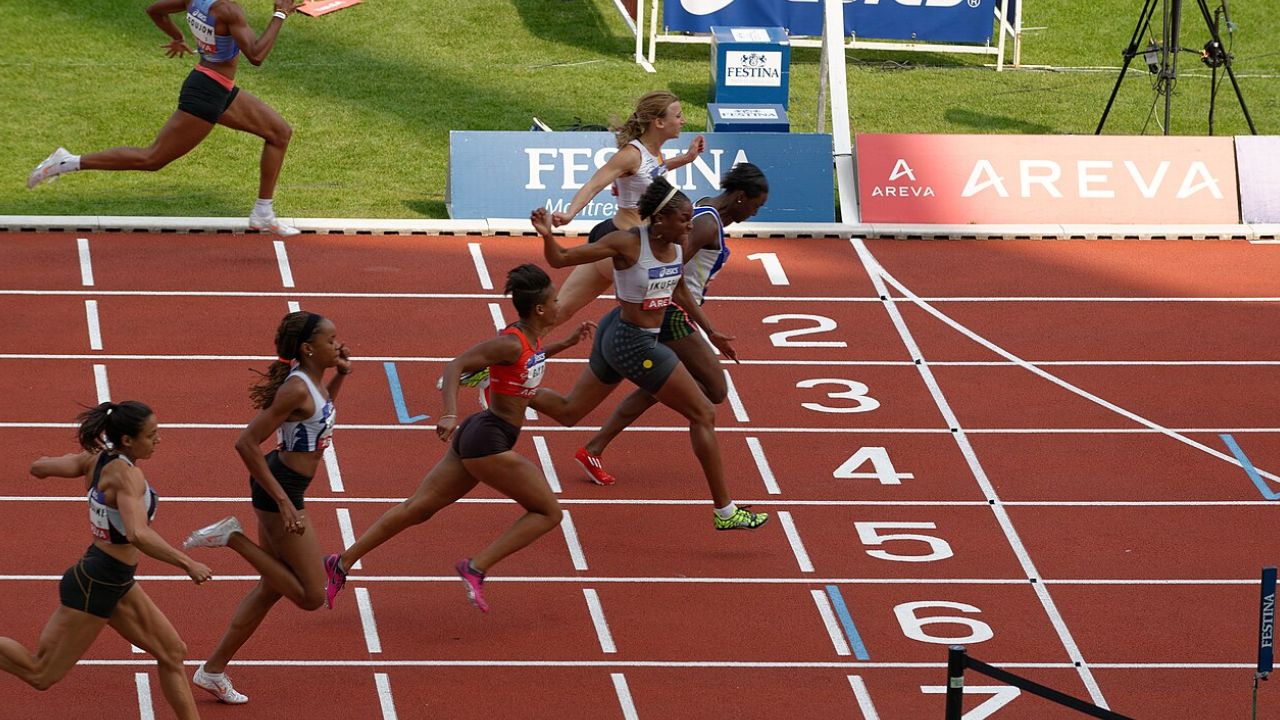

Esports is no longer a niche industry watched only by dedicated gamers. It has grown into a major business opportunity, attracting attention from professional athletes who understand competition, branding, and long-term investment value. From NBA legends to football stars and F1 drivers, many athletes are quietly backing esports teams and organizations, helping shape the future of digital sports while expanding their influence beyond the field, court, or track.
1) Steph Curry
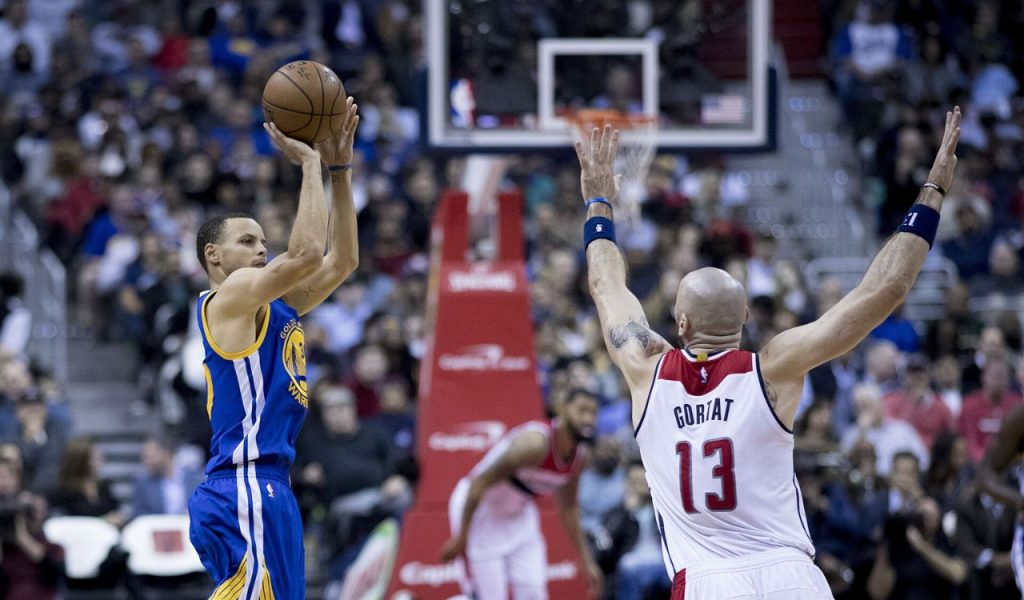
Steph Curry is famous for changing basketball with his shooting, but he is also making smart moves off the court. He joined an investment group with Andre Iguodala to back TSM, one of the biggest esports organizations. That move showed Curry was not just casually interested in gaming. He saw esports as a growing business with real long-term potential. His involvement also helped more traditional sports fans and investors pay attention to esports, giving the industry extra credibility and showing that top athletes saw value in it early on, even before many others did. It helped prove the point.
2) Kevin Durant
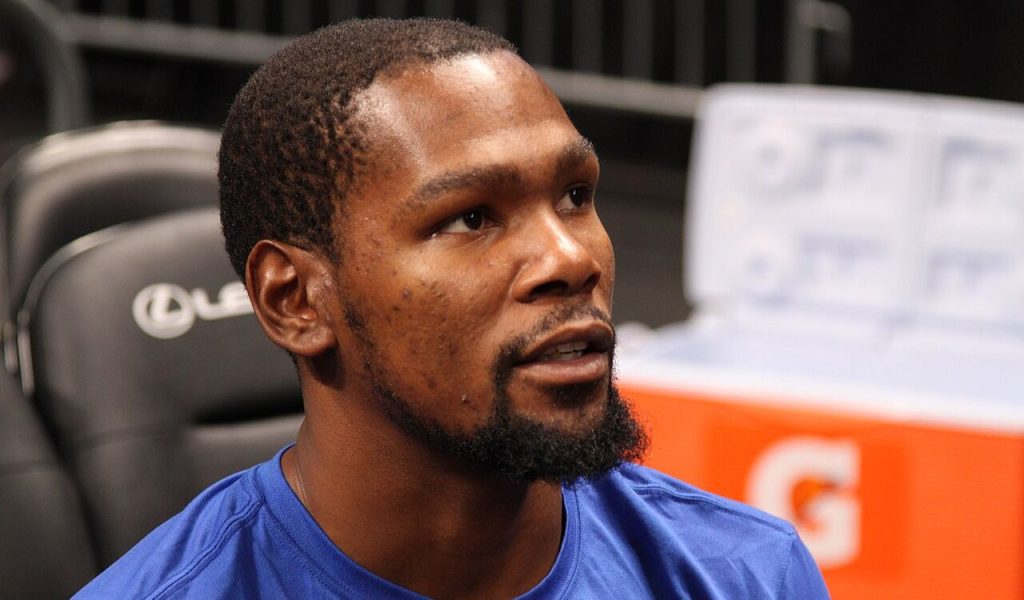
Kevin Durant is not only a basketball superstar, but also one of the most active athlete-investors in modern sports. Through his company, 35 Ventures, he has backed several businesses, including esports-related ventures such as Vision Esports. Durant’s approach shows that he sees esports as more than a trend. He understands its link to media, youth culture, and digital entertainment. His investment helped highlight esports as a serious growth space and showed that elite athletes were willing to support the industry with real money and long-term business thinking, not just public interest.
3) Shaquille O’Neal
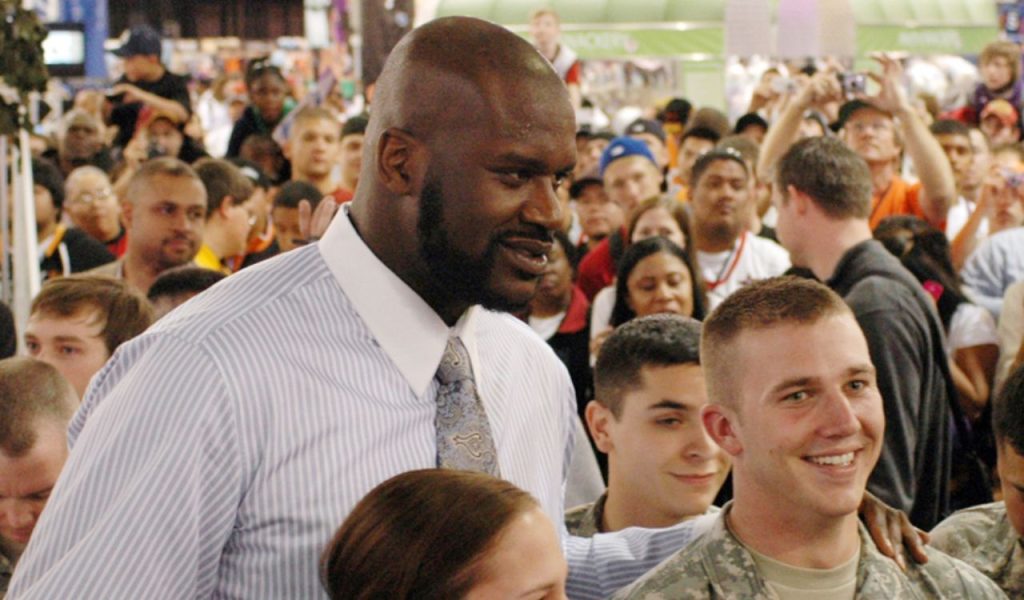
Shaquille O’Neal has built a huge presence in business and entertainment, and esports is one of the spaces he entered early. He has been linked to NRG Esports, a major organization with teams in multiple games. Shaq brings more than investment capital. He brings star power, brand value, and strong media appeal. In esports, where community and visibility matter a lot, that kind of support is powerful. His involvement helped introduce esports to wider audiences and showed that major sports icons saw real value in competitive gaming as a business opportunity.
4) David Beckham
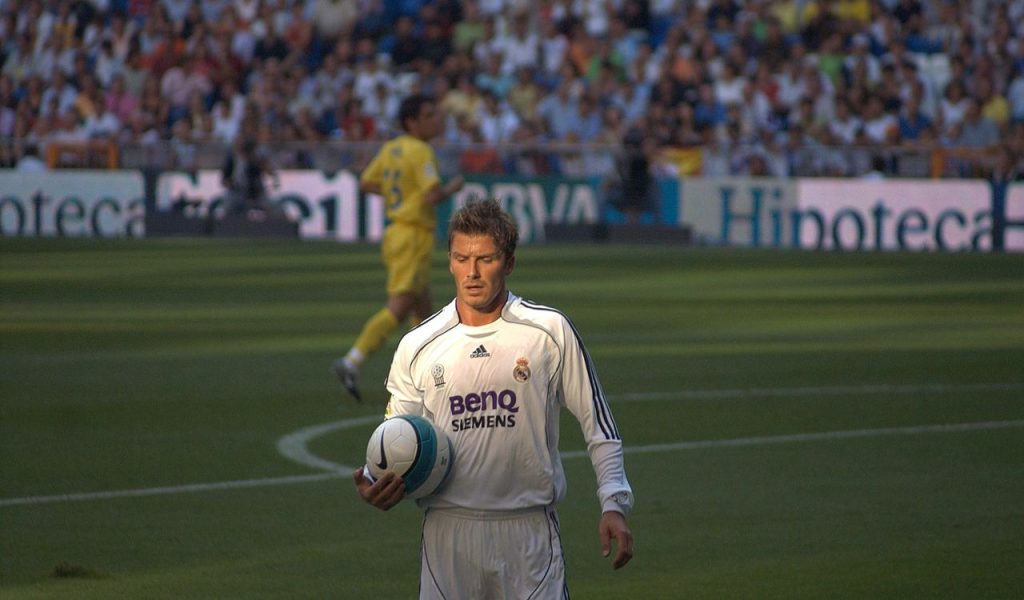
David Beckham has always been more than a football star, so his move into esports made perfect sense. He became a key public face and co-owner linked to Guild Esports, a London-based organization aimed at younger digital audiences. Beckham’s involvement brought instant media attention and helped Guild stand out in a crowded market. It also showed that globally known athletes were starting to treat esports as a serious investment category. His presence helped connect traditional sports fans with esports and gave the organization extra credibility from the start.
5) Sergio Agüero
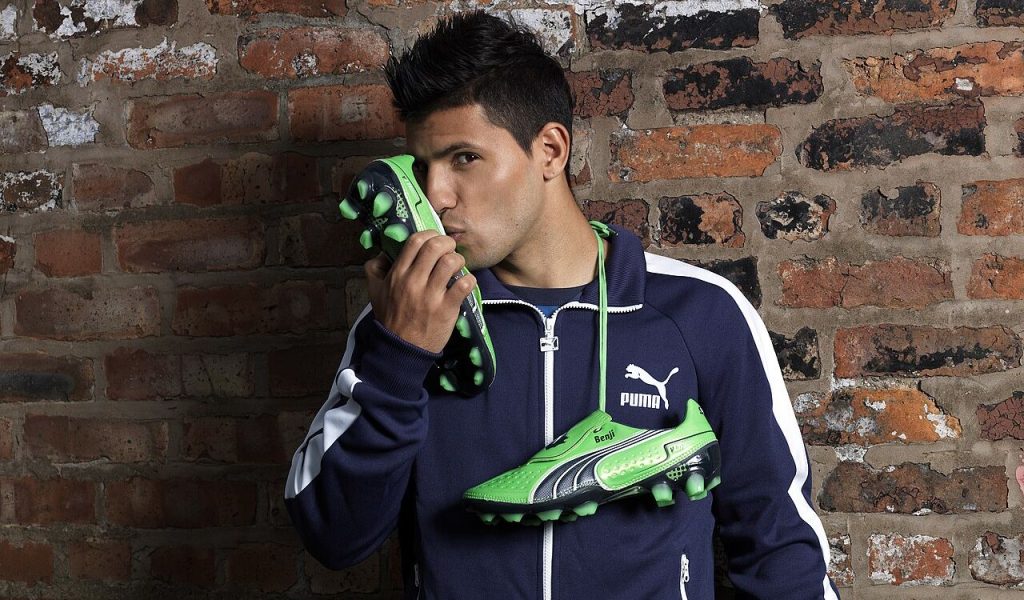
Sergio Agüero took a direct and ambitious step into esports by founding KRU Esports instead of simply investing in an existing team. That decision showed a deeper level of commitment to the industry. KRU Esports has become a recognized name, especially in Latin America, competing in titles like VALORANT and FIFA. Agüero used his football fame to build a brand that feels connected to real fans, not just investors. His move proves that athletes can do more than fund esports teams. They can help create and grow them from the ground up.
6) Michael Jordan
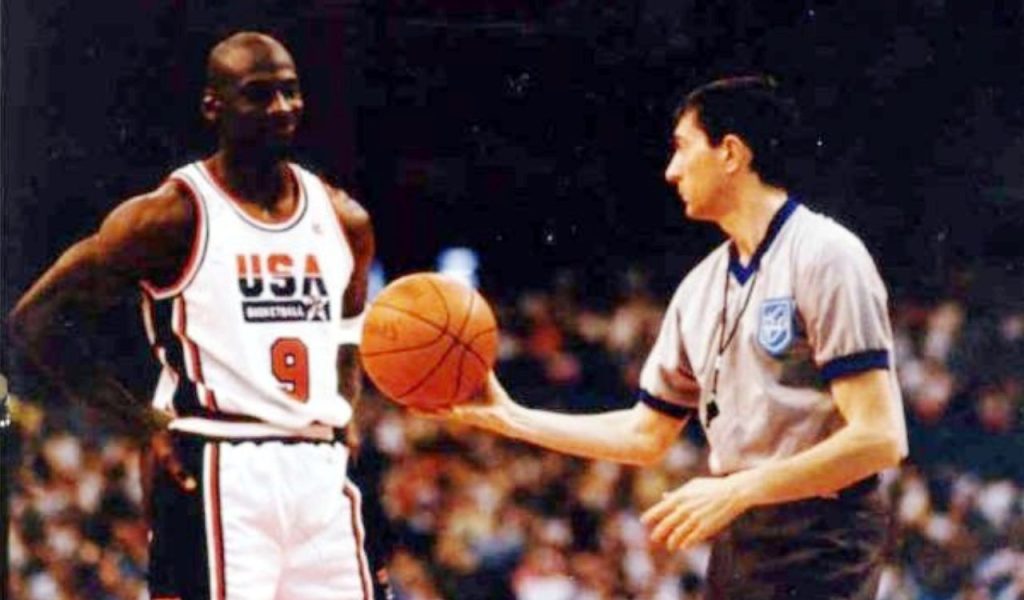
Michael Jordan is known for being selective in business, which is why his esports investment drew attention. He invested in aXiomatic, the parent company tied to Team Liquid, one of the most respected esports organizations in the world. Jordan’s move was important because it signaled confidence in esports as a serious business with long-term potential. When a figure like Jordan backs an industry, people pay attention. His investment helped strengthen esports’ reputation and showed that top athletes were starting to view competitive gaming as a credible investment space.
7) Jesse Lingard
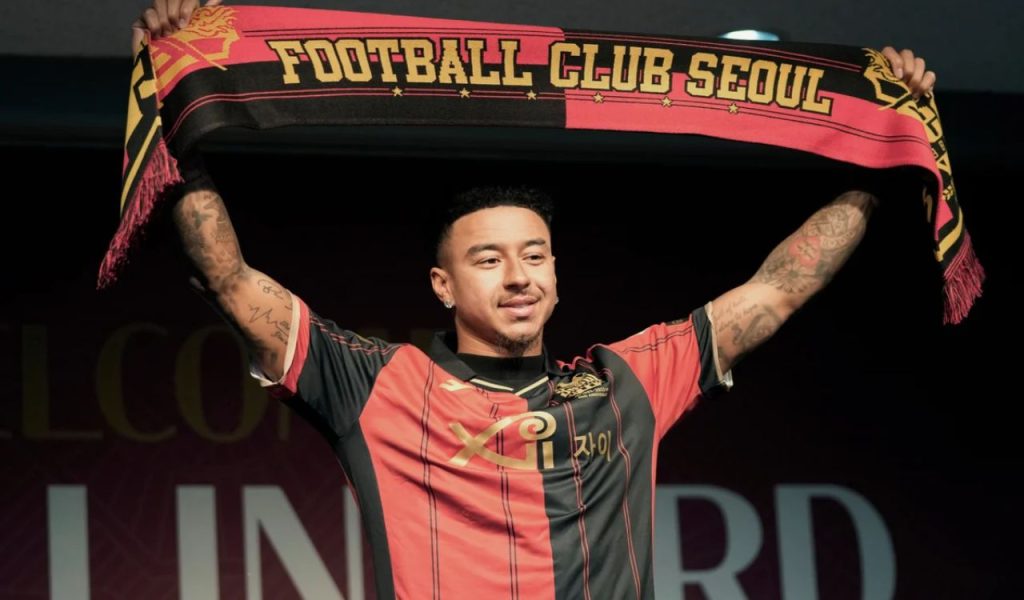
Jesse Lingard entered esports in a hands-on way by acquiring and rebranding an organization as JLINGZ Esports. This was more than a simple investment. It was a smart brand extension that linked his football identity with gaming culture. JLINGZ Esports has competed in titles such as FIFA and Rainbow Six Siege, helping it connect with both sports fans and gaming audiences. Lingard’s move reflects how younger athletes often understand gaming communities naturally. He showed that esports can be a real business lane for athletes who want to build something beyond sports.
8) Lando Norris
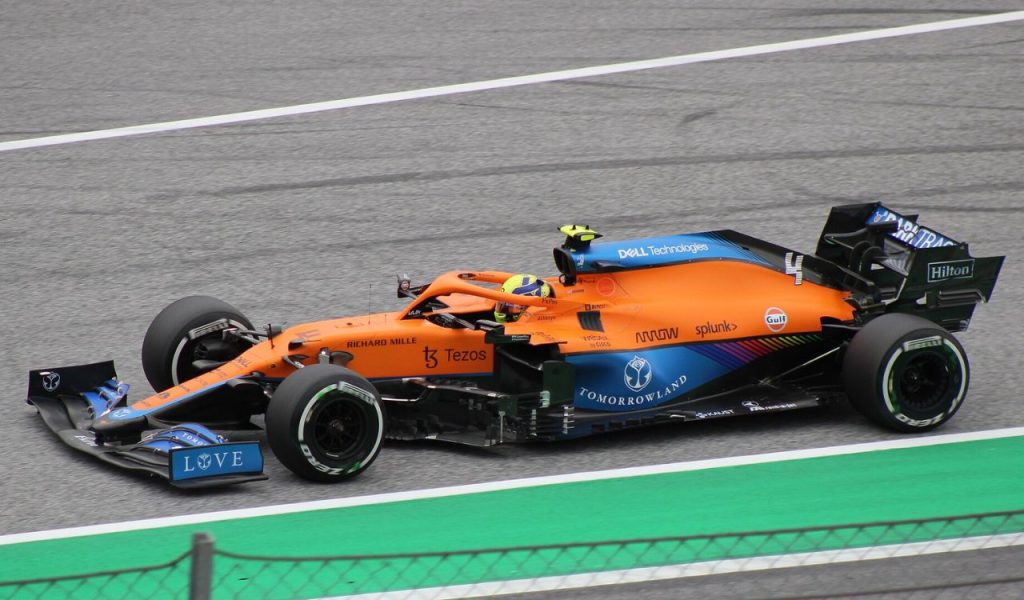
Lando Norris is a strong example of the modern athlete who naturally fits into gaming and esports culture. As a Formula 1 driver, he already had a strong connection to sim racing and online gaming, and he built on that by launching Quadrant. The brand mixes esports, content creation, and lifestyle branding, which makes it different from a traditional team-only model. Norris understands that modern esports is also about community and media reach. His move shows smart thinking and proves athletes can build brands that grow with digital audiences.
9) Casemiro
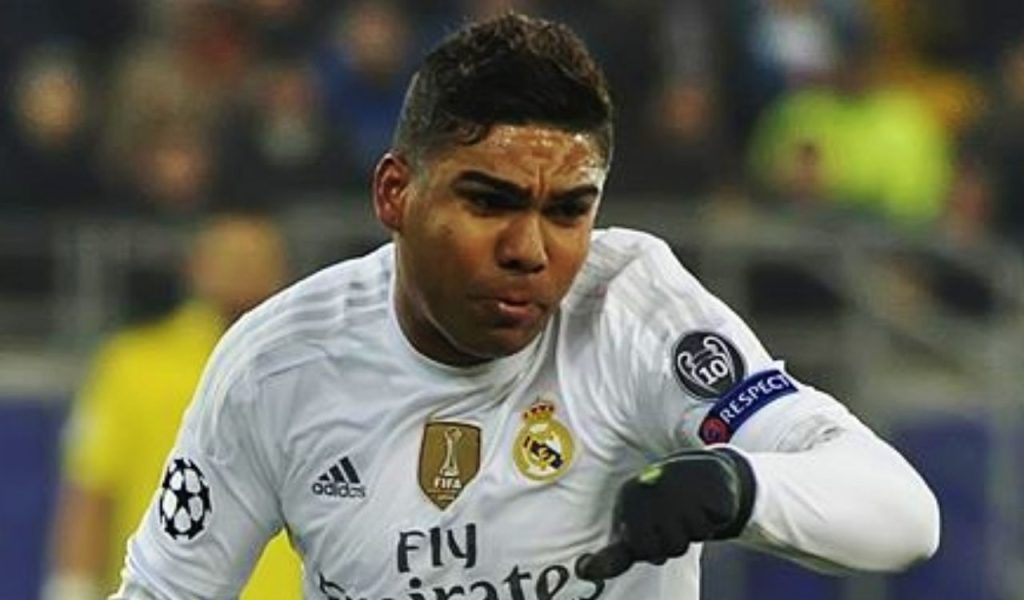
Casemiro expanded his influence beyond football by founding Case Esports, an organization known for its focus on Counter-Strike. This was a serious move because Counter-Strike is one of the most competitive and established esports titles in the world. Entering that space takes more than just celebrity attention. It requires planning, commitment, and a real vision. Casemiro’s involvement shows he sees esports as a long-term business opportunity, not a quick trend. His move also highlights how football stars are increasingly building real positions in the esports industry.
10) Rodger Saffold
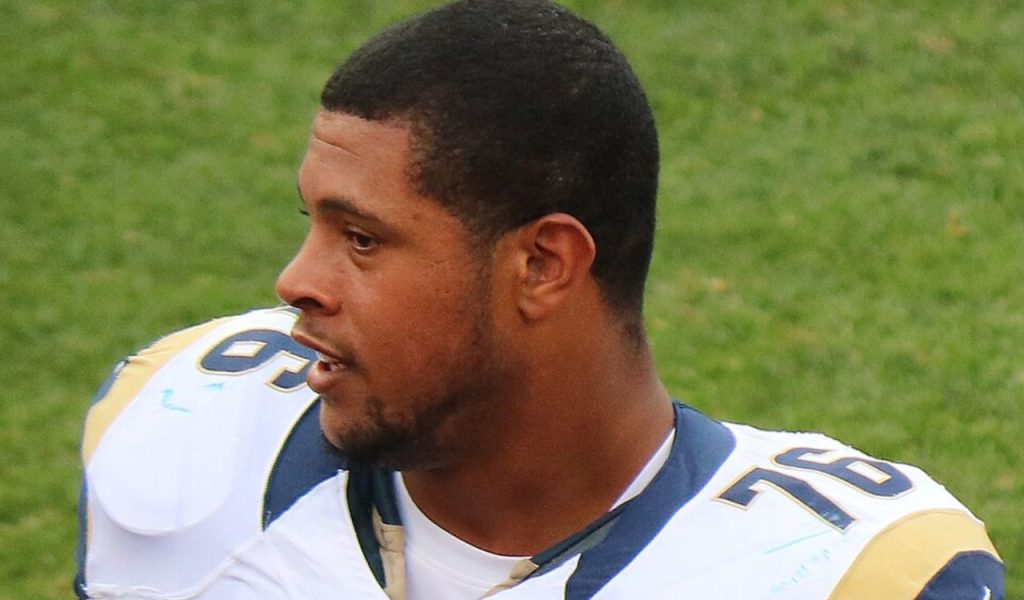
Rodger Saffold may not be the most famous name on this list worldwide, but his esports involvement makes him an important example. The NFL player co-founded Rise Nation, an organization that has competed in games like Call of Duty and Overwatch. His role shows that esports investment is not limited to only global superstars. Athletes from different sports and different levels of fame are also recognizing its business potential. Saffold’s move adds credibility to the trend and proves that belief in esports is spreading far beyond the biggest celebrity names.