


The PlayStation 2 wasn’t just a commercial juggernaut; it was a creative playground. Released in 2000, the PS2 went on to become the best-selling video game console of all time, moving over 155 million units worldwide. While it’s often remembered for blockbuster franchises like Grand Theft Auto, Final Fantasy, and Metal Gear Solid, the system’s true magic also lived in its experimental, unconventional titles. During the PS2 era, development costs were significantly lower than they are today. Studios could take creative risks without betting hundreds of millions of dollars on a single release. As a result, many games that didn’t achieve mainstream commercial success were still able to push artistic boundaries, experiment with storytelling, and introduce mechanics that felt years ahead of their time.
1. Shadow of the Colossus
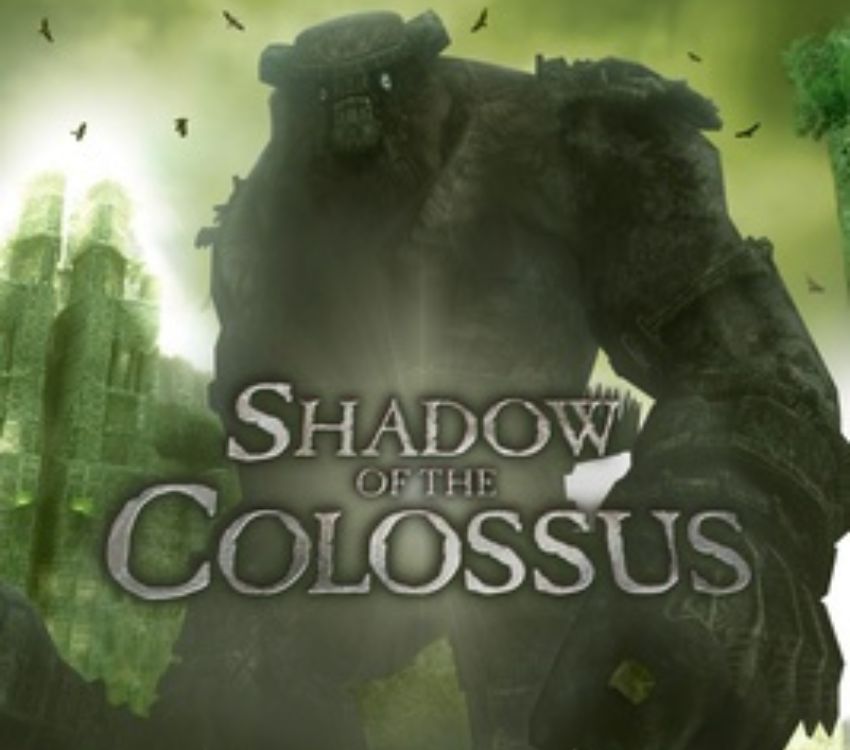
When Shadow of the Colossus launched, it immediately stood apart from nearly everything else on the market. Instead of filling its world with towns, side quests, and enemy mobs, the game presented players with a vast, lonely landscape and a singular mission: defeat sixteen towering colossi to bring a loved one back to life. The minimalist design was bold. There were no traditional dungeons, no experience points, and almost no dialogue. Each encounter functioned as a puzzle-boss hybrid, requiring players to climb, cling, and strategize against creatures the size of skyscrapers. The scale alone was breathtaking for its time.
2. Okami
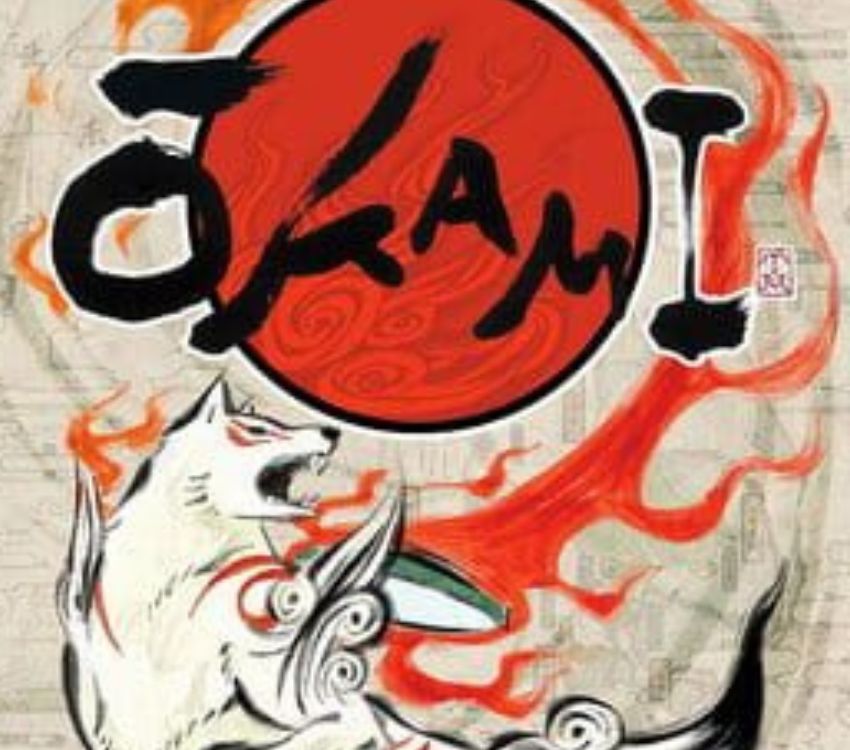
Okami arrived near the end of the PS2’s lifespan, which unfortunately limited its commercial impact. Yet creatively, it was one of the system’s most visually stunning achievements. Inspired by traditional Japanese sumi-e ink paintings, the game looked like a living watercolor scroll in motion. Players controlled Amaterasu, the sun goddess in wolf form, restoring life and color to a cursed world. The game’s defining mechanic, the Celestial Brush, allowed players to pause the action and literally paint on the screen to solve puzzles or attack enemies. It was innovative, intuitive, and thematically tied to the game’s artistic style. Despite critical acclaim, sales were disappointing at launch. Many believe its release timing and limited marketing played a role.
3. Haunting Ground
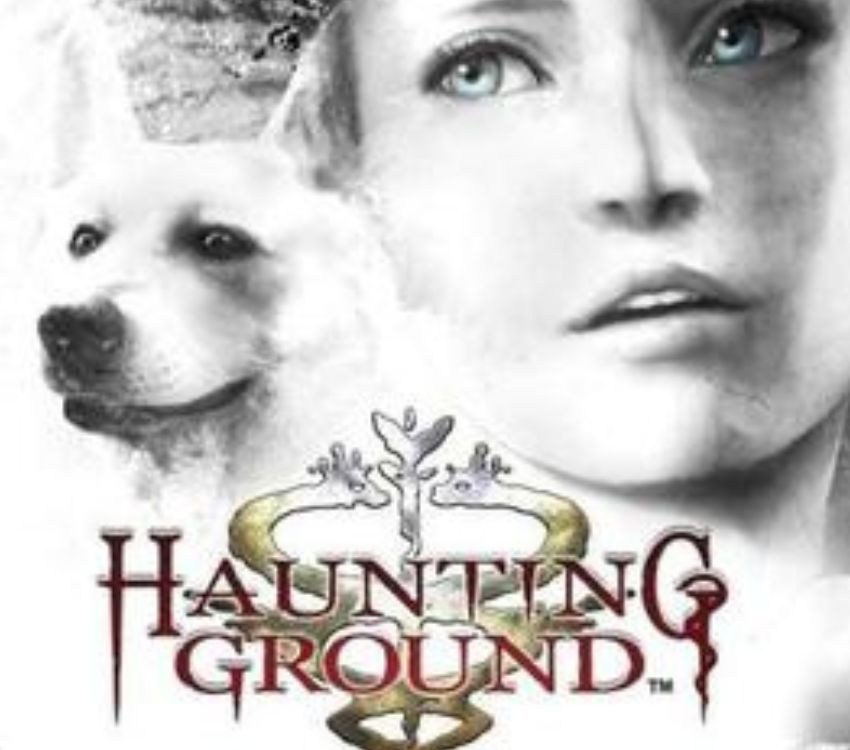
Survival horror fans often cite Haunting Ground as one of the PS2’s most underrated psychological thrillers. Unlike traditional horror titles that emphasized combat, this game focused heavily on vulnerability and evasion. Players took control of Fiona Belli, who awakens in a mysterious castle with no memory of how she got there. Rather than overpowering enemies, Fiona must flee from relentless stalkers. The tension is heightened by a panic system that affects her ability to control herself under stress. One of the game’s most memorable features is Hewie, Fiona’s white shepherd companion. Players build trust with him over time, issuing commands that can mean the difference between survival and capture.
4. Rule of Rose
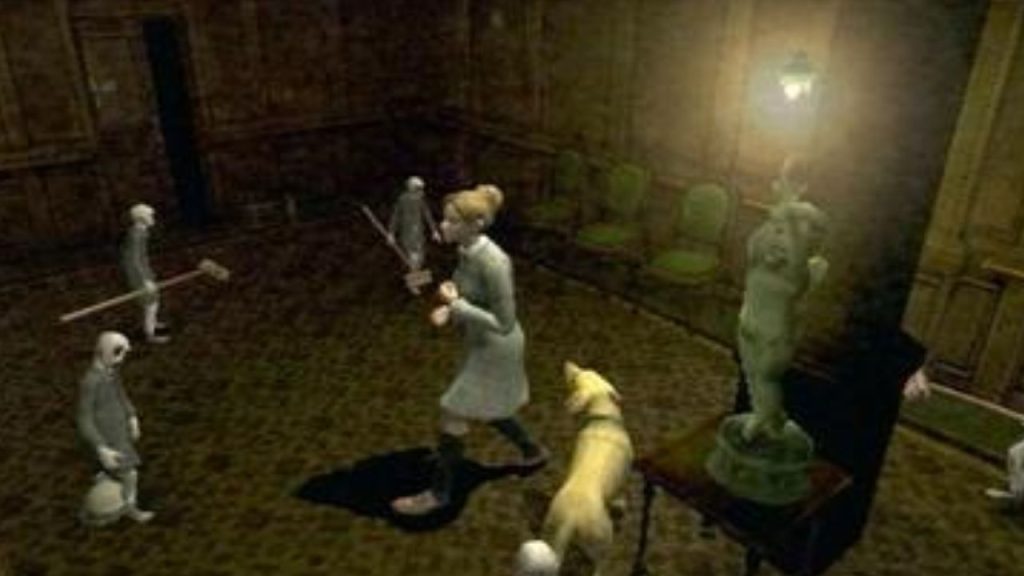
Few PS2 titles are as controversial as Rule of Rose. Set in a bleak 1930s orphanage, the game explores themes of psychological abuse, trauma, and power dynamics among children. Its disturbing subject matter sparked backlash before many people even played it. Several regions debated banning it, and media coverage often exaggerated or misunderstood its content. As a result, the game struggled commercially and was pulled from shelves in certain markets. Gameplay itself received mixed reviews, particularly for its clunky combat system. However, over time, players began to reassess the game’s narrative ambition. Beneath its mechanical flaws lies a deeply unsettling psychological story that many fans now consider bold and emotionally resonant.
5. Killer7
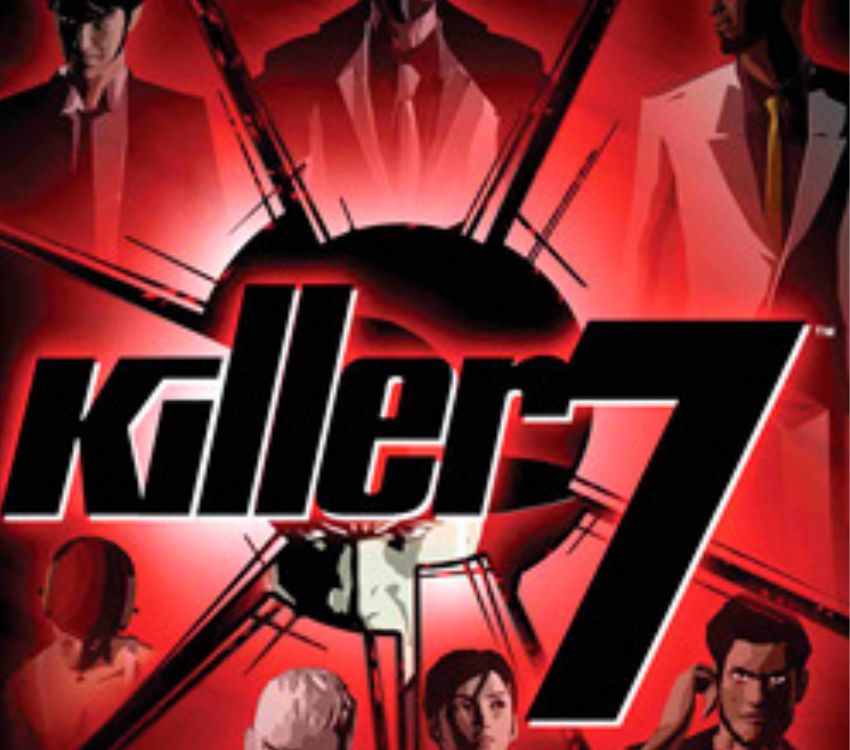
Directed by Goichi Suda (Suda51), Killer7 is one of the strangest games ever released on the PS2. Its narrative follows Harman Smith, an assassin who embodies seven distinct personalities, each with unique abilities. The game blends cel-shaded visuals, surreal storytelling, political commentary, and rail-based shooting mechanics. It often feels more like an interactive arthouse film than a traditional action game. At launch, critics and players were divided. Some praised its originality; others found it confusing and overly experimental. Yet its bold art style, unconventional structure, and mature themes resonated strongly with a niche audience.
6. God Hand
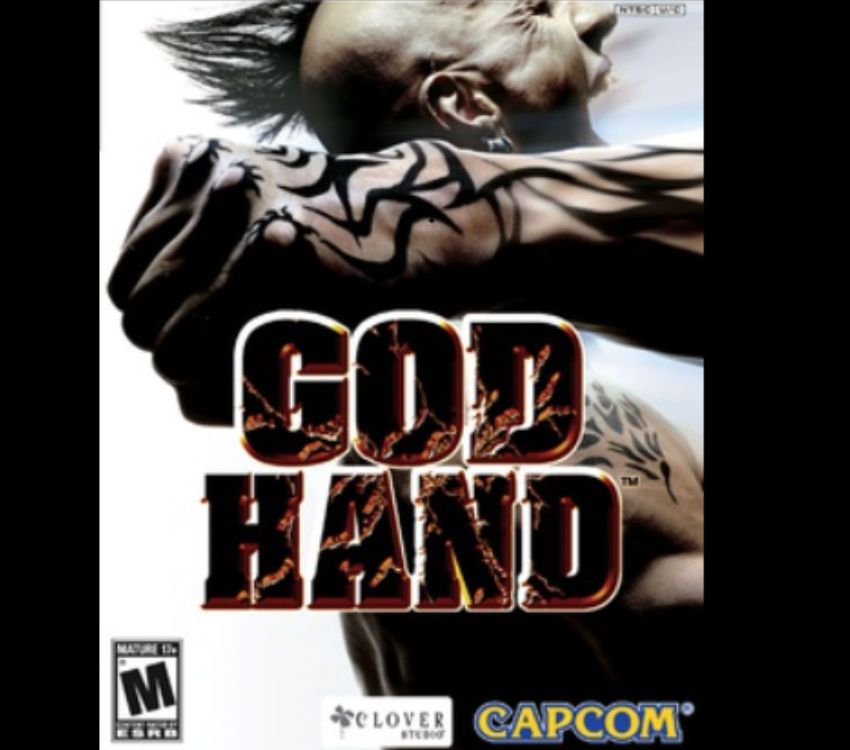
When God Hand launched, it received harsh criticism from several major outlets. Many reviewers dismissed it for its absurd humor and extreme difficulty. One famously low review score became a long-standing meme in gaming culture. However, players who dug deeper discovered an incredibly complex combat system. The game allowed extensive customization of move sets, rewarding skill, timing, and experimentation. Its dynamic difficulty system is also adjusted based on player performance. Tonally, God Hand embraced ridiculousness. From over-the-top villains to comedic cutscenes, it never took itself seriously. That bold personality initially alienated some audiences but later became one of its greatest strengths. In hindsight, many gamers now argue that critics misunderstood it at release.
7. The Warriors
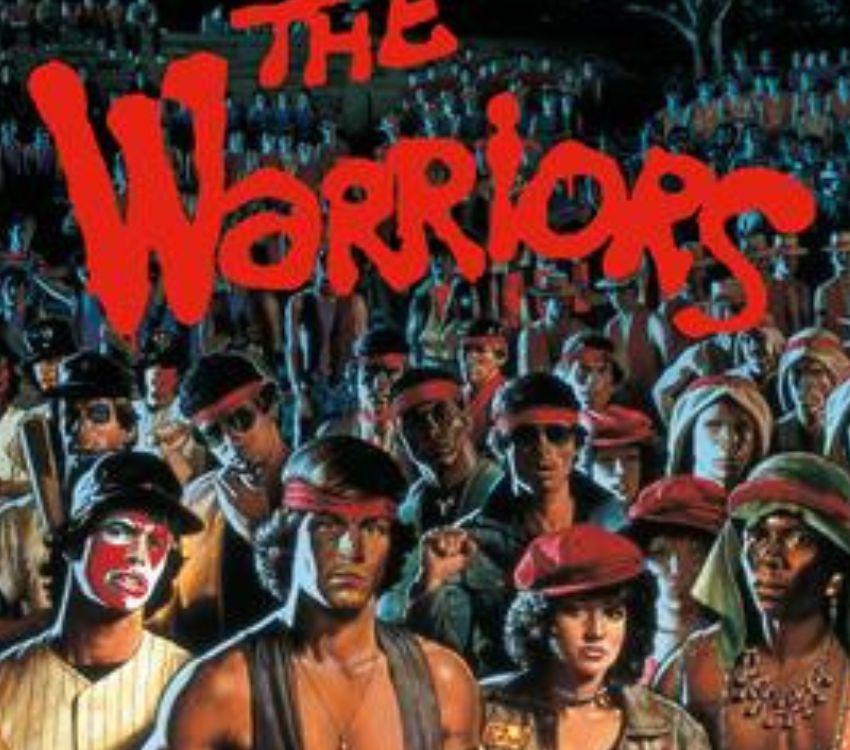
Based on the cult 1979 film, The Warriors expanded the original story while staying true to its gritty atmosphere. Developed by Rockstar, the game allowed players to explore gang life in a stylized version of New York City. Unlike many movie tie-ins, this adaptation felt substantial. It added backstory missions, cooperative gameplay, and robust street brawling mechanics. Combat was raw and chaotic, emphasizing environmental interactions and teamwork. Despite strong design, it was overshadowed by Rockstar’s more famous franchises. Over time, however, players revisited it and recognized how faithfully it captured the film’s tone while delivering solid gameplay.
8. Beyond Good & Evil
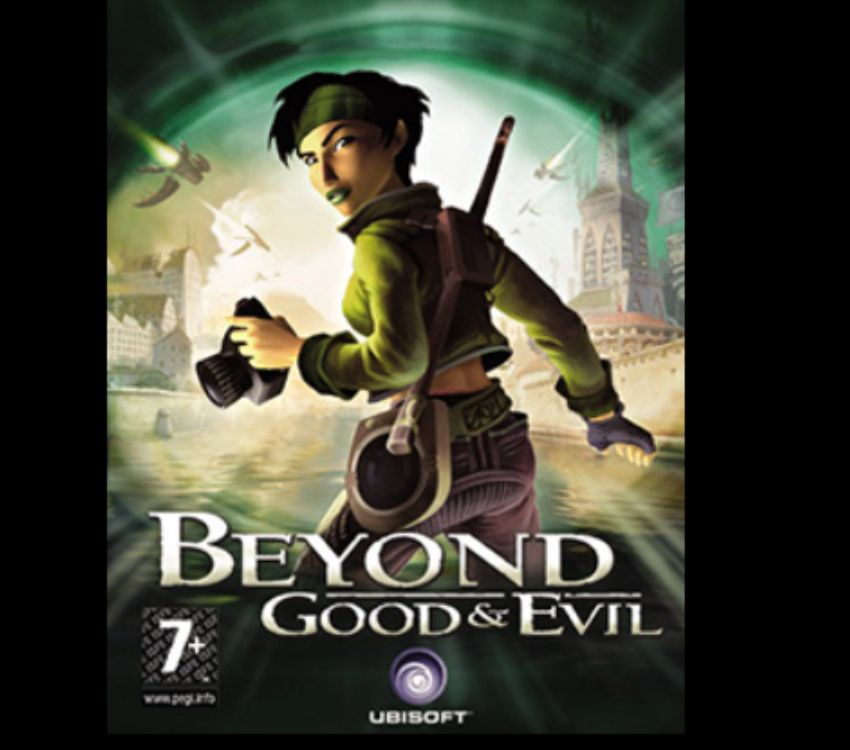
Beyond Good & Evil introduced players to Jade, a photojournalist uncovering a vast alien conspiracy. The game blended stealth, combat, exploration, puzzle-solving, and even investigative photography. Critics praised its world-building and strong female protagonist, but it struggled commercially partly due to limited marketing and heavy competition at release. What made the game special was its emotional storytelling. Jade’s relationships with supporting characters felt genuine, and the overarching conspiracy plot unfolded at a steady, intriguing pace. In the years since, fans have continuously championed it as one of Ubisoft’s most underappreciated titles. Its reputation has grown steadily, cementing its place among the PS2’s most beloved cult classics.
9. Shin Megami Tensei: Nocturne
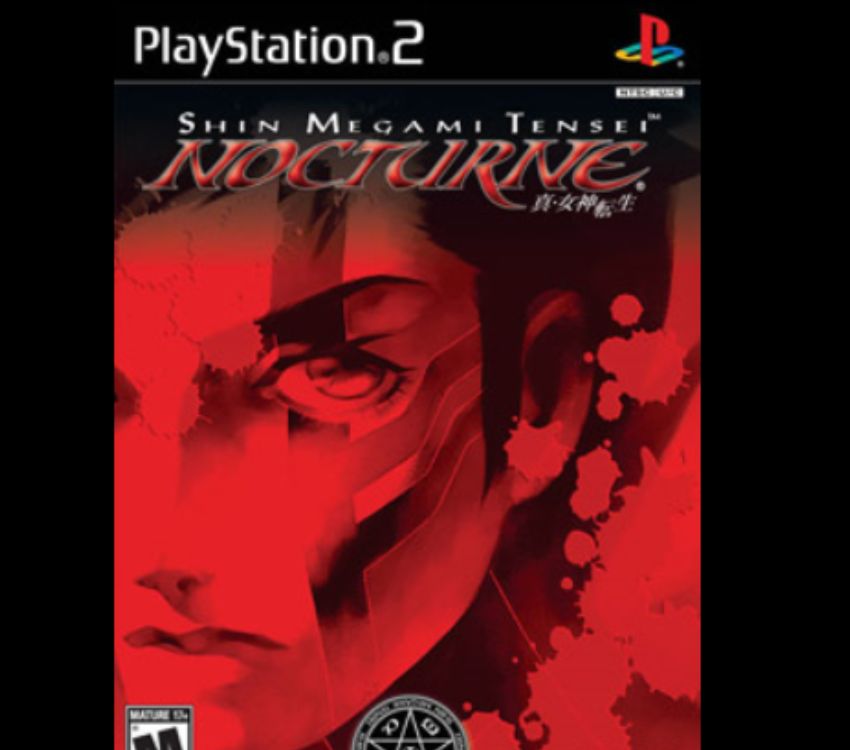
When Shin Megami Tensei: Nocturne released on PS2, it immediately set a darker, more philosophical tone than most RPGs of its time. Set in a post-apocalyptic Tokyo known as the Vortex World, the story begins with the end of the world and follows a protagonist reborn as the half-demon Demi-fiend. Rather than presenting a clear good-versus-evil path, the game challenges players with competing ideologies about how the new world should be shaped. Its Press Turn battle system rewards strategy and punishes mistakes harshly, making every encounter feel tense and meaningful. Players recruit and fuse demons to build customized teams, adding depth and long-term planning to the experience.
10. Katamari Damacy
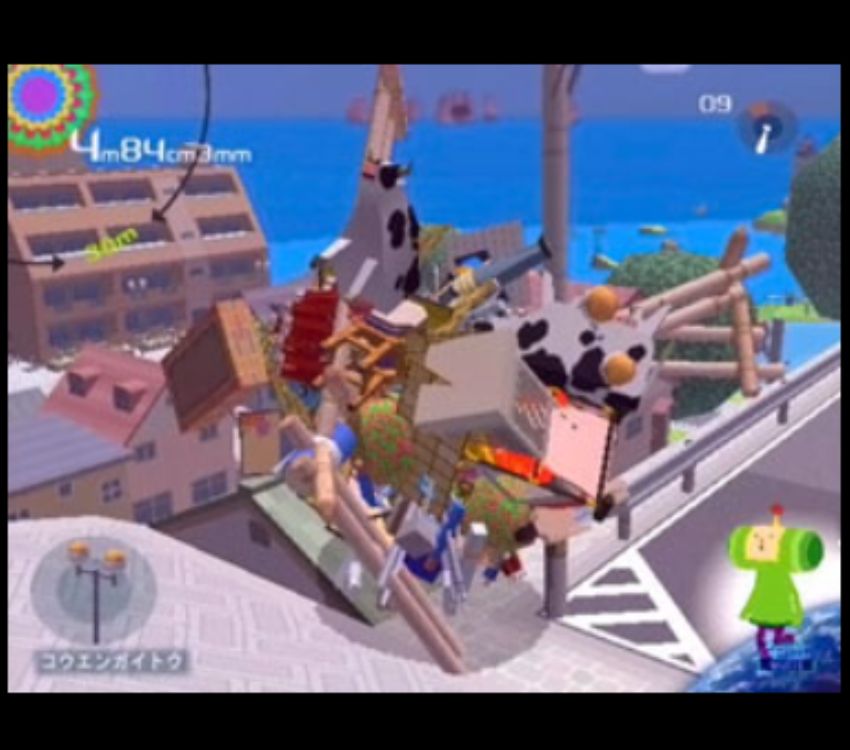
Few games embrace pure absurdity as confidently as Katamari Damacy. After the King of All Cosmos accidentally destroys the stars, players control his tiny son, rolling a sticky ball, the Katamari across Earth to rebuild the sky. What starts with collecting thumbtacks and paper clips quickly grows into absorbing furniture, cars, and eventually entire buildings, creating a simple yet incredibly satisfying gameplay loop. Beyond its addictive mechanics, the game stood out for its bold personality. Its colorful art style, surreal humor, and unforgettable soundtrack helped it become a word-of-mouth sleeper hit despite modest marketing. Over time, Katamari Damacy became a symbol of the PS2’s creative freedom and remains one of the console’s most beloved cult classics.