

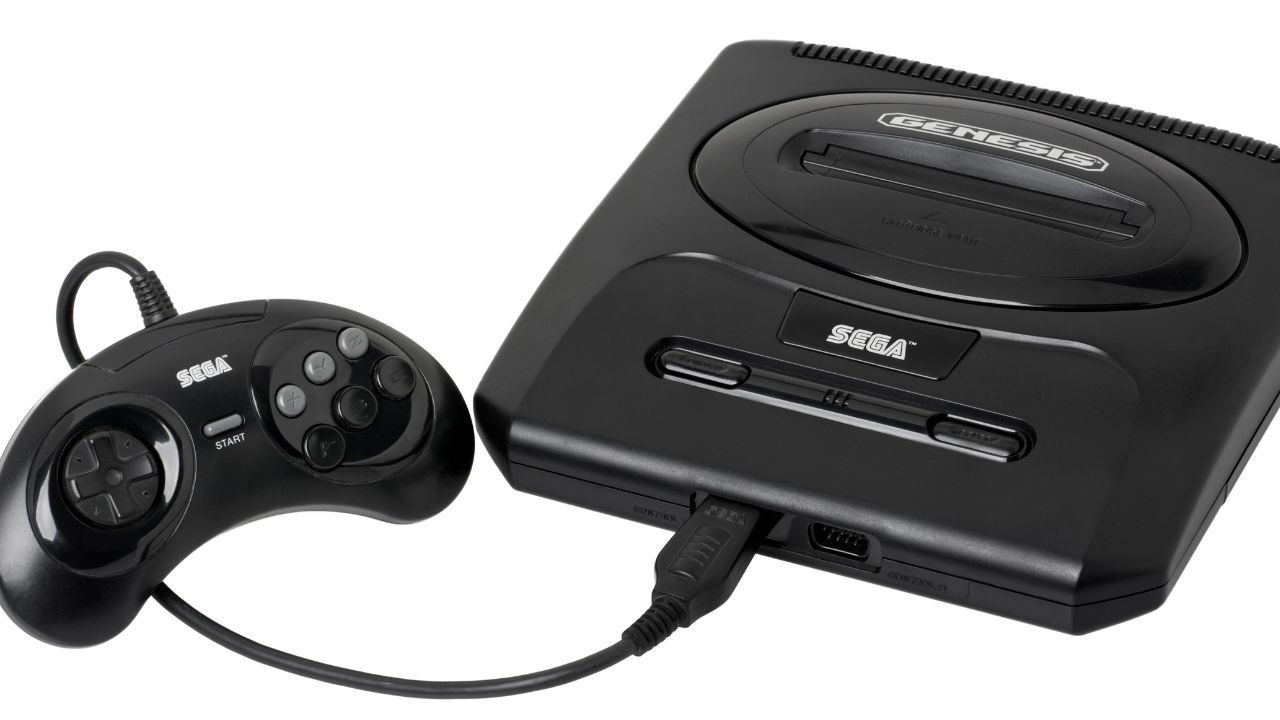

The Sega Genesis arrived at a pivotal moment in gaming history and quickly became one of the defining consoles of the 16-bit era. Known for its fast processor, punchy sound chip, and edgy marketing, Sega’s system carved out a strong identity that appealed to players looking for speed, challenge, and arcade-style intensity at home. While its competition focused on colorful mascots and family-friendly experiences, the Genesis built a reputation for attitude and action, helping to fuel one of the most famous console rivalries of all time. Beyond the marketing wars, what truly cemented the Genesis legacy was its software library. The console delivered a wide range of titles from lightning-fast platformers and deep role-playing adventures to hard-hitting beat ’em ups and competitive fighting games.
1. Sonic the Hedgehog 2
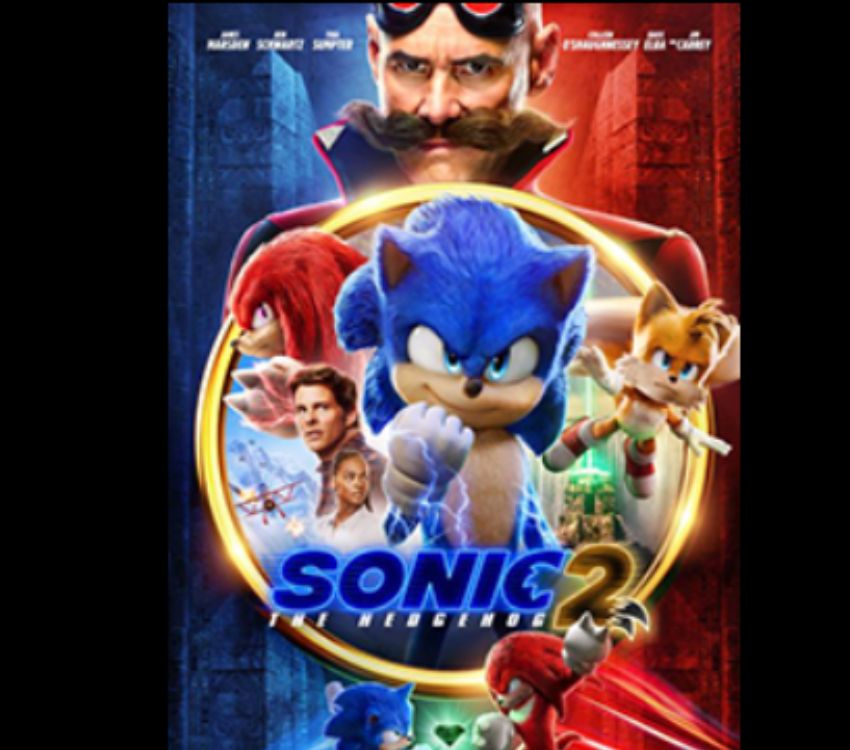
Sonic the Hedgehog 2 took everything that worked in the original and amplified it. The sense of speed was smoother, the level design was more ambitious, and the addition of Tails introduced cooperative play that felt fresh and exciting. Stages like Chemical Plant Zone and Casino Night Zone showcased creative mechanics and vibrant visuals that pushed the Genesis hardware to its limits. What truly makes Sonic 2 feel nearly perfect is its pacing and replayability. The controls are tight and responsive, encouraging mastery and speedrunning long before that became mainstream. Combined with a legendary soundtrack and memorable boss encounters.
2. Streets of Rage 2
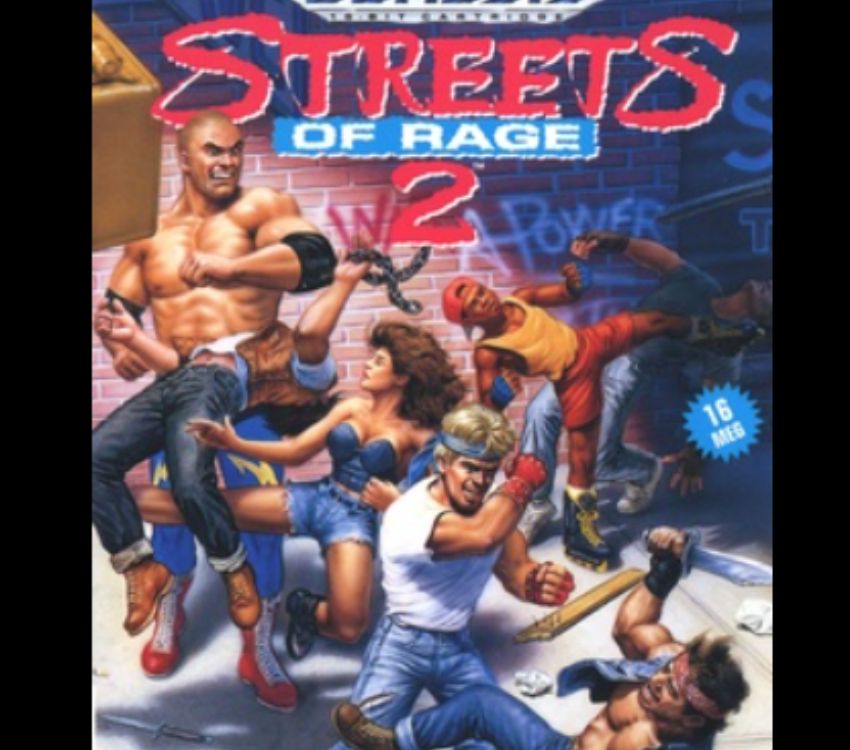
Streets of Rage 2 refined the beat ’em up formula into something close to flawless. With four distinct playable characters, each offering unique strengths and move sets, the game encouraged experimentation and teamwork. The combat felt fluid and impactful, with special moves and combos that added depth beyond simple button mashing. Its soundtrack, composed by Yuzo Koshiro, is still praised as one of the greatest in gaming history. Paired with balanced difficulty and satisfying co-op gameplay, Streets of Rage 2 stands as a benchmark for the genre and a shining example of how to evolve a sequel without losing what made the original special.
3. Gunstar Heroes
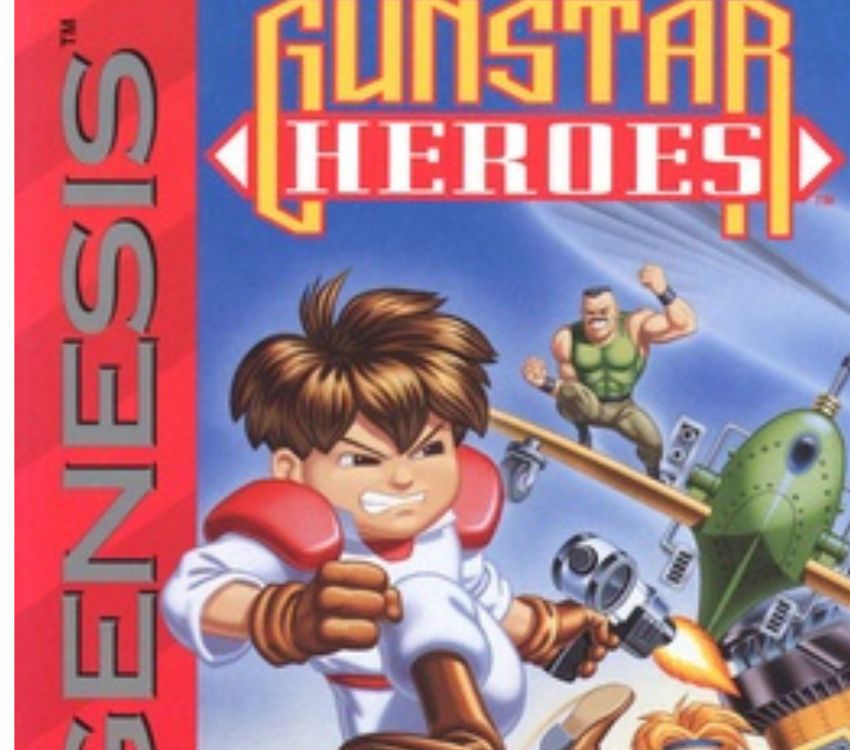
Gunstar Heroes delivered a level of chaos and creativity rarely seen at the time. The weapon combination system allowed players to mix different shot types, creating a wide range of attack styles. This flexibility made every playthrough feel dynamic and encouraged experimentation. The game’s boss battles were enormous, inventive, and technically impressive for the hardware. From intense side-scrolling shootouts to unexpected gameplay twists, Gunstar Heroes constantly surprised players. Its nonstop action and bold design choices helped it earn a reputation as one of Genesis’ most technically impressive titles.
4. Phantasy Star IV
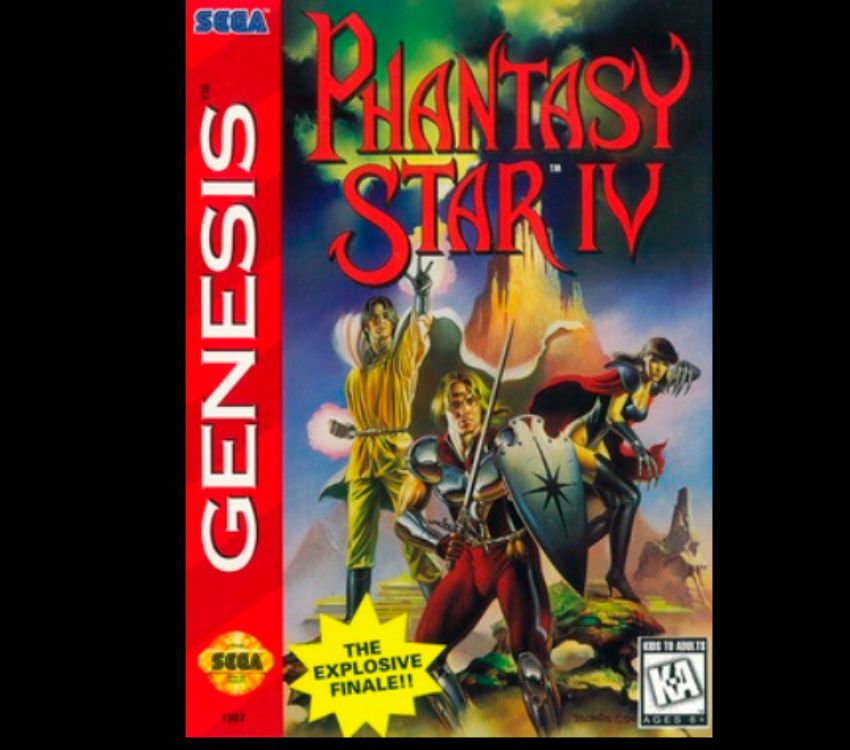
Phantasy Star IV is often regarded as the pinnacle of 16-bit role-playing on Sega’s console. It blended science fiction and fantasy storytelling in a way that felt expansive and mature. The manga-style cutscenes were ahead of their time, giving dramatic weight to key moments in the narrative. Combat was fast-paced for a turn-based RPG, with macro systems that streamlined battles without sacrificing depth. The game’s emotional storyline, memorable characters, and polished mechanics make it feel like a culmination of everything the series had built up to — a fitting and nearly perfect chapter in the franchise.
5. Shining Force II
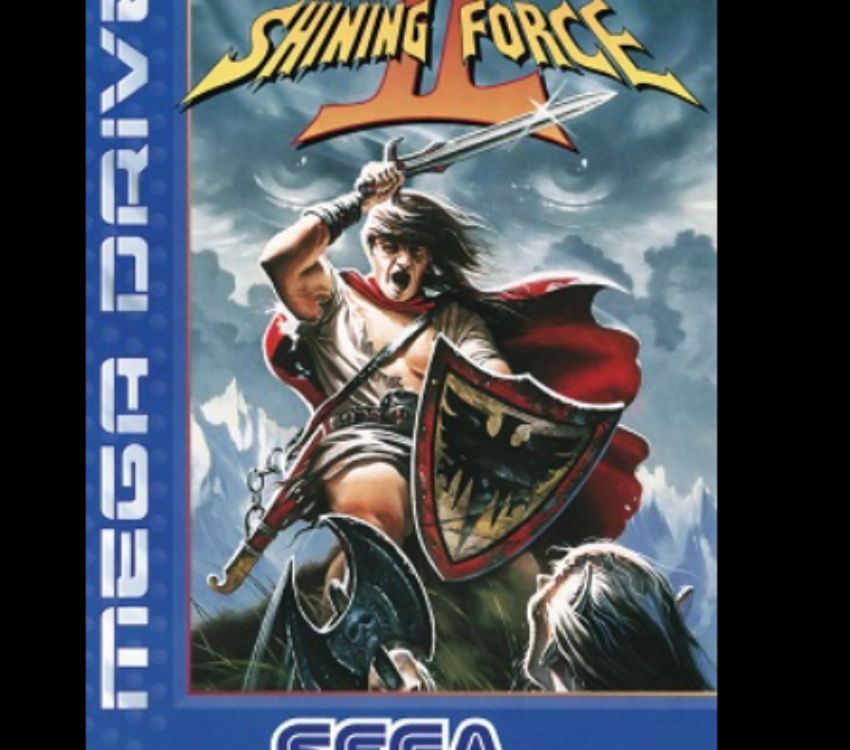
Shining Force II perfected console-based tactical RPG gameplay. Battles unfolded on grid-based maps where positioning, terrain, and character abilities all played critical roles. Unlike many strategy games, it struck a balance between accessibility and depth, welcoming newcomers while rewarding careful planning. Outside of combat, players explored towns, recruited allies, and uncovered secrets, giving the world a strong sense of continuity. Its charming cast and strategic variety make it one of the most beloved tactical RPGs of its era and a standout in the Genesis library.
6. Castlevania: Bloodlines
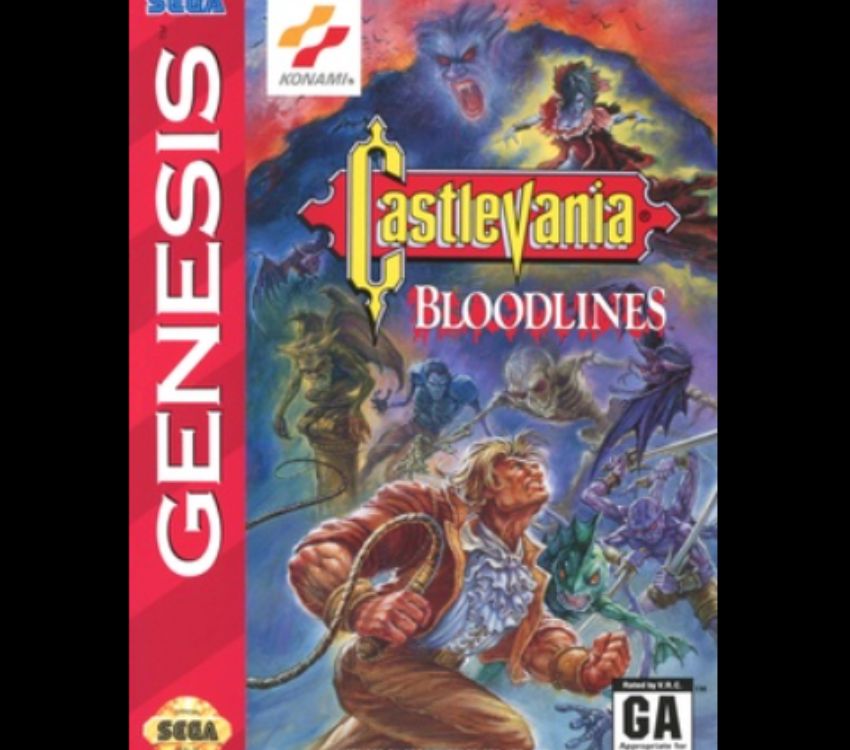
Castlevania: Bloodlines brought the long-running vampire-hunting franchise to Sega’s 16-bit hardware with confidence and style. Unlike earlier entries that focused solely on the Belmont clan, Bloodlines introduced two playable heroes: John Morris, who wielded the iconic Vampire Killer whip, and Eric Lecarde, who fought using a spear. Each character offered distinct advantages, from directional whipping to high-reaching spear attacks, encouraging multiple playthroughs and strategic experimentation. What makes Bloodlines stand out is its perfect mix of challenge and spectacle.
7. Earthworm Jim
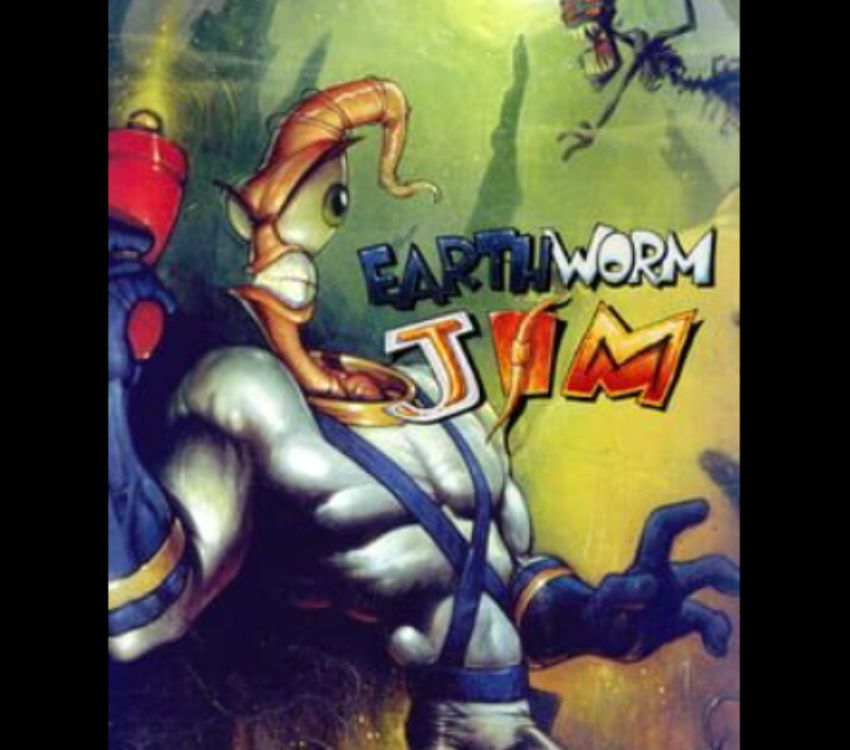
Earthworm Jim stood out immediately thanks to its bizarre premise and wildly expressive animation. Playing as an ordinary worm inside a high-tech robotic suit, players encountered absurd enemies, surreal environments, and slapstick humor that felt unlike anything else available at the time. The game’s hand-drawn art style gave it a fluid, cartoon-like quality that helped it compete visually with top-tier platformers of the era. Beyond its humor, Earthworm Jim offered tight and varied gameplay, with levels introducing new mechanics like underwater stages, zero-gravity sections, and quirky mini-games. Creative boss fights focused on timing and strategy, keeping the experience fresh and helping it stand out as an inventive and memorable platformer.
8. Contra: Hard Corps
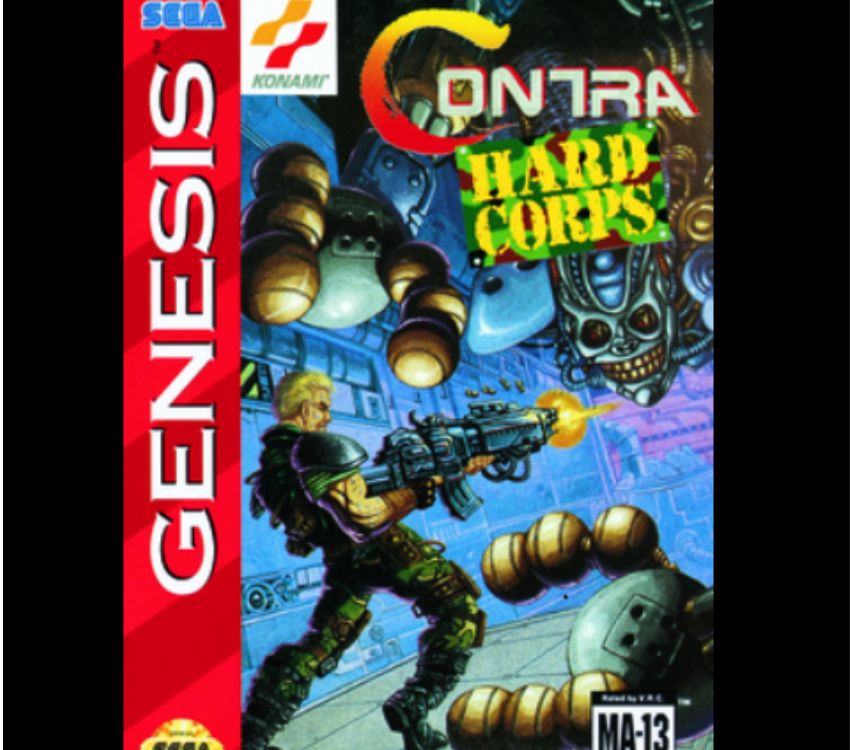
Contra: Hard Corps amplified the series’ trademark intensity to extraordinary levels. The action is immediate and relentless, throwing waves of enemies, projectiles, and gigantic mechanical bosses at the player with barely a moment to breathe. Unlike many previous entries, the game features branching story paths and multiple endings, giving players incentives to replay and explore different outcomes. Each playable character comes with unique weapons and abilities, adding depth and encouraging mastery. The difficulty is intense, but responsive controls and fast pacing keep it fair and exciting. With dynamic stages and strong visuals, Hard Corps stands as one of the best run-and-gun games of the 16-bit era.
9. ToeJam & Earl
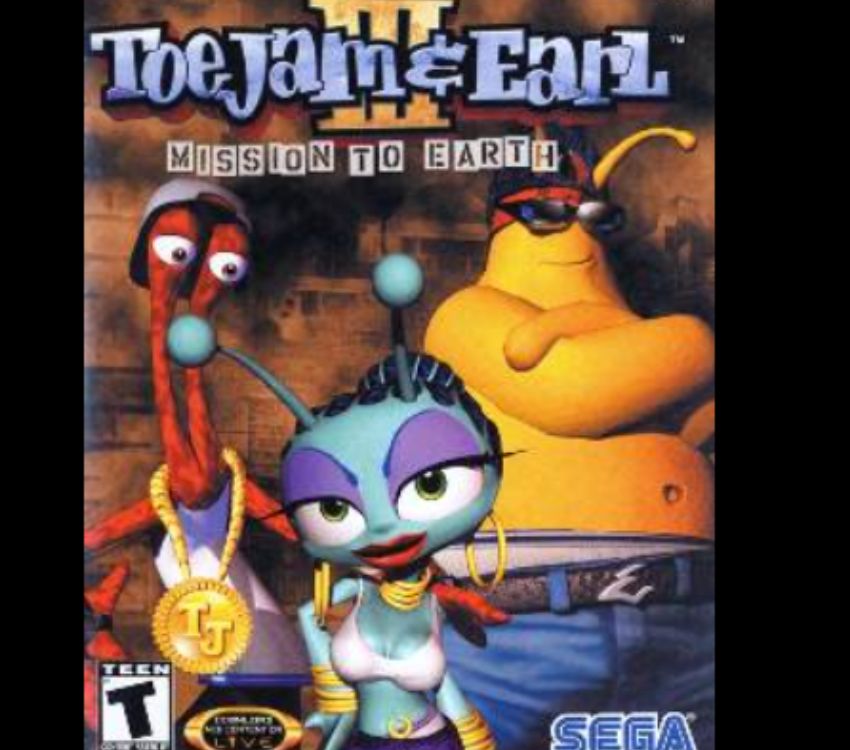
ToeJam & Earl carved its own path by blending exploration, humor, and roguelike elements long before procedural generation became common. Players guide the funky alien duo through floating, randomly generated islands while searching for pieces of their crashed spaceship. The unpredictability of each session ensures that no two playthroughs feel exactly alike, adding significant replay value. Cooperative mode is where the game truly stands out, encouraging teamwork as players navigate hazards and experiment with unpredictable presents that can help or hilariously backfire. It’s a relaxed pace with a funky soundtrack.
10. Mortal Kombat II
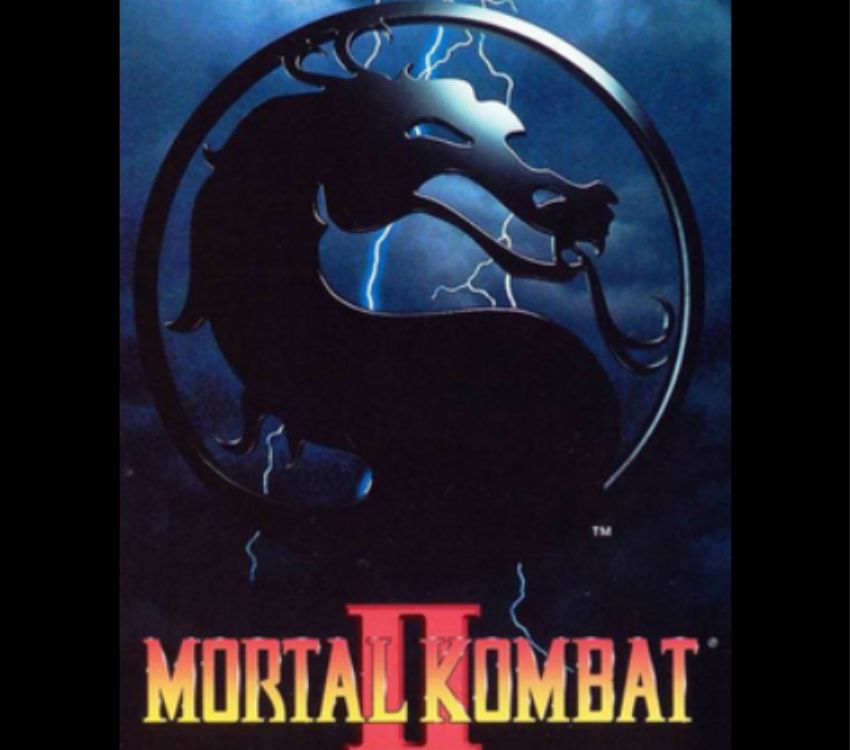
Mortal Kombat II successfully brought the brutal arcade experience to home consoles with impressive accuracy. With an expanded roster, smoother animations, and refined mechanics over the original, it quickly became a favorite for competitive play. Fatalities, stage hazards, and hidden characters added layers of excitement that sparked endless debates and experimentation among players. What truly sets this version apart is its balance between accessibility and depth. Newcomers could enjoy flashy special moves right away, while dedicated players uncovered advanced combos and strategies through practice.