

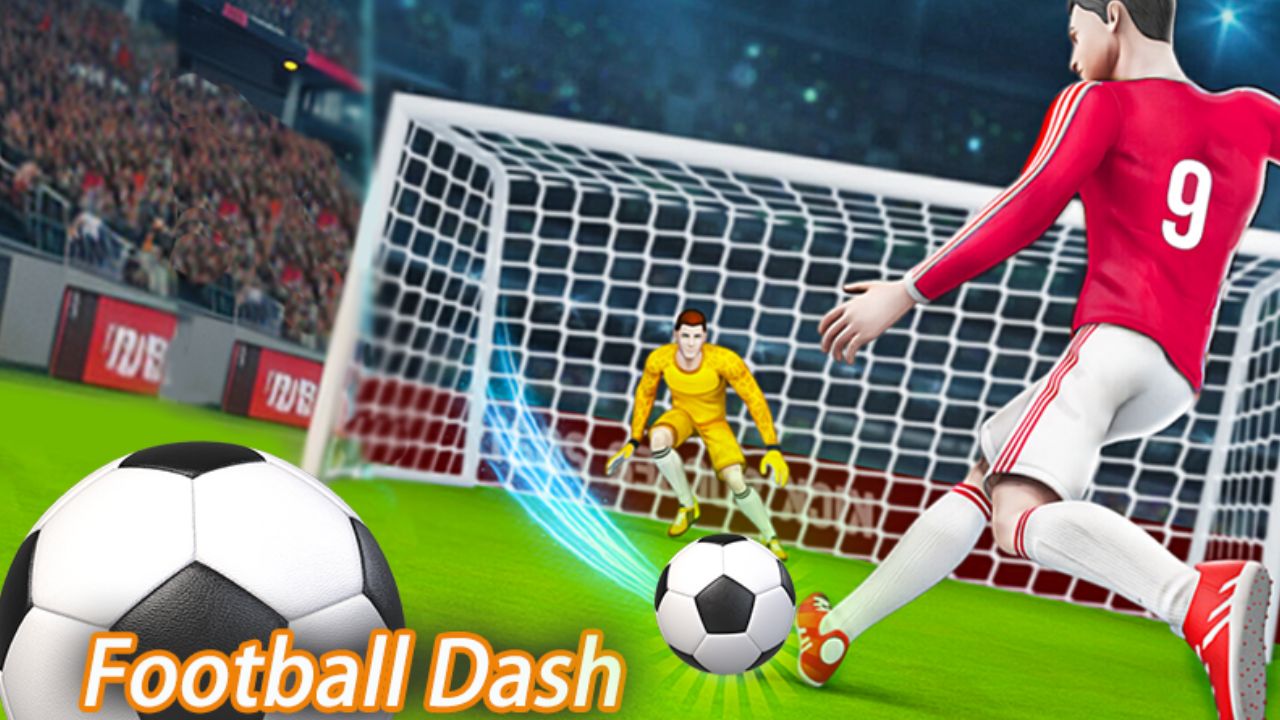

Sports games don’t need hyper-real graphics to be ruthless. Some of the most competitive titles look like party games, arcade throwbacks, or goofy mashups, but they hide high skill ceilings, tight timing windows, and metas that punish every mistake. Once you move past the “casual” surface, you find games where mechanics, positioning, and decision-making matter as much as any serious esports title. If you want something that feels fun to watch but sweaty to play, these ten picks deliver.
1) Rocket League
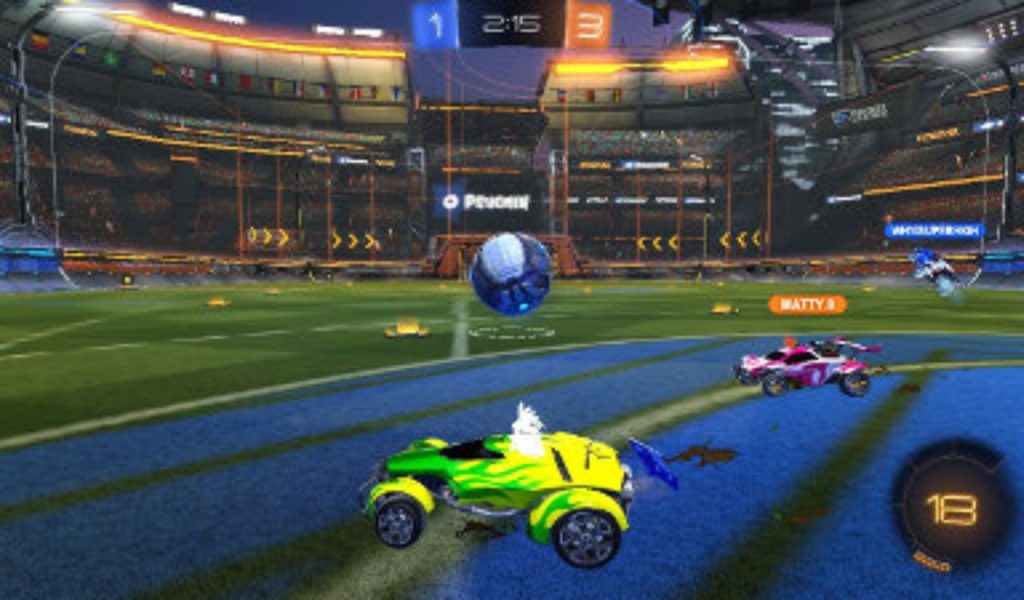
Rocket League looks like toy cars playing soccer, but competitive play is a nonstop test of mechanics and decision-making. You’re managing boost, speed, angles, and reads while predicting how the ball will bounce off walls, corners, and cars. The skill gap shows in first touches, fast aerials, clean recoveries, and controlled dribbles that turn defense into instant offense. Team rotations are mandatory, not “nice to have.” One bad challenge, one double-commit, and you hand over a free goal. At higher ranks, even clears are intentional passes, and kickoffs are planned set plays.
2) Windjammers 2
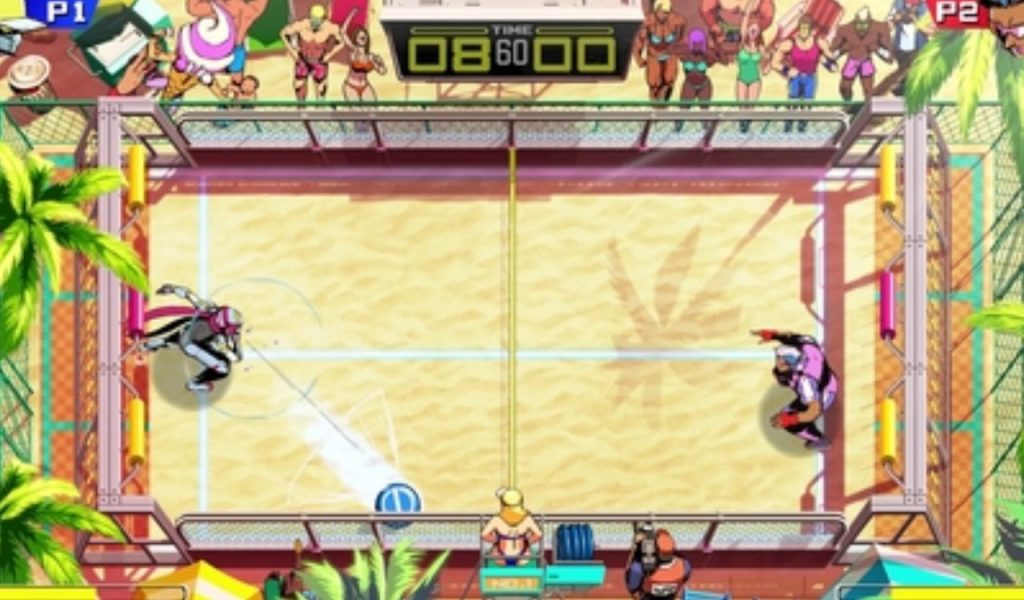
Windjammers 2 looks like a bright arcade frisbee game, but it plays like a fighting game with points instead of health bars. Every rally is spacing, baiting, and punishing habits. You’re mixing curved throws, lobs, charge shots, quick redirects, and specials while watching for parry windows that can flip a point instantly. Dash timing matters because wasted movement means you arrive late and miss a goal. Strong players change tempo on purpose, fake curves, and punish panic saves with fast counter-angles. It’s easy to pick up, but winning consistently requires reads, reactions, and controlled aggression.
3) Mario Kart 8 Deluxe
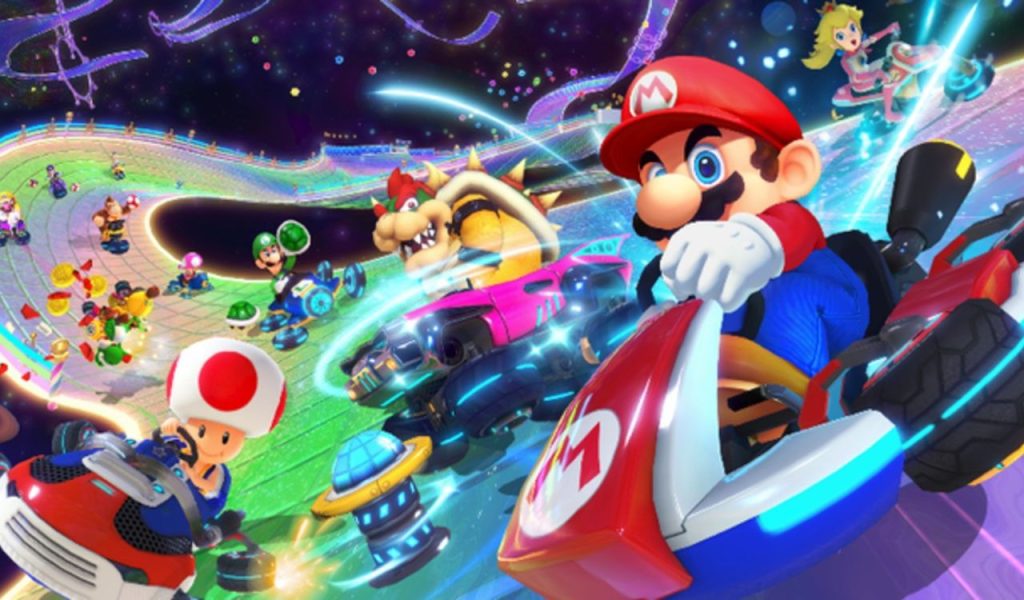
Mario Kart 8 Deluxe gets labeled “luck-based” until you face someone who manages items like a weapon system. Competitive races are line optimization, drift control, mini-turbo timing, and coin routing to keep speed high. Then the real game starts: threat tracking and item strategy. You’re choosing when to hold defense, when to burn items, when to take risky shortcuts, and when to “bag” for better pulls. Good players also understand pacing: sometimes you push for clean air, other times you sit in the pack to set up item cycles. The chaos is real, but it’s not random.
4) Super Mega Baseball 4
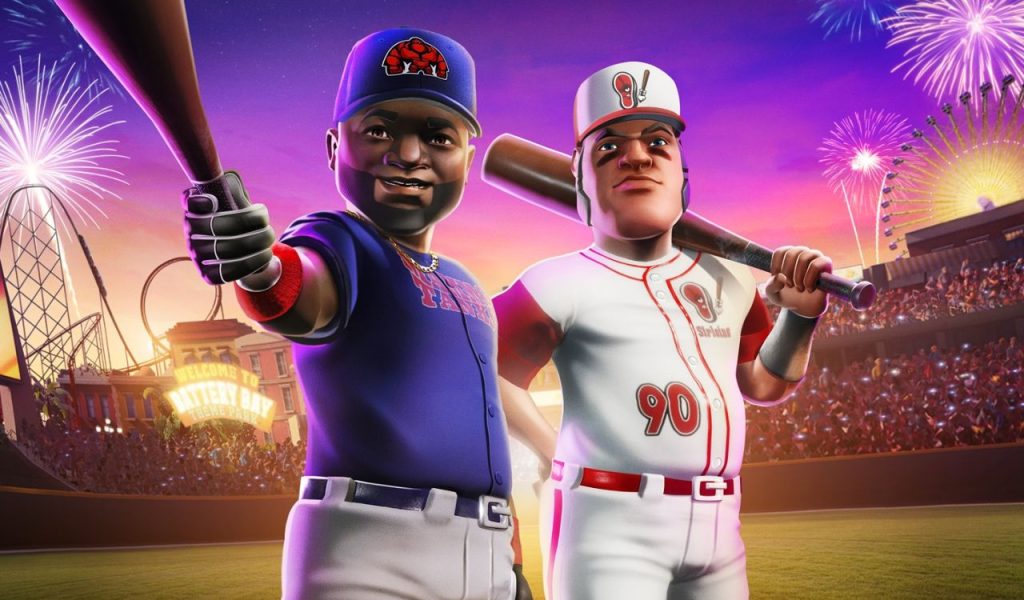
Super Mega Baseball 4 looks cartoonish, but the baseball underneath is serious. Competitive play punishes predictable pitching and impatient hitting. You have to sequence pitches, change speeds, and tunnel locations to mess with timing, while managing stamina and pressure. At the plate, it’s discipline and pattern recognition, not button mashing. Defense matters too: positioning, strong throws, and knowing when to dive versus play the safe out. The Ego system exposes skill gaps fast, so close matches feel earned. Team traits also change how you approach every inning, turning roster choices into real strategy instead of cosmetics.
5) Golf With Your Friends

Golf With Your Friends looks like goofy mini-golf chaos, but competitive lobbies become precision torture. Winning comes from learning tight lines, bounce angles, and shortcut routes that save strokes when executed perfectly. You’re judging power and spin while other players bump, block, or throw off your rhythm. One bad overhit can snowball into a terrible hole, so consistency often beats flashy risks. The pressure factor is huge: people rush “easy” taps and throw leads. Skilled players slow down, pick reliable paths, and repeat consistent power every time. Once everyone knows the course, it feels less like mini-golf and more like speed chess.
6) Omega Strikers
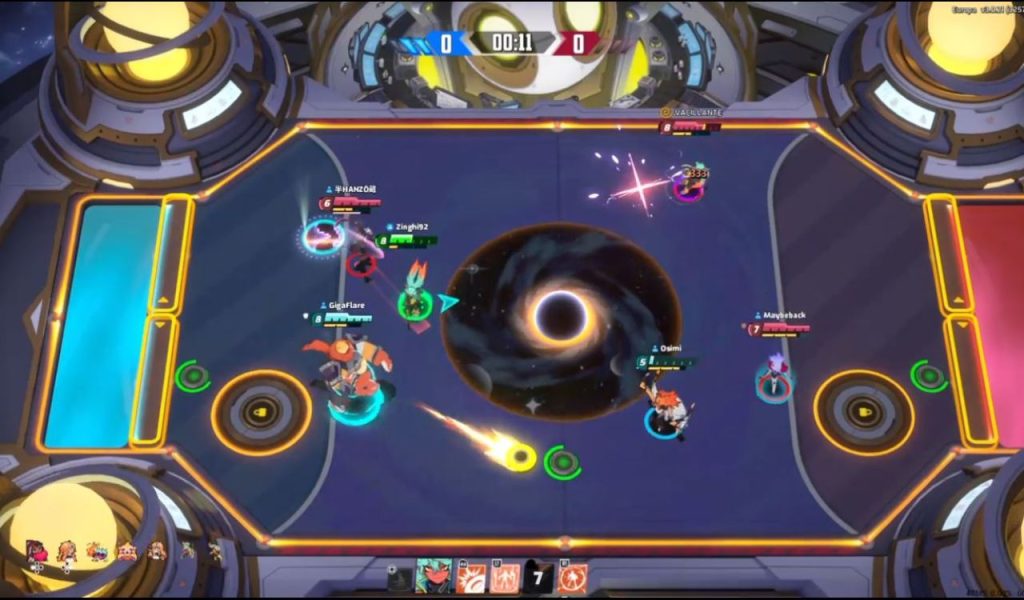
Omega Strikers looks bright and arcade-y, but the gameplay is closer to a MOBA with a puck. You’re managing cooldowns, positioning, stamina, and team roles while trying to create openings. Goals usually come from coordinated pressure: one player controls lanes, another sets displacement or denial, and the third finishes. Wasted abilities get punished immediately because timing windows are tight. High-level play is also about reading habits, like where someone clears under pressure or when they panic-dash. Team comps matter because certain kits chain into near-unstoppable control if you’re out of position. It’s flashy on screen, but under it is teamwork, discipline, and brutal punishment.
7) Turbo Golf Racing
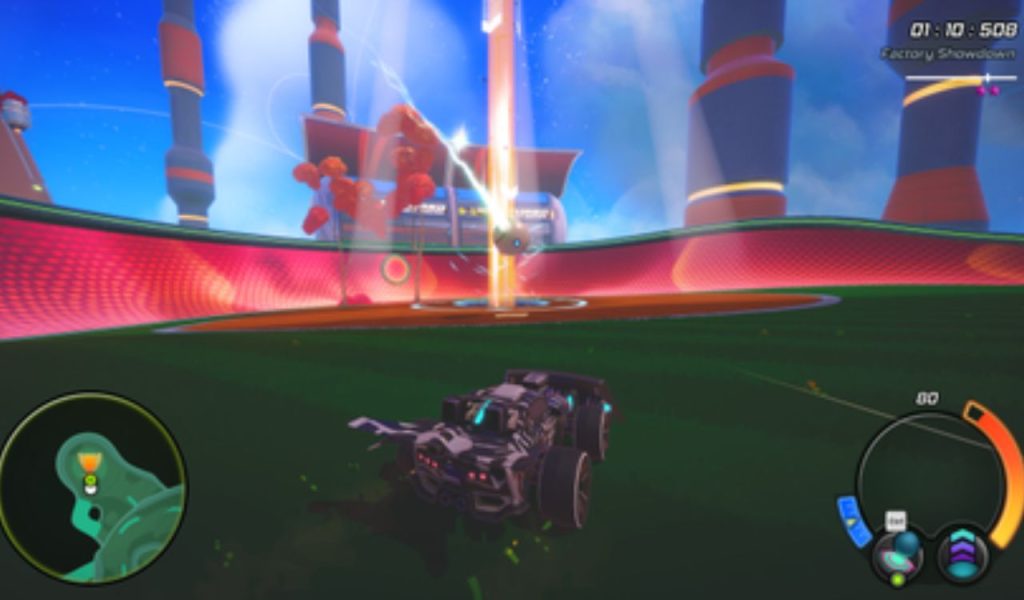
Turbo Golf Racing looks like a chaotic mashup of racing, golf, and power-ups, but competition is execution under interference. You’re planning routes based on terrain and ball physics, then hitting clean shots while maintaining speed and boost. Meanwhile, opponents are bumping you, stealing angles, and using abilities to ruin your line. The best players know when to play safe for a solid placement and when to gamble on a risky shortcut that wins outright. Chaos management is the skill: staying calm, resetting quickly after disruption, and avoiding tilt. In strong lobbies, a single mistake early can cost the whole race because everyone else keeps a clean tempo.
8) Tape to Tape

Tape to Tape wears a funny roguelite hockey skin, but the core gameplay is tight and competitive, especially in local matches. The pace is fast, and mistakes turn into instant goals. You’re constantly deciding when to forecheck, when to retreat, and when to pass instead of forcing a shot. The “cheat” modifiers add chaos, but fundamentals still decide who controls the ice. Great players stay patient, protect the middle, and punish bad angles instead of chasing every puck. Momentum swings hard, so mental control matters: don’t overextend after scoring, don’t panic after conceding. Once both players understand the flow, it stops feeling silly and starts feeling savage.
9) NBA Jam
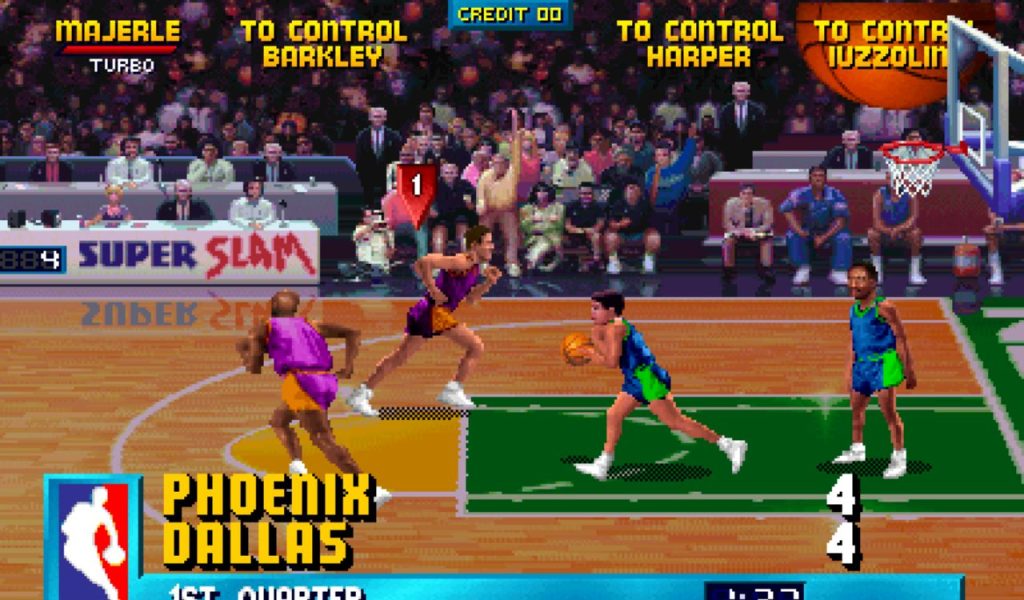
NBA Jam looks like cartoon basketball with impossible dunks, but competitive play is timing, baiting, and momentum control. You’re hunting high-percentage shots, denying easy lanes, and forcing your opponent into bad releases. The “on fire” mechanic creates real pressure because one streak can end the game fast, so possessions become a psychological battle. Good players fake drives, force jumpers, and punish overcommits with quick passes. Defense isn’t random either: cut off baseline, control spacing, and manage tempo so your opponent never gets comfortable. It’s easy to pick up in five minutes, but dominating someone good takes pattern reading, composure, and ruthless shot selection.
10) Rooftops & Alleys

Rooftops & Alleys can look like a chill parkour sandbox, but competitive time trials feel like training for a sport. Movement has weight, so sloppy inputs don’t get forgiven. You have to learn clean jump timing, wall interactions, landings, and speed maintenance to keep the flow without losing momentum. Tiny errors, an off-angle takeoff, or a messy landing cost real time and ruin a run. Route choice becomes a puzzle: you pick lines that preserve speed, not the ones that look coolest. Once you start chasing faster times, it becomes repetition, discipline, and mental resilience. The gap between “good” and “elite” is small, and that’s what makes it competitive.