


Survival horror is built on vulnerability, and nothing makes players feel more vulnerable than limited resources. When ammunition is scarce, healing items are hard to find, and inventory space forces painful choices, every encounter becomes a calculated risk. Instead of charging into danger, you’re constantly weighing whether it’s smarter to fight, flee, or conserve what little you have left. This scarcity transforms even simple hallways into nerve-wracking challenges and turns ordinary enemies into serious threats. The fear doesn’t just come from monsters lurking in the dark; it comes from knowing you might not have enough supplies to survive the next mistake.
1. Resident Evil (1996)
The original Resident Evil set the gold standard for survival horror by making every bullet count. Trapped inside the Spencer Mansion, players must carefully manage limited ammo, healing herbs, and even ink ribbons required to save progress. The restrictive inventory system forces constant decision-making. Do you carry a key item or extra supplies? Zombies aren’t just obstacles; they’re resource drains that can punish careless shots. Backtracking through narrow corridors adds tension, especially when you’re unsure if you have enough supplies to survive another encounter. Its deliberate pacing and scarcity-driven design create a constant feeling of dread that defines the genre.
2. Silent Hill 2 (2001)
Silent Hill 2 leans more into psychological horror, but its limited resources still play a crucial role in maintaining tension. Weapons and ammunition are available, yet never abundant enough to feel comfortable. Combat is often clunky by design, encouraging players to avoid unnecessary fights rather than confront every creature. Healing items are precious, and mistimed attacks can quickly drain your supplies. The town’s thick fog and oppressive atmosphere heighten the anxiety, making every encounter feel uncertain. By limiting combat efficiency and resources, the game reinforces vulnerability, ensuring that fear lingers long after each confrontation ends.
3. Amnesia: The Dark Descent (2010)
Amnesia: The Dark Descent strips away combat entirely, forcing players to survive through stealth and resource management alone. You’re defenseless against the horrors stalking the castle halls, making light your only comfort and even that is limited. Lantern oil drains quickly, tinderboxes are scarce, and staying too long in darkness erodes your sanity, triggering disturbing visual and audio effects. Every choice becomes a risk: conserve oil and risk madness, or use light and risk running out when you need it most. With no weapons to rely on, tension builds naturally, proving that vulnerability and scarcity can be far more terrifying than firepower.
4. The Last of Us (2013)
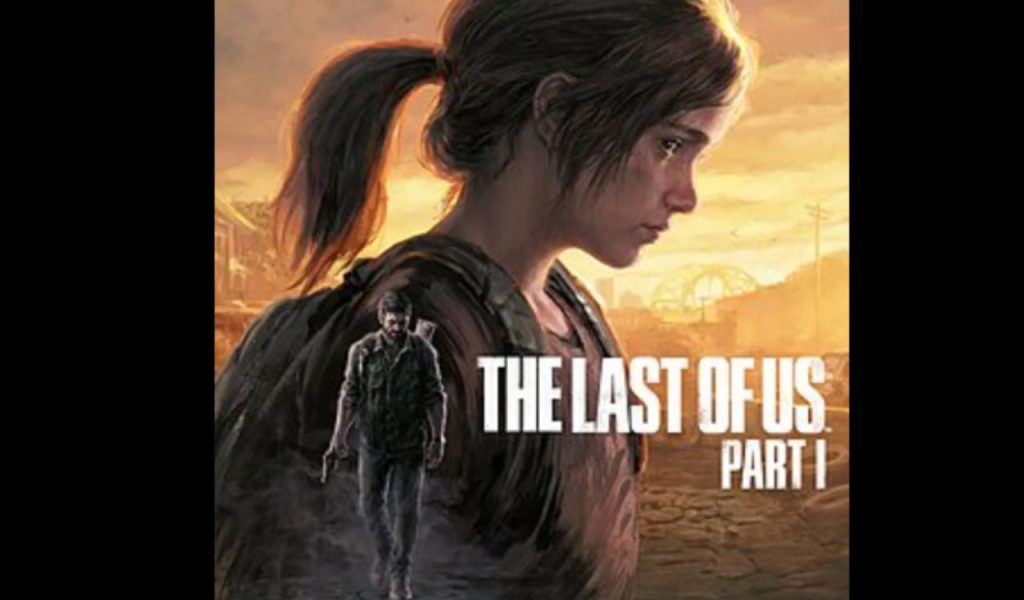
While more action-driven than traditional survival horror, The Last of Us thrives on scarcity. Ammunition is limited, crafting materials are shared between vital tools, and every encounter can drain precious supplies. Players must decide whether to craft a medkit for survival or a Molotov for offense. Rarely can you afford both. Stealth becomes essential, as wasting bullets often leads to regret later. Even small mistakes can cost valuable resources that are difficult to replace. By grounding its horror in realism and tough decisions, the game maintains constant pressure, reminding players that survival depends not on strength, but on careful management.
5. Alien: Isolation (2014)
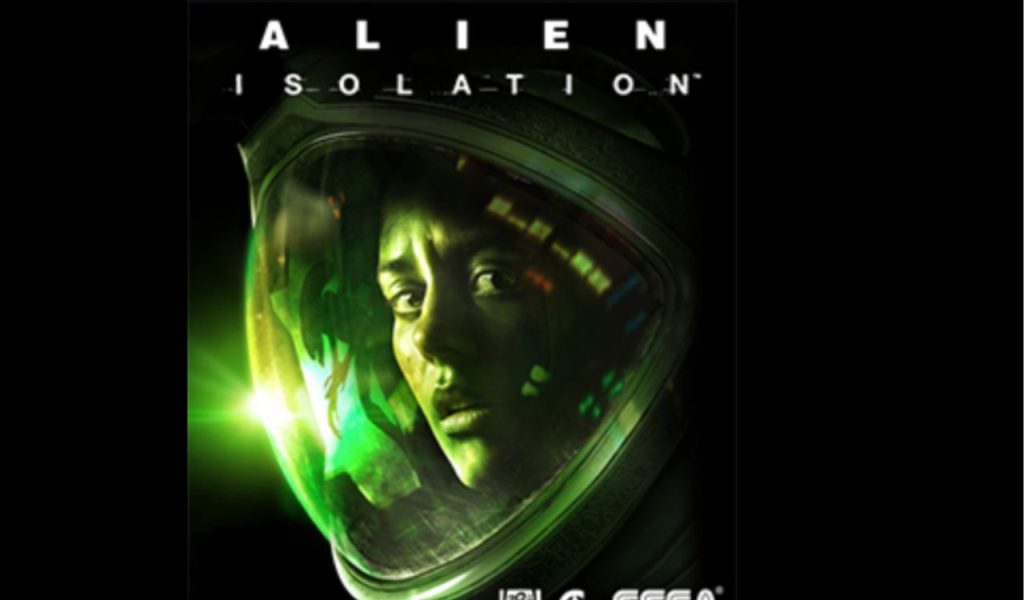
Alien: Isolation builds relentless tension through scarcity and unpredictability. Stranded aboard Sevastopol Station, Amanda Ripley has limited crafting components, scarce flamethrower fuel, and few reliable tools to defend herself. The motion tracker helps detect danger, but using it carelessly can reveal your position. The Xenomorph cannot be killed only delayed so wasting resources often leads to disaster later. Every locker you hide in and every step you take feels risky when supplies are running low. By combining limited resources with adaptive enemy AI, the game creates a constant sense of dread where survival depends on patience, stealth, and careful planning.
6. Outlast (2013)
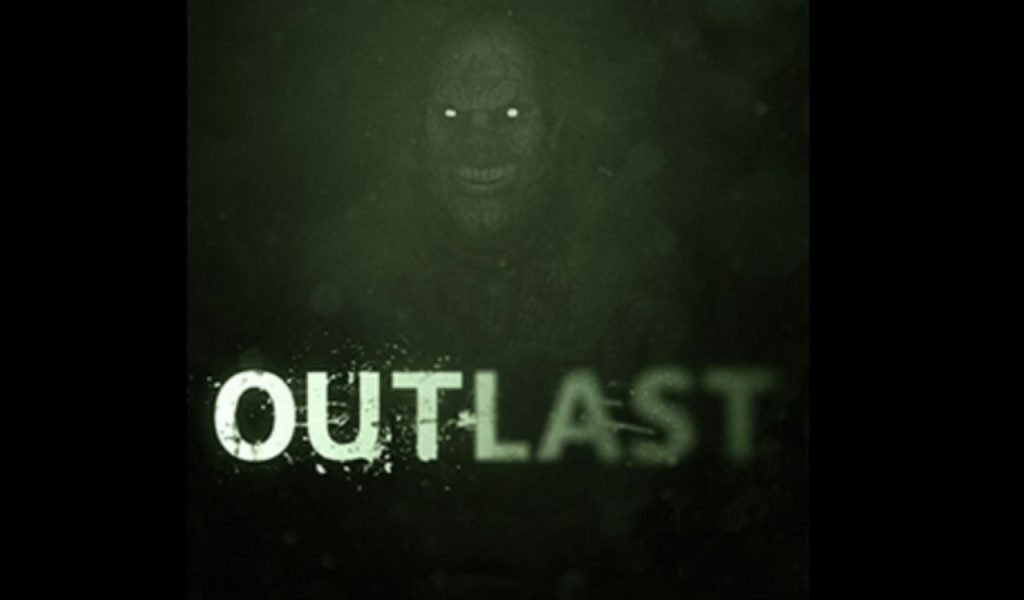
Outlast removes combat entirely, leaving players armed only with a camcorder equipped with night vision. Batteries power your only reliable way to see in the dark, and they are never plentiful. Exploring too aggressively drains power quickly, but moving without night vision can leave you vulnerable to unseen threats. With no weapons to fight back, survival relies on hiding, running, and conserving battery life. Every flicker of the screen signals danger, and the fear of total darkness looms constantly. By making visibility a limited resource, the game transforms simple exploration into a nerve-wracking struggle for survival.
7. Dead Space (2008)
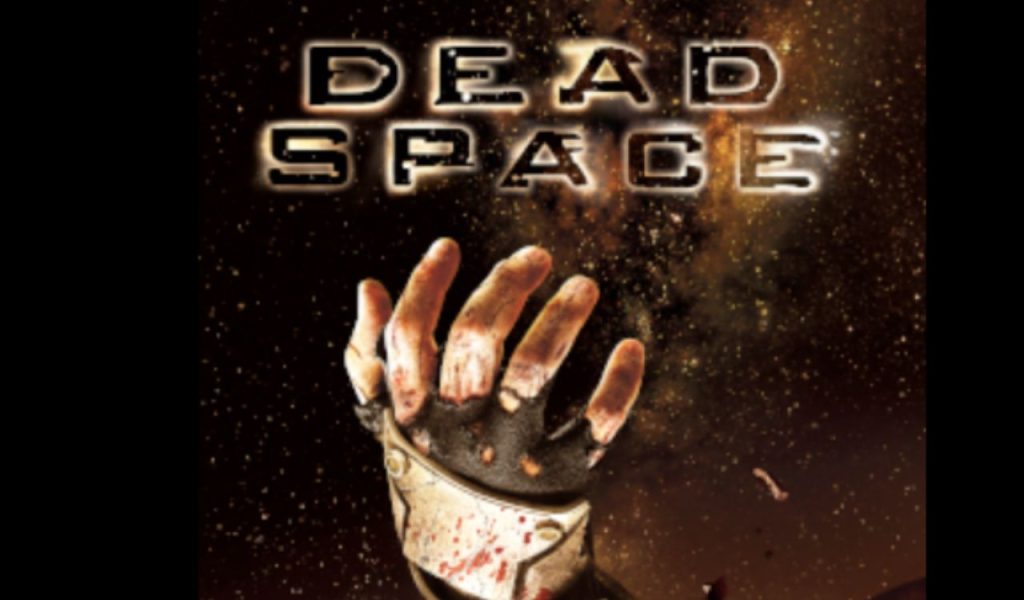
Dead Space blends action and survival horror by making precision and resource management equally important. Aboard the USG Ishimura, Isaac Clarke must strategically dismember Necromorphs to conserve ammunition, as random shooting wastes precious rounds. Health packs and credits are limited, forcing careful decisions at store terminals about what to upgrade or purchase. Even powerful weapons feel scarce when enemies swarm in tight corridors. The game’s immersive HUD and isolated setting intensify the pressure, ensuring that every encounter feels costly. By tying survival to accuracy and smart spending, Dead Space keeps tension high from start to finish.
8. The Evil Within (2014)
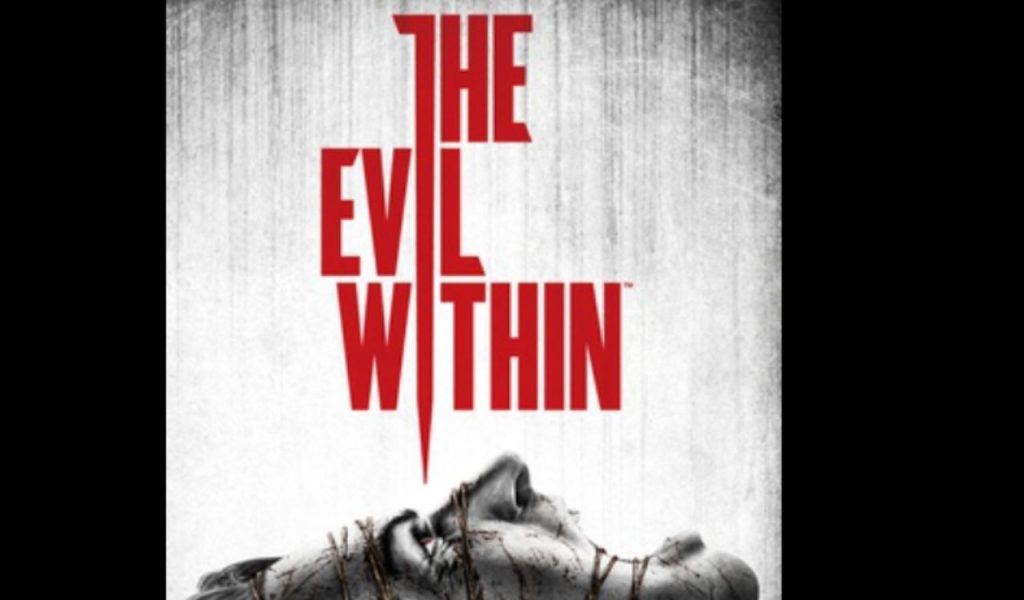
The Evil Within embraces classic survival horror design with tight ammo counts and brutal enemy encounters. Supplies are deliberately scarce, pushing players to rely on stealth, traps, and crafted bolts for the Agony Crossbow. Healing items are limited, and mistakes during combat can quickly drain your reserves. Safe rooms offer brief relief, but the world outside is unforgiving and unpredictable. Boss fights often demand creative use of the environment rather than brute force. By constantly restricting resources and encouraging strategic play, the game maintains a stressful atmosphere where every decision can determine survival.
9. Darkwood (2017)
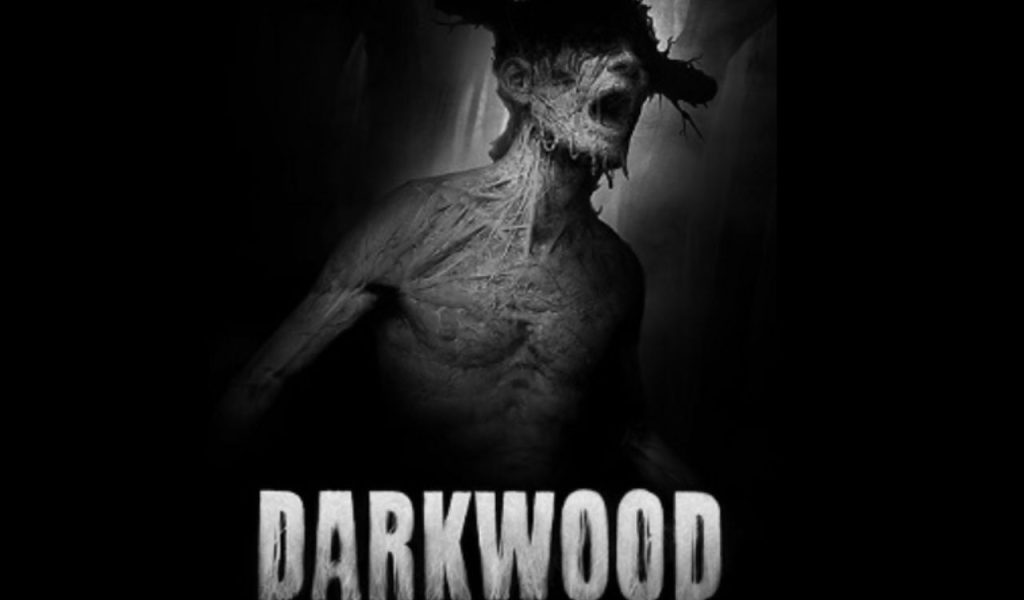
Darkwood delivers survival horror from a top-down perspective, but its limited resources make it just as terrifying as any first-person experience. During the day, players scavenge abandoned homes and forests for supplies, never finding quite enough to feel secure. At night, those resources determine whether you survive. Barricading doors, setting traps, and conserving ammunition become essential strategies. Every bullet fired or plank used could mean having less protection when darkness falls. With no hand-holding and minimal guidance, the game relies on scarcity and uncertainty to build dread, making each night a tense fight against the unknown.
10. Signalis (2022)
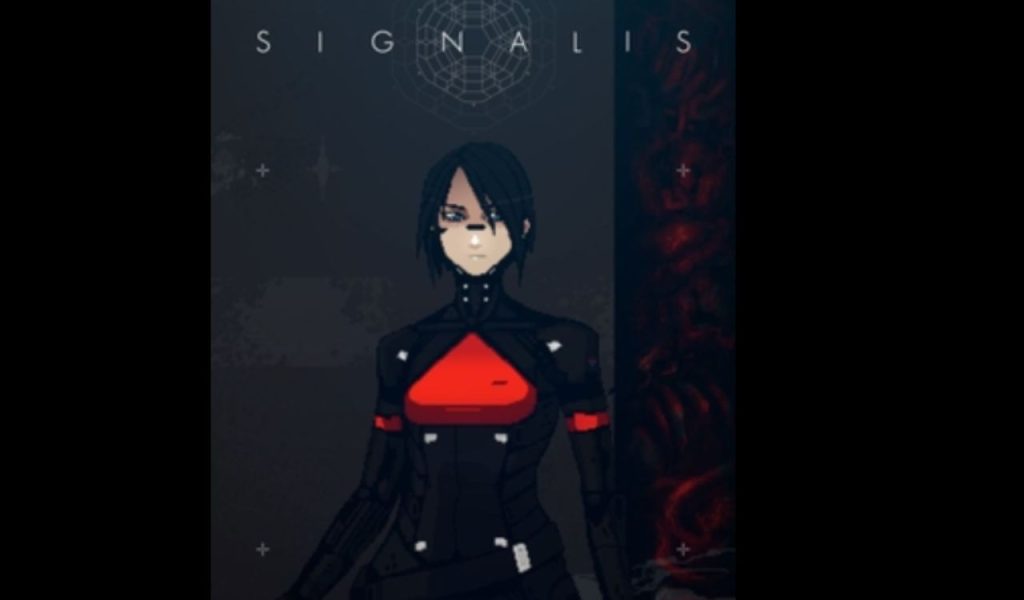
Signalis channels classic survival horror with strict inventory limits and carefully rationed ammunition. Players can carry only a small number of items at once, forcing difficult choices between weapons, healing supplies, and key objects. Combat is deliberate and costly, often encouraging avoidance over confrontation. Resources are scattered sparingly, and enemies can return if not handled properly, increasing pressure on limited ammo. Its retro-inspired design enhances the sense of isolation and vulnerability. By embracing old-school restrictions while delivering modern psychological depth, Signalis proves that scarcity remains one of horror’s most powerful tools.