

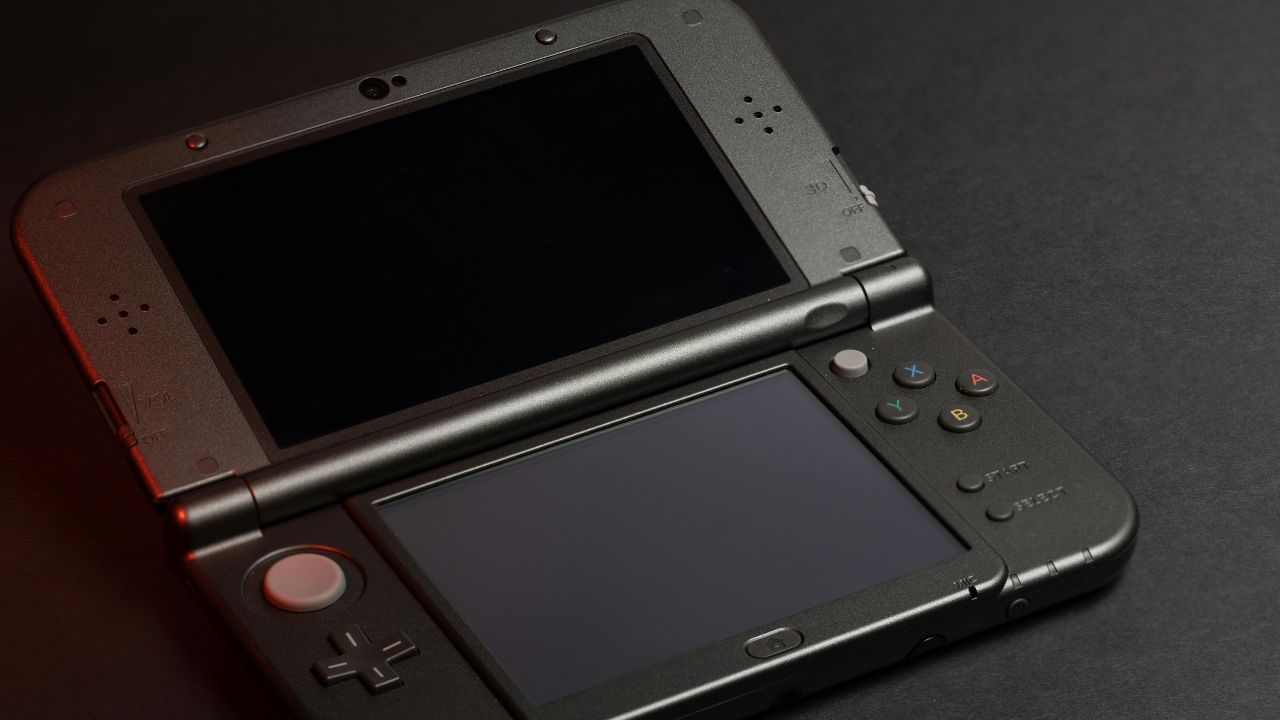

The 2000s were a fascinating period of technological transition, sitting between the analog-heavy ’90s and the smartphone-dominated world we live in today. It was a decade defined by experimentation, bold ideas, and devices that felt ahead of their time—even if they seem outdated now. Many of these innovations shaped how we interact with technology today, while others faded into obscurity as quickly as they appeared. That era gave us gadgets and platforms that once felt essential to daily life but have since been overshadowed by faster, smarter, and more integrated technologies. Still, these trends left a memorable mark on pop culture and digital history, influencing everything from communication to entertainment. Looking back reveals just how far technology has come in such a short time.
1. MP3 Players
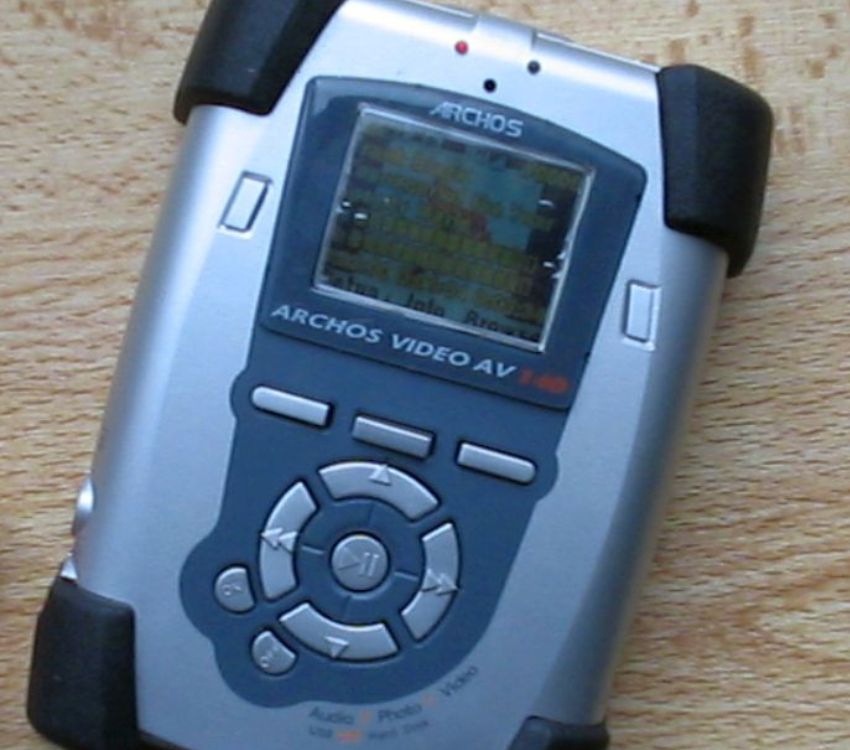
MP3 players were once a revolutionary way to carry your music library everywhere. Long before streaming services existed, people spent hours downloading songs, organizing playlists, and transferring tracks to compact devices capable of holding only a few dozen tunes. Brands like Creative Zen, iRiver, and the digital Sony Walkman dominated pockets and backpacks around the world. Although they were eventually replaced by smartphones, MP3 players represented a turning point in how music was consumed. Instead of CDs or tapes, digital files became the new standard. These devices made music portable, customizable, and personal, laying the foundation for the streaming culture we enjoy today.
2. Flip Phones and the Rise of the Motorola Razr
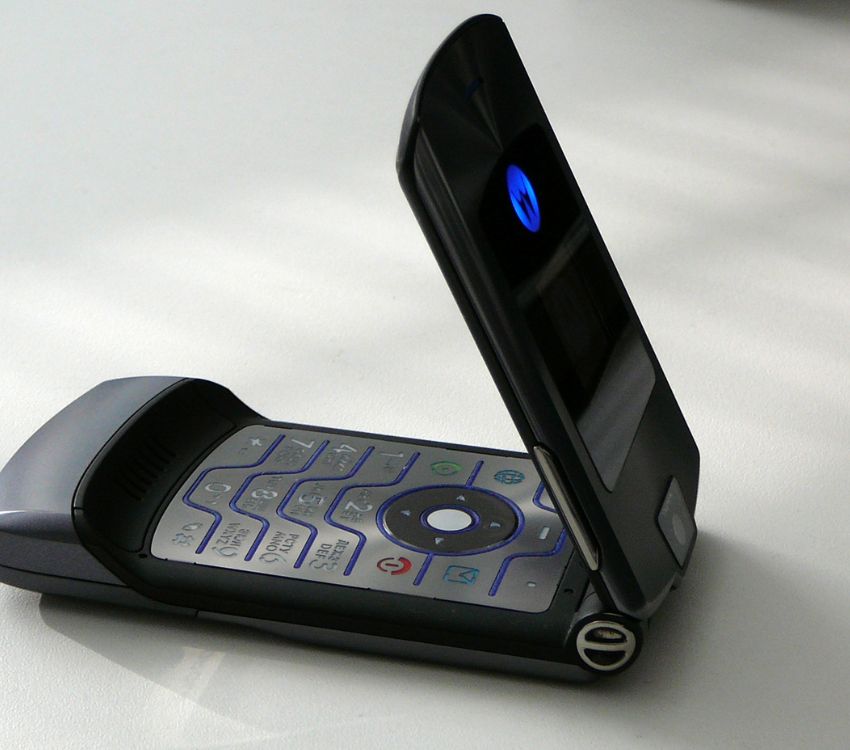
Flip phones were iconic in the early 2000s, offering a satisfying “snap” when opening or closing them. Among these, the Motorola Razr stood out as a sleek, futuristic status symbol. Thin, metallic, and widely fashionable, it became one of the best-selling phones of the decade. Texting on T9 keyboards was a skill people proudly mastered. Despite disappearing as smartphones took over, flip phones remain nostalgic symbols of pre-touchscreen communication. Their compact size, durability, and tactile feel gave them a charm that modern devices sometimes lack. Today, they are occasionally revived in retro-inspired designs that blend old-school style with modern tech.
3. PDAs (Personal Digital Assistants)
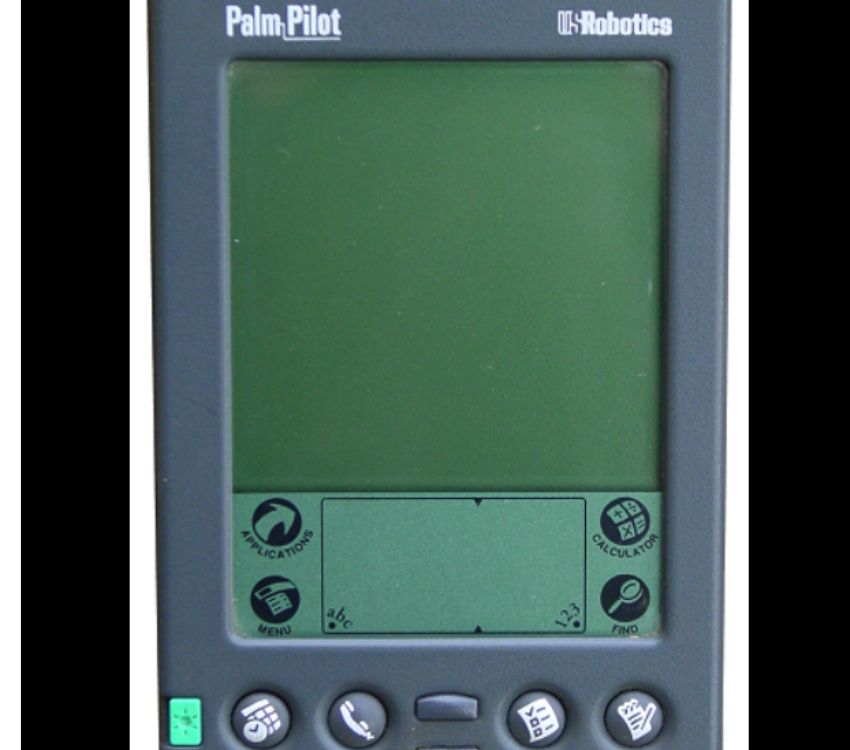
Before smartphones emerged, PDAs like the PalmPilot and HP iPAQ were prized for their ability to organize schedules, contacts, and notes. With stylus-based interfaces and simple apps, they gave users a digital pocket planner long before mobile apps became mainstream. For many professionals, a PDA was essential for staying organized. Though PDAs are almost entirely forgotten today, they played a vital role in the evolution of mobile computing. They introduced the idea that personal information could be accessed digitally on the go. Their influence can still be seen in modern productivity apps, cloud syncing, and touchscreen navigation.
4. Ringtones and Customization Craze
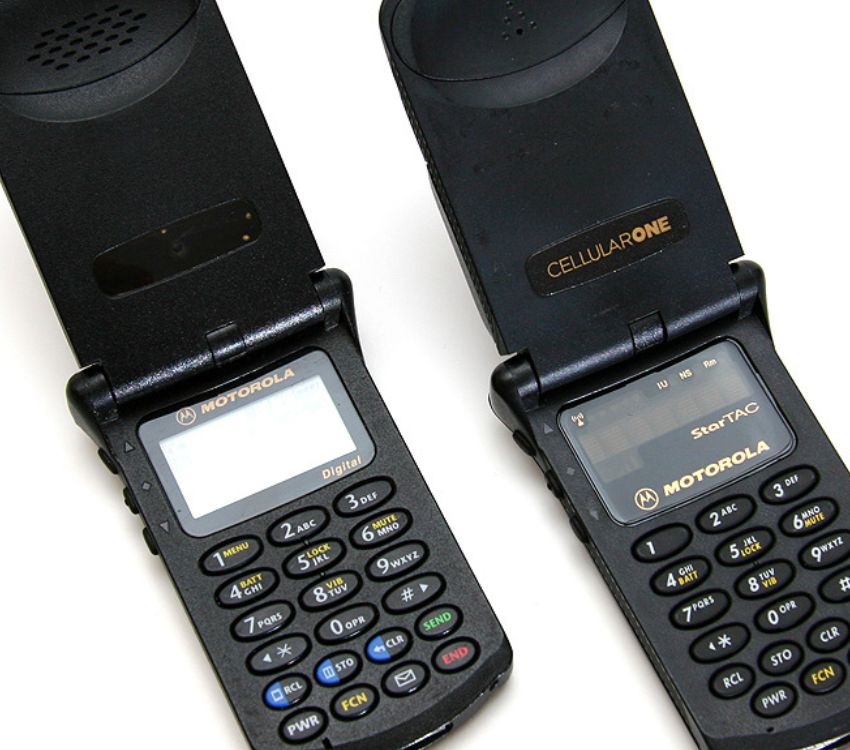
In the 2000s, choosing the perfect ringtone was almost a form of self-expression. People spent real money on downloadable ringtones, monophonic tones, polyphonic melodies, and eventually full-song ringtones. Custom message tones and personalized alerts were equally popular, turning every incoming call or text into a mini performance. It wasn’t unusual to hear a crowded room erupt with various pop songs, movie themes, or quirky sound effects. This era of ringtone customization faded as smartphones standardized notification sounds and streaming made music more accessible. Still, the trend reflected how personal technology became a way to showcase individuality.
5. Digital Cameras
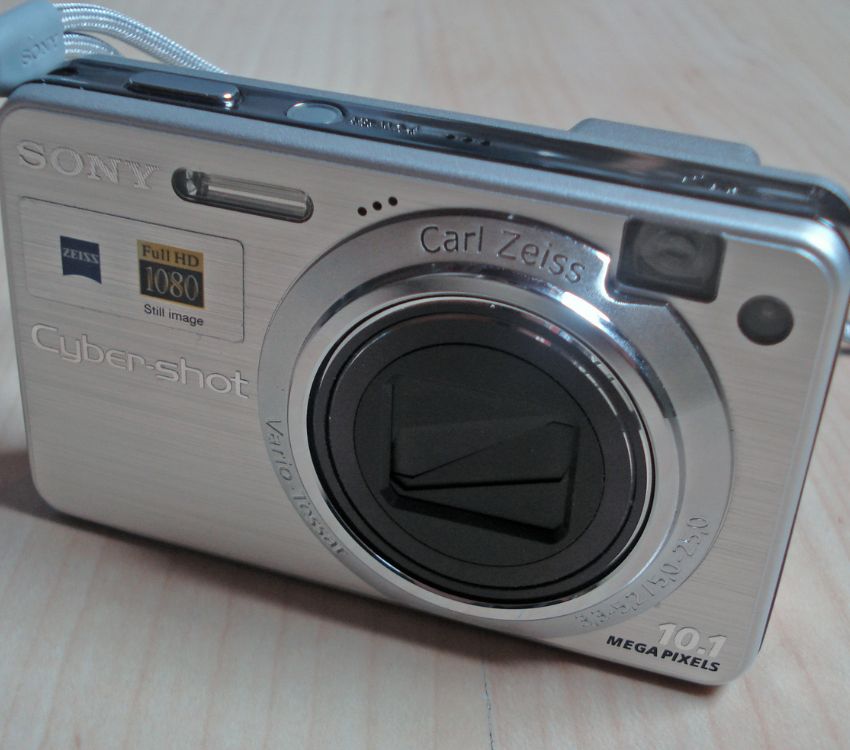
In the 2000s, digital cameras were the go-to tools for capturing memories. Compact point-and-shoot models from Kodak, Canon, and Sony were staples of vacations, school events, and family gatherings. Uploading photos to a computer and sharing them via email or early social networks felt exciting and modern. As smartphone cameras improved, digital cameras slowly lost their dominance. However, they paved the way for our obsession with photography today. Without them, we might not have the selfie culture, instant sharing, or high-quality mobile imaging we now take for granted.
6. LimeWire, Napster & Music Downloads

Peer-to-peer file-sharing programs like LimeWire and Napster transformed how people accessed music. For the first time, millions could download songs instantly, though often illegally, which disrupted the music industry and fueled debates about digital rights. It was risky, slow, and full of viruses, but it felt revolutionary. These platforms laid the groundwork for how we think about digital content today. They showed the demand for fast, accessible, and customizable music libraries. While the original services disappeared, their influence helped inspire legal alternatives like Spotify, Apple Music, and other streaming giants.
7. Portable DVD Players
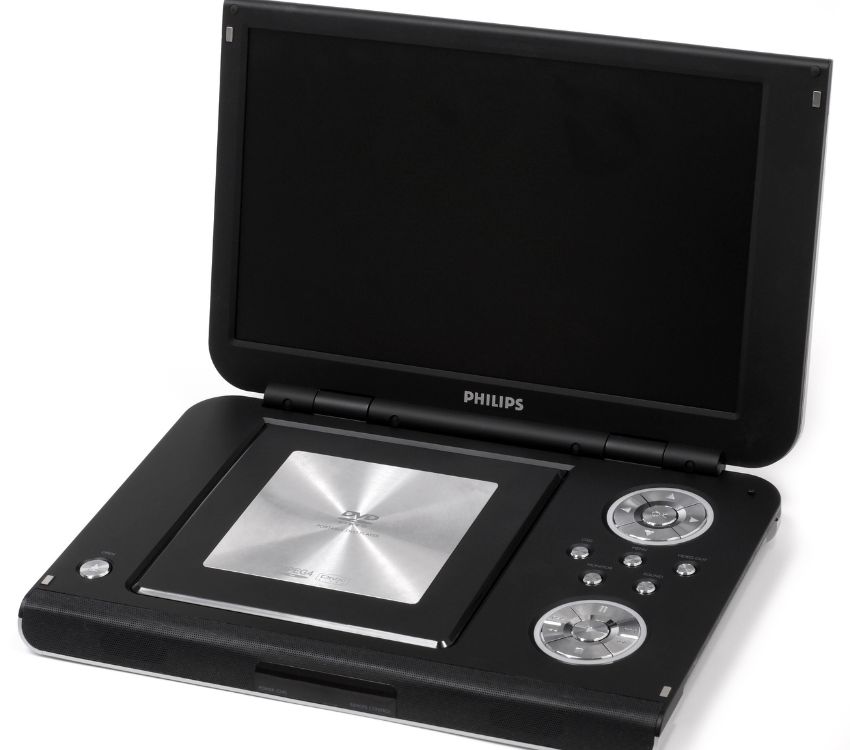
Portable DVD players were a lifesaver for long car rides and flights. Their foldable design allowed users to watch movies anywhere, offering entertainment at a time when mobile streaming didn’t exist. Families often relied on them to keep kids entertained during vacations. Although tablets eventually replaced them, portable DVD players played a key role in making media mobile. They introduced the concept of portable video consumption and influenced the development of modern on-the-go entertainment options like Netflix and YouTube apps.
8. BlackBerry & the Era of Physical Keyboards
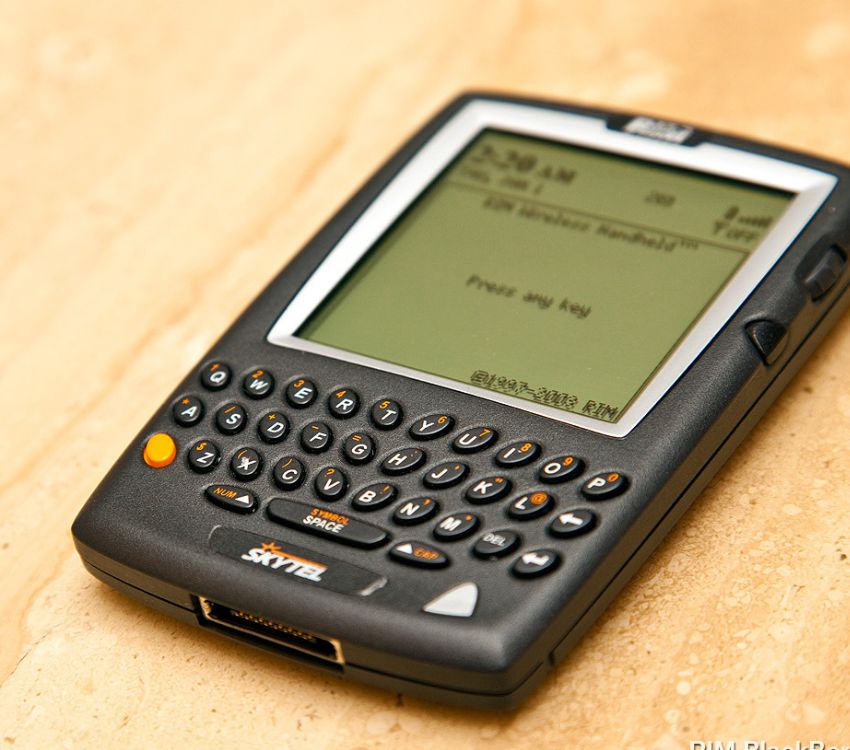
BlackBerry devices were once the ultimate business tool, known for their reliable email access and satisfying physical keyboards. For a time, owning one was seen as a sign of professionalism and technological savvy. Many people believed a touchscreen could never replace the feel of real keys. Even though BlackBerry eventually faded from the mainstream, it shaped the early smartphone era and set the standard for mobile productivity. Features like push email, secure messaging, and professional connectivity influenced modern smartphones and workplace communication tools.
9. Early Bluetooth Earpieces
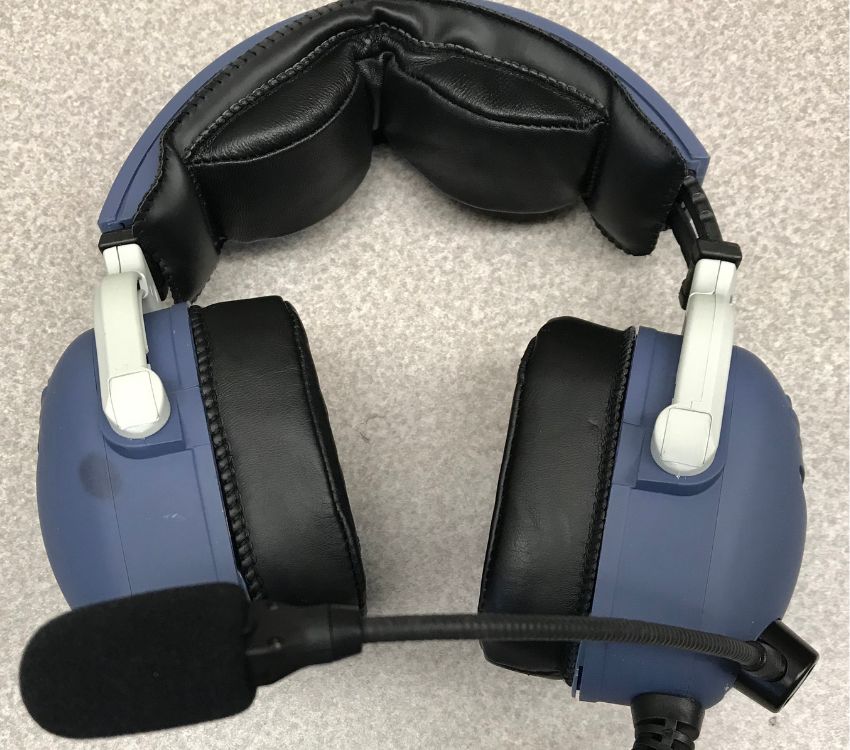
In the early 2000s, Bluetooth earpieces were considered futuristic accessories. They allowed hands-free calling in an era when wireless connectivity was still new. With blinking lights and chunky designs, they made wearers look like they were talking to themselves or like characters from sci-fi movies. Over time, Bluetooth technology evolved to power everything from wireless earbuds to smart home devices. Those early earpieces may seem outdated now, but they were the first glimpse of the wireless world we live in today. Their clunky beginnings eventually led to the sleek audio tech we rely on daily.
10. The First GPS Units for Cars
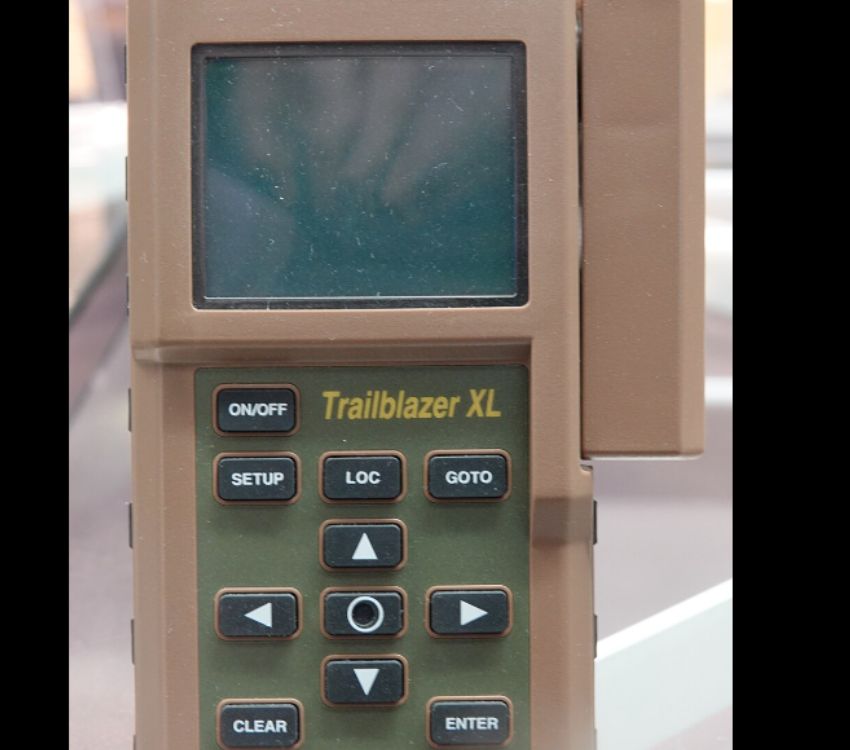
Standalone GPS devices from companies like Garmin and TomTom changed the way people navigated. Instead of printing directions from MapQuest, drivers could get turn-by-turn guidance right in their cars. Though far from perfect, these early units made road trips easier and safer. As smartphones took over navigation duties, standalone GPS units quickly lost relevance. Nevertheless, they were a crucial step toward real-time location services and mobile mapping apps. Without them, we might not have features like Google Maps, Waze, or integrated car navigation systems.