




Many games earn reputations for being flawed, frustrating, or disappointing, yet somehow they maintain huge followings and remain active parts of gaming culture. Whether supported by brand power, constant updates, strong communities, meme popularity, or simple addictive design, these titles continue to thrive despite ongoing criticism. Some launched with severe technical issues, others suffered from uneven gameplay or questionable decisions, yet each still commands attention. The following ten games demonstrate how popularity doesn’t always align with critical praise, proving that cultural momentum can outweigh imperfect design.
1. Fortnite
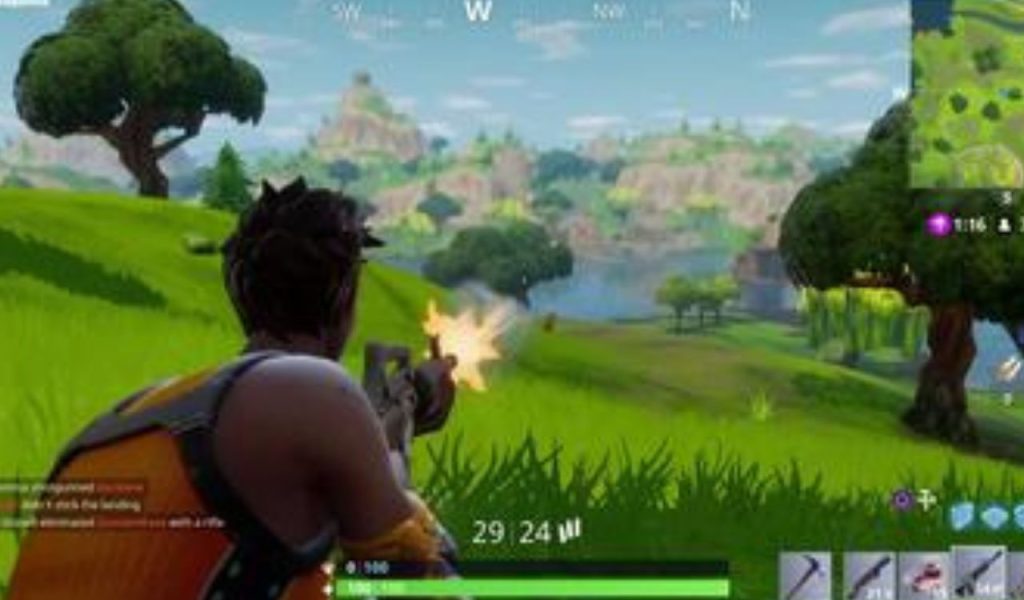
Despite being one of the most successful games ever, Fortnite is often criticized for chaotic building mechanics, unpredictable balance changes, and an overwhelming flood of crossover content. Many players argue that constant updates make the game feel inconsistent or cluttered. Yet its cultural reach, energetic social spaces, and rotating events keep millions returning. The game thrives because it’s more than a shooter—it’s a social hub, creative playground, and marketing powerhouse. Even critics acknowledge its ability to generate excitement and evolve rapidly, maintaining massive popularity despite ongoing debates over its quality.
2. Fallout 76
Fallout 76 launched to widespread backlash due to missing NPCs, numerous bugs, server instability, and confusing design decisions that left fans disappointed. Many felt it failed to capture what made Fallout special. However, its recognizable branding, large open world, and steady post-launch updates have kept a dedicated audience engaged. Expansions added storylines, characters, and quality-of-life improvements that softened initial criticism. Although not universally redeemed, the game maintains a surprising level of popularity thanks to its community-driven events and persistent world.
3. Destiny 2
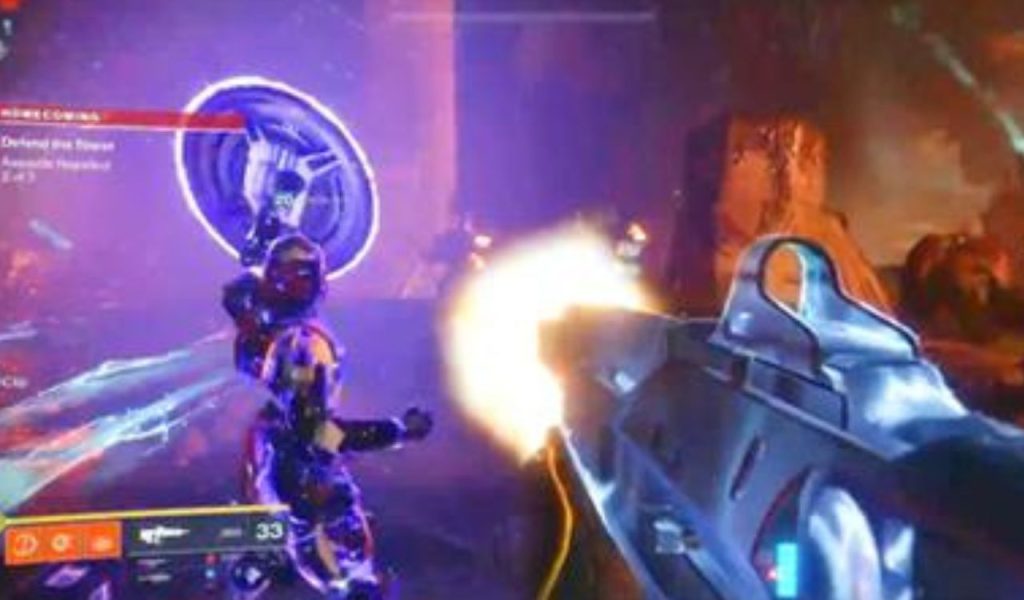
Critics frequently call out Destiny 2 for repetitive grinding, inconsistent storytelling, and controversial decisions like content vaulting. Many players express frustration over frequent balance changes and monetization approaches. Yet the game’s exceptional gunplay, cooperative raids, and rewarding endgame loops keep it thriving. Its community is passionate, deeply involved, and eager to tackle new seasonal content. Even when updates spark debate, engagement remains high because few games offer such polished shooting, teamwork-focused activities, and long-term progression. Its blend of sci-fi lore and live-service evolution ensures its popularity endures despite persistent criticism.
4. No Man’s Sky

Initially criticized as one of the most disappointing launches in gaming history, No Man’s Sky lacked promised features and felt repetitive and empty. Yet its developer delivered years of free updates that transformed the experience with deeper exploration, multiplayer, base-building, and storytelling. While some players still consider its early failure unforgivable, others celebrate its remarkable comeback. The game’s enormous universe, imaginative visuals, and relaxing loop continue drawing new players. Its popularity today is driven by redemption narrative as much as gameplay, proving that persistence and reinvention can overturn even the harshest criticism.
5. Call of Duty: Ghosts
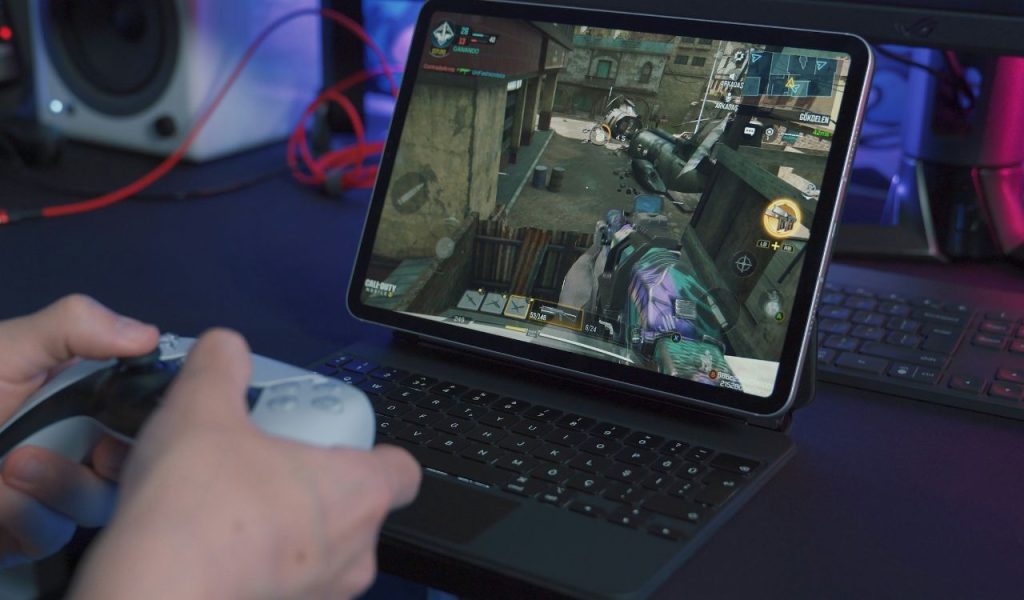
Call of Duty: Ghosts is widely seen as one of the franchise’s weakest entries, criticized for bland campaign writing, uninspired multiplayer maps, and mechanics that failed to innovate. Yet despite the negativity, it sold millions simply because the brand’s momentum was unstoppable at the time. The game remained heavily played thanks to its familiar fast-paced formula and the draw of annual COD communities. Many fans acknowledge its flaws yet continue to view it nostalgically for its weapons, modes, or era of online play. Its success highlights how powerful franchise loyalty can be.
6. Overwatch 2
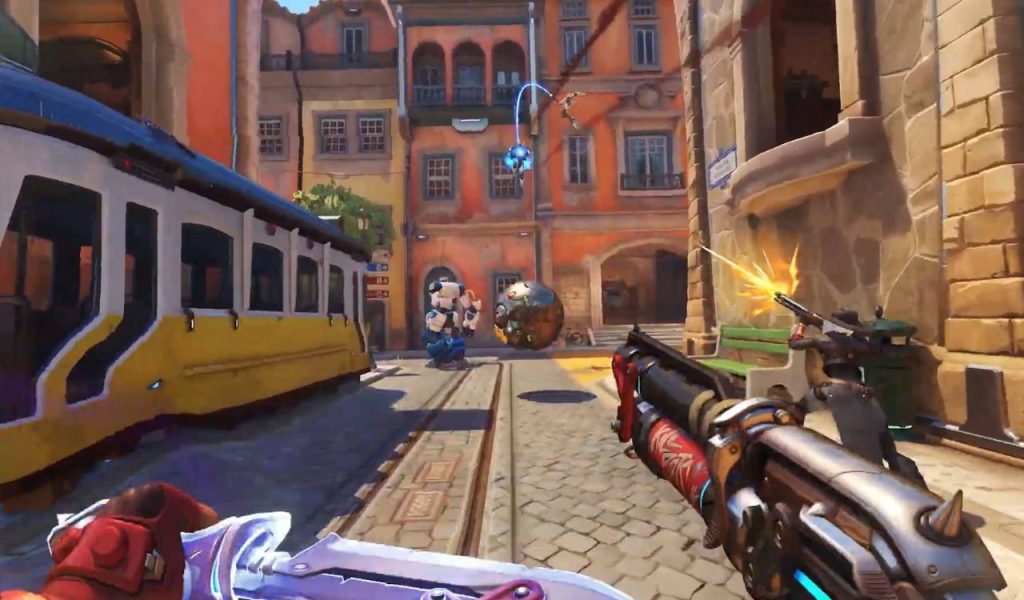
Overwatch 2 launched with enormous expectations, promising a major evolution of the original hit hero-shooter. However, players quickly criticized its removal of popular features, the shift to 5v5 combat, and an aggressive monetization system that replaced the beloved loot-box model with expensive cosmetics. Many also felt that the long-teased PvE mode, the game’s biggest selling point, was scaled back dramatically. Despite these frustrations, the game maintains a massive player base thanks to its fast-paced action, polished hero design, and strong esports identity. Overwatch 2 remains widely played, not because everyone approves of its direction, but because its core gameplay loop is still uniquely satisfying and hard to replace.
7. Sonic the Hedgehog 2006
Often considered one of the worst major releases in gaming history, Sonic 06 suffered from bugs, loading issues, and baffling design choices. Yet its reputation transformed it into a cult icon within the Sonic community. Fans ironically celebrate its broken physics, awkward story moments, and unintentional comedy. The game’s notoriety fuels speedrun challenges, meme culture, and ongoing discussion. Despite almost universal criticism, it remains one of the most talked-about Sonic titles ever. Its popularity proves that being “bad” doesn’t stop a game from becoming beloved; sometimes it makes it even more memorable.
8. Deadly Premonition
Deadly Premonition is famous for clunky controls, strange pacing, and outdated visuals, yet it has one of the most passionate cult followings in modern gaming. Its quirky storytelling, eccentric characters, and surreal humor give it an oddly charming personality that overshadows its flaws. Many admire it for embracing weirdness without apology, offering an experience unlike any other. Critics often describe it as “so bad it’s good,” but fans consider its rough edges part of its charm. Its continued popularity—sequels, ports, and fan analysis proves that unconventional creativity can triumph over technical imperfections.
9. Cyberpunk 2077
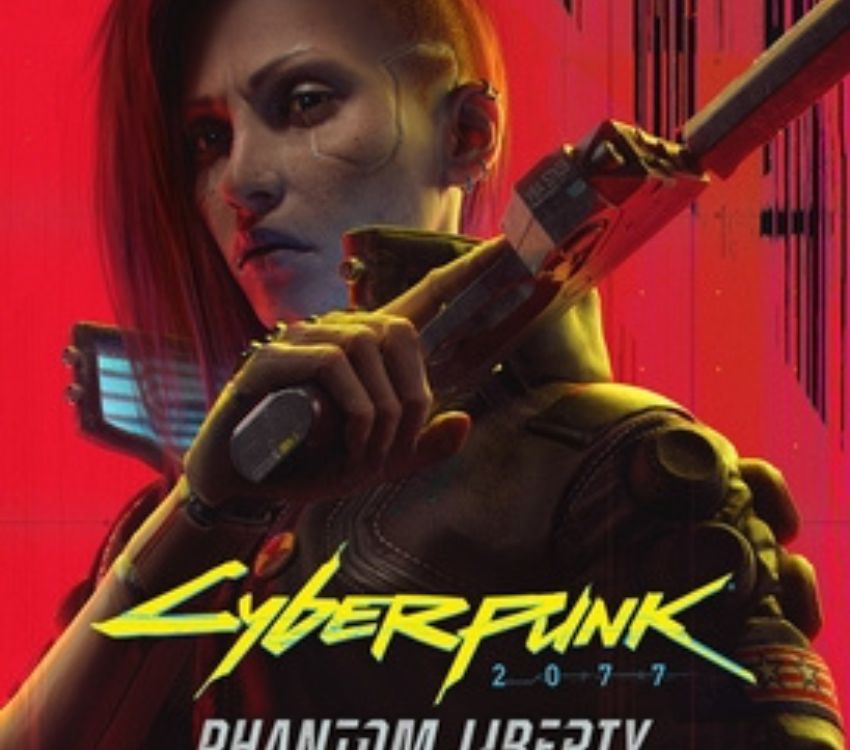
At launch, Cyberpunk 2077 became a global controversy due to severe bugs, missing features, and disastrous console performance. Many declared it a failure despite strong core storytelling. However, updates, patches, and expansions significantly improved the game, drawing millions back. Its dense world-building, rich quests, and compelling characters earned renewed appreciation. Even during its troubled release window, it maintained immense popularity thanks to marketing hype and franchise expectations. Now considered a redemption story, its journey shows how a flawed game can recover—and even thrive—when supported by strong narrative design and dedicated updates.
10. Five Nights at Freddy’s
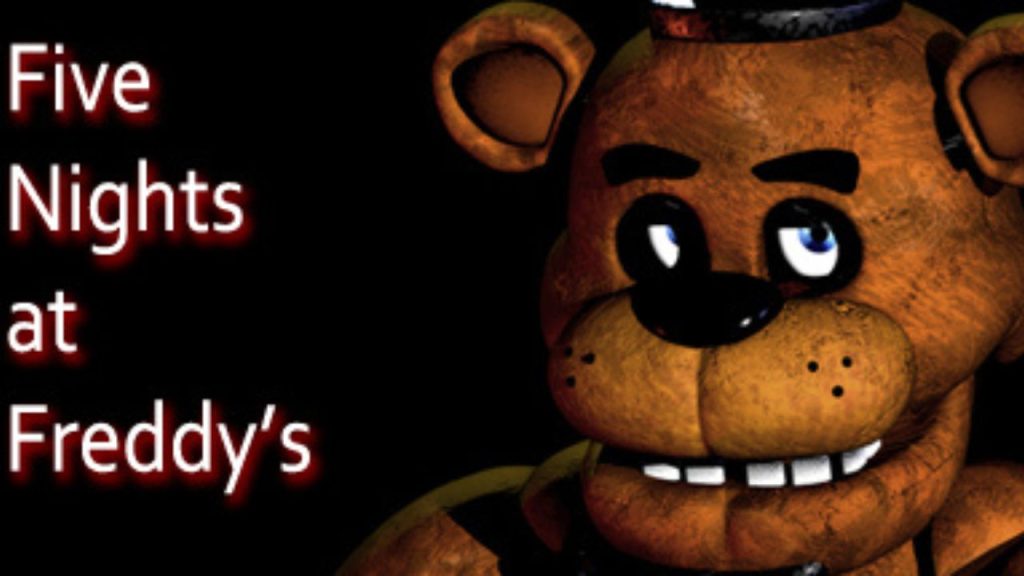
Despite simple mechanics, repetitive structure, and divisive jump-scare reliance, Five Nights at Freddy’s became a cultural phenomenon. Critics often dismiss its gameplay as shallow, yet its atmosphere, lore, mysteries, and rising difficulty created a compelling loop. The series exploded thanks to YouTube playthroughs, fan theories, and constant sequels that kept the franchise in the spotlight. Even players who consider it “bad” acknowledge its massive impact on indie horror and online culture. Its popularity proves that a strong concept and viral presence can outweigh technical or mechanical limitations.