


Virtual reality can copy standard gaming, aim, shoot, jump, but the medium gets strange when it leans into scale, body movement, and the feeling of actually being somewhere for the first time. The games below don’t play like flatscreen titles with a headset bolted on. They ask you to think with your hands, your balance, your voice, or your attention, and they reward curiosity instead of muscle memory. Each pick highlights a different kind of “not standard” design, so you can sample what VR does best: presence, physicality, and interaction that would be awkward or impossible on a TV.
1. Beat Saber

Beat Saber is closer to a rhythm workout than a traditional action game. You’re not “controlling” a character, you’re slicing beats with your arms, and small mistakes feel like you missed a step in a dance. Because targets arrive in 3D space, timing is only half the job. You also learn stance, reach, and how to reset your body between patterns, which is a very un-console skill, especially on faster maps. It’s also easy to read for new players: the rules are obvious in seconds, but mastery turns into cardio and choreography you can feel in your shoulders the next day.
2. SUPERHOT VR

SUPERHOT VR flips shooter pacing into a puzzle about your own movement. Time advances mainly when you move, so a tiny lean, a head turn, or a step can be the difference between a clean dodge and a face full of bullets. That rule makes every room feel like a physical diorama you’re rearranging in slow motion under pressure. You plan with your hands, grab weapons, throw objects, and commit your body to choices that would be just button taps on a screen. The replays highlight why it works: your ‘action hero’ moments are built from careful, almost meditative motion control, not twitch aim at all.
3. A Fisherman’s Tale

A Fisherman’s Tale is a puzzle game built around impossible scale. You’re inside a tiny lighthouse, but you can pick up a miniature version of the same room, move it, and watch the ‘real’ room change to match. Instead of memorizing rules, you experiment like you’re handling a physical model. Opening doors, shifting objects, and even moving your own body become part of solving the space, not a separate ‘control scheme’. You learn by touching everything. It’s the kind of concept VR sells instantly, because your hands make the trick feel real, and your brain stops arguing with it.
4. Moss
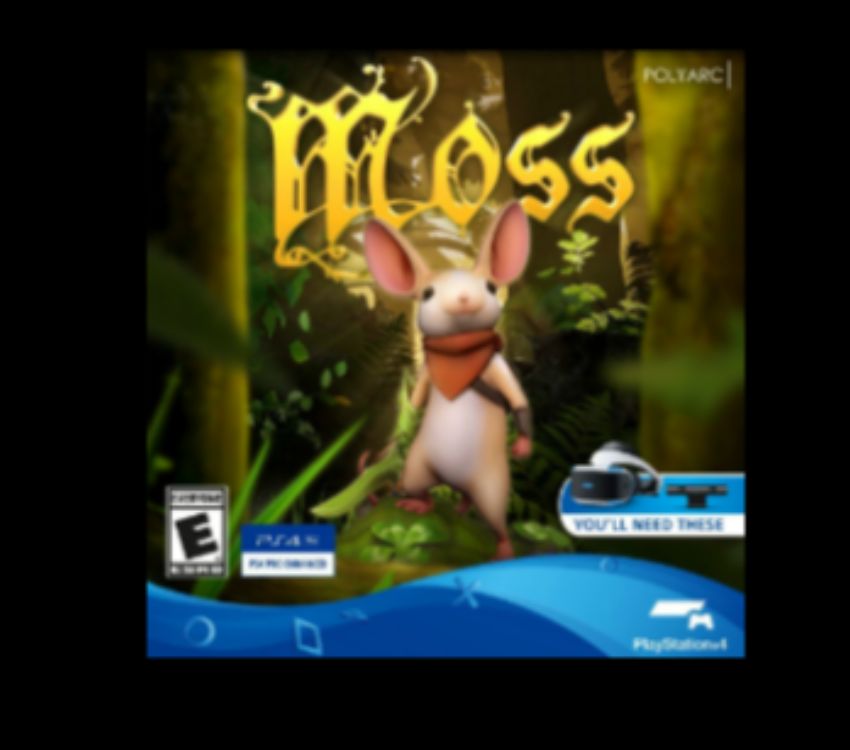
Moss feels like you’re leaning over a living storybook. You guide Quill, a tiny mouse hero, with a controller, but you also exist in the world as a ‘reader’ who can reach in, pull levers, hold platforms, and point her toward secrets. That split role is what breaks the standard mold. You’re both player and presence, switching between gentle observation and direct hands-on help without ever leaving the scene. Even simple puzzles feel tactile when you grab and place objects. It’s less about winning fights and more about caretaking and exploration, which gives VR a surprisingly calm, intimate vibe.
5. The Under Presents
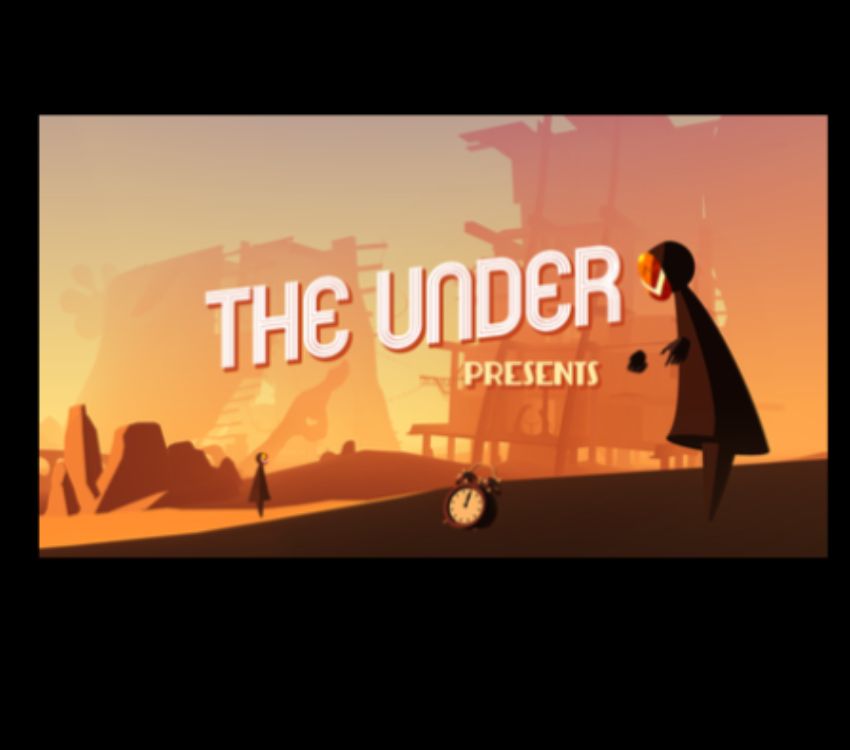
The Under Presents is part theater, part scavenger hunt, and part social experiment. It drops you into a surreal stage-like space where silent players mingle, performers sometimes appear live, and story fragments hide in corners. There isn’t a clean mission structure like most games. You learn by watching, copying gestures, and poking at props until the world reacts, and some areas loop in time, which makes discovery feel personal. Because it mixes scripted scenes with unpredictable humans, it can feel closer to attending a show than completing levels, with you as part of the audience.
6. VRChat
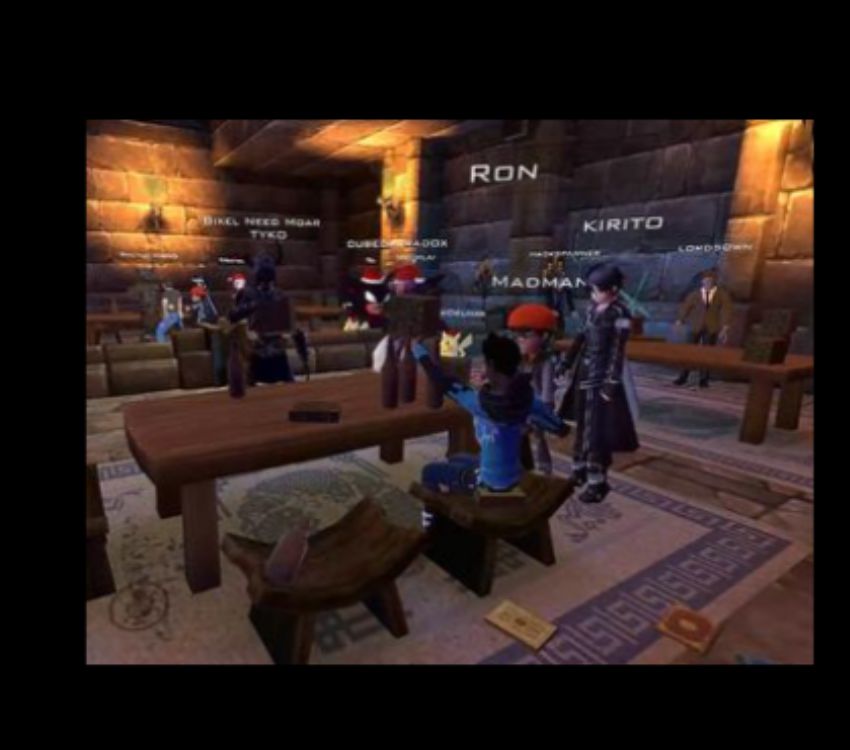
VRChat isn’t really a game in the traditional sense; it’s a platform for hanging out in user-made worlds. The ‘goal’ might be a comedy night, a dance club, a language exchange, or just messing around with friends as wildly different avatars. What makes it feel unlike standard gaming is the social presence. Body language, personal space, and voice become your main inputs, so the experience depends more on people than on systems. World-hopping feels like changing venues in minutes. On a good night, it plays like improv: you show up, react, and create stories you couldn’t script ahead of time.
7. Wander

Wander is basically street-level travel in VR, built around real-world imagery. Instead of scoring points, you jump from place to place, stand on a sidewalk in Tokyo, then instantly ‘teleport’ to a desert road or your childhood neighborhood. That makes it feel more like a tool than a game, and the best sessions are slow. You read signs, look at architecture, and follow tiny details the way you would on a real walk, pausing whenever you want. It’s popular for low-stress exploration, but it’s also useful: planning trips, revisiting landmarks, or showing a friend where you grew up.
8. Pistol Whip
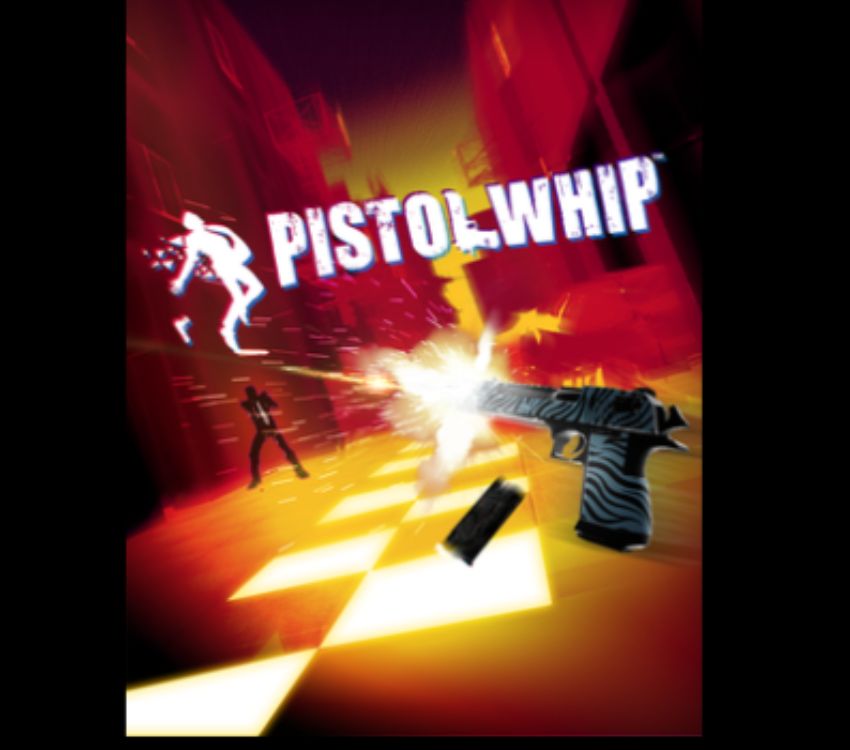
Pistol Whip blends on-rails shooting with rhythm, so it feels like moving through a music video you can aim inside. Enemies, shots, and dodges line up with the beat, and your body becomes the timing device. Unlike a standard shooter, success is about posture and flow. You dip under fire, lean around cover, and reload with quick motions, which makes the action feel athletic rather than technical. After a few stages, you’ll notice the sweat factor. The result is ‘dance combat’: you can play it safely and steadily, or chase style points by moving more and shooting on the downbeat.
9. The Room VR: A Dark Matter
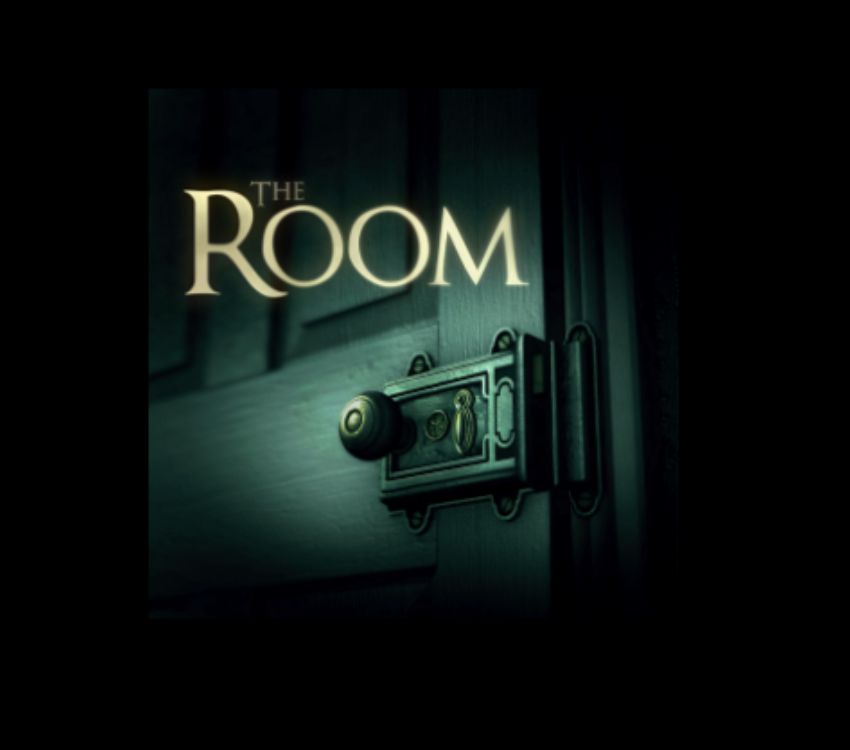
The Room VR plays like an escape room built from intricate, hand-sized machines. You don’t select items from an inventory; you pick them up, turn them over, look for seams, and physically manipulate locks, gears, and hidden latches. Because everything is close and tactile, attention becomes the main skill. You lean in to read engraving, listen for clicks, and test mechanisms the way you would with a real puzzle box. Even the lighting guides your eyes like stagecraft. It’s slow on purpose, and that’s the point: it replaces action with touch-based problem solving that feels natural in VR.
10. Walkabout Mini Golf
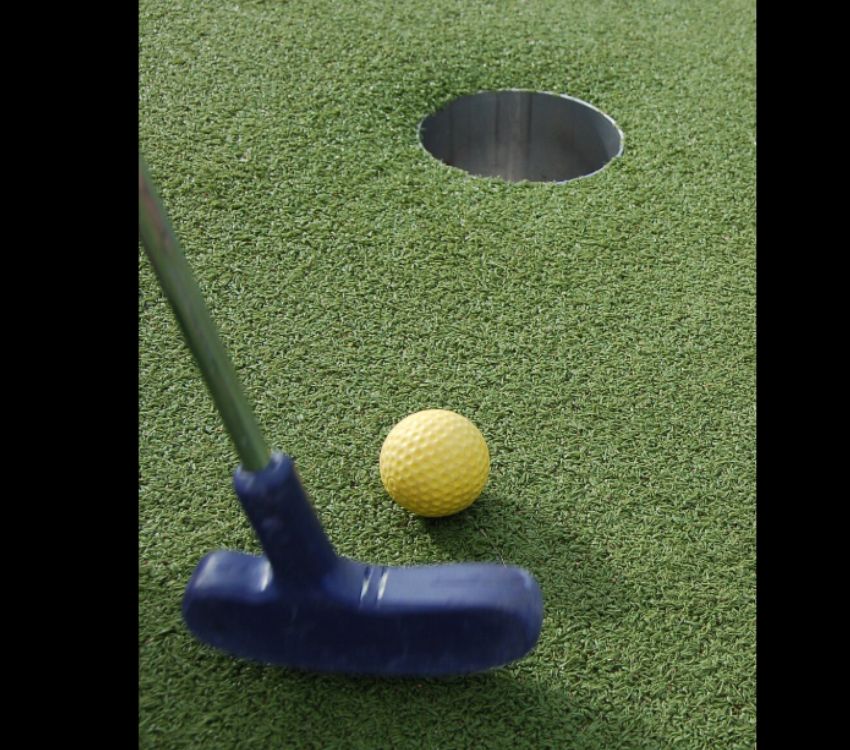
Walkabout Mini Golf feels less like sports gaming and more like meeting up in person for a relaxed hangout session. The controls are simple, but the sense of distance, slope, and putting angle is surprisingly readable when you can stand over the ball and line up a natural swing. The real difference is pacing. Rounds are conversational, with players exploring course details, hunting for hidden balls, and taking shots at their own pace rather than racing a timer. It’s a comfort title for many VR owners because it’s social without being chaotic, and it shows how ‘presence’ can be a feature.