

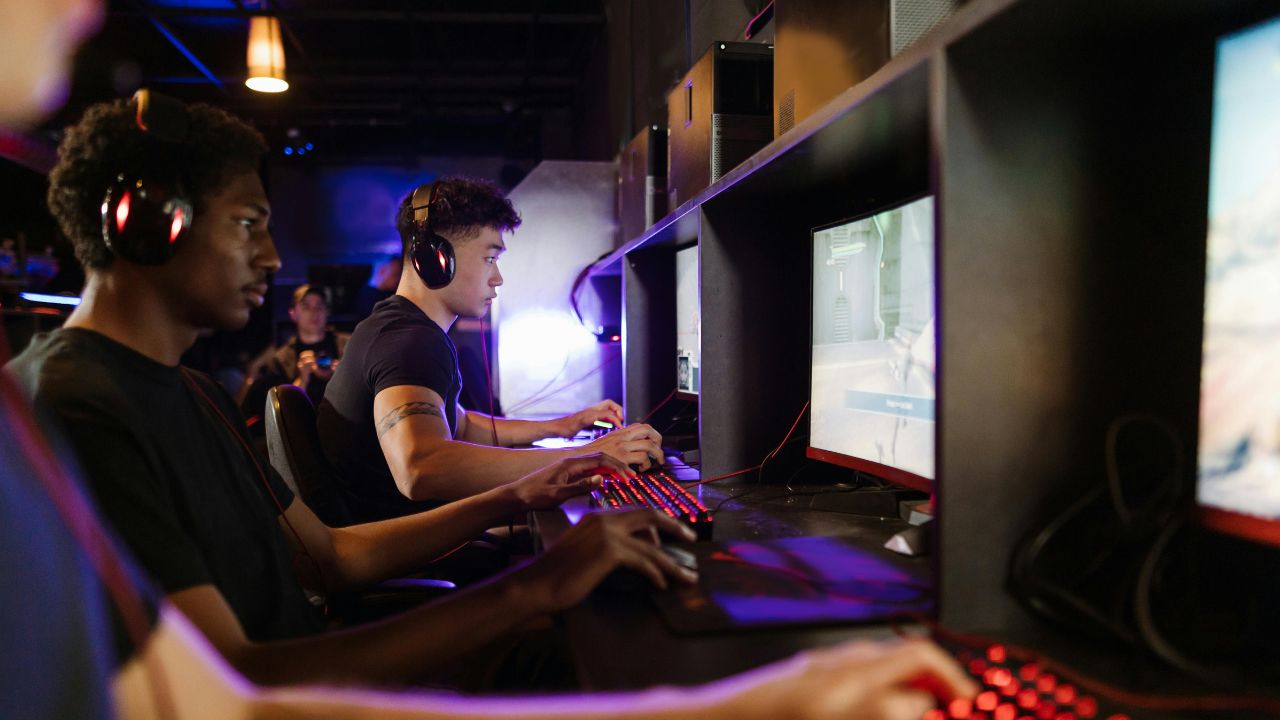

Before online multiplayer reshaped gaming into a connected, competitive, and constantly evolving experience, players lived in a world defined by simplicity, imagination, and face-to-face interaction. Gaming wasn’t about global servers, instant matchmaking, or digital communities; it was about people gathering in the same room, taking turns, and discovering things slowly. Every moment felt more personal, every challenge felt more meaningful, and every victory or defeat happened right beside someone you knew. Before online gaming, simple tech and shared play shaped a creative, memorable culture that defined childhoods and friendships
1. Couch Co-Op Was the Only Multiplayer
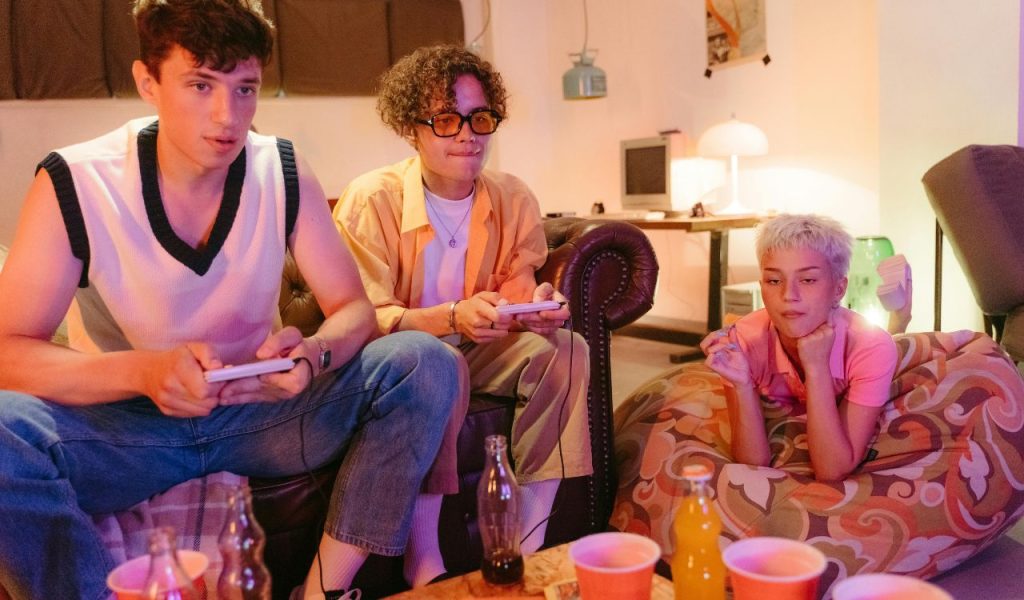
Before online modes existed, every multiplayer moment happened with people sitting together in the same room. Friends piled onto couches, lounged on the floor, or leaned forward intensely as matches heated up. You could hear every laugh, shout, or groan in real time. Someone grabbing the controller too tightly, blocking your view, nudging your elbow, or reacting dramatically became part of the experience. Local gaming had a social energy that online play can’t replicate. Trash talk was face-to-face, and every reaction made wins and losses feel real.
2. Split-Screen Was a Skill
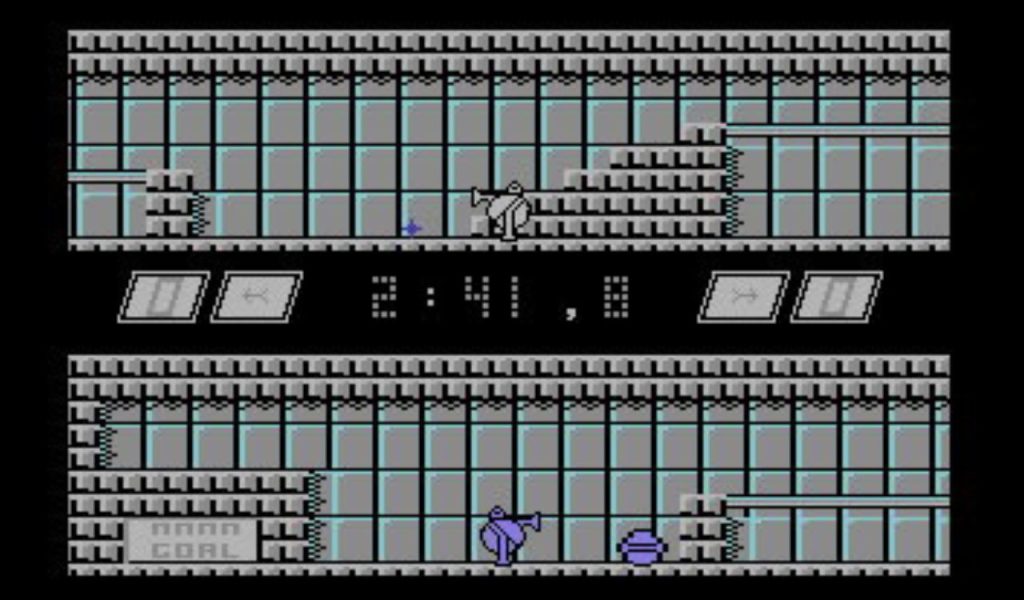
Many multiplayer games relied on split-screen, dividing one TV into tiny sections so each player had a view. Sometimes the screen was so cramped that reading text was nearly impossible, and fast action became a blur of pixels. Kids developed strategies to play well despite the limitations of learning enemy positions, memorizing maps, or adjusting to distorted visuals on older CRT displays. Screen-peeking became a legendary mix of strategy and cheating. Some denied doing it, others embraced it, and accusations often led to laughter and rematches. Modern games removed the problem, but split-screen’s chaotic charm defined the era.
3. Memory Cards Were Your Lifeline
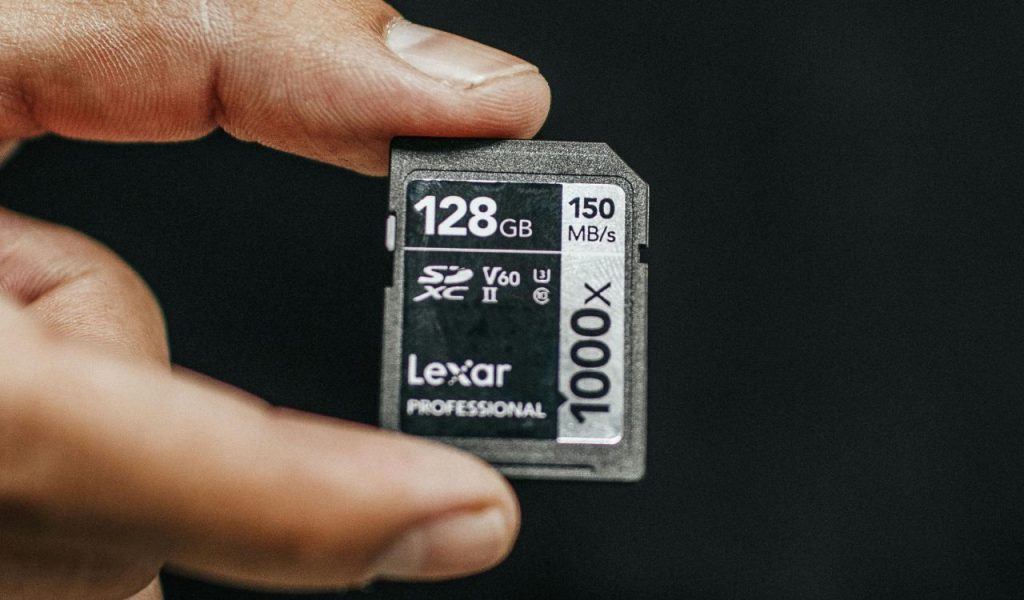
Before cloud storage, automatically protecting your progress, everything depended on a memory card or internal console storage. A corrupted file, a lost card, or accidentally deleting the wrong slot meant your entire journey vanished instantly. This made saving feel serious; players triple-checked menus, verified slot numbers, and sometimes kept multiple backup saves just in case. Letting a friend borrow your memory card took real trust — one mistake could erase weeks of progress. And when space ran out, choosing which save to delete was painful. Saving wasn’t just a feature; it was a ritual.
4. Neighborhood Tournaments Ruled

Before online ranked modes existed, competition thrived in living rooms, garages, schoolyards, and arcades. Kids organized bracket-style tournaments with handwritten charts, small prizes, and big bragging rights. These events were loud, energetic, and sometimes intense, but they built friendships and rivalries in a way online matchmaking can’t replicate. Watching others play was part of the excitement; you learned new strategies, anticipated matchups, and cheered for friends. Real-time reactions made every win hit harder. Those homegrown tournaments shaped local legends long before esports went global.
5. Game Discovery Took Real Effort
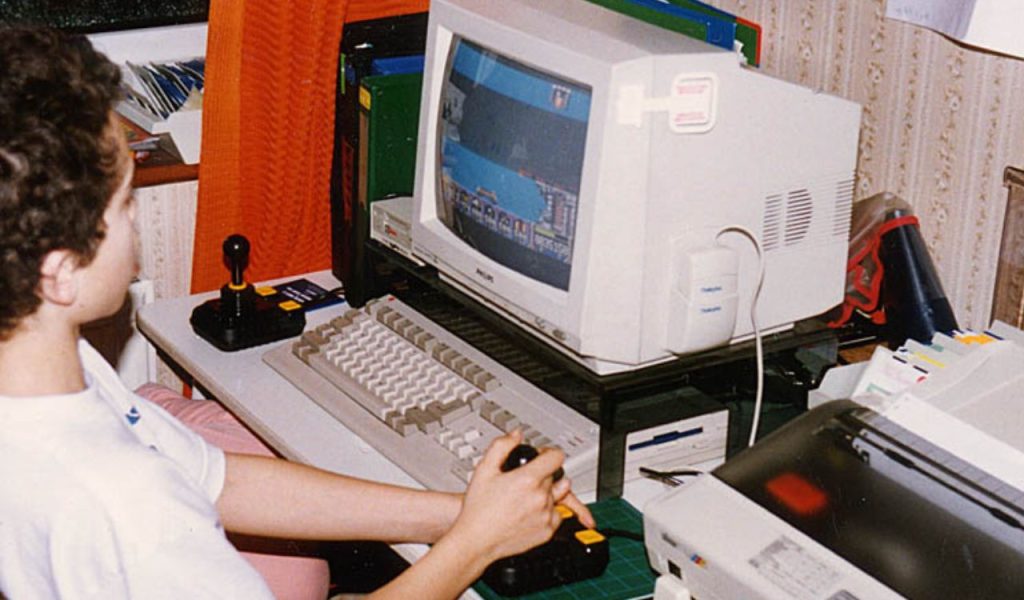
Without online previews, trailers, or influencer reviews, the process of finding new games felt like a treasure hunt. Players discovered titles by browsing rental stores, flipping through colorful gaming magazines, or hearing classmates describe a game with over-the-top enthusiasm. Sometimes the box art alone convinced you to take a chance. This made every discovery unpredictable — some games became instant favorites, while others were completely different from what you expected. But the mystery was part of the magic. Instead of algorithm-driven recommendations, discovery relied on curiosity, luck, and word of mouth.
6. LAN Parties Were the Original Online Play
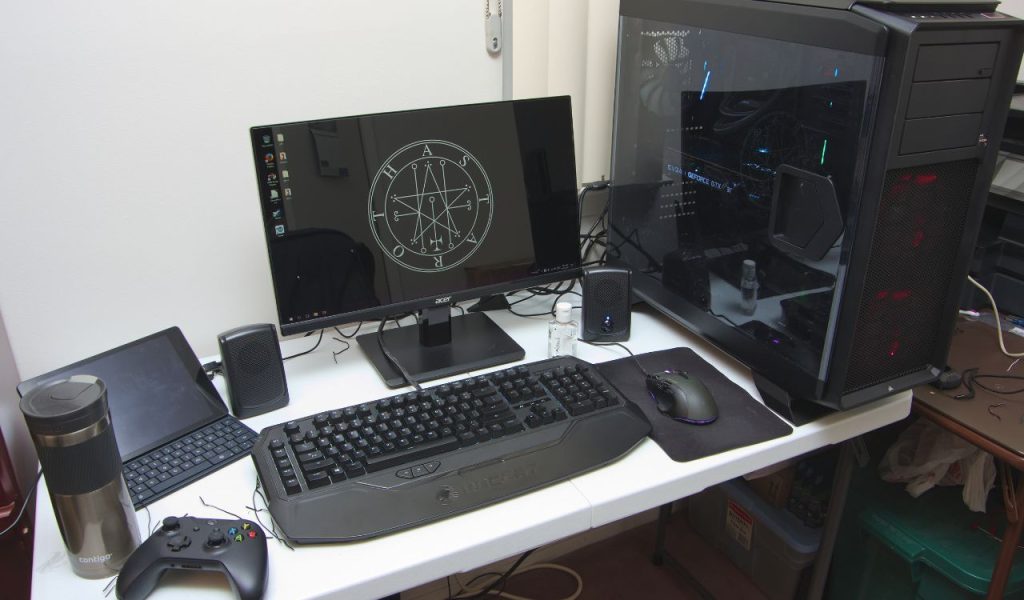
Before online matchmaking existed, PC gamers created their own multiplayer sessions through LAN parties, and these gatherings were legendary. Friends hauled heavy monitors, tangled cables, and full desktop towers across town just to play in the same room. Setting up the network required patience: configuring IP addresses, troubleshooting connection errors, and linking everything through long Ethernet cords that turned the floor into an obstacle course. When the setup finally clicked, the room came alive. Loud matches, snacks, music, and late-night sessions turned LAN parties into memorable social events that bonded friends.
7. Trash Talk Happened in Person
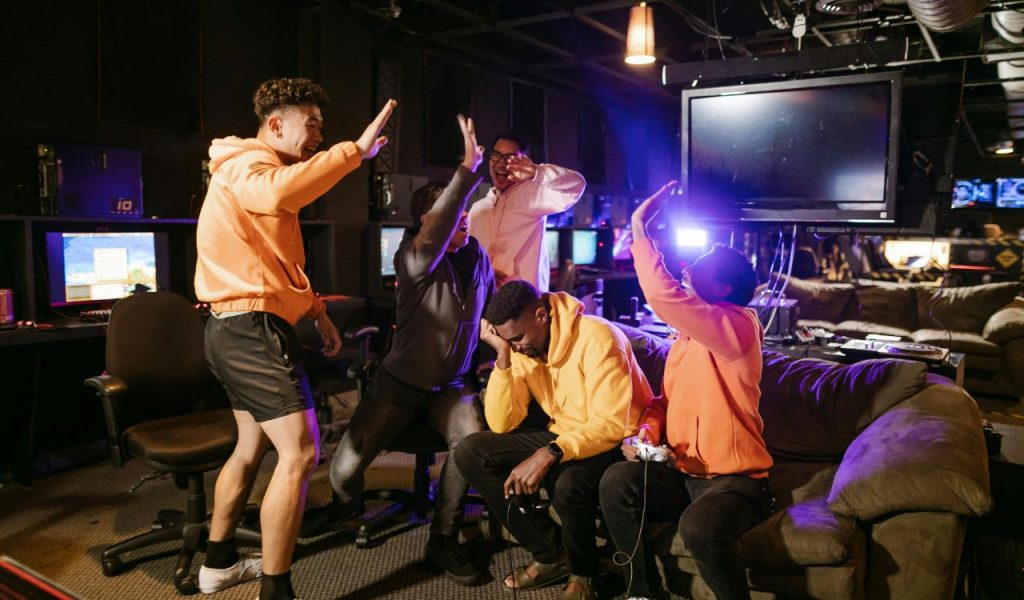
Before microphones or online lobbies, every comment, whether encouraging, competitive, or downright savage, happened in person. There was no muting someone, blocking them, or walking away from the conversation. You dealt with every joke, taunt, and reaction right there in the room. This made victories feel more satisfying and defeats more intense. The emotional energy was immediate: seeing your friend jump up, celebrating, or slump back in frustration added a layer of rawness that modern online play can’t duplicate. The conversations, laughter, and arguments that came with early gaming helped shape long-lasting friendships and rivalries.
8. Taking Turns Was the Rule
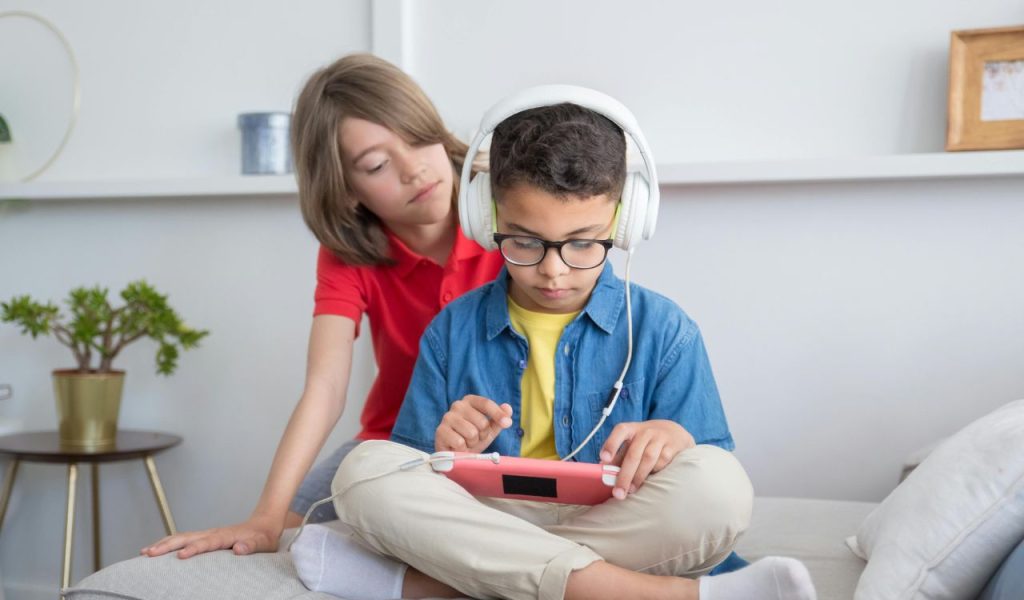
Single-player games dominated early gaming, which meant one controller and one player at a time. Households and friend groups developed unspoken rules about taking turns. The most common one: “When you die, I play.”Waiting could be frustrating, but it also created a unique culture. Kids became spectators, coaches, and critics all at once — shouting advice, pointing out secrets, or begging the player not to mess up. Some kids were known as the “designated boss-fighter,” called in only when things got tough. Watching others play was almost as entertaining as playing yourself, turning gaming into a true group activity.
9. Secrets Spread by Word of Mouth

Before the internet provided instant walkthroughs and detailed guides, information moved through schoolyards, friends’ houses, and local game shops. Kids swapped stories about hidden characters, secret items, mysterious glitches, or rumored endings. Some were true, others were wild exaggerations, and a few were completely made up — but testing them at home felt exciting. These rumors created a sense of mystery around games. You never knew whether you were about to discover something real or waste hours chasing a myth. This trial-and-error culture made finding secrets feel more rewarding because nothing was handed to you.
10. Games Demanded Patience and Focus
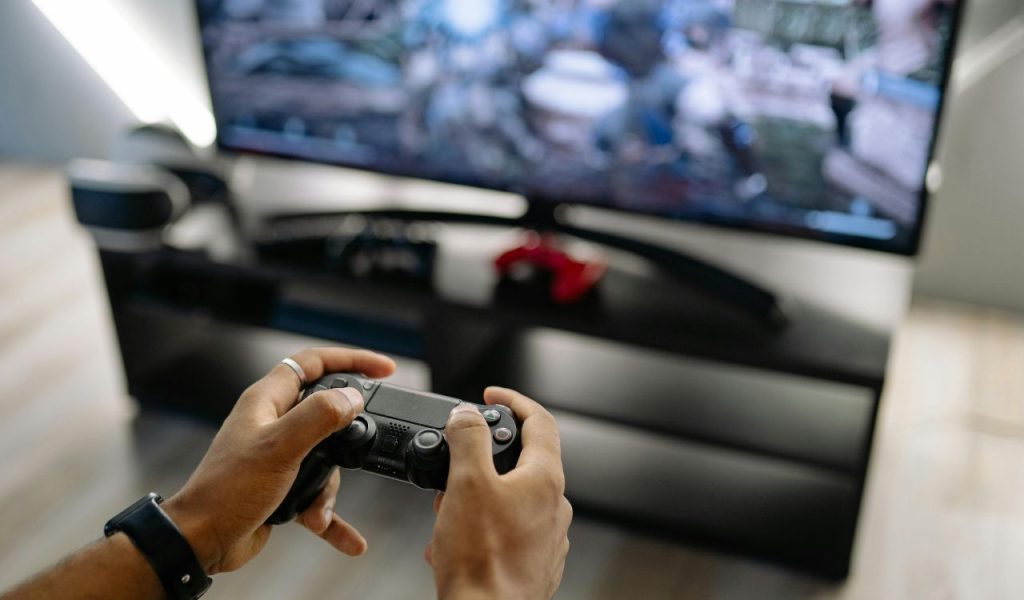
Without online distractions, constant updates, or competitive pressure, gaming felt slower, more personal, and more immersive. There were no battle passes urging you to grind daily quests, no notifications pushing you into matches, and no online comparisons judging your progress. You played at your own pace, revisiting the same game over and over simply because you loved its world. Many games lacked tutorials or hand-holding, so players naturally developed patience, persistence, and problem-solving skills. Challenges felt more meaningful because you overcame them through your own effort — not through patches, guides, or multiplayer assistance.