

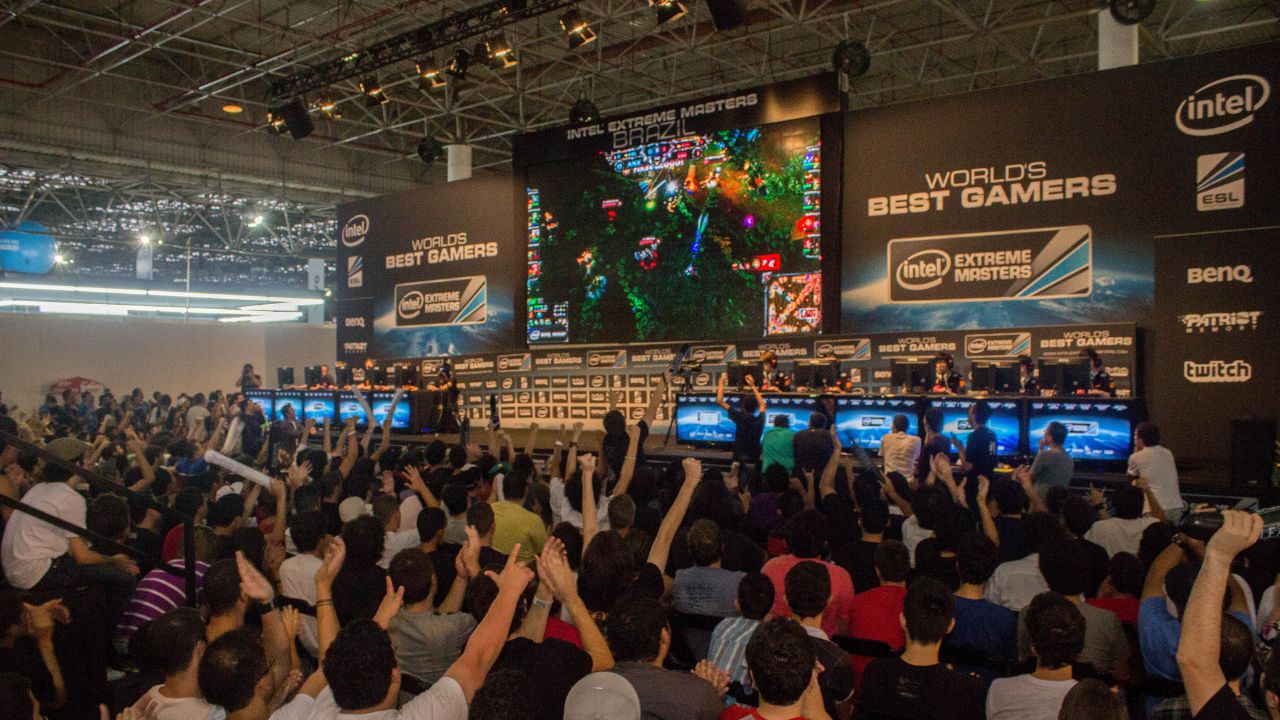

Esports is no longer limited to prize pools and tournament wins. While elite players still chase championships, many professionals now build income streams that do not depend on match results. The industry has evolved into a structured ecosystem with commercial and creative pathways. Digital platforms, brand partnerships, and community-driven models allow players to earn through influence and expertise. Personal branding now plays a major role in financial stability. As competitive gaming continues to mature globally, players are finding strategic ways to generate revenue beyond traditional competition brackets.
1. Streaming on Live Platforms

Live streaming has become one of the most reliable income sources for esports players. Platforms like Twitch and YouTube Gaming allow monetization through subscriptions, ads, and viewer donations. Consistent broadcasts help players build loyal audiences who support them outside tournament schedules. Revenue increases as viewership grows, especially when combined with sponsorship overlays and affiliate promotions. Successful streamers treat their channel as a structured product, maintaining schedules and engaging directly with viewers. For many players, streaming income becomes more stable than prize winnings alone.
2. Brand Sponsorships and Endorsements
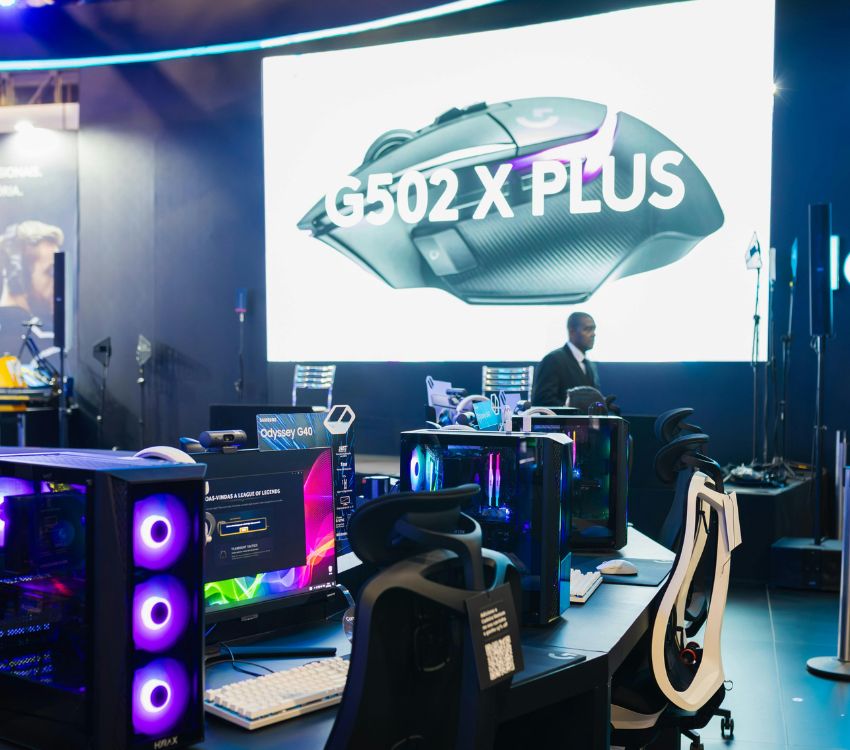
Sponsorship deals are no longer limited to championship teams. Individual players with strong followings often secure endorsements from hardware brands, energy drinks, and lifestyle companies. These agreements may include social media promotions, product placements, and ambassador roles. Brands prioritize audience alignment and engagement metrics over trophies. A player with consistent reach can secure recurring income even during competitive breaks. Long-term sponsorships often include appearance fees and campaign collaborations, turning personal branding into a dependable revenue stream beyond tournament results.
3. Coaching and Training Services

Experienced players frequently monetize their knowledge through private coaching sessions. Aspiring competitors pay for structured lessons focused on mechanics, strategy, in-game awareness, and decision-making under pressure. Online tools make it easy to connect with students globally. Coaching income offers predictability compared to tournament payouts. Some players expand into academy-style programs or provide replay reviews and tactical breakdowns for teams. By turning expertise into a structured service, players create sustainable earnings that do not rely on maintaining peak competitive performance year after year.
4. Content Creation on Video Platforms
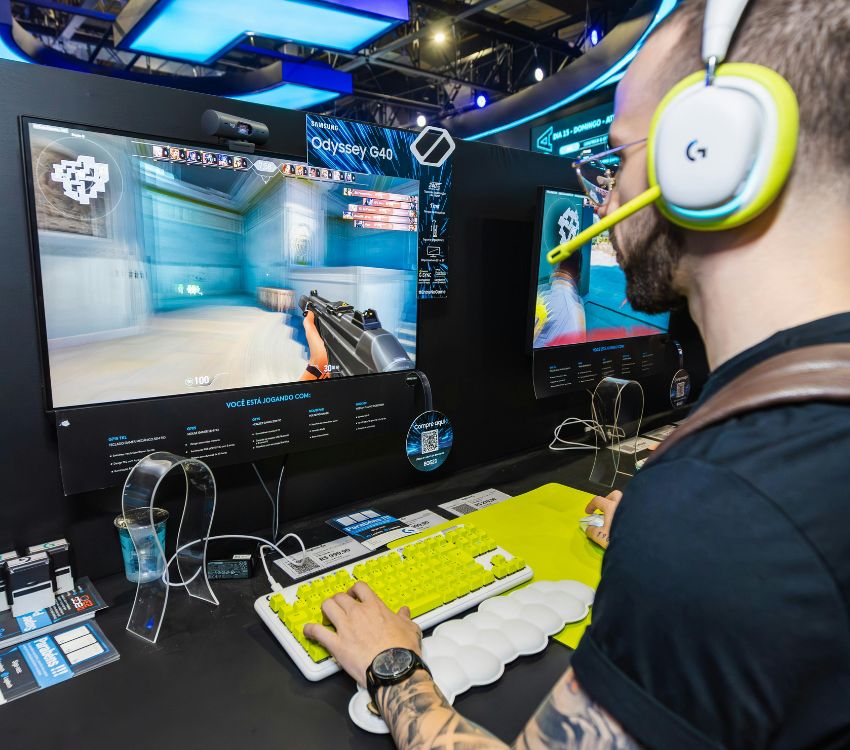
Video platforms provide long-term monetization opportunities beyond live play. Players publish tutorials, highlights, commentary, analysis, and educational breakdowns that generate ad revenue over time. Personality-driven content often attracts viewers outside traditional competitive circles. Unlike live tournaments, videos remain accessible indefinitely, allowing income to accumulate through consistent views and search traffic. Sponsorship integrations and brand partnerships further increase earnings. A well-managed channel becomes a scalable digital asset that continues generating revenue long after upload.
5. Merchandise and Personal Branding

Many esports personalities launch branded merchandise to monetize community loyalty. Apparel, accessories, collectibles, and digital goods tied to a player’s identity can generate direct consumer sales. Limited releases often create stronger demand among dedicated fans. Online storefronts simplify global distribution, payment processing, and inventory management. Merchandise income depends on audience trust rather than tournament placements alone. When combined with consistent engagement and strategic marketing, personal branding becomes a scalable revenue channel independent of competitive performance.
6. Affiliate Marketing and Referral Programs

Affiliate marketing allows players to earn commissions by recommending gaming equipment, software tools, or digital services. Unique tracking links generate income whenever followers complete purchases through their referrals. Earnings scale with both audience size and conversion rates. This model requires minimal upfront investment and integrates naturally into streams, reviews, or social posts. Transparency remains important to maintain credibility and long-term audience trust. Over time, steady affiliate sales create passive, performance-based income that complements sponsorships and other monetization channels.
7. Event Appearances and Hosting

Esports events increasingly hire experienced players as analysts, commentators, guest speakers, or panel hosts. These roles provide structured appearance fees while keeping individuals visible within the competitive scene. Former professionals often bring tactical insight that strengthens broadcast credibility. Hosting, moderation, and public speaking roles create income without competitive pressure or travel-heavy schedules. As tournaments expand globally, opportunities for branded appearances continue growing. This path offers professional continuity and reputation growth even after stepping back from active competition.
8. Educational Courses and Digital Products

Some players package their expertise into structured online courses and premium learning programs. These offerings may include strategy breakdowns, training drills, mindset frameworks, and performance improvement systems for aspiring competitors. Digital platforms allow creators to sell globally without recurring production costs. Recorded courses scale efficiently compared to hourly coaching sessions. A well-designed program can generate recurring revenue long after launch. As esports training becomes more formalized and competitive standards rise, demand for structured educational content continues to expand steadily.
9. Social Media Monetization

Social media platforms provide additional earning channels through creator funds, sponsored posts, and short-form video advertising. Players who adapt content for multiple platforms expand audience reach significantly and reduce dependence on a single revenue source. Monetization depends on engagement rather than tournament wins. Cross-platform visibility strengthens negotiating power with brands and long-term partners. By maintaining consistent output and audience interaction, players transform competitive recognition into diversified digital income streams that remain active year-round.
10. Business Investments Within Gaming

Established players sometimes invest in esports organizations, startups, or gaming-related ventures. Equity stakes provide long-term financial upside beyond immediate sponsorship revenue, offering ownership rather than short-term payouts. Investments may include team ownership shares, gaming facilities, media ventures, or content production initiatives. Diversifying income into business assets reduces reliance on competitive longevity. As esports infrastructure expands globally, entrepreneurial involvement positions players within the broader industry economy for sustained financial growth beyond active competition.