

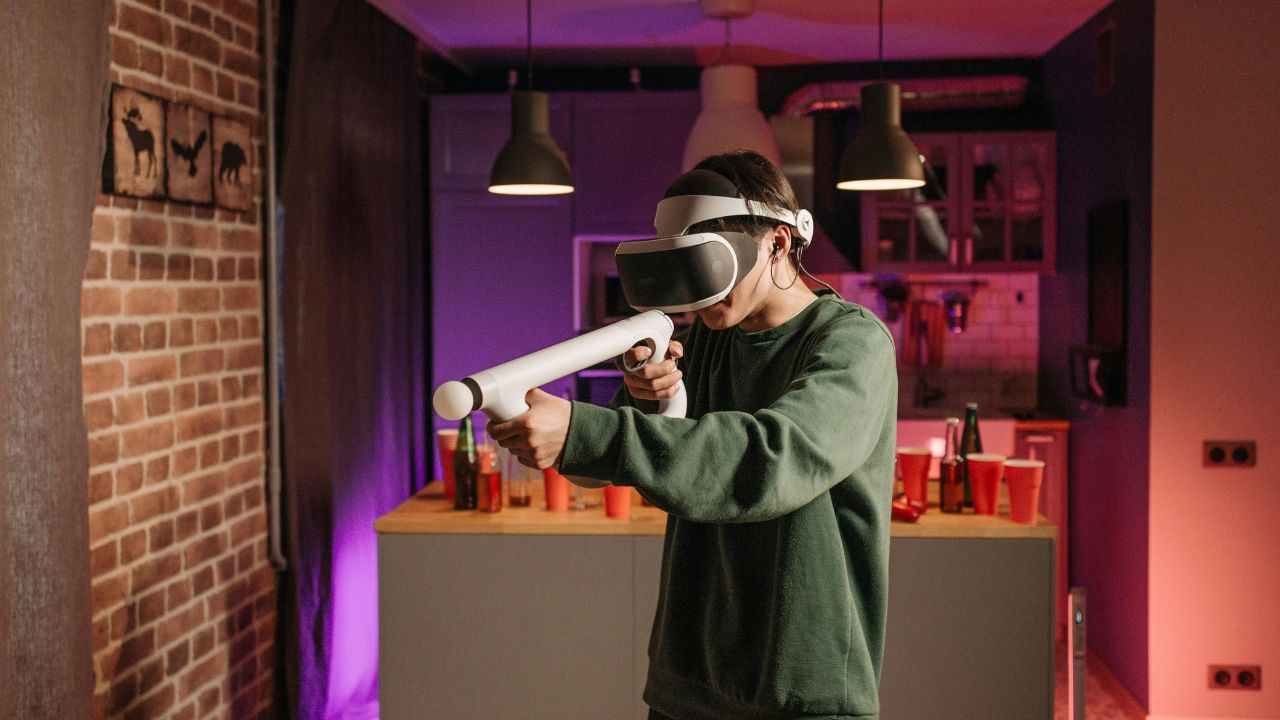

VR at home doesn’t just look like console gaming with a headset strapped on. The body is the controller, your room becomes part of the “map,” and tiny setup choices can change how a game feels minute to minute. Console play is mostly fixed: couch, screen, buttons, predictable camera framing. Home VR adds tracking, comfort limits, boundary systems, and a constant tug-of-war between immersion and real-world safety. Here are ten practical ways home VR tends to feel different, based on what players notice once the novelty wears off and the headset becomes another part of their gaming routine.
1. Your Room Becomes Part of the Hardware
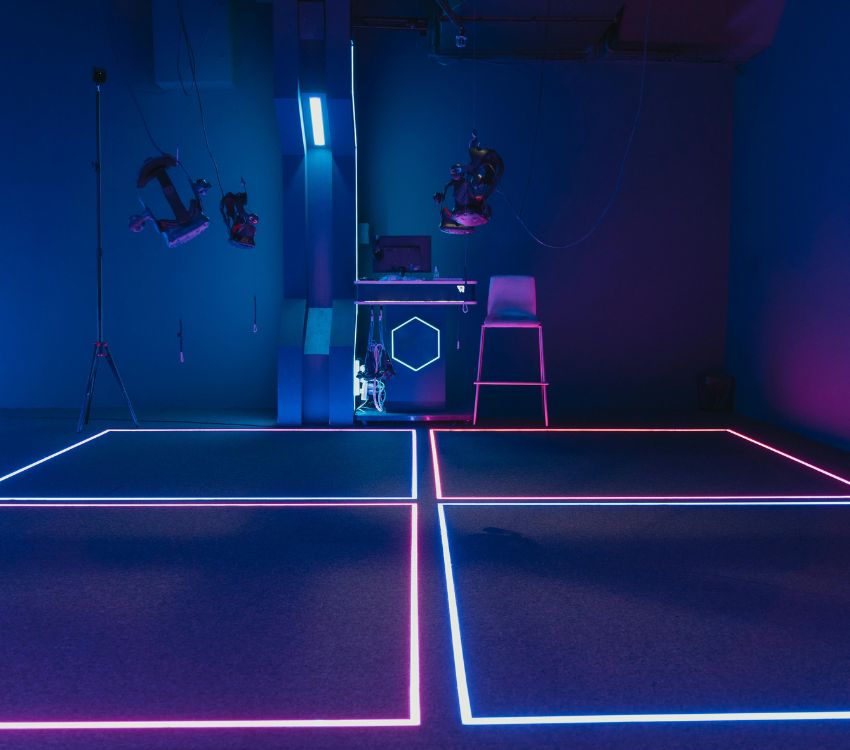
In VR, “setup” is gameplay. Before you even launch a title, you’re clearing a play area, checking the guardian/boundary, and making sure lighting and sensors behave. That friction doesn’t exist on a console. A slightly smaller room can push you toward seated modes or shorter sessions. A bigger space can make the same game feel freer, because you can physically step, lean, and turn instead of relying on thumbsticks. The end result is that your house quietly becomes part of the hardware spec, not just the place you play, and you notice it every time furniture creeps back into the zone.
2. Movement Is the Input, Not Just the Vibe
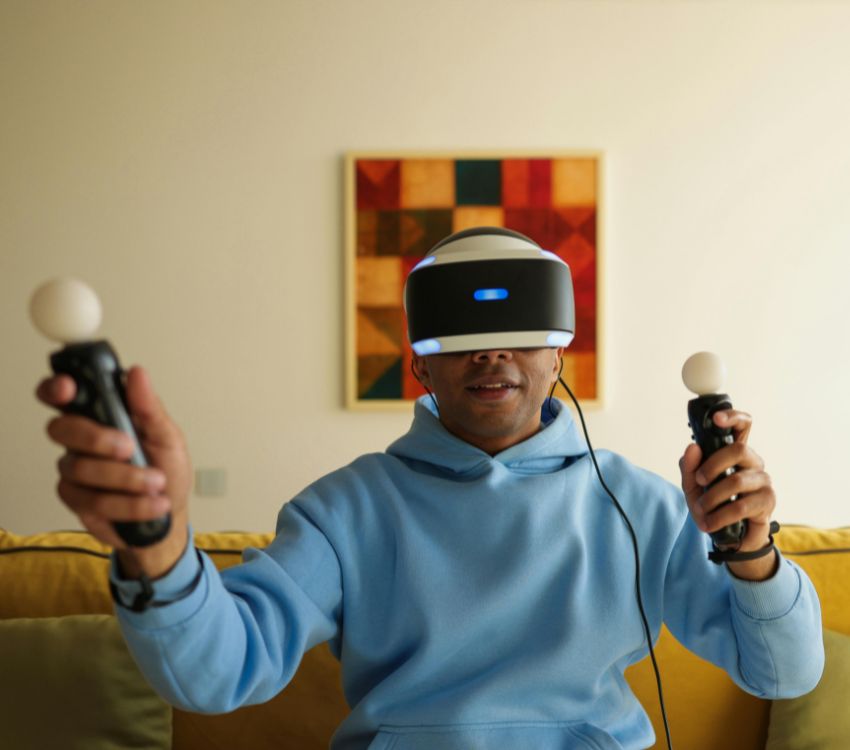
Traditional console play is hands-first, with your body mostly parked. Home VR flips that: your head, torso, and arms constantly feed the game data, even when you’re “standing still.” Small motions like leaning to peek or dodging a swing feel natural because they are natural. That extra physicality makes action more intense, but it also adds fatigue. A 20-minute VR match can feel like a workout, while the same time on a console can feel like a warm-up. It also changes the pacing: you take micro-breaks to adjust your stance, re-center, wipe your lenses, or just breathe between rounds.
3. Hands Feel “Real” in a Way Buttons Don’t
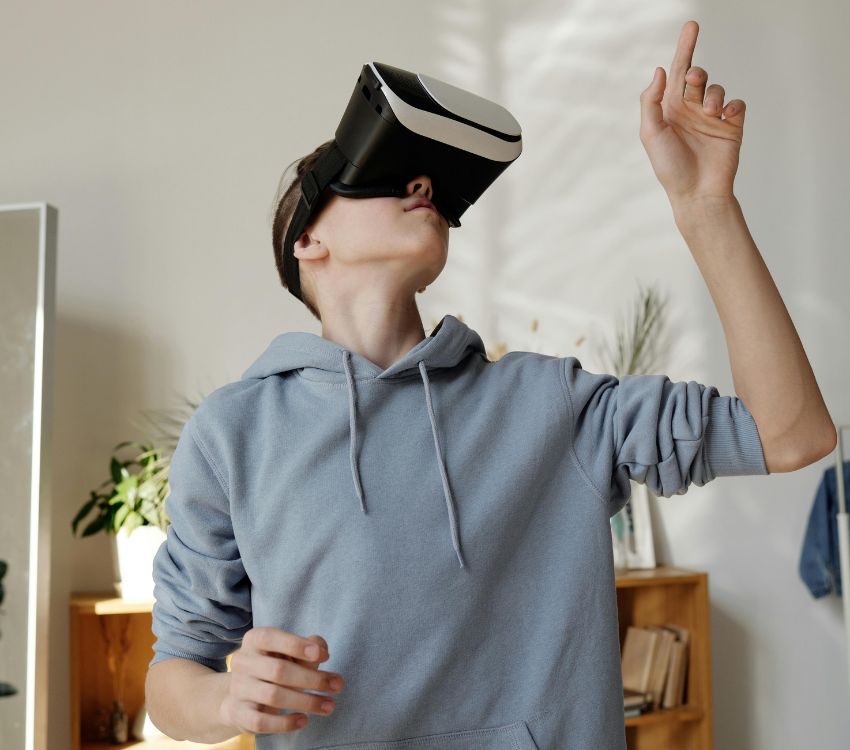
Buttons are abstract; hands aren’t. In VR, you often grab, throw, reload, or point by moving controllers the way you would in real life. Even when a game uses “press A to pick up,” the act still feels tied to your wrist angle and reach. That creates a different kind of skill gap. New players struggle with coordination and spatial judgment, while experienced players get faster because motions become muscle memory rather than just combo timing. It also makes mistakes feel physical, dropping a magazine or missing a grab feels like your fault, not lag, and that can be weirdly motivating.
4. Scale and Distance Feel Personal
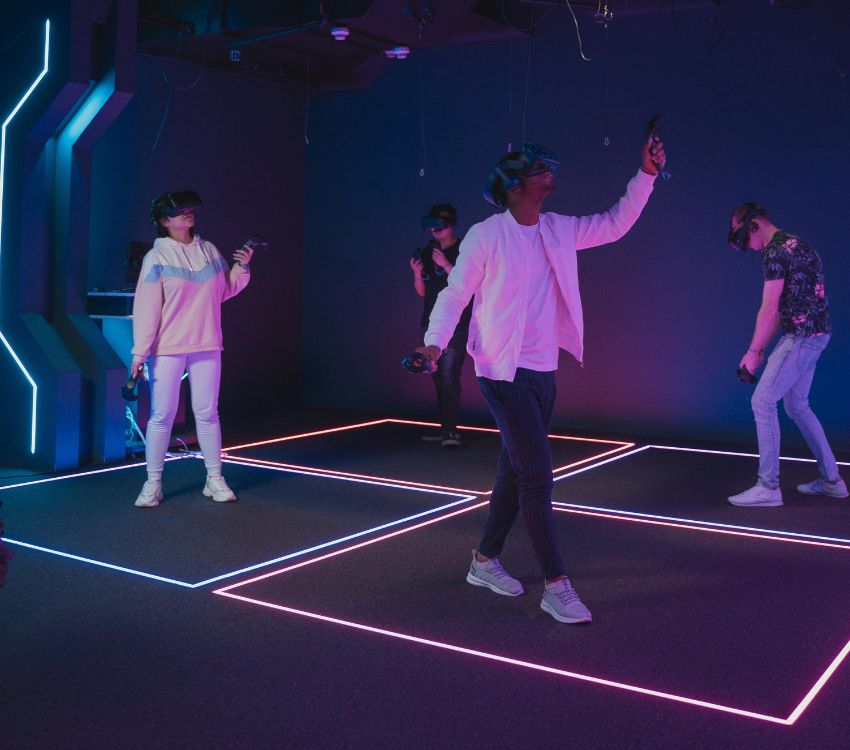
Scale hits differently in a headset. On a TV, a boss is “big” because the camera says so. In VR, a tall enemy can feel big because it’s literally towering in your personal space, and you instinctively react. Depth also changes aiming and navigation. You judge distance by stereo vision and head movement, not by a flat reticle and a minimap. Looking around is a real neck turn, which makes corners, doorways, and cover feel more like physical objects than UI. The same goes for height, cliffs, and speed. Even mild drops can feel intense because your inner ear and your eyes are negotiating two realities at once.
5. Audio Becomes Something You Verify With Your Head
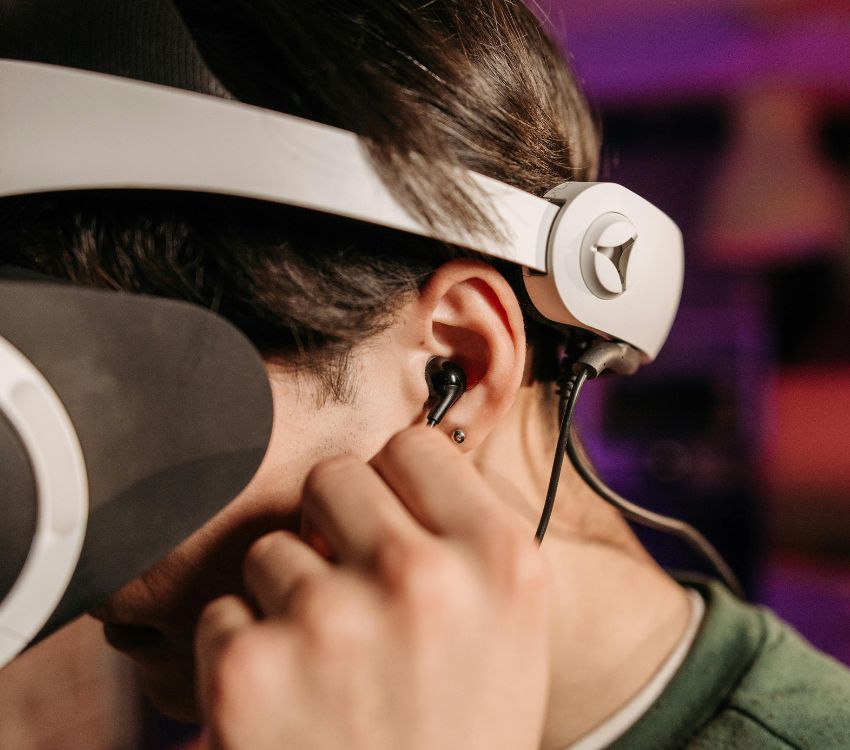
Console audio is directional, but VR audio is positional, a constant you constantly test. When footsteps move from behind your shoulder to your left side, you don’t just hear it; you turn your head and confirm it. Because the soundstage is tied to your head position, simple cues like a whisper, a ricochet, or a door creak can draw your attention more than they would in a speaker setup across the room on a TV. It also makes silence louder. In VR, a quiet hallway can feel tense because your brain expects something to enter your space, not just your screen. Good headphones matter more than people expect.
6. Comfort Settings Are Part of How You Play
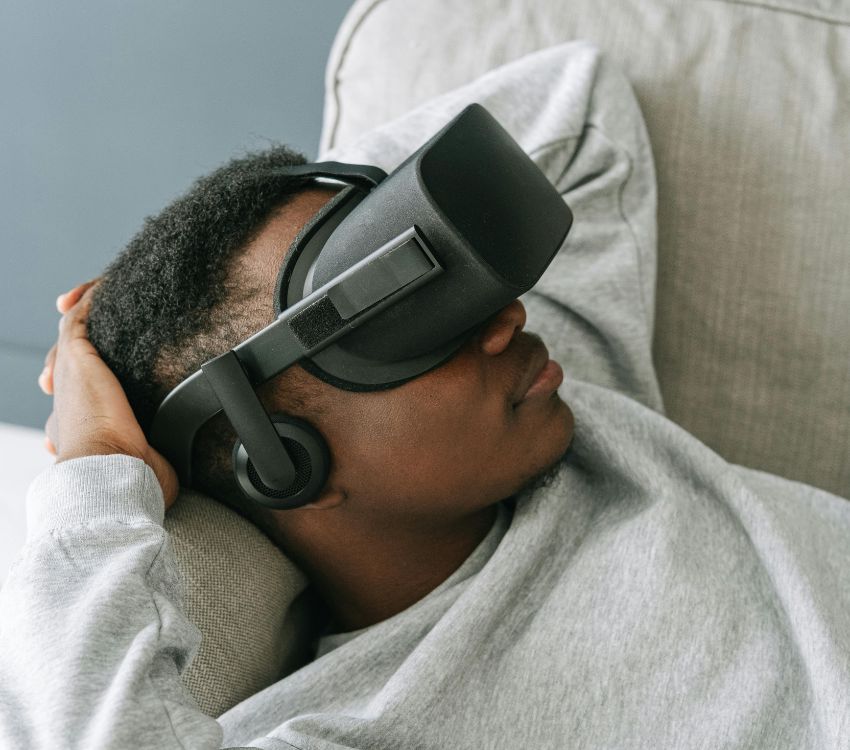
In-home VR, comfort is part of the meta. Headset weight, strap fit, lens spacing, and heat buildup can decide whether you play for 15 minutes or two hours. Consoles rarely force you to think about your face. You also deal with real-world annoyances: foggy lenses, hair getting caught in straps, sweat on foam pads, and controllers dying mid-session. Those frictions can quietly push you toward shorter, more focused play. Motion sickness is the other limiter. Smooth locomotion, snap turns, and artificial camera moves can make some players nauseous, so game settings become personal, not “best.”
7. Multiplayer Feels Like Sharing a Space
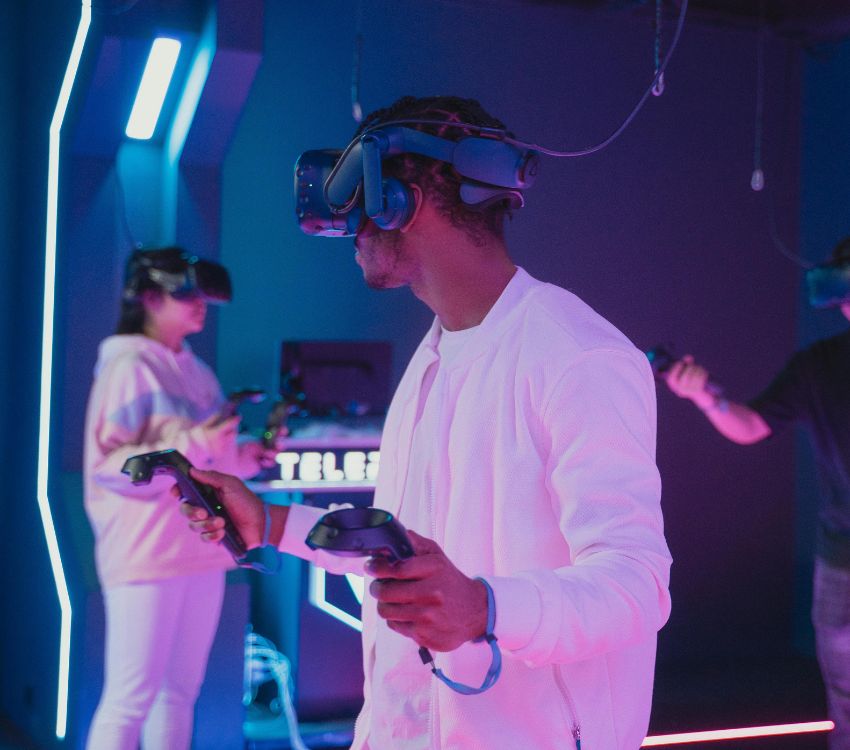
VR multiplayer feels more like sharing a space than sharing a match. Voice chat is still there, but you also read body language: where someone is looking, how they gesture, and whether they lean in or back off. That can make teamwork smoother, because pointing and nodding are faster than calling out coordinates. It can also make toxicity feel sharper, because a rude player isn’t just a username; they’re “in the room” with you. At home, it changes the vibe for everyone nearby, too. Friends and family hear you talking to invisible people, so VR sessions can feel more social even when you’re physically alone.
8. Menus and UI Can Be Work, Not Background
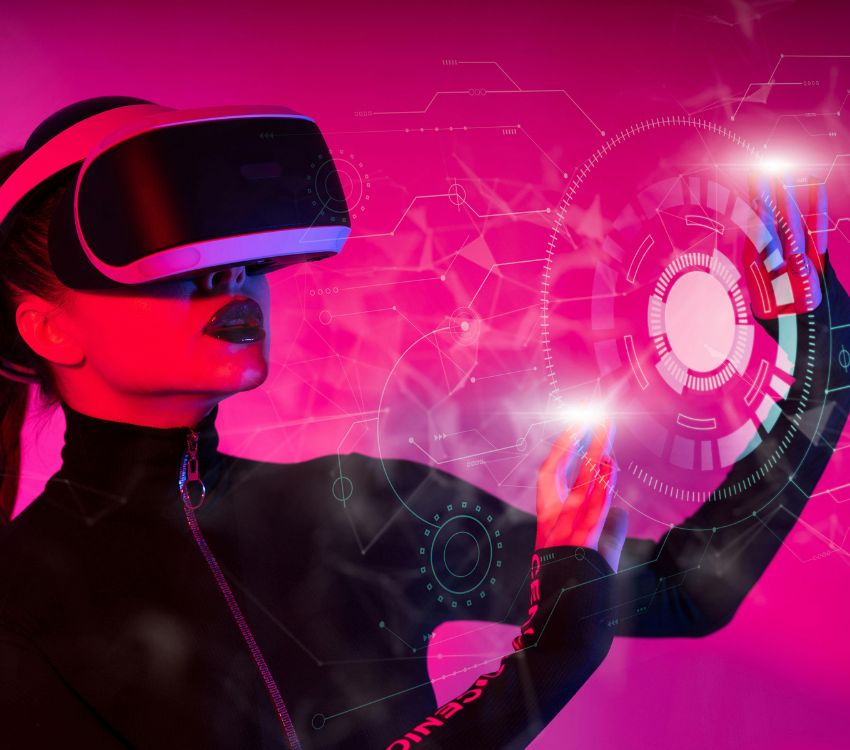
Menus in VR aren’t just overlays; they’re objects you interact with. Instead of pausing and tapping through a flat list, you might tap a floating panel right in front of you, grab a slider, or physically turn to a settings screen. That sounds small, but it changes patience. Clunky UI feels worse because your arms and attention are engaged, not just your thumbs. A good VR interface feels effortless, like reaching for a light switch. It also affects accessibility. Text size, comfort mode toggles, and hand dominance settings matter more because the UI is literally in your field of view.
9. Updates Can Change the Feel Overnight
Home VR libraries behave differently from console backlogs. Many popular VR titles are built around short sessions, repeating runs, and fitness-style progression, so “what do I play?” can feel like choosing an activity. Hardware and platform updates also show up faster. A tracking change, a guardian tweak, or a new passthrough feature can reshape how older games feel without altering the game itself. As a result, VR players pay more attention to comfort patches, performance fixes, and headset features, rather than just new releases and DLC drops. Even store browsing happens inside the headset for many people.
10. Safety and Household Life Stay in the Loop
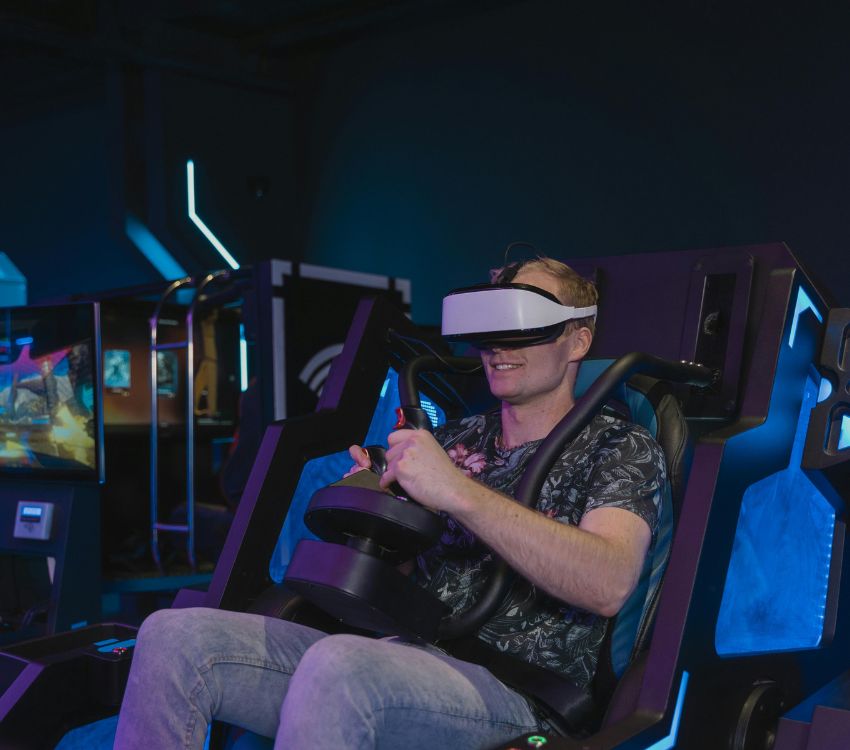
Console gaming is mostly risk-free for your environment. In VR, you can punch a lamp, trip on a rug, or step into a coffee table because your attention is fully hijacked by the headset. That’s why boundary systems and “room checks” become routine, and why players develop habits like keeping controllers strapped, clearing the floor, and setting a dedicated play corner. Pets and kids change it again. A cat that loves to weave between ankles, or a dog that thinks controllers are toys, turns VR into a household coordination task, not a solo hobby, especially in small apartments.