


Some games teach you with a tutorial pop-up and then leave you to drown. The ones below do the opposite: they start simple, then layer mechanics so slowly you barely notice you’re leveling up as a player. Each pick rewards attention, repetition, and tiny experiments, which is why they’re useful for learning transferable skills like spatial reasoning, planning, pattern spotting, or calm communication under pressure. None of them feels like homework; the learning hides inside play, and the challenge rises only when you’re ready to handle it. That’s the secret sauce, honestly.
1. Portal

Portal looks like a short puzzle game, but it quietly trains spatial reasoning and “if-then” thinking. Early chambers teach one concept at a time, momentum, angles, sightlines, then remix them so you’re forced to predict outcomes before you move. Because mistakes are quick to reset, you naturally iterate: test a portal, watch what happens, adjust. By the end, you’re planning multi-step solutions in your head and troubleshooting like an engineer, without ever opening a textbook. It’s also a gentle lesson in staying calm when the obvious answer fails, and the room demands a new perspective.
2. Kerbal Space Program
Kerbal Space Program teaches physics and project planning by letting you fail in funny, low-stakes ways. You begin with simple rockets, then unlock parts that require real trade-offs: weight, thrust, drag, fuel, and staging. Each launch becomes a mini experiment where you form a hypothesis, test it, read the telemetry, and redesign. Over time, you pick up intuition for orbits, efficiency, and debugging complex systems, basically the scientific method, wrapped in green astronauts and explosions. The game also nudges you to document builds and improve them incrementally, which is a real-world workflow skill.
3. Factorio
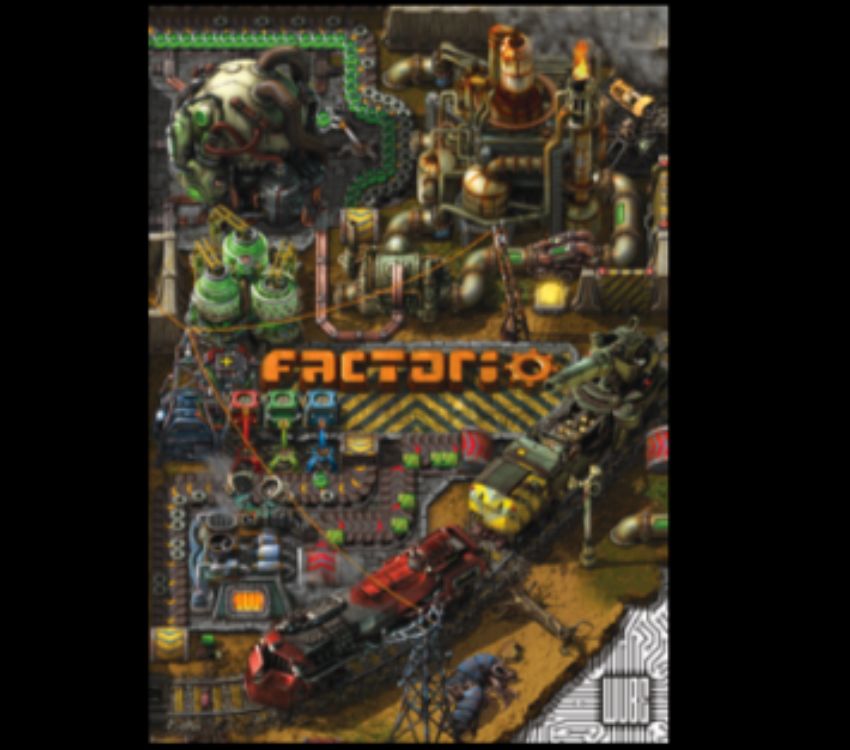
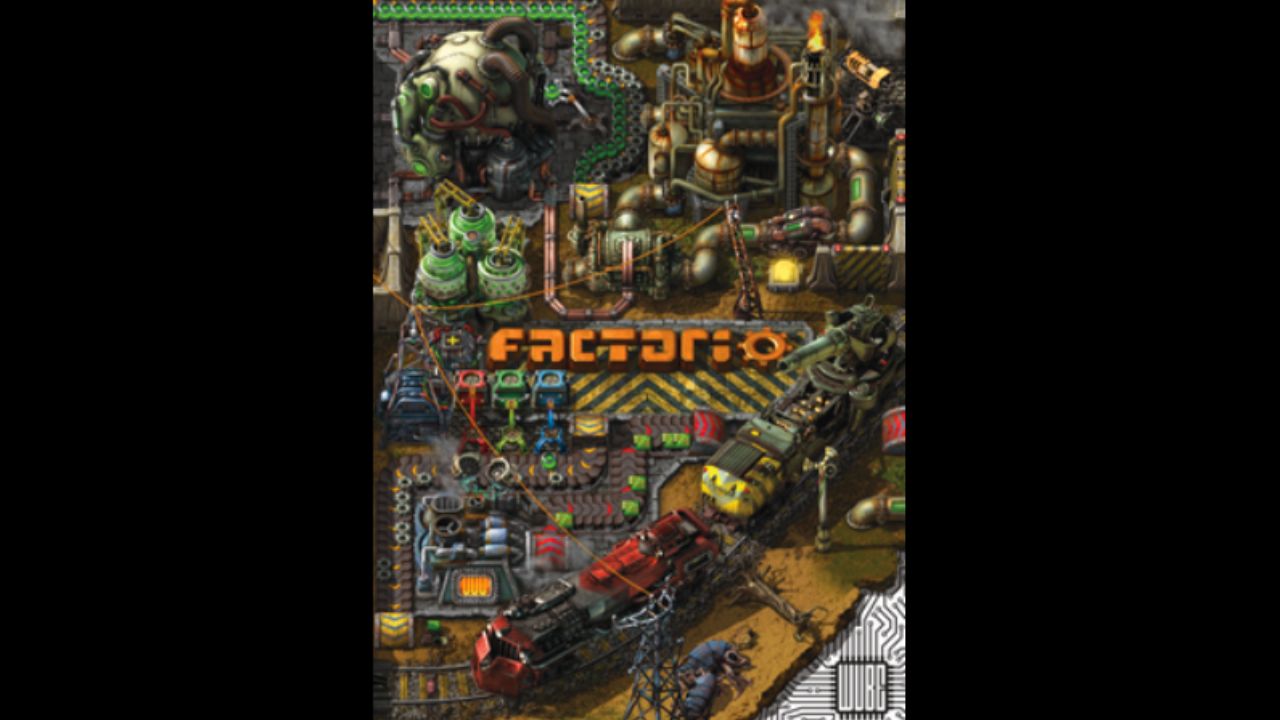
Factorio starts with hand-crafting a few items, then slowly turns into a lesson in automation and bottleneck hunting. As you add miners, belts, inserters, and trains, the game makes you think in flows: inputs, outputs, rates, and storage. You learn to spot the single clogged piece that slows everything, then redesign cleanly instead of patching forever. Because every upgrade can be measured in throughput, it teaches systems thinking, prioritization, and the habit of making processes repeatable. Late game logistics feel like running a tiny supply chain, and you’ll accidentally get good at planning before building.
4. Overcooked! 2
Overcooked! 2 is a chaos simulator that quietly trains communication and role clarity. At first, you can wing it, but later kitchens force you to divide tasks, call out timings, and adapt when the layout shifts. You learn to use short, specific language, “plates now,” “I’m on chopping,” “swap stations”, because vague talk costs orders. The game also teaches emotional regulation: staying focused after a mistake matters more than blaming anyone. It’s teamwork practice with immediate feedback. If you play with the same group, you’ll literally watch a shared process emerge, like a tiny ops team.
5. Minecraft
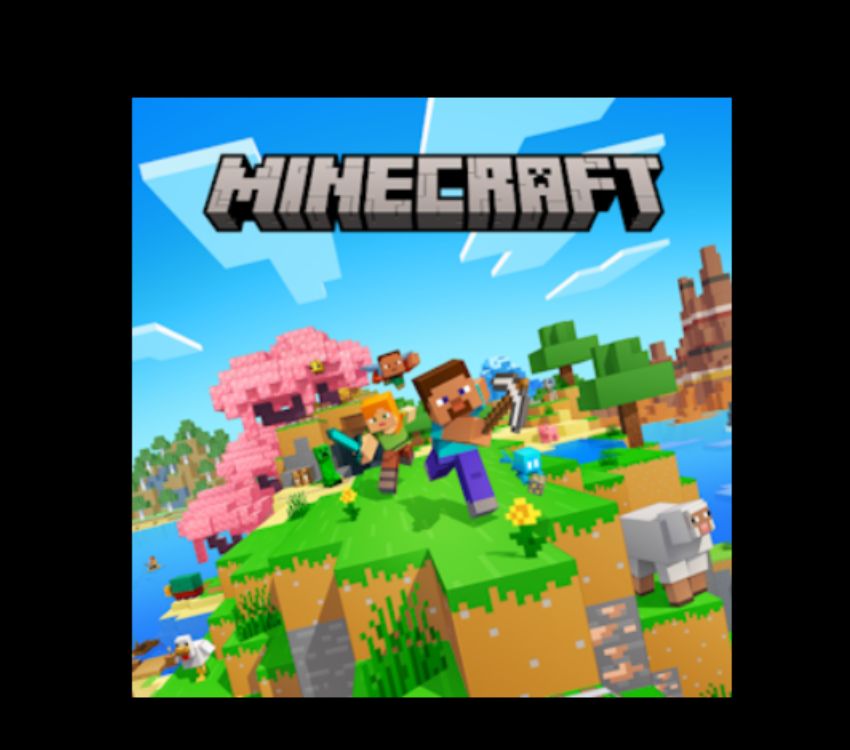
Minecraft teaches problem-solving through self-set goals. You start by surviving one night, then you’re learning crafting trees, resource routing, and basic engineering without the game ever calling it that. Redstone slowly introduces logic gates, timing, and signal flow; building farms teaches optimization and iteration; exploring caves trains risk assessment. Because the world is open, you learn to break big projects into steps and to prototype first, then scale. It’s a sandbox for planning and creativity with practical constraints. Even simple builds reward attention to measurement and layout discipline.
6. The Witness
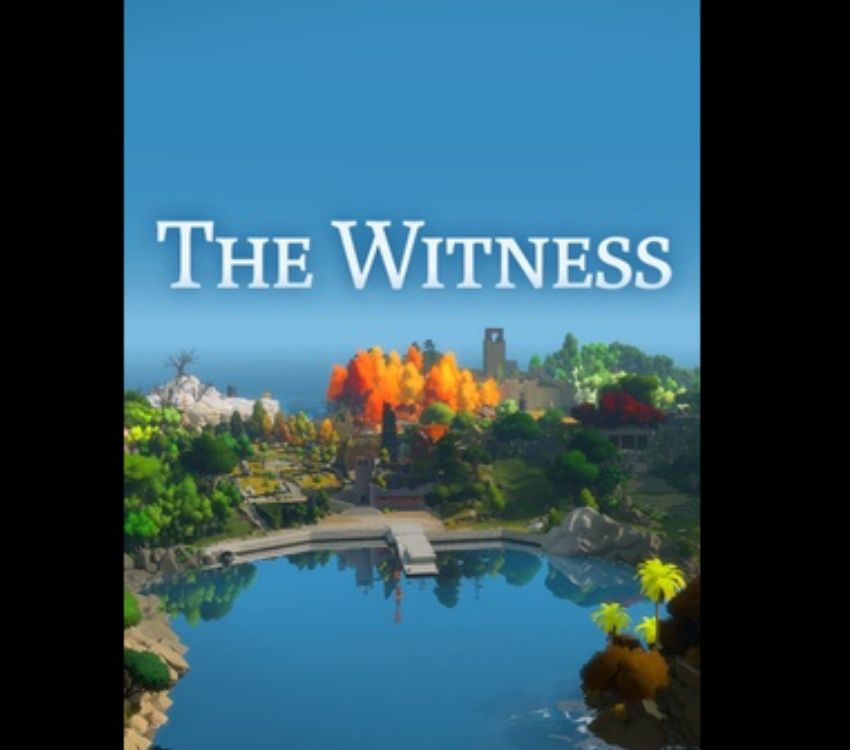
The Witness teaches pattern recognition by refusing to explain its rules directly. Each area introduces a visual idea in the simplest possible puzzle, then repeats it with tiny twists until your brain starts spotting the pattern instantly. Later zones combine rule sets, forcing you to hold multiple constraints in mind and test assumptions carefully. It’s a slow, deliberate course in observation, attention to detail, and learning from examples instead of instructions. If you like puzzles, it’s basically mental weight training. The best part is realizing you improved because you can’t unsee the cues anymore.
7. Celeste
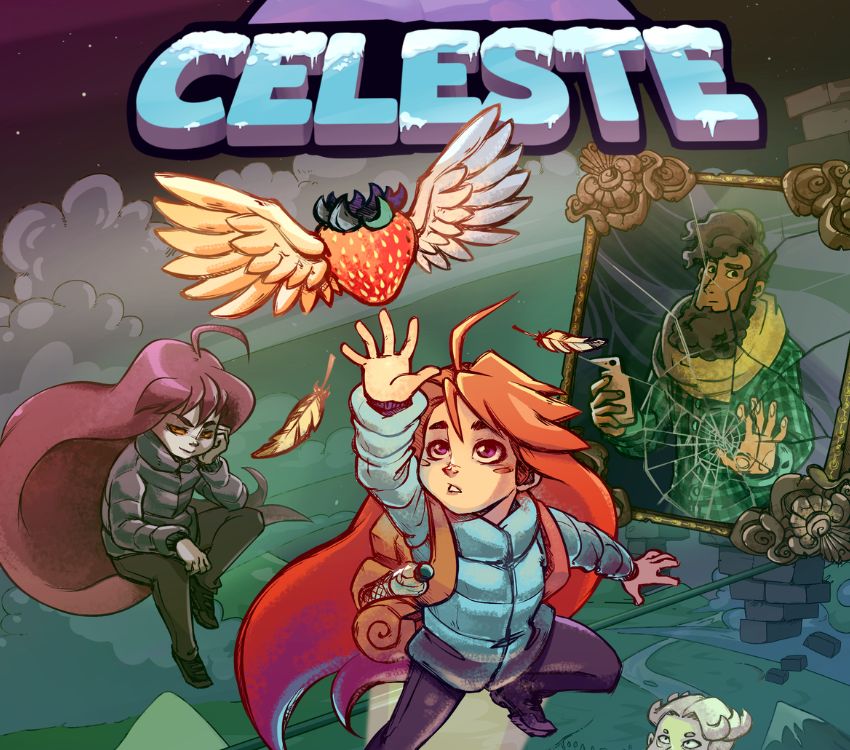
Celeste teaches precision and resilience through a tightly designed platforming. New moves are introduced in safe spaces, then the game ramps up by combining them in short rooms that encourage repetition without long punishment runs. You learn timing, rhythm, and micro-adjustments, plus the habit of analyzing why you failed instead of mashing harder. Because deaths are fast and expected, it normalizes iteration: try, learn, retry. That mindset transfers surprisingly well to any skill that takes practice. It also rewards taking breaks and coming back steady, which is a sneaky lesson in managing frustration.
8. Into the Breach
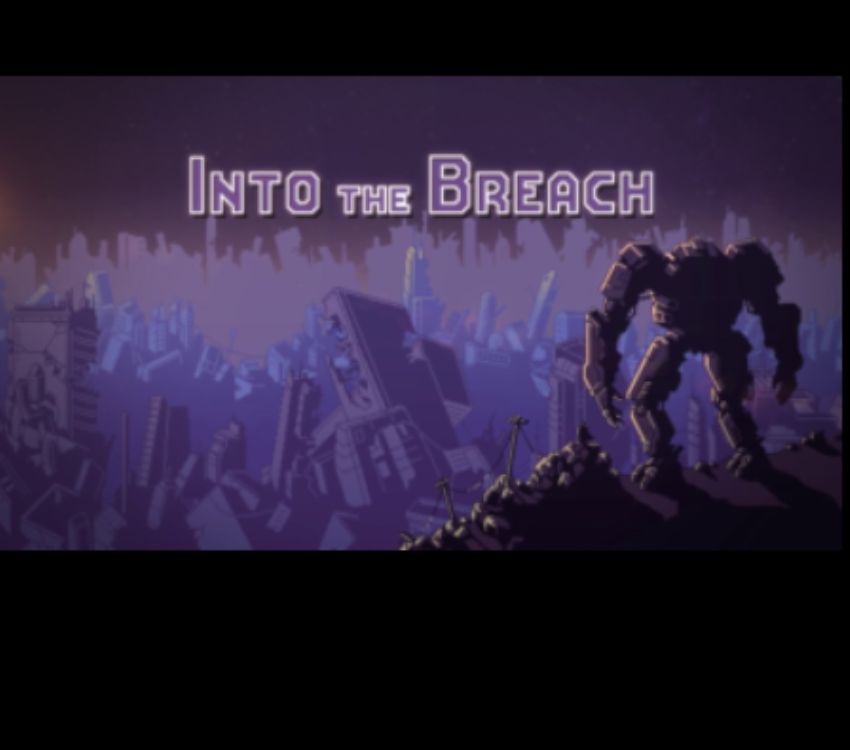
Into the Breach trains tactical forecasting because enemies telegraph their next move. Early battles are simple, then you start juggling pushes, blocks, and chain reactions while protecting buildings. The game teaches you to read the board, calculate second-order effects, and pick the least bad option when perfection isn’t possible. Since runs are short, you rapidly learn from failure and refine your decision rules. Over time, you get better at prioritizing and thinking a step ahead in uncertain situations. It’s like a bite-sized course in triage: save what matters most, accept trade-offs, move on.
9. Stardew Valley
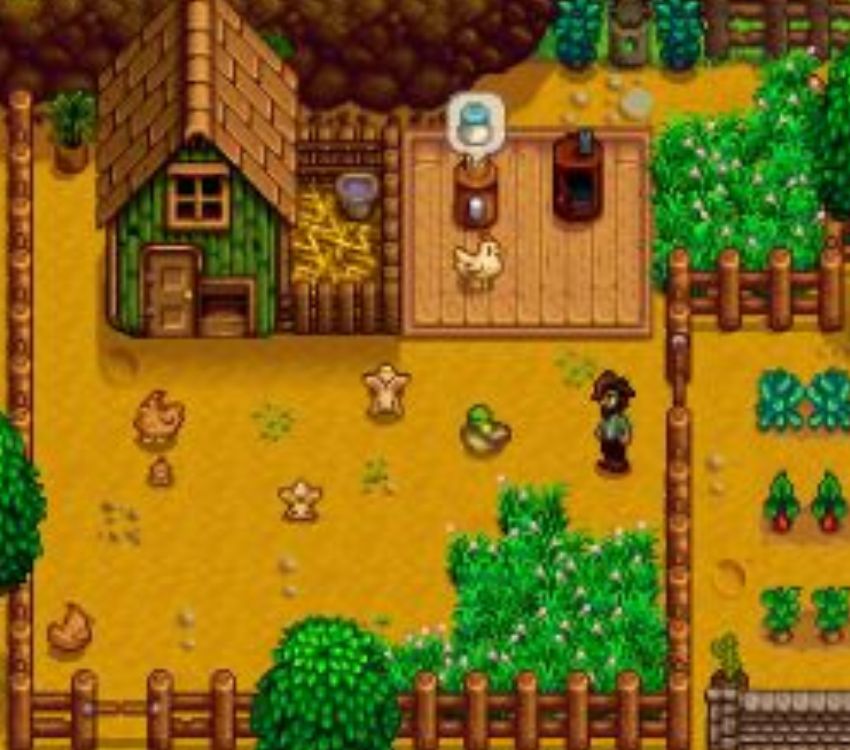
Stardew Valley looks cozy, but it steadily teaches time management and routine building. You start with a messy farm and a short day, then learn to plan tasks around energy, seasons, and tool upgrades. The calendar nudges you to think ahead for crops, festivals, and relationships, while small optimizations, pathing, sprinklers, storage layout, save real minutes. Because the stakes are gentle, you experiment freely and discover what “good enough” planning feels like. It’s soft productivity training in pixel form. If you’ve ever struggled to prioritize, the game quietly shows how habits beat motivation.
10. Keep Talking, and Nobody Explodes
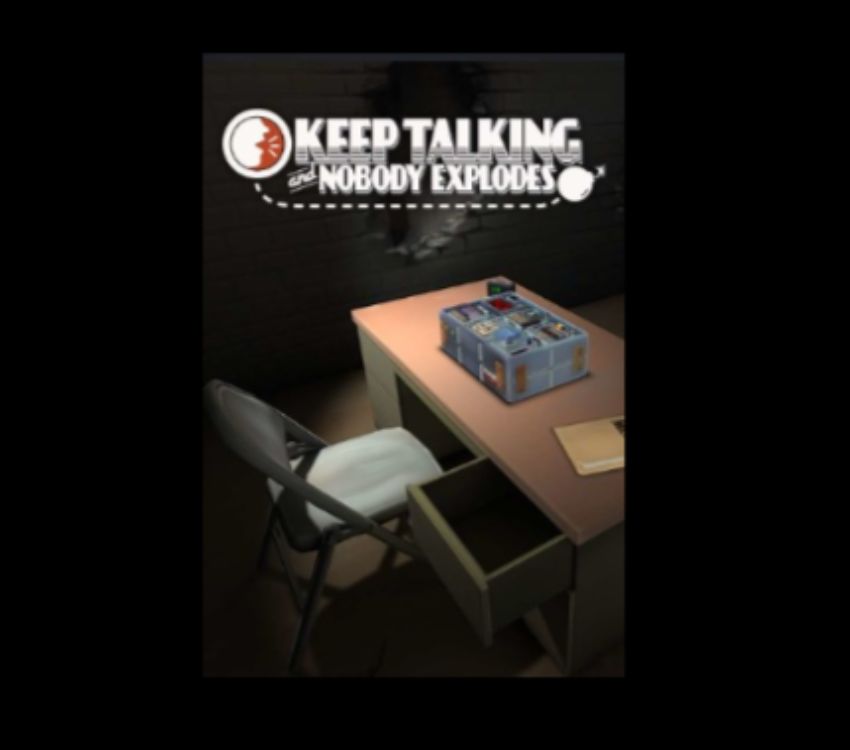
Keep Talking, and Nobody Explodes is basically a communication drill disguised as a bomb game. One player sees the device; the others read the manual and can’t see the screen. Early modules teach simple vocabulary, then complexity forces you to standardize callouts, ask good questions, and confirm details without panic. You learn to describe shapes, patterns, and sequences precisely, and to listen actively. The win condition is shared understanding, not reflexes, so the skill growth is obvious over time. After a few sessions, teams naturally invent checklists and shorthand, the same tools used in real operations.
11. Return of the Obra Dinn

Return of the Obra Dinn teaches deduction by making you earn every conclusion. You investigate a frozen moment, collect tiny clues, accents, uniforms, relationships, where someone was standing, and then test your theory by locking in identities. The game gradually expands the web of information, so you learn to keep notes, compare evidence, and avoid jumping to the first answer that feels right. Over time, your logic gets tighter: you start ranking hypotheses and eliminating possibilities like a detective. It’s also a lesson in patience, because the best insight often comes after a second look at the same scene.