


Character creation has evolved far beyond simply choosing a preset face and selecting a class. In today’s multiplayer landscape, it plays a crucial role in how players connect with the worlds they inhabit. A well-designed character system allows players not only to look unique but to feel unique, shaping abilities, combat approaches, roles within teams, and even long-term progression paths. Flexible character creation can mean several things. It might involve incredibly detailed appearance editors with precise customization tools. It could refer to dynamic class systems that allow players to switch roles freely.
1. Black Desert Online
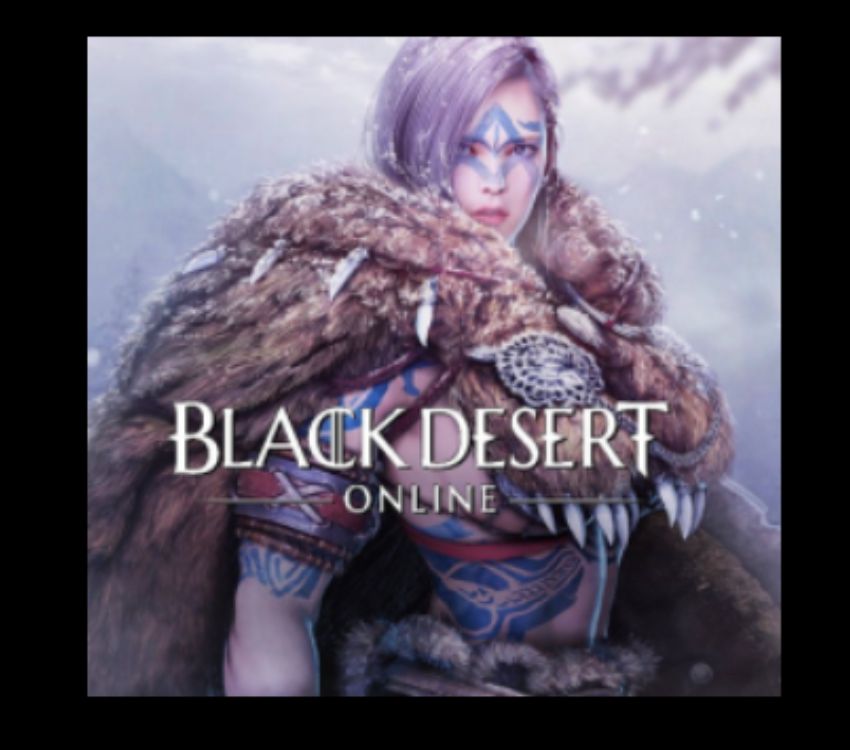
Black Desert Online is widely regarded as one of the most advanced character creators in gaming. The level of visual customization is incredibly detailed, allowing players to modify facial structure, skin tone, eye shape, hairstyle, body proportions, and even subtle muscle definition. Rather than relying on simple presets, the system uses extensive sliders and direct manipulation tools that make it possible to craft highly unique avatars. Beyond aesthetics, the game offers a wide range of classes, each with distinct combat mechanics and animations. While each class has a defined weapon style, players can refine their performance through gear progression and skill customization. In PvP-focused environments, especially, build optimization and playstyle mastery become central to success.
2. Final Fantasy XIV

Final Fantasy XIV blends strong visual customization with one of the most flexible class systems in modern MMORPGs. Players choose from multiple races and sub-races, each with unique aesthetics and lore backgrounds. Hairstyles, facial features, and cosmetic details allow players to stand out in a vibrant online community. What truly sets the game apart, however, is its job system. Instead of being locked into one role, players can switch between combat jobs, crafting professions, and gathering classes on a single character. This flexibility encourages experimentation without forcing players to restart progression. The glamour system further enhances individuality, allowing players to design outfits purely for style while maintaining optimal stats underneath.
3. Elden Ring

While often recognized for its challenging single-player experience, Elden Ring features robust multiplayer components, including co-op and PvP invasions. Its character creation system emphasizes build flexibility through deep stat allocation, weapon scaling, and spell variety. Players can create strength-based warriors with massive weapons, agile dexterity fighters, intelligence-focused sorcerers, faith-based casters, or highly creative hybrid builds that combine multiple attributes. Equipment choices dramatically alter combat rhythm, encouraging players to experiment with different loadouts. Multiplayer interactions showcase how varied these builds can be, as encounters feel distinct depending on each player’s chosen specialization.
4. Guild Wars 2
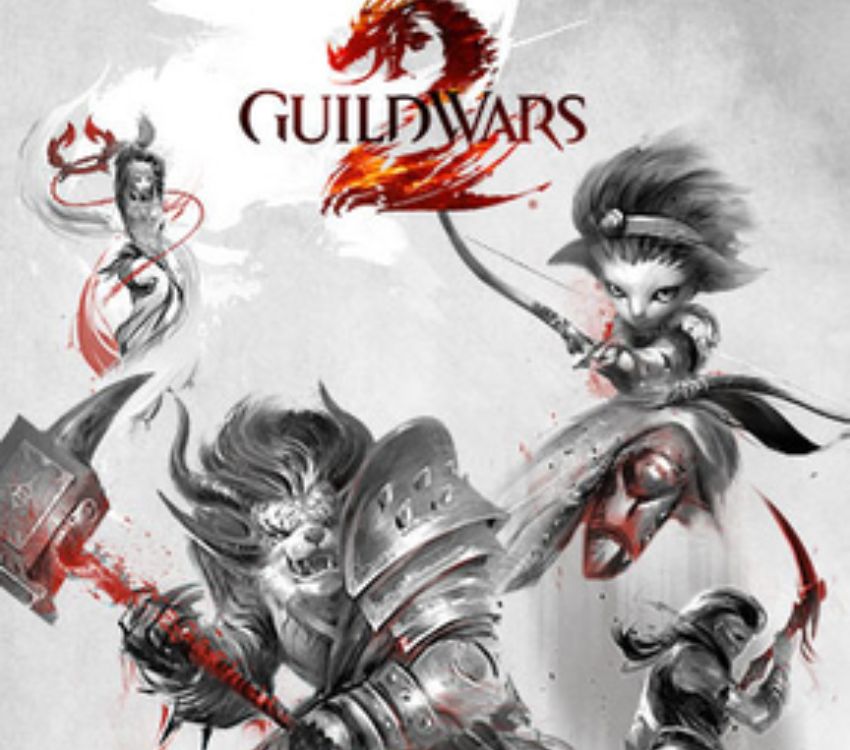
Guild Wars 2 offers a strong foundation in both visual and gameplay customization. Players select from multiple races, each with distinct cultural backgrounds and aesthetic styles. The character creator allows meaningful adjustments to facial features, body type, and armor appearance. Profession selection opens the door to flexible builds, especially through elite specializations that significantly change class mechanics. Traits and skill customization allow players to tailor their approach for structured PvP, world-versus-world battles, or cooperative PvE events. The result is a system that encourages adaptation rather than locking players into rigid archetypes.
5. The Elder Scrolls Online
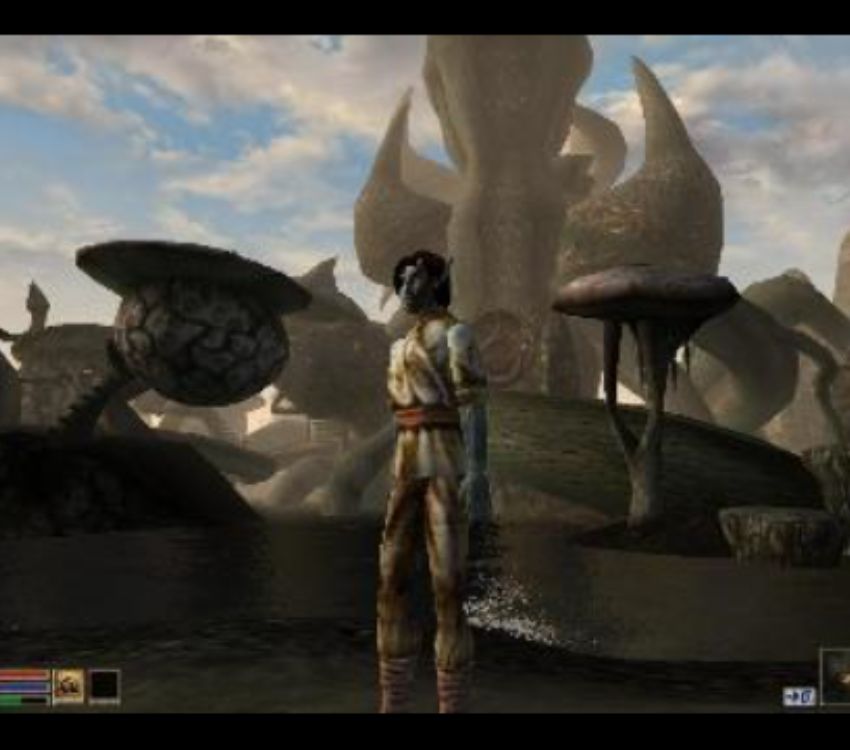
The Elder Scrolls Online combines traditional race and class selection with open-ended skill progression. While classes provide a foundation, players are not restricted to narrow roles. Weapon skill lines, guild abilities, crafting options, and world-based skill trees allow players to create unconventional builds. A magic-wielding warrior or stealth-oriented spellcaster is entirely possible. Armor styles, dyes, and cosmetic collectibles provide additional layers of identity. The flexibility lies not only in visual design but also in how players blend different skill systems into cohesive builds suited to both solo and group content.
6. Warframe
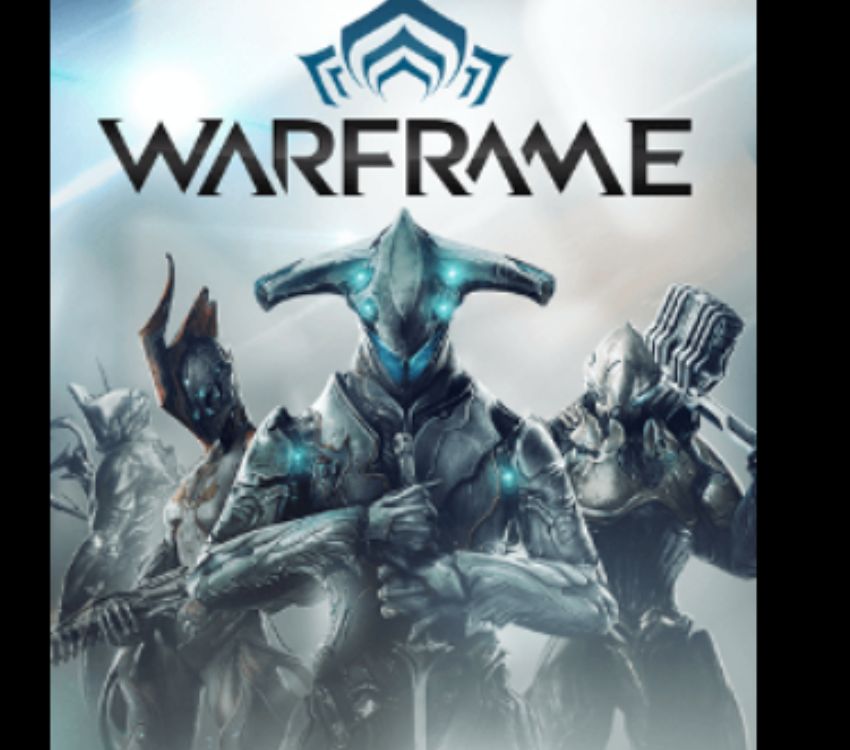
In Warframe, players control unique biomechanical suits called Warframes, each with distinct abilities and playstyles. While each Warframe has a defined identity, customization through mods allows players to dramatically alter performance. Mods can increase damage output, enhance survivability, or focus on ability strength and efficiency. Players fine-tune their setups depending on mission type. On the cosmetic side, extensive color palettes, armor attachments, and skins provide deep visual personalization. The system encourages experimentation and optimization, making each player’s configuration feel distinct.
7. Monster Hunter: World

Monster Hunter: World emphasizes combat-based customization through weapon choice and gear builds. Each weapon category, from massive greatswords to agile dual blades, fundamentally changes gameplay flow. Armor sets provide skills that can be mixed and matched, allowing players to tailor builds around elemental resistances, damage boosts, or defensive strategies. Decorative gems and layered armor systems let players separate appearance from performance. This balance ensures that players can optimize their efficiency while maintaining a chosen aesthetic identity in multiplayer hunts.
8. Star Wars: The Old Republic
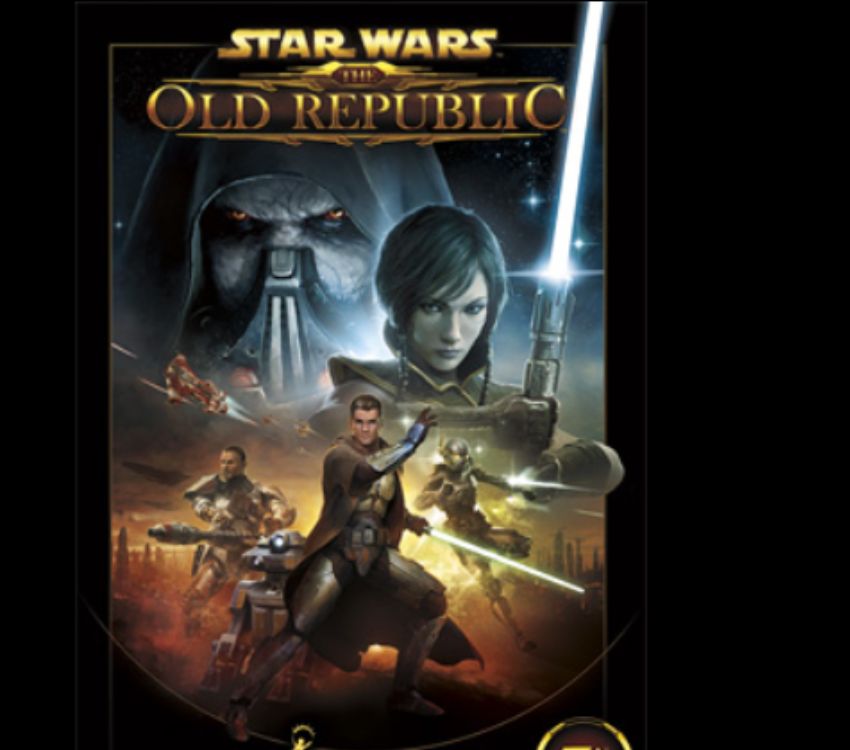
Star Wars: The Old Republic offers a deep and flexible character creation system set within the iconic Star Wars universe. Players can choose from multiple species, classes, and advanced class specializations, each tied to unique storylines that unfold differently depending on their alignment choices and dialogue decisions. Customization begins with visual design, including species-specific features, facial details, body types, and armor styles, but it extends far beyond appearance. Each class branches into advanced roles, allowing players to specialize as damage dealers, tanks, or healers..
9. Phantasy Star Online 2
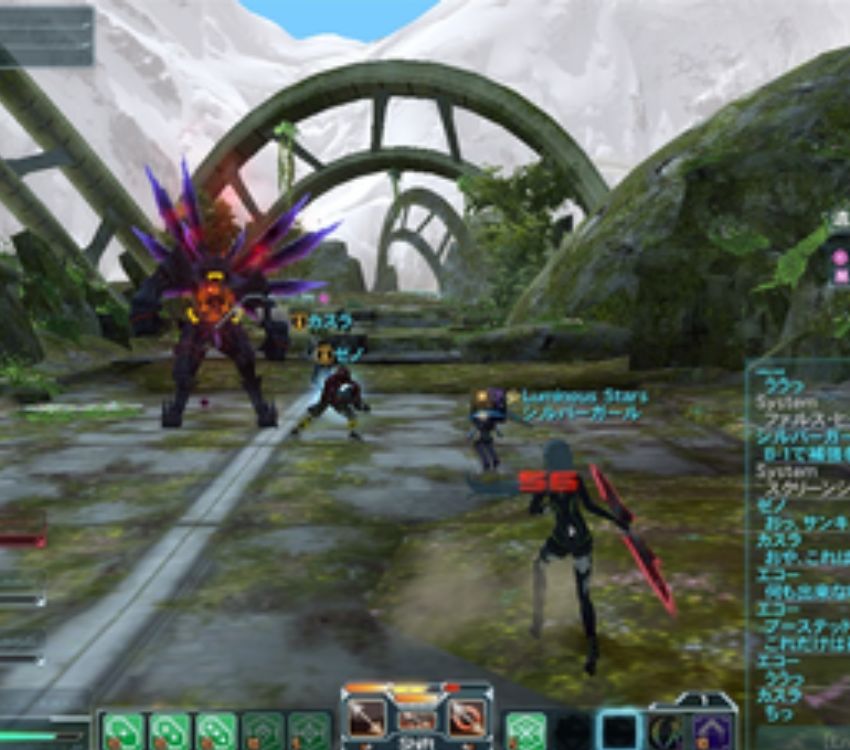
Phantasy Star Online 2 is known for its exceptionally detailed character creator. Players can adjust height, proportions, facial features, voice types, and outfits with impressive precision. Class combinations and skill trees further expand flexibility. Subclass systems allow players to combine abilities from different archetypes, encouraging hybrid builds. The result is a system that emphasizes individuality both visually and mechanically in cooperative missions. Extensive accessory layering and color customization also give players remarkable control over fine visual details.
10. Destiny 2

While more streamlined visually, Destiny 2 offers meaningful build flexibility through subclasses, aspects, fragments, and armor mods. Each class, Titan, Hunter, or Warlock, can specialize in different elemental playstyles. Build crafting becomes particularly important in high-level PvE and competitive PvP modes. Players adjust cooldowns, damage types, and synergy between abilities to suit team compositions. Cosmetic shaders and armor ornaments ensure players can maintain a distinctive look while optimizing performance. Seasonal updates frequently introduce new build options that refresh the meta.
11. World of Warcraft
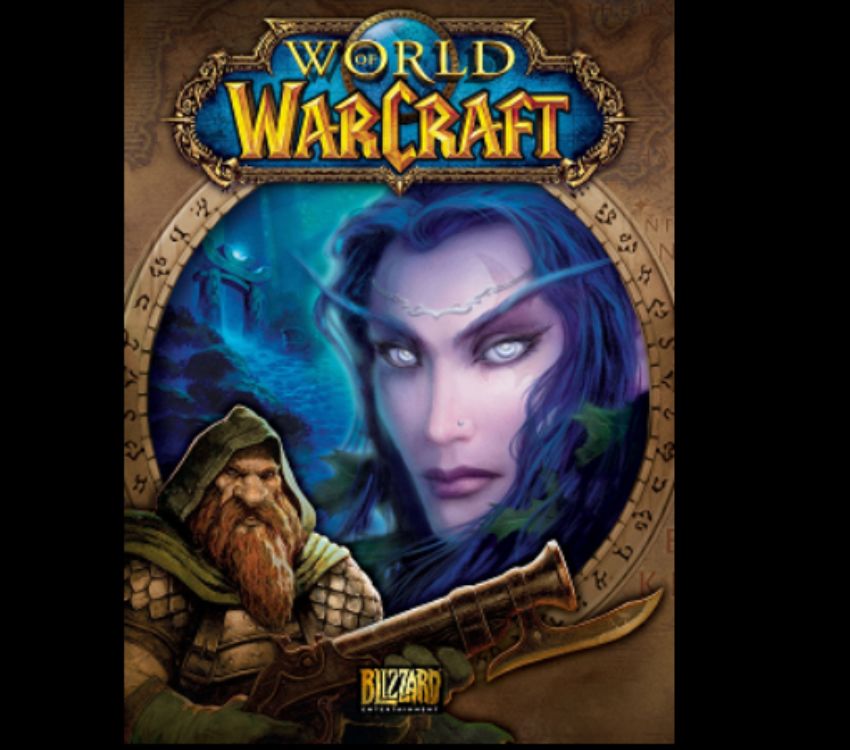
As one of the longest-running MMORPGs, World of Warcraft has continuously expanded its character customization options. Players choose from numerous races and classes, each with specializations that significantly alter gameplay. Talent trees allow further refinement of abilities, and the transmog system ensures players can customize appearance independently of gear stats. Over the years, expanded cosmetic options have made it easier for players to craft a unique visual identity while maintaining competitive builds for raids, dungeons, or PvP. Frequent expansions also rework talents to keep builds evolving.