

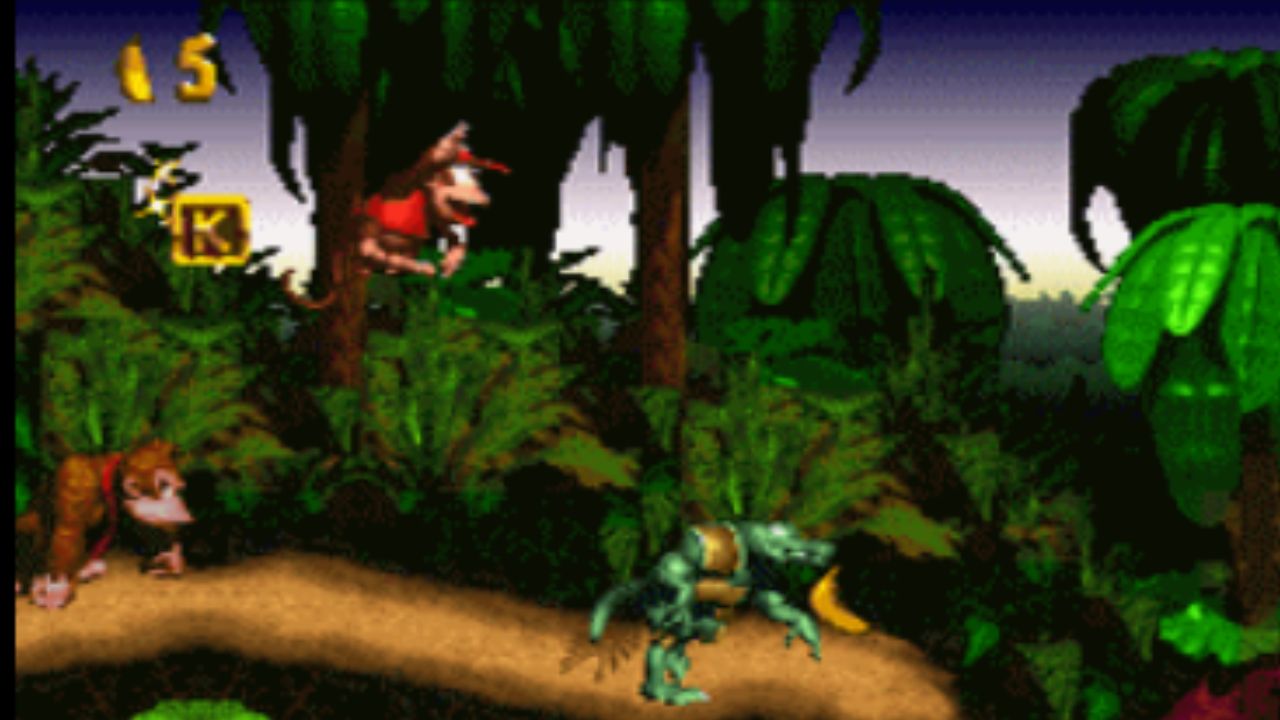

The 8-bit era marked a turning point in entertainment history. During the 1980s, home consoles transformed video games from arcade curiosities into living-room staples. Systems like the Nintendo Entertainment System (NES) and Atari 2600 introduced millions of players to interactive worlds filled with challenge, imagination, and unforgettable characters. Despite strict hardware limitations, minimal memory, simple sound chips, and restricted color palettes, developers found creative ways to deliver deep gameplay experiences that still resonate today. What makes the 8-bit era so important isn’t just nostalgia, it’s foundation. Many of the mechanics and genres.
1. Super Mario Bros
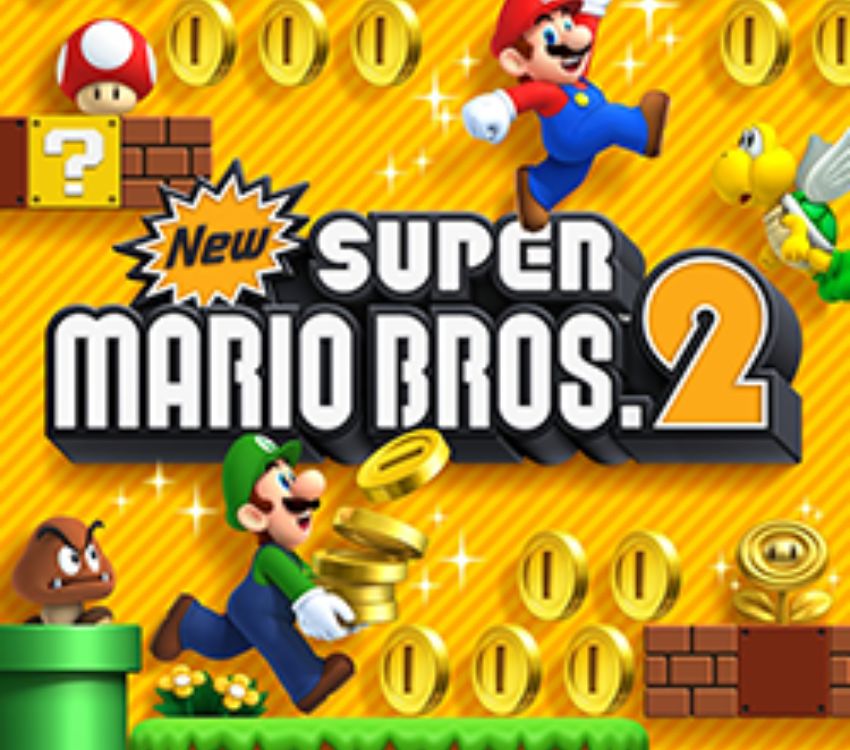
Released in 1985 for the NES, Super Mario Bros. didn’t just become popular; it revived an entire industry. After the video game crash of 1983, consumer confidence in home consoles had plummeted. Nintendo’s carefully designed platformer restored that trust with tight controls, colorful worlds, and gameplay that was easy to understand but difficult to master. From the first jump in World 1-1, players understood the goal: move right, avoid danger, and reach the flagpole. Beyond its commercial success, the game established the blueprint for side-scrolling platformers.
2. The Legend of Zelda
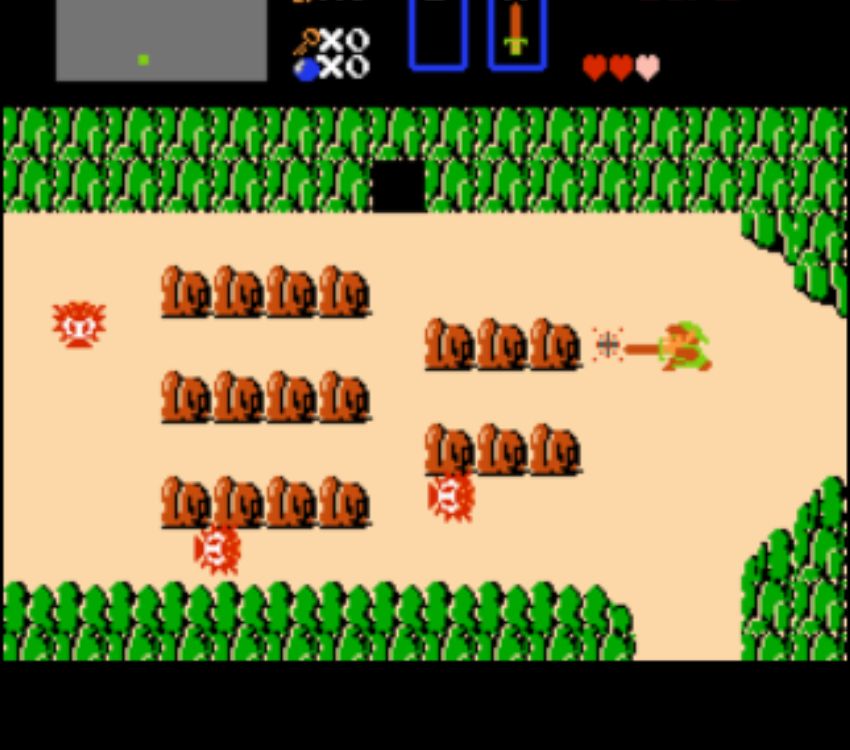
When The Legend of Zelda launched in 1986, it introduced something revolutionary: freedom. Instead of guiding players along a strictly linear path, it dropped them into a vast overworld and encouraged exploration. Armed with little more than a wooden sword, players ventured into forests, mountains, and hidden dungeons without clear directions. This sense of mystery and discovery set it apart from most games of its time. The game also pioneered technical innovations, including a battery-backed save system that allowed players to continue their adventure later, a rare feature in the 8-bit era. It’s dungeon puzzles, item-based progression.
3. Mega Man 2
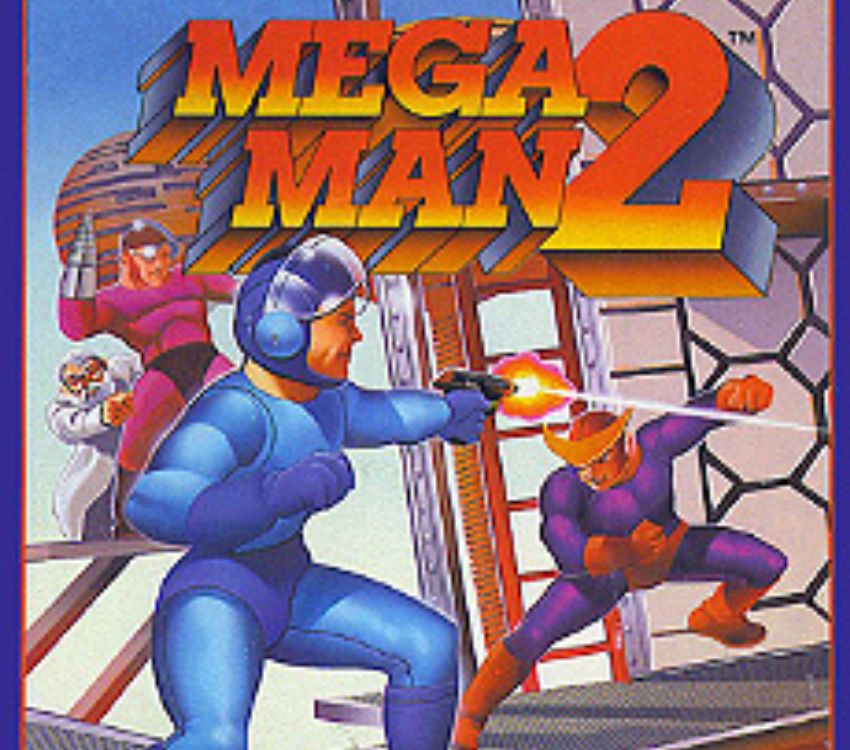
Mega Man 2 is widely considered one of the finest action-platformers of the 8-bit generation. Unlike many games that followed a fixed sequence of levels, Mega Man 2 allowed players to choose which Robot Master to challenge first. Each defeated boss granted a new weapon, and discovering which weapons were most effective against other bosses added a layer of strategy rarely seen in similar titles. Beyond its innovative structure, the game is remembered for its challenging but fair difficulty and legendary soundtrack. Stages like Metal Man’s and Dr. Wily’s fortress became iconic thanks to both their design and music.
4. Metroid
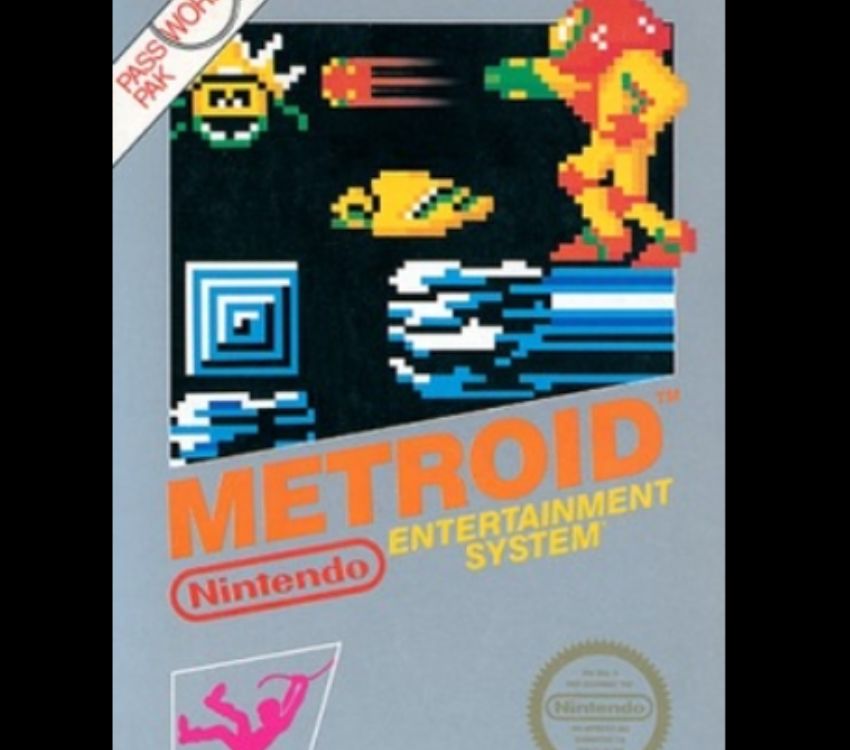
Released in 1986, Metroid offered a darker, more atmospheric experience compared to many colorful platformers of the time. Set on the alien planet Zebes, the game encouraged players to explore interconnected corridors filled with hostile creatures and hidden upgrades. Its non-linear world required backtracking, with new abilities unlocking previously inaccessible areas. Metroid’s mood-setting soundtrack and sense of isolation created a unique tone rarely matched in the 8-bit era. The game also became famous for its ending twist: the armored bounty hunter Samus Aran was revealed to be a woman, a groundbreaking moment for representation in gaming.
5. Castlevania
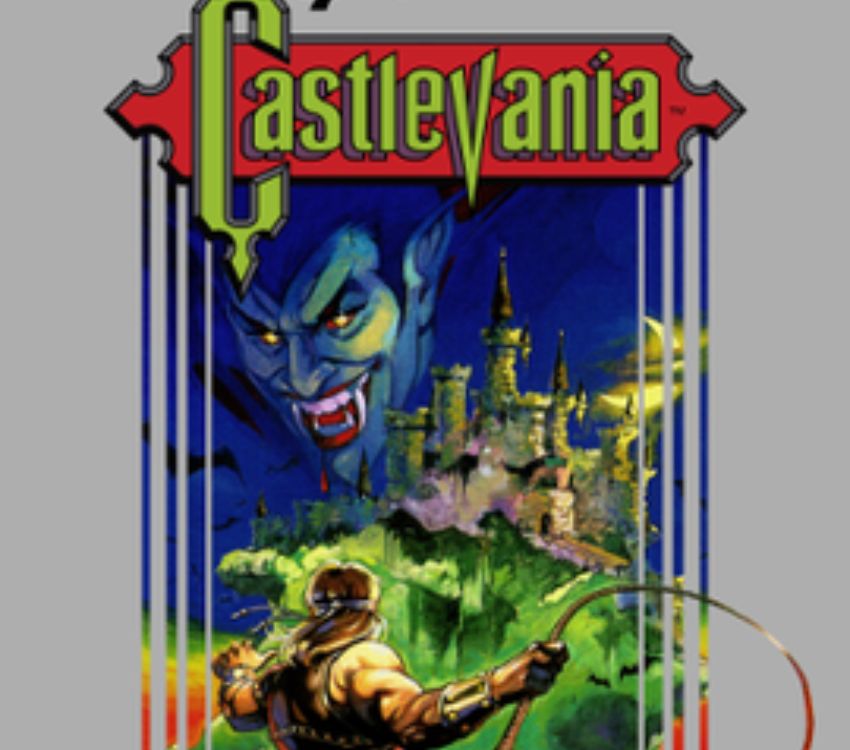
Castlevania brought gothic horror to home consoles with style and difficulty. Players took control of vampire hunter Simon Belmont as he journeyed through Dracula’s castle armed with a whip and various sub-weapons. The game’s deliberate movement and precise jumps demanded patience and skill, creating a tense and rewarding experience. What truly elevated Castlevania was its atmosphere. The haunting soundtrack, eerie backgrounds, and classic movie-monster enemies gave the game a cinematic quality rare for its time. Its success led to numerous sequels and spin-offs, cementing it as one of the defining action franchises of the early console era.
6. Tetris
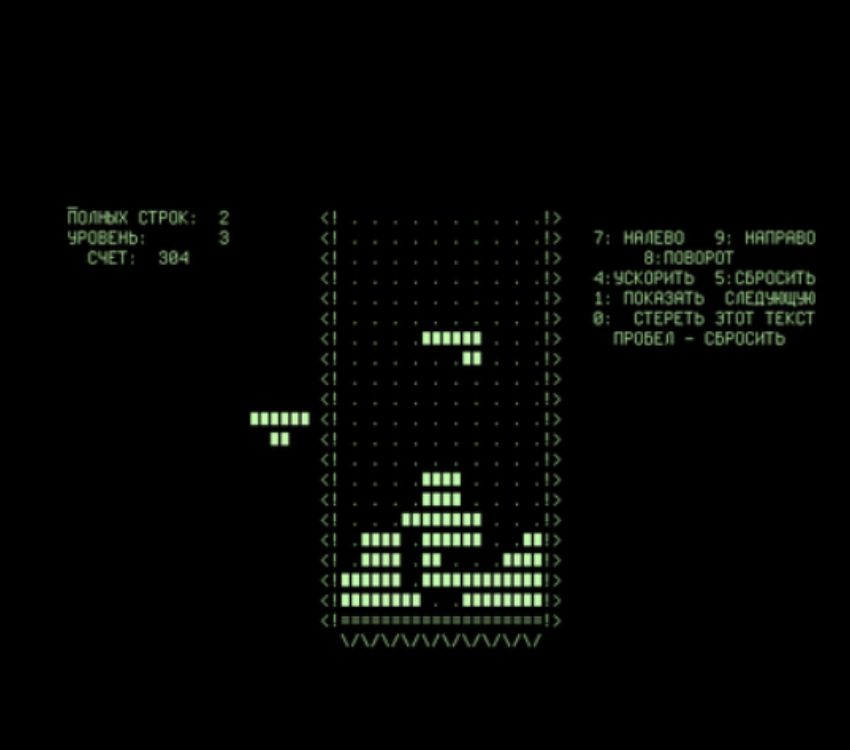
Though originally designed by Alexey Pajitnov in 1984, Tetris became a household name when it arrived on the NES. The concept was deceptively simple: rotate and arrange falling geometric shapes to complete horizontal lines. Yet the increasing speed and constant pressure created one of the most addictive gameplay loops ever designed. Tetris proved that a game didn’t need characters, storylines, or advanced graphics to captivate players. Its universal appeal transcended age, language, and culture. The NES version in particular helped cement puzzle games as a powerful genre in the home console market, influencing countless titles that followed.
7. Contra
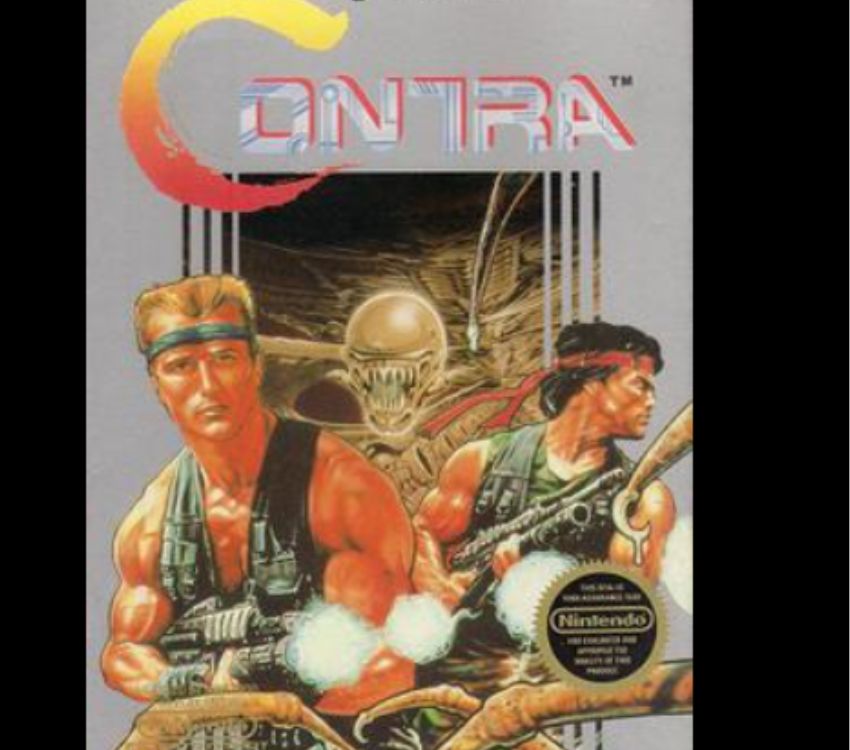
Released in 1987, Contra became synonymous with intense difficulty and explosive action. Players controlled elite commandos Bill Rizer and Lance Bean as they battled alien forces across jungle outposts, enemy bases, and futuristic strongholds. The fast-paced run-and-gun gameplay required sharp reflexes, memorization, and near-perfect timing, pushing players to their limits from the very first stage. One of Contra’s most famous contributions to gaming culture was the legendary “Konami Code,” which granted extra lives and became a widespread gaming phenomenon.
8. Pac-Man
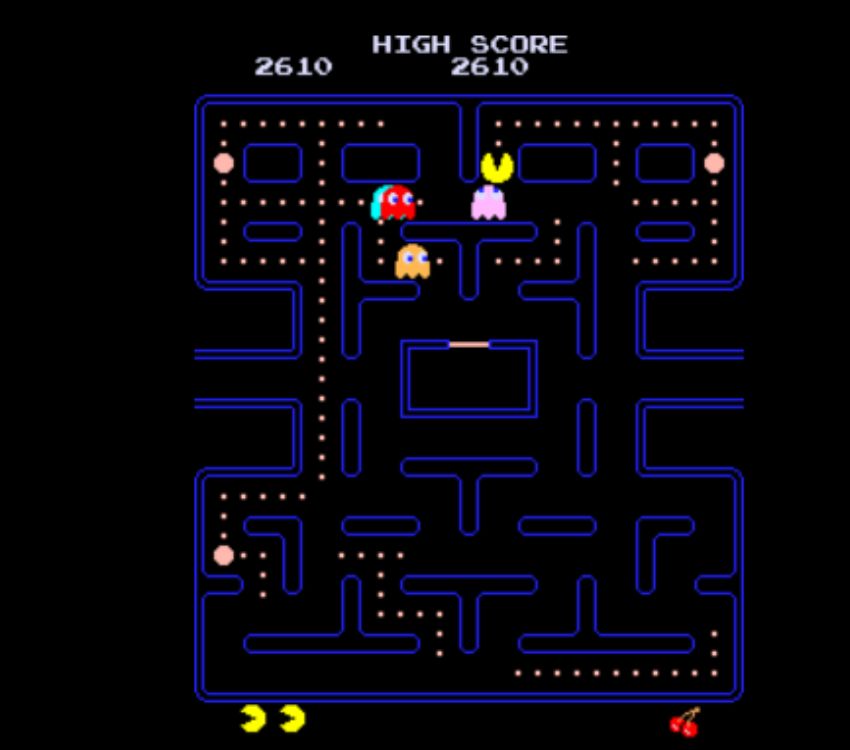
Bandai Namco Entertainment America,Fair use/Wikimedia Commons
When Pac-Man arrived on home consoles in 1982, it carried enormous expectations. The arcade version had already become a cultural sensation, and Atari aimed to replicate that success in living rooms around the world. Although the 2600 port was technically limited compared to its arcade counterpart, it became one of the best-selling Atari games of all time. The release also marked a significant moment in gaming history, demonstrating both the power and risks of arcade-to-console conversions. While the simplified visuals and altered gameplay received criticism, Pac-Man’s home debut showcased the growing demand for recognizable franchises outside arcades.
9. Donkey Kong
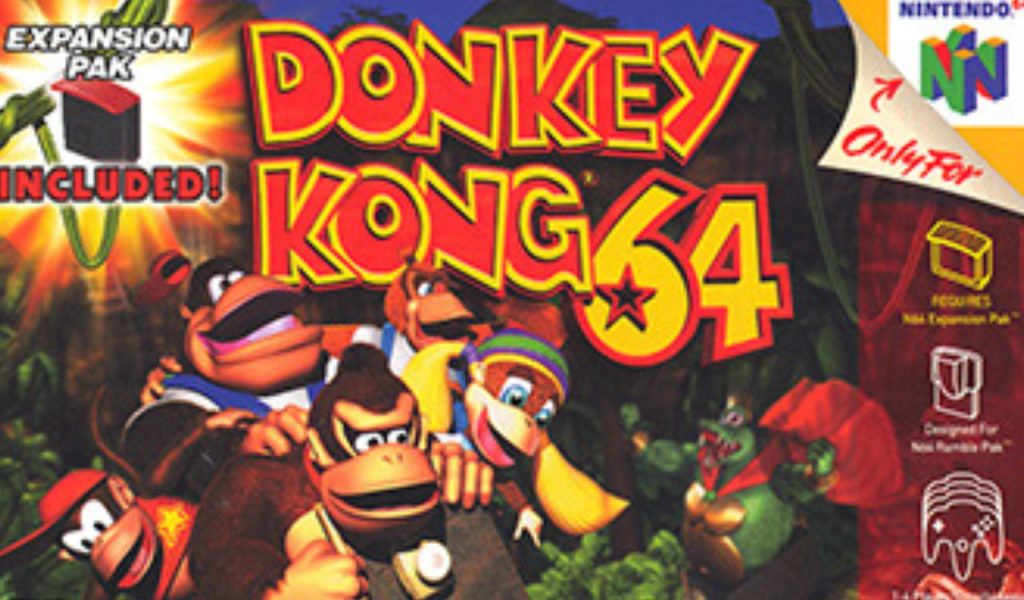
The NES release of Donkey Kong brought one of Nintendo’s earliest arcade successes into the home. Originally debuting in arcades in 1981, Donkey Kong introduced players to a carpenter named Jumpman, later known as Mario, who had to rescue Pauline from the clutches of a giant ape. The game’s mix of climbing, jumping, and hazard avoidance helped establish the foundations of platform gaming. On the NES, Donkey Kong maintained much of its arcade charm while expanding accessibility for home audiences. It’s character-driven storytelling, with simple yet demanding mechanics.
10. Final Fantasy
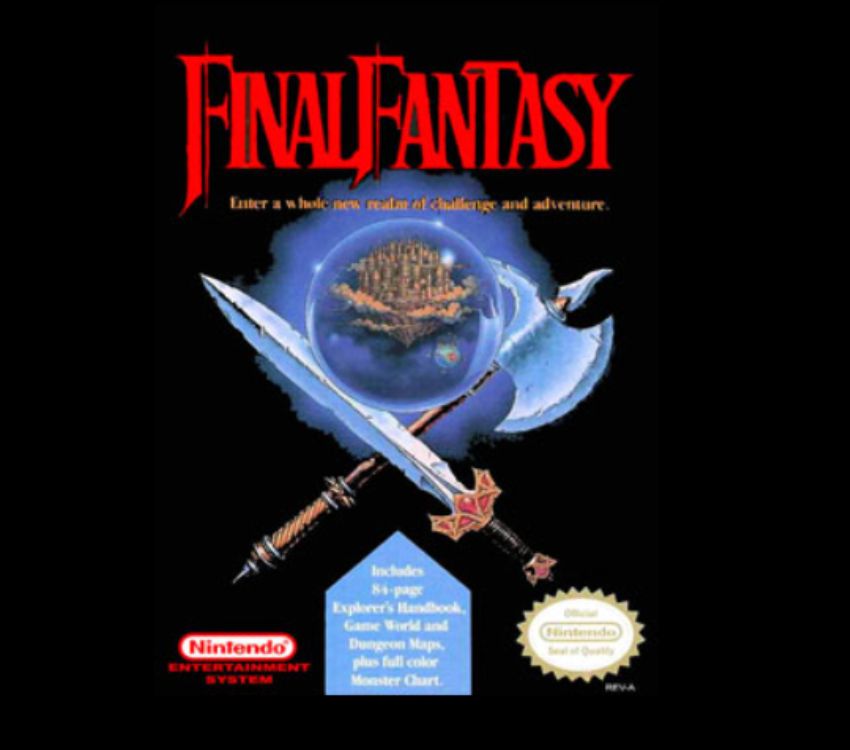
When Final Fantasy launched in 1987, it was developed as a last attempt to save its struggling studio, Square. The result was a role-playing game that blended Western fantasy influences with Japanese design sensibilities. Players formed a customizable party of Warriors of Light and embarked on a quest to restore elemental crystals, exploring towns, dungeons, and a sprawling overworld. The game’s turn-based combat system, character classes, and epic narrative scope set new standards for console RPGs. Its success not only saved the company but also launched one of the most enduring franchises in gaming history.
11. Duck Hunt
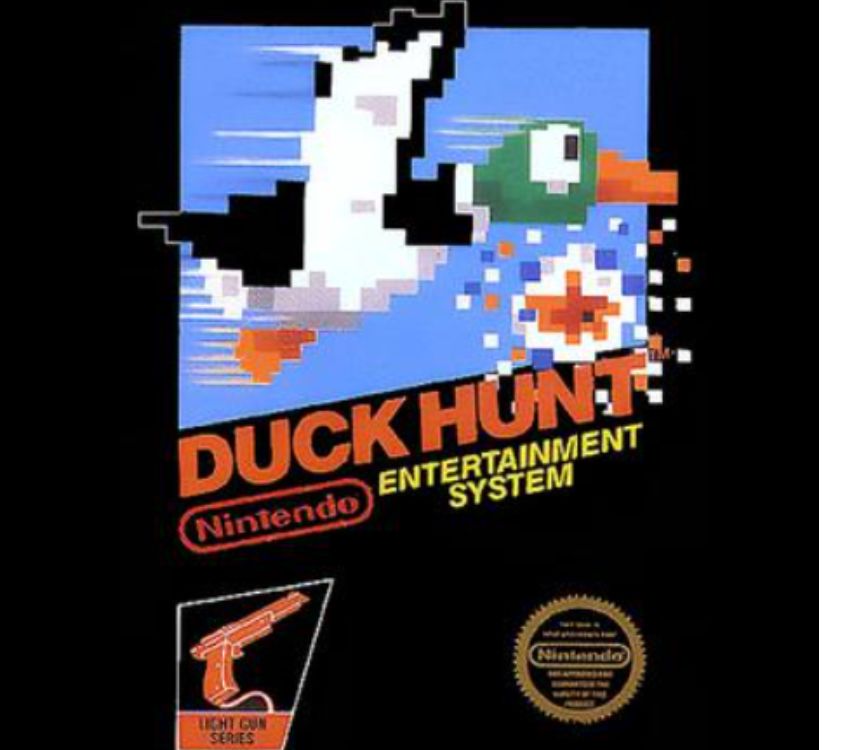
Released in 1984, Duck Hunt showcased Nintendo’s innovative NES Zapper accessory, allowing players to physically aim at the screen to shoot flying ducks. The light gun technology created a new type of interaction that felt futuristic at the time, transforming the television into a reactive play space rather than a passive display. Though simple in concept, Duck Hunt became iconic thanks to its satisfying shooting mechanics and the infamous laughing dog who mocked missed shots. Often bundled with Super Mario Bros., it introduced countless households to the NES.
12. Kirby’s Adventure
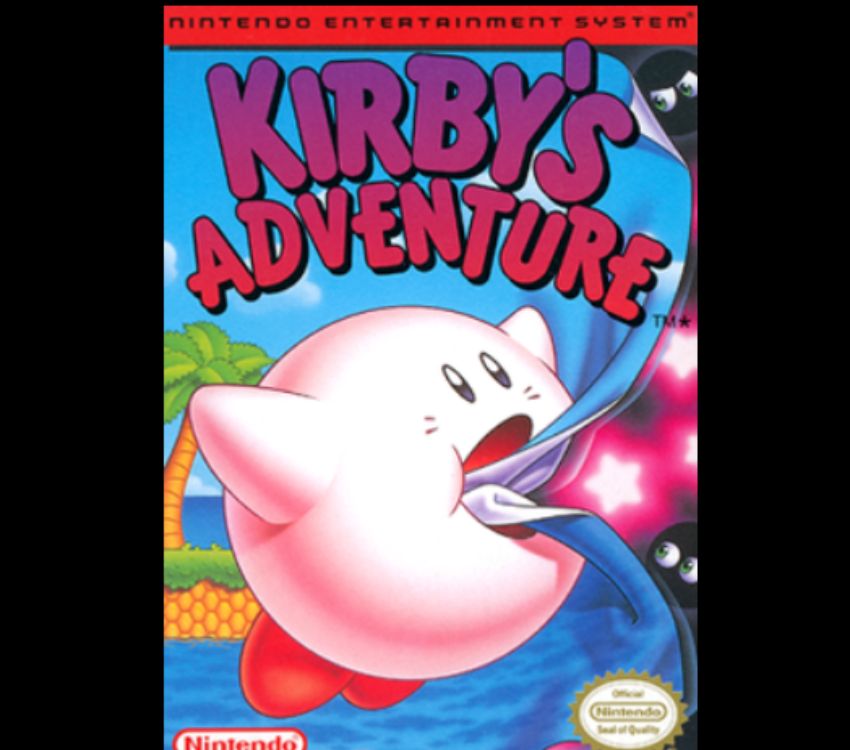
Arriving late in the NES lifecycle, Kirby’s Adventure pushed 8-bit hardware to impressive technical heights. Featuring detailed sprites, colorful environments, and smooth animation, the game demonstrated how developers had mastered the system after years of experience. Players guided Kirby through Dream Land, inhaling enemies and copying their abilities, a mechanic that added creativity and variety to each stage. Kirby’s Adventure stood out for its accessibility, offering a gentler difficulty curve compared to many punishing 8-bit titles. At the same time, it delivered inventive level design and imaginative boss encounters.