



Some video game franchises maintain such a high standard of quality that fans can count on them every time. These are the series that not only shaped the industry but also never released a truly bad entry. Even when experimenting with new styles or gameplay innovations, they manage to deliver something polished, memorable, and fun. Consistency on this level is rare in the gaming world, where long-running series often struggle with uneven releases. Yet the franchises below have avoided that pitfall, building reputations as reliable benchmarks of excellent design, world-building, and craftsmanship. Here are 12 game franchises that never had a bad game.
1. The Legend of Zelda

The Legend of Zelda franchise has been a pillar of adventure gaming since its debut. Each entry introduces imaginative worlds, clever puzzles, and memorable characters that captivate players of every generation. From the NES classic to modern open-world masterpieces, Zelda games consistently deliver high creativity and refinement. What makes the series stand out is its ability to reinvent itself while retaining its core identity. Whether shifting to 3D, embracing cel-shading, or exploring vast sandbox worlds, the franchise never compromises on quality. Every game feels like a carefully crafted journey worth experiencing.
2. Super Mario

The Super Mario series is arguably the most consistently acclaimed franchise in gaming. From tight platforming in its 2D entries to groundbreaking innovations in its 3D installments, Mario games maintain an unmatched level of polish. Each new release brings fresh ideas that redefine what platformers can be. Even riskier or more experimental titles within the franchise are met with enthusiasm thanks to Nintendo’s commitment to quality. The bright worlds, inventive level design, and joyful creativity ensure players always know they’re getting something special when Mario returns.
3. Metroid Prime
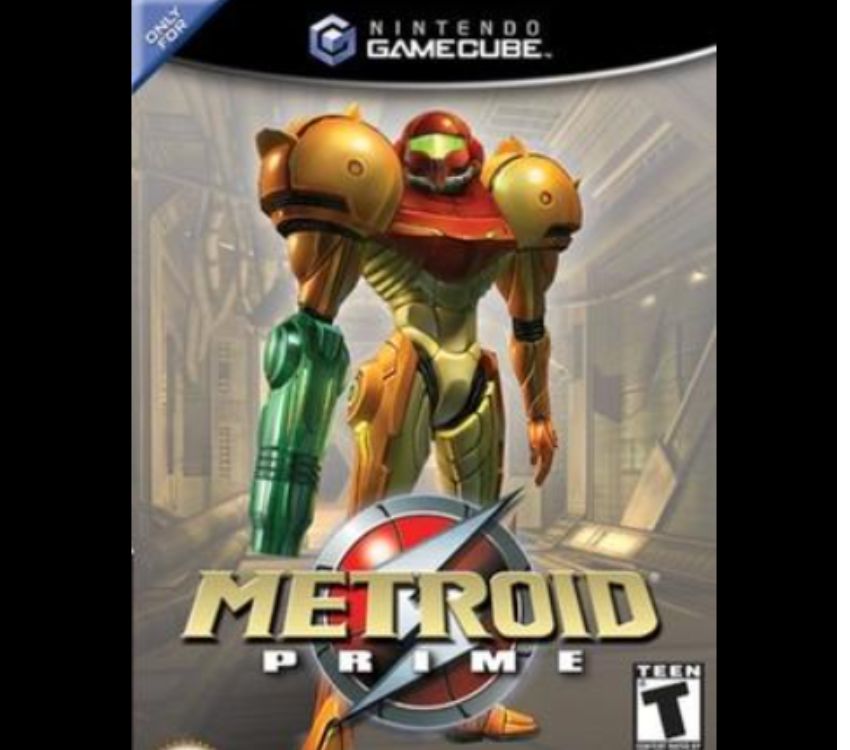
The Metroid Prime trilogy is widely regarded as one of the best first-person adventure experiences in gaming. Each entry blends atmospheric exploration, immersive world design, and smart progression systems that reward curiosity. Players consistently praise the series for its mood, pacing, and exceptional attention to detail. Unlike many trilogies, Metroid Prime never loses momentum or focus. Every title feels like a natural evolution of the last, refining mechanics without sacrificing what made the series so iconic. As a result, it remains one of the most respected and consistently excellent franchises in Nintendo’s library.
4. Persona
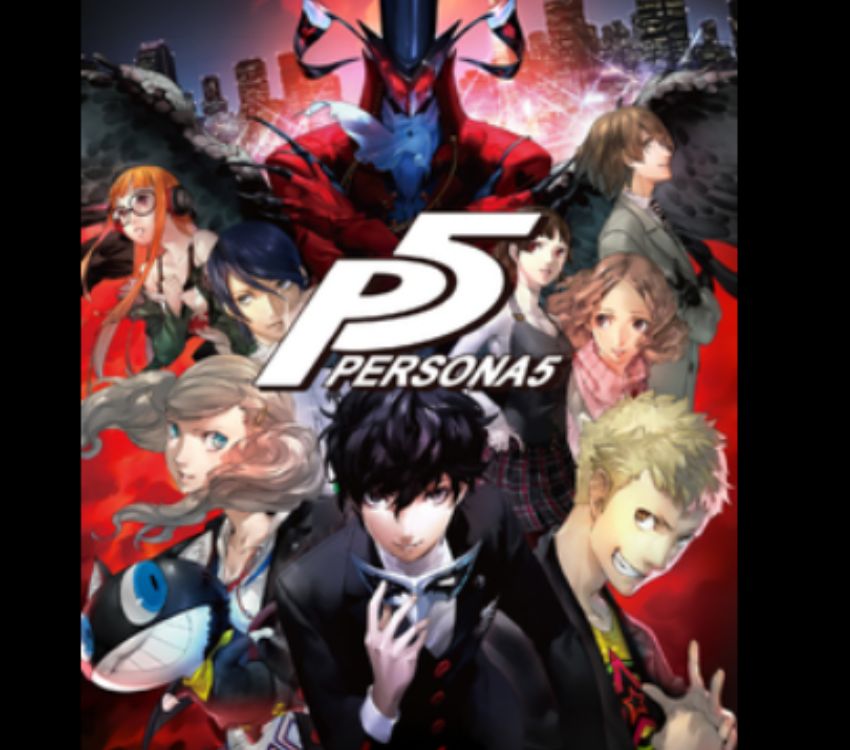
The Persona franchise has carved out a unique space in the RPG genre by blending emotional storytelling with strategic, stylish gameplay. Beginning with Persona 3’s modern reinvention, each entry has delivered impactful narratives and character-driven experiences that resonate deeply with players. Persona games consistently balance thematic depth with vibrant art direction, memorable soundtracks, and addictive life-sim mechanics. Even with complex stories, the franchise maintains accessibility and polish, ensuring each new release becomes a defining title for its generation.
5. Dark Souls
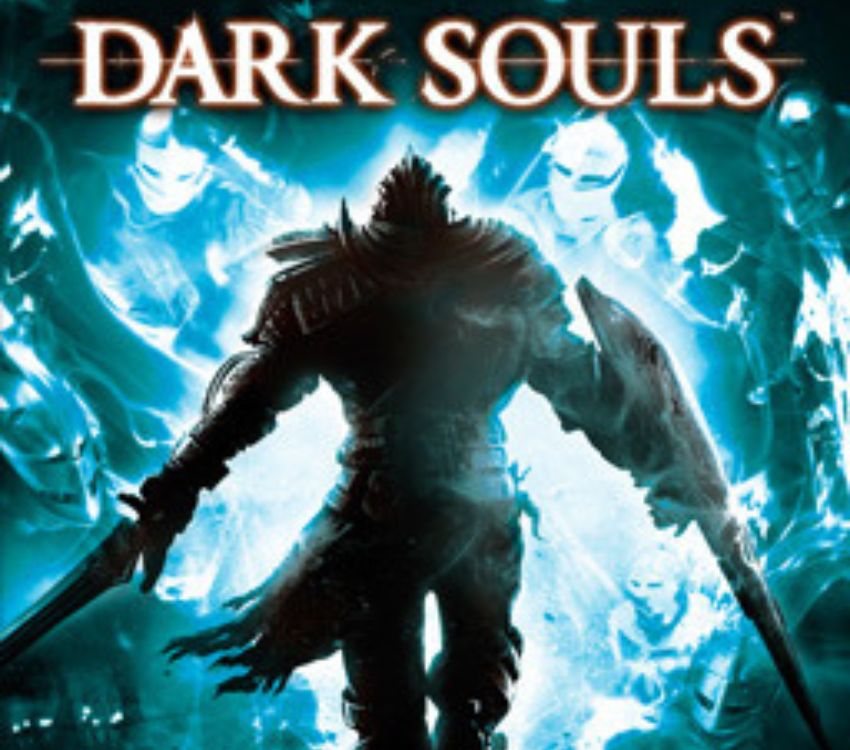
The Dark Souls trilogy is famous for its challenging gameplay, haunting atmosphere, and deeply interconnected world design. Each game creates a sense of mystery and discovery that few series can match, encouraging players to learn from every defeat and persevere through its trials. What makes Dark Souls consistently great is its commitment to fair, rewarding difficulty and thoughtful level design. All three titles maintain a high standard of quality, with each offering new interpretations of the series’ combat, lore, and exploration without ever faltering in execution.
6. Monster Hunter
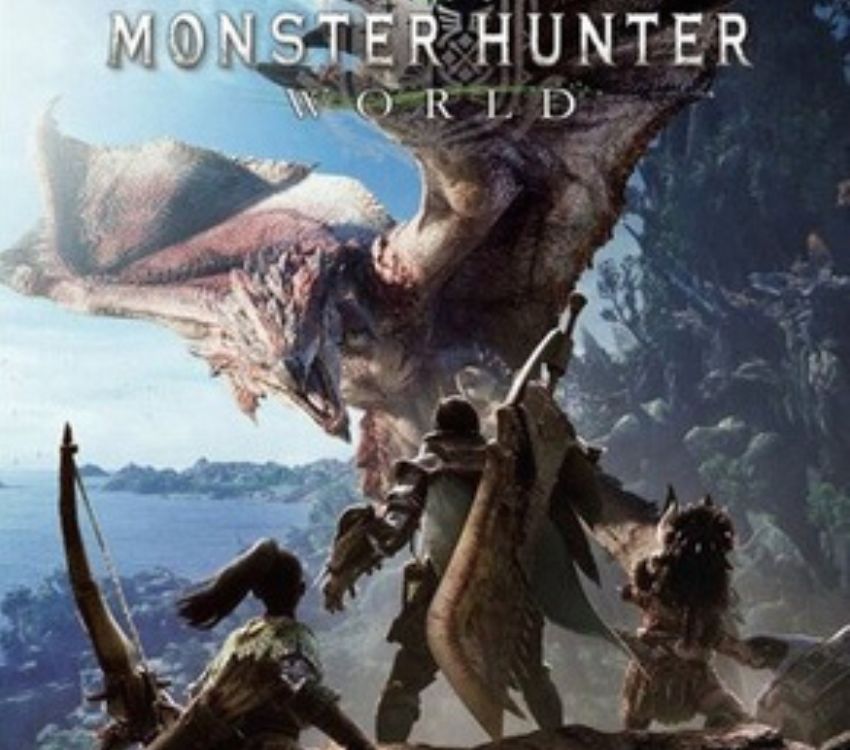
Capcom’s Monster Hunter franchise stands as one of the most polished cooperative action series in gaming. Each entry brings expansive ecosystems, strategic combat, and rewarding progression systems that keep players engaged for hundreds of hours. The series is known for its incremental improvements with each new release. Rather than reinventing the wheel, Monster Hunter focuses on refining mechanics, introducing new monsters, and improving quality of life. This approach ensures consistent quality and long-term fan devotion.
7. Pokémon

The Pokémon (video game series) mainline series has remained a cultural cornerstone for decades. Each generation introduces new creatures, regions, and mechanics while preserving the core turn-based monster-catching formula that fans love. Even when certain entries spark debate, the franchise maintains a baseline level of fun and accessibility. Pokémon games are consistently enjoyable, charming, and impactful on gaming culture, earning them a reputation as one of the most reliable long-running series.
8. Halo

The Halo games defined what a modern console shooter could be. From Halo: Combat Evolved to Halo: Reach, Bungie established a level of quality that influenced nearly every FPS that followed. The gameplay balance, iconic weapon sandbox, and groundbreaking multiplayer modes made each entry feel polished and thoughtfully designed. These games also pushed technical boundaries on their respective platforms, earning critical acclaim across the board. Equally impressive was the narrative consistency throughout Bungie’s run. The overarching story of Master Chief and the Covenant War was delivered with cinematic flair, memorable music, and strong pacing. Even spin-offs during this period maintained the same level of care in world-building and emotional weight.
9. Uncharted

The Uncharted series, led by Nathan Drake, set a new standard for cinematic storytelling in video games. Each entry took players on globe-trotting adventures filled with expertly crafted set pieces, sharp writing, and charming character dynamics. The combination of platforming, combat, and exploration was consistently polished, making the series accessible while still offering depth and variety. What truly sets the franchise apart is its emotional growth and technical refinement with each new release.
10. God of War
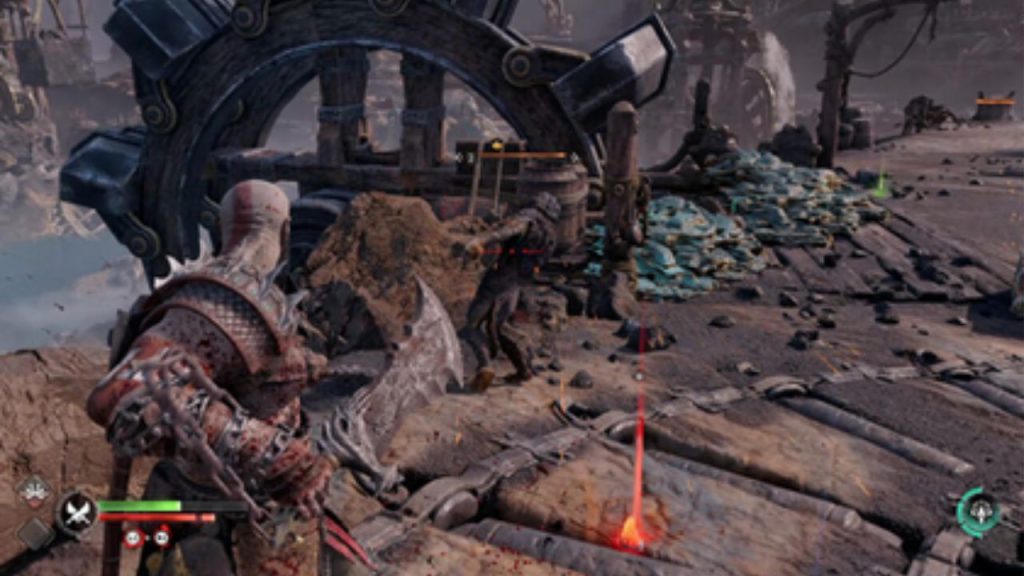
The God of War (2018) reboot reinvigorated the long-running franchise by adding emotional depth and a more grounded narrative approach. Kratos’ evolution from a rage-driven warrior to a complex father figure resonated with both longtime fans and newcomers. The semi-open world structure, combined with an over-the-shoulder camera and weighty combat, created a fresh identity that still honored the series’ roots. Its sequel continued this momentum by expanding the world, introducing richer character arcs, and refining the already strong gameplay systems.
11. Portal

Valve’s Portal franchise is small but flawless. Both games introduced a groundbreaking portal-based puzzle system that redefined the genre. The clever mechanics, inventive level design, and perfect pacing made each challenge feel fresh and satisfying. The gameplay depth wrapped in a deceptively simple concept is a major reason the series remains so iconic. Beyond gameplay, the storytelling and humor elevate Portal to legendary status. GLaDOS’s sarcastic commentary and the dark, minimalist world-building created an unforgettable atmosphere that resonated with players even without a traditional narrative structure.
12. The Witcher

The Witcher trilogy is celebrated for its exceptional storytelling and deep role-playing mechanics. Each installment grew more ambitious, with richer world-building, morally complex quests, and memorable characters. Even the earliest game, while dated by modern standards, was groundbreaking in its narrative scope and introduced players to a compelling, mature fantasy world. As the series progressed, CD Projekt Red refined its combat, writing, and open-world design to near-perfection, culminating in The Witcher 3, one of the most acclaimed games of all time. Despite the studio’s growth and changing technology, the franchise never suffered a weak entry or creative misfire.