

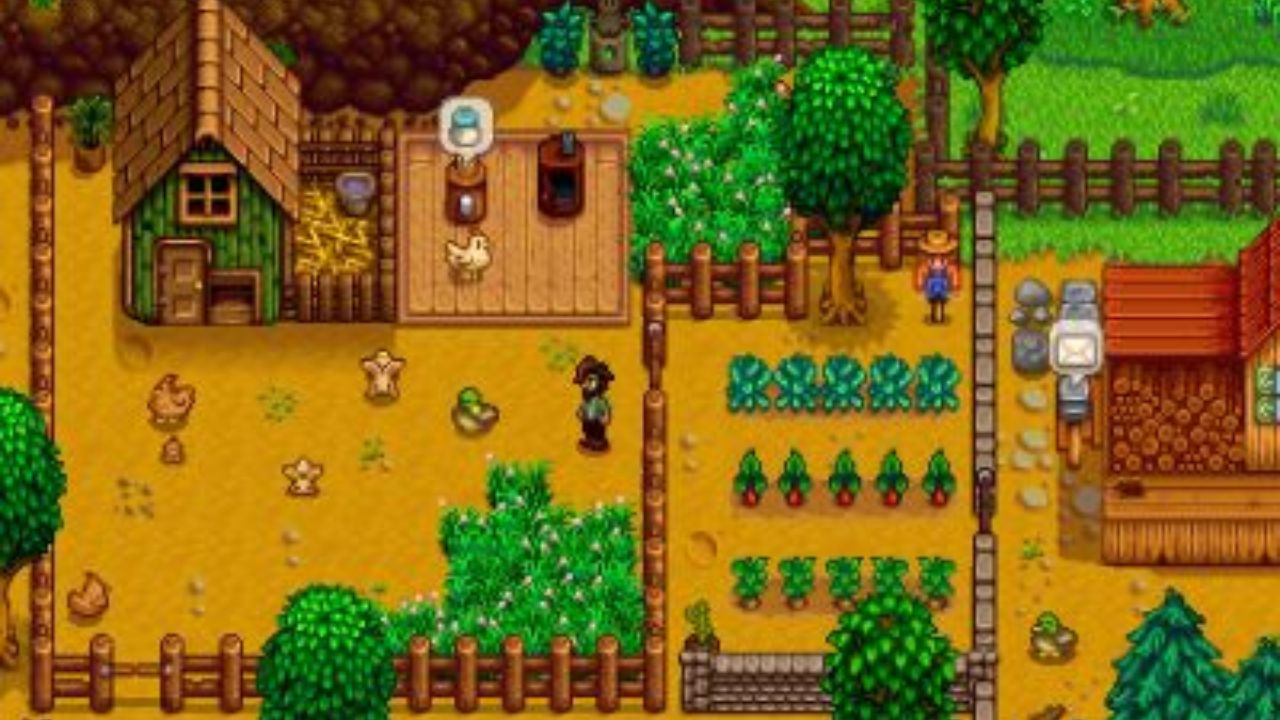

Some games don’t chase you with constant explosions or speedrun energy. They slow you down on purpose with long rides, quiet downtime, menus, maps, survival routines, and dialogue dumps. The trick is that “slow” can be sticky: when the world reacts, choices matter, and progress is earned, you keep coming back. Slow pacing also gives your brain room to notice details, build plans, and care about outcomes. These 12 titles prove that deliberate pacing can hook harder than pure adrenaline, because the payoff feels personal and the hours stack up quietly. You don’t sprint; you settle in.
1. Death Stranding
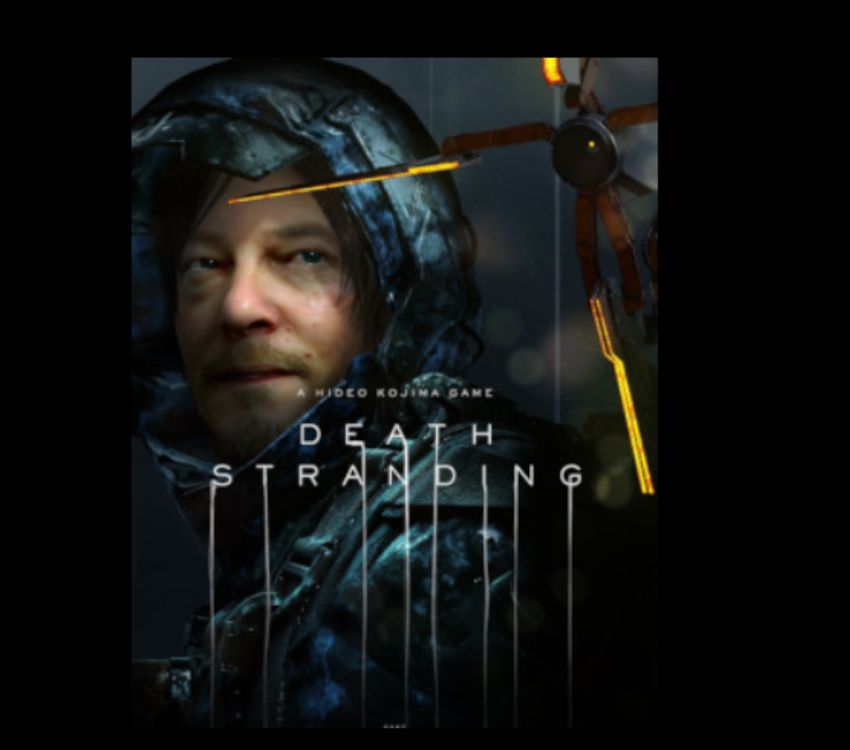
It’s basically a delivery game that dares you to enjoy the walk. Long treks, route planning, balance management, and weather make every kilometer a tiny problem to solve. What keeps you hooked is the feedback loop: build a ladder, place a bridge, leave supplies, and strangers benefit, then return the favor. You start noticing “desire paths” you created yourself, and optimizing routes becomes its own puzzle. The story drip-feeds weird, high-stakes lore, but the real addiction is watching your network of paths slowly tame an impossible landscape. The terrain is the enemy, so patience becomes power.
2. Red Dead Redemption 2
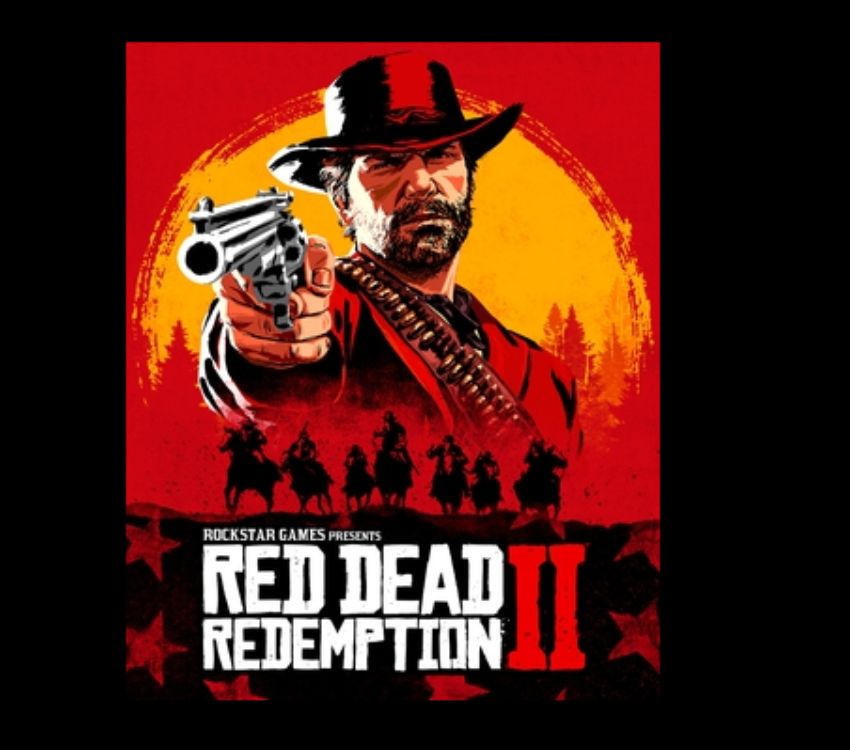
Rockstar lets scenes breathe: slow horse rides, camp conversations, hunting, and mundane chores that feel like living. The hook is how richly the world pays you back, random encounters, reactive NPCs, and systems like honor and bounties that remember your behavior. Even simple trips can turn into a chain of consequences, so you plan like it’s real life. The pacing works because immersion is the reward, not just missions. You stay because you’re always one sunset, one ambush, or one quiet character moment away from another “okay, one more.” That slow burn makes the drama hit harder when it finally erupts.
3. Disco Elysium
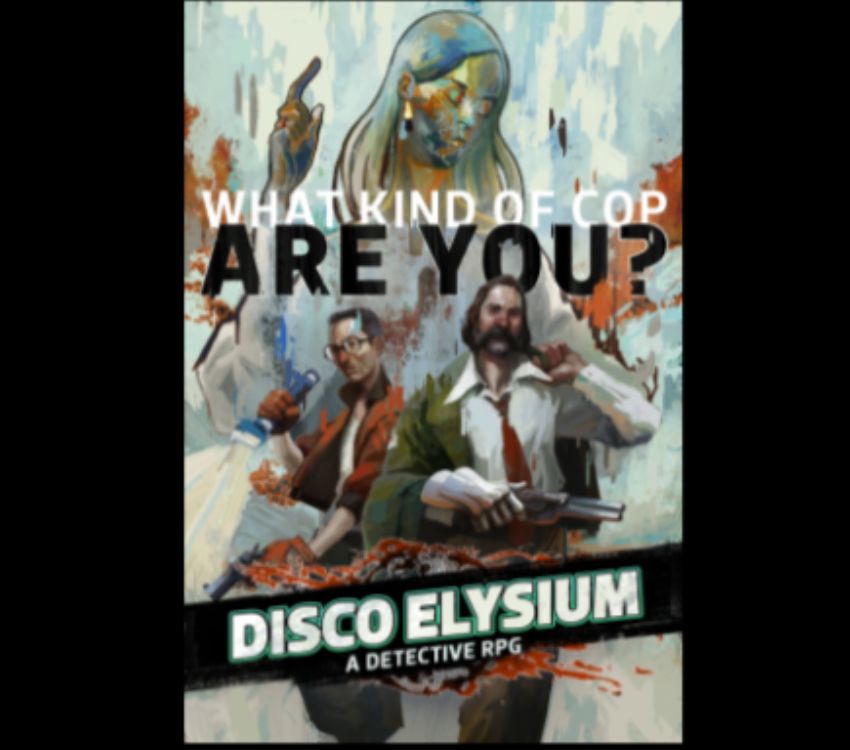
No twitch reflexes here, just reading, thinking, and making choices that can embarrass you in public. The pacing is slow because the game lives inside conversations and your own messy head, where skills argue with each other like a group chat gone feral. You stay hooked because every line can bend the case, your identity, and the city’s politics, and because failure is content, not a reload screen. It’s also one of the rare RPGs where humor, ideology, and heartbreak share the same page. The result is a detective story that rewards curiosity more than speed. It’s slow, but never idle.
4. Stardew Valley
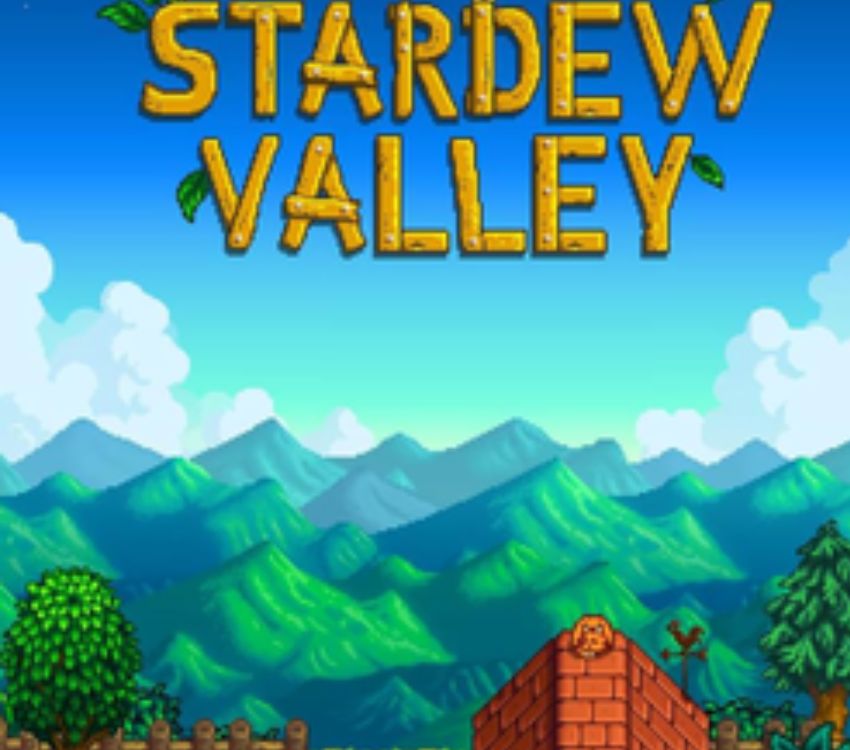
Days are short, but the vibe is unhurried: plant, water, mine, fish, chat, repeat. The hook is compound progress: your farm expands, villagers open up, bundles unlock new areas, and tiny routines turn into long-term plans. Because there’s always a “tomorrow” goal, you fall into the classic trap: one more day, one more harvest, one more trip to the mines. It’s slow in the moment but relentless over weeks, especially when seasonal timing makes you strategize. The calm pacing hides a surprisingly sharp planning game. Multiplayer and mods only deepen the long-game obsession.
5. Animal Crossing: New Horizons
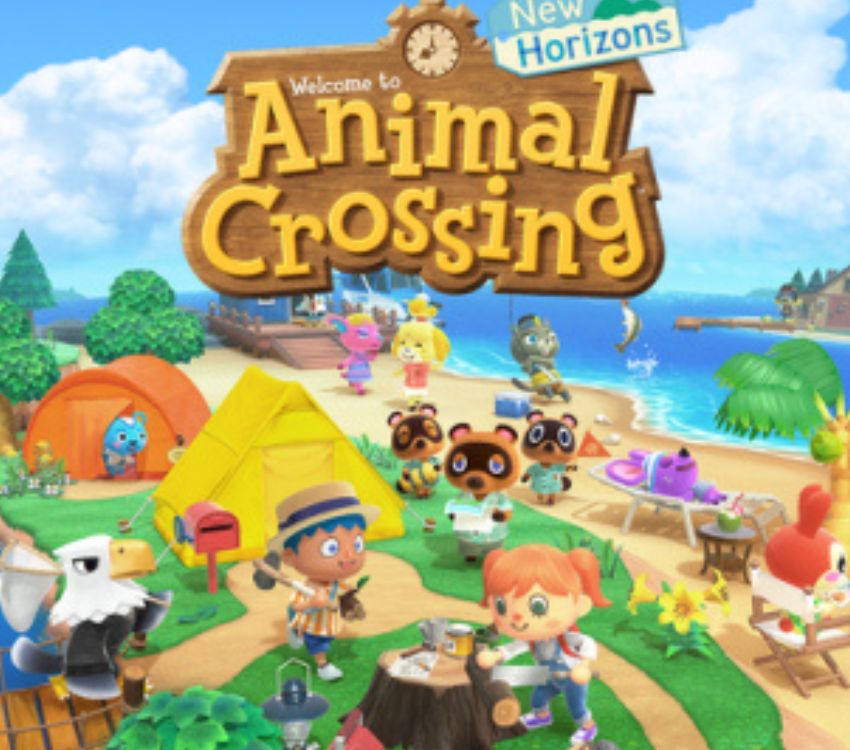
Real-time pacing means you can’t brute-force everything in a weekend, and that’s exactly why it sticks. You log in for small tasks, design tweaks, and social check-ins, then your island slowly transforms into a personal museum of choices. The hook is a gentle obligation without punishment: missed days aren’t failure, but showing up feels rewarding. Customization runs deep, so you’re always refining layouts, outfits, and vibes. Seasonal events and collecting keep the loop running long after the “ending” would be in other games, because the point is living in the space you built.
6. The Long Dark
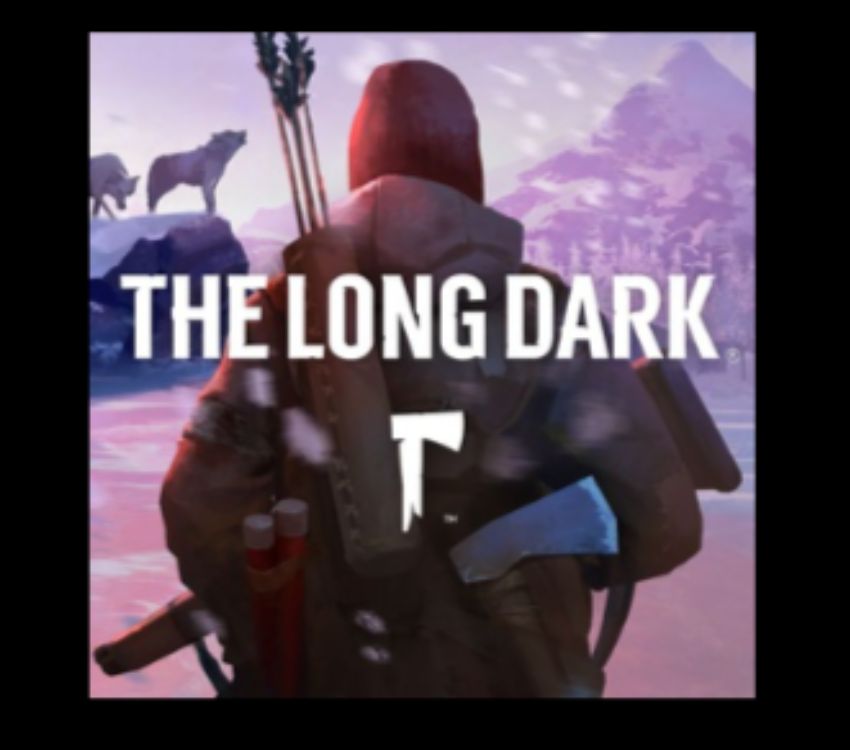
Survival here is methodical: manage calories, temperature, fatigue, and injuries while the world stays quietly hostile. Travel is slow, scavenging is careful, and every match you strike feels expensive. You stay hooked because the stakes are constant but fair, planning matters more than aiming, and mistakes teach you without feeling cheap. The map knowledge you earn is real progress, and routes you once feared become familiar. Weather shifts force hard calls: push on, detour, or shelter and wait it out. That tension creates stories you remember, even when nothing “big” happens.
7. Outer Wilds
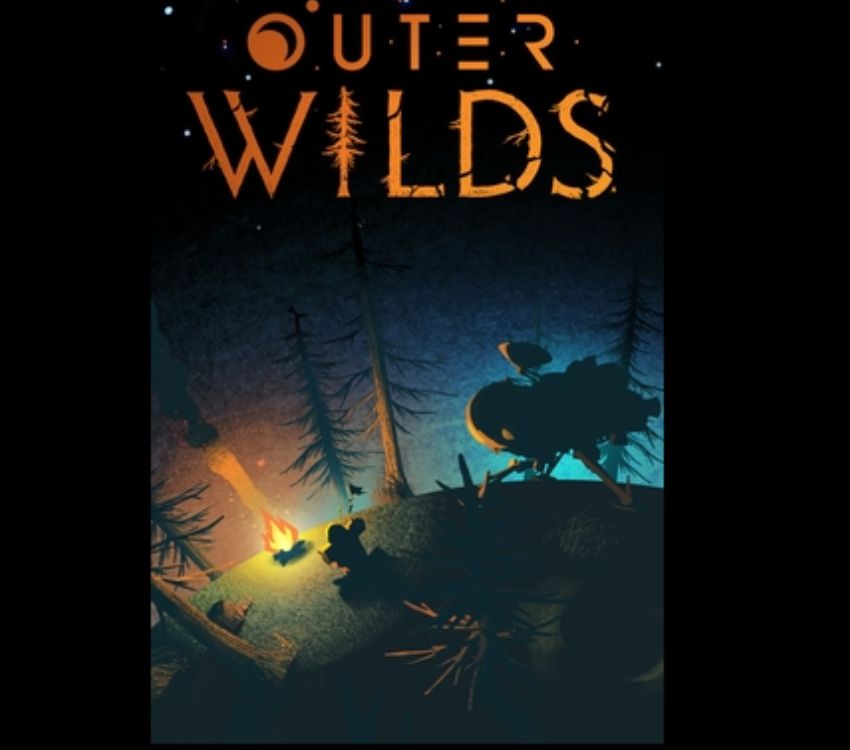
Exploration is calm until it isn’t. You drift through a handcrafted solar system, reading clues, translating ruins, and learning how impossible things work. The pace feels slow because the game is mostly observation and inference, but the hook is knowledge-as-progress: once you understand a rule, doors open everywhere at once. Each loop turns small discoveries into a bigger mental map, and you start chasing questions rather than objectives. Because you can’t grind stats, every breakthrough feels earned by you, not your inventory. That “wait, what if I try this?” energy keeps you playing late.
8. Subnautica
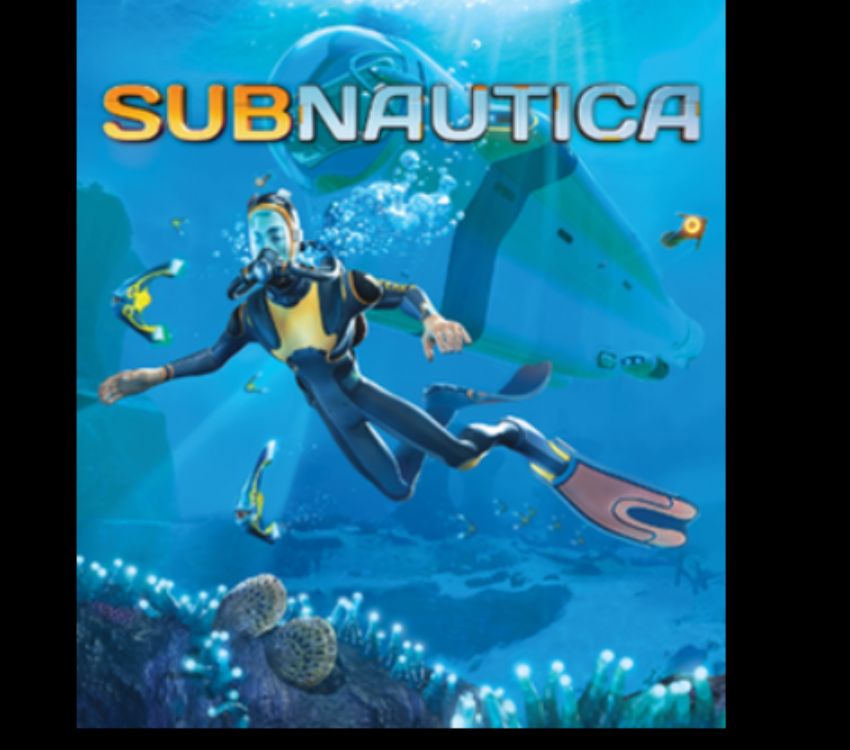
Swimming, scanning, and crafting can feel leisurely at first, like a weird aquarium vacation. Then depth, oxygen, and predators turn every trip into a risk calculation. The hook is the steady expansion of capability: better tanks, deeper vehicles, stronger bases, and new biomes that change how you move. It’s slow because you’re always preparing, packing supplies, plotting routes, and improving your shelter. But it’s addictive because each upgrade rewrites what the ocean allows, and curiosity keeps pulling you past your comfort zone. Even routine resource runs become tense when the water goes dark.
9. Civilization VI
Turn-based strategy is “slow” by design, but Civ makes time vanish. You’re constantly weighing tradeoffs: districts, tech paths, diplomacy, wars, wonders, and the map’s geography. The hook is the way small decisions snowball into history, so you keep clicking “one more turn” to see your plan pay off or to fix the mess you just created. The pacing feels calm because you’re never rushed, yet the stakes keep rising as eras change and rivals adapt. Every turn provides a small payoff, such as fields, alliances, and borders, so the feedback never stops. It’s basically a calm spreadsheet that starts a hundred rivalries.
10. Euro Truck Simulator 2

Driving a truck across Europe should be boring, yet it’s weirdly magnetic. The pace is literal: speed limits, long highways, careful parking, and weather that changes visibility. The hook is flow, steady attention, small corrections, and satisfying deliveries that make you feel competent. Add progression, customization, and radio vibes, and it becomes a decompression ritual that still rewards skill. You start learning routes, cities, and shortcuts like a real job, and mastery shows up in smoother runs and fewer fines. It’s slow in seconds but fast in hours, because you’re always “in it.”
11. Persona 5 Royal
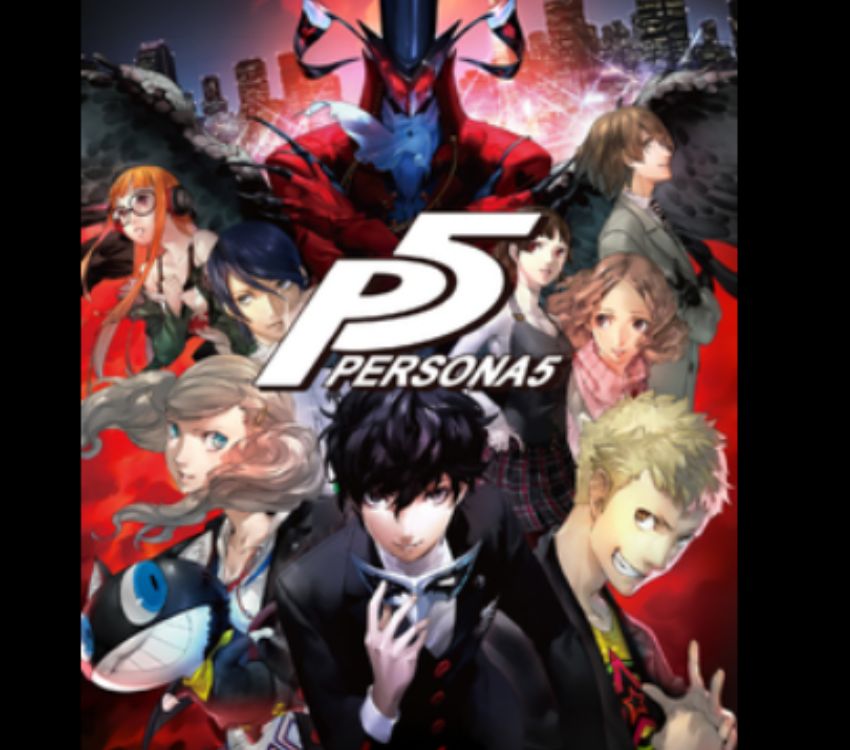
Large chunks are daily life: school, friends, part-time jobs, and planning your next dungeon run. That slow rhythm hooks you because your calendar choices shape combat strength and story outcomes, so every afternoon feels like a meaningful move. When action hits, it’s sharp, but the glue is the social sim: confidant arcs, city routines, and the sense of building a crew. The game drip-feeds upgrades, new hangouts, and plot twists, so you’re always setting up the next payoff. It feels relaxed minute to minute, yet it carries momentum for 100+ hours. The slow days make the big heists feel earned.
12. The Legend of Zelda: Breath of the Wild
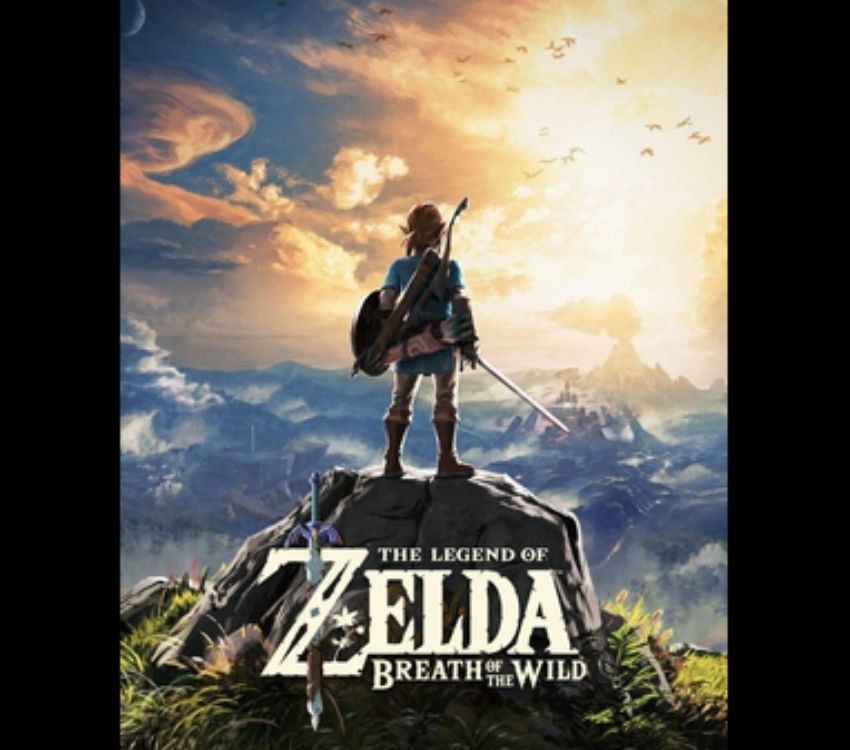
Hyrule is built for wandering: long climbs, cooking, shrine puzzles, and quiet exploration where the “quest” is often your own curiosity. It feels slower because the game doesn’t yank you forward with constant cutscenes, but the hook is systemic freedom, anything can be a solution, and experiments become stories. Gradual mastery of movement, weather, and combat makes even small trips feel rewarding. You plan around stamina, gear, and storms, then improvise when things go sideways. The result is a loop of discovery that keeps you roaming, not rushing, for months. Slow travel turns into fast learning.