


The Nintendo 64 wasn’t just a revolutionary console; it was a proving ground. Released in 1996, it introduced analog controls, fully 3D worlds, and couch multiplayer that defined a generation. But alongside its innovation came a design philosophy that feels almost unforgiving by today’s standards. Tutorials were minimal. Checkpoints were scarce. Difficulty spikes were common. Players were expected to learn through failure, repetition, and sheer determination. Unlike many modern games that ease players in with gradual difficulty curves and generous autosaves, Nintendo 64 titles often demanded mastery. Precision platforming, strict time limits, punishing enemy AI, and complex level layouts were common. For many gamers, these challenges created unforgettable memories.
1. Super Mario 64
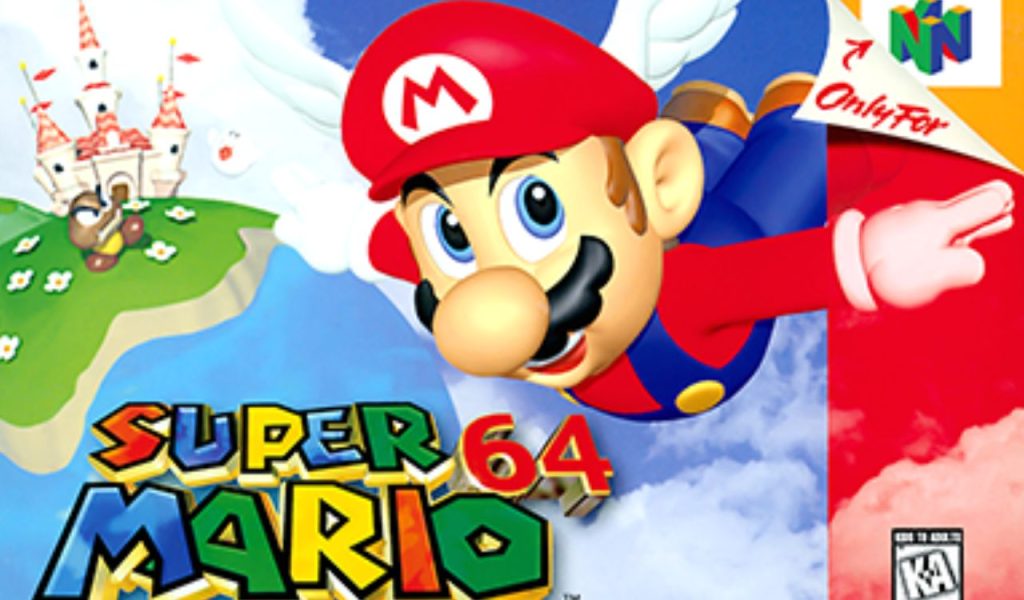
At first glance, Super Mario 64 seems approachable and charming. The early levels ease players into 3D movement, and collecting the minimum number of Power Stars to finish the game isn’t overly punishing. However, achieving 100% completion is an entirely different story. Late-game stages such as Tick Tock Clock and Rainbow Ride demand precise timing and flawless execution. Moving platforms, narrow pathways, and shifting obstacles leave little room for error. A single miscalculated jump can send Mario plummeting into a void, forcing players to restart lengthy sections. The camera system was revolutionary at the time, but it can also become an obstacle, occasionally obscuring depth perception in tight areas.
2. The Legend of Zelda: Majora’s Mask
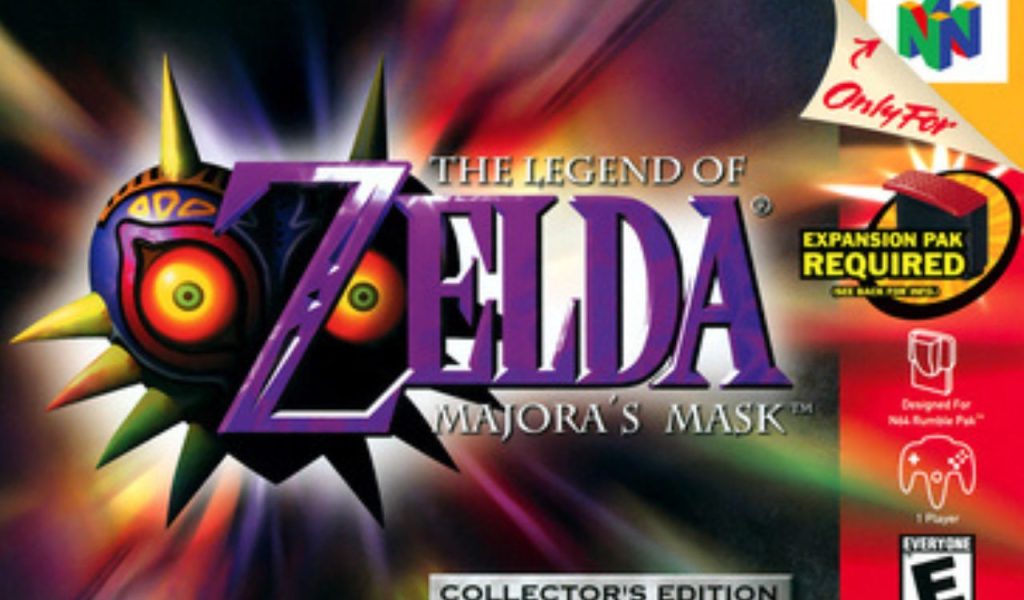
Few games create tension quite like Majora’s Mask. Its three-day time loop that constantly pressures players, making every decision feel urgent. Unlike traditional Zelda titles, this adventure requires careful time management. If players fail to complete objectives before the moon crashes into Termina, progress resets. Dungeons such as the Stone Tower Temple are complex, layered, and mentally demanding. Side quests often require perfect scheduling across multiple in-game days. The emotional weight of the world, combined with strict timing and challenging boss fights, makes this one of the most psychologically demanding games on the console. Success requires planning, memorization, and adaptability.
3. F-Zero

Blazing fast and technically impressive, F-Zero X runs at a smooth 60 frames per second, but that speed comes at a cost. Races move at such extreme velocities that reaction time becomes everything. On higher difficulties like Master mode, the AI racers are ruthless, and even a minor mistake can send your vehicle flying off the track. There are no forgiving mechanics here, no guardrails to catch sloppy driving. Tracks twist, loop, and dip in ways that challenge spatial awareness. Maintaining control while managing boosts and surviving aggressive opponents requires intense concentration. Winning consistently demands mastery of both reflexes and track memorization.
4. Perfect Dark
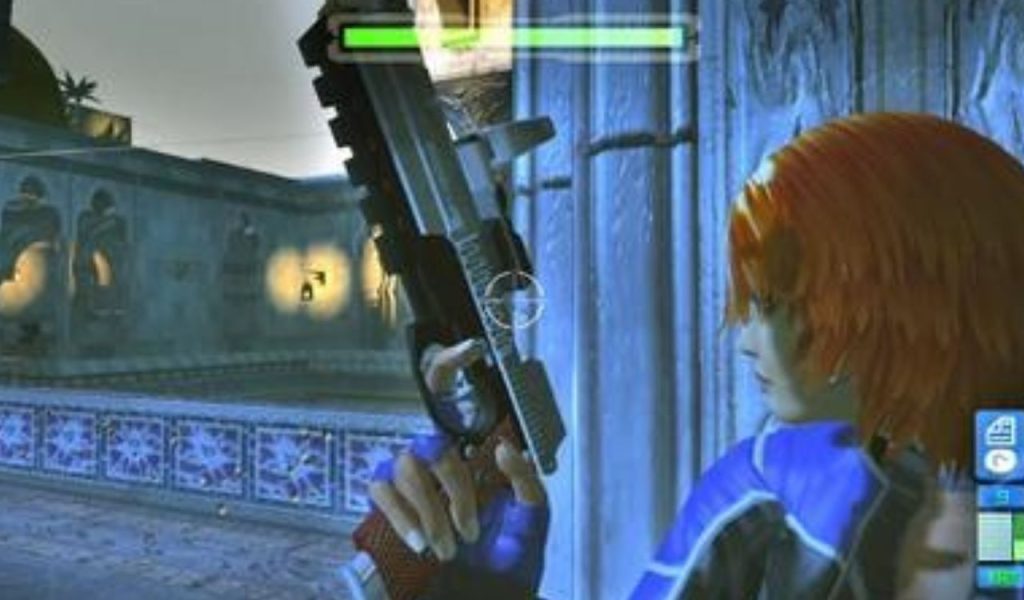
While completing Perfect Dark on lower difficulties is manageable, Perfect Agent mode transforms the experience entirely. Objectives multiply, enemy accuracy increases, and health becomes scarce. Missions that once seemed straightforward now require stealth, precision, and deep knowledge of level layouts. Enemy AI reacts quickly and punishes careless movement. Some objectives are cryptic, requiring players to experiment or memorize exact paths. With limited room for mistakes and little hand-holding, Perfect Agent difficulty feels closer to a tactical challenge than a traditional shooter campaign.
5. Jet Force Gemini
Jet Force Gemini blends shooting, platforming, and exploration, but its true difficulty lies in its completion requirements. Before facing the final boss, players must rescue every Tribal hidden throughout the game’s expansive levels. Missing even one force backtracks across multiple stages. The aiming system, designed before dual analog controls were standard, can feel awkward by modern standards. Combined with hidden collectibles, tricky enemy placements, and long missions without frequent checkpoints, the game becomes a test of endurance and attention to detail.
6. Star Fox 64
Unlocking Expert Mode in Star Fox 64 is an achievement in itself, but surviving it is a different matter. Enemies move faster, deal more damage, and appear in greater numbers. Boss encounters become significantly more intense, requiring sharp reflexes and precise aiming. Earning medals on each stage demands near-perfect accuracy and high kill counts, adding further pressure. Players must balance offense with survival, protecting teammates while navigating increasingly chaotic battles. The margin for error shrinks dramatically, making each mission a white-knuckle experience.
7. Donkey Kong 64
If there’s one word that defines Donkey Kong 64, it’s excess. The game is enormous—huge worlds, five playable Kongs, and an overwhelming number of collectibles. Golden Bananas alone number in the hundreds, and that’s only the beginning. Players must also gather colored bananas, banana medals, blueprints, boss keys, coins, and more. The real challenge comes from how these collectibles are distributed. Many are locked behind character-specific abilities, meaning players constantly switch between Kongs and revisit previously cleared areas. This backtracking can be exhausting, especially when certain minigames demand tight timing or flawless execution.
8. Mario Kart 64
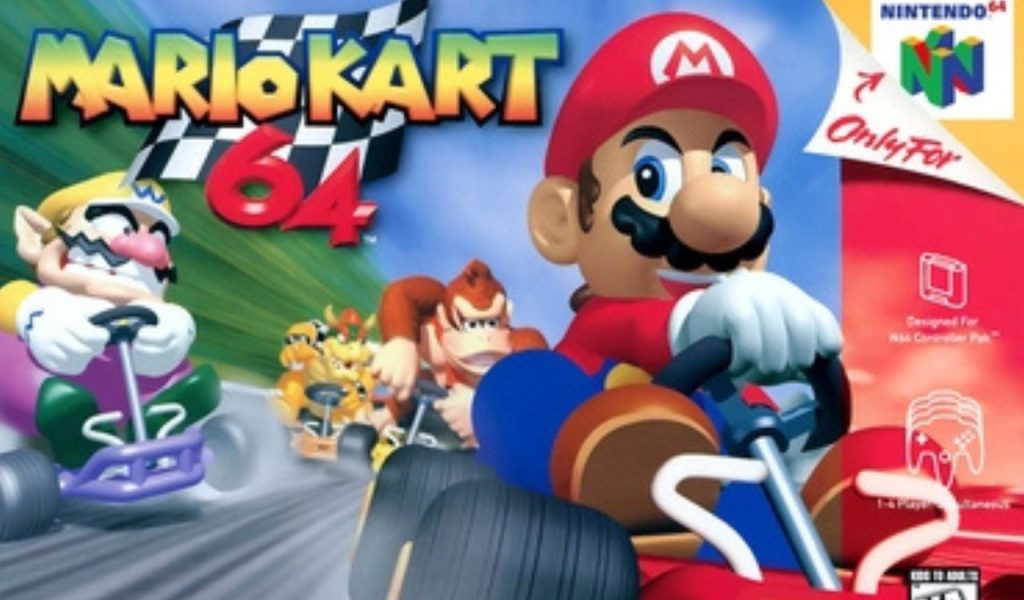
At its core, Mario Kart 64 is a party racing game, but crank it up to 150cc or flip the tracks in Mirror Mode, and it becomes fiercely competitive. The AI racers are aggressive and benefit from rubber-banding mechanics that allow them to recover at suspicious speeds. Tracks like Rainbow Road and Toad’s Turnpike become far more dangerous at higher speeds, where tight turns and traffic hazards leave little margin for error. Item chaos also plays a major role; a perfectly driven race can unravel instantly after a single blue shell. Winning consistently requires mastering power slides, memorizing shortcuts, and maintaining focus under relentless pressure.
9. GoldenEye 007

While GoldenEye 007 revolutionized console shooters, its highest difficulty setting—00 Agent—is anything but forgiving. Enemy damage increases dramatically, objectives expand, and time limits tighten, forcing players to balance speed with precision. Missions like Facility and Control demand near-perfect execution. Health doesn’t regenerate, meaning every firefight carries lasting consequences. Players must memorize level layouts, enemy placements, and objective triggers to survive. Combined with a control scheme that predates modern dual-stick standards, 00 Agent difficulty remains a serious challenge even for experienced players.
10. Turok 2: Seeds of Evil
Turok 2 is infamous for its sprawling, maze-like levels. Objectives are rarely straightforward, and the environments are filled with winding corridors, vertical spaces, and hidden switches. Without clear markers or modern navigation tools, players can easily become lost. Combat adds another layer of difficulty. Enemies are durable and aggressive, often appearing in tight spaces that restrict movement. Checkpoints can be sparse, meaning death forces players to replay long sections. The combination of confusing layouts and punishing firefights makes progression slow and demanding.
11. Castlevania 64

Bringing Castlevania into 3D was an ambitious move, and Castlevania 64 reflects the growing pains of early 3D design. Platforming segments require careful timing, but stiff movement and shifting camera angles can make even simple jumps risky. Certain stages introduce timed sequences, such as carrying explosive items across narrow ledges while enemies attack. Combat encounters are methodical and punishing, especially when the camera struggles to frame the action clearly. Players must adapt to mechanics that feel less refined than later 3D action games, making every victory feel hard-earned.
12. Star Wars: Rogue Squadron
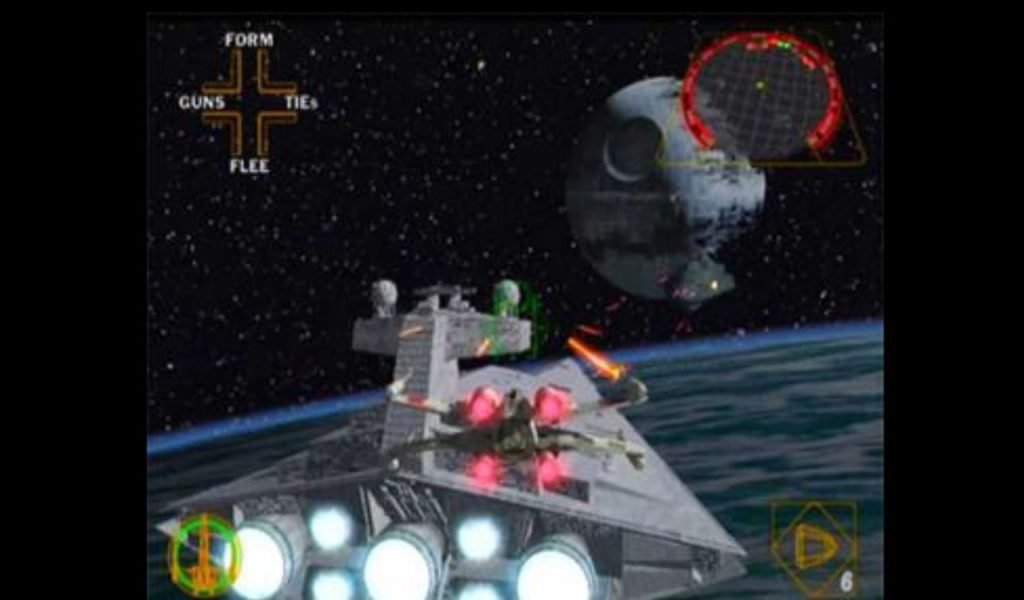
Star Wars: Rogue Squadron blends aerial combat with mission-based objectives, and while early levels ease players in, later missions demand precision flying and strict objective management. Many stages require players to complete multiple tasks within tight time limits while under heavy enemy fire. Securing gold medals is especially challenging. Players must balance speed, accuracy, survival, and hidden bonus objectives all in a single run. Enemy turrets and fighters deal significant damage, and a few mistakes can cause mission failure. Mastering the controls and memorizing enemy placements becomes essential for full completion, cementing the game as one of the N64’s most demanding experiences.