



Indie games continue to dominate conversations in 2026, proving that creativity and passion often leave a bigger impact than massive budgets. While AAA releases still command attention, many of the most talked-about experiences this year are smaller, developer-driven projects that thrive on originality and word-of-mouth support. What makes an indie game so recommendable? It’s usually a mix of memorable mechanics, emotional storytelling, distinct art direction, and gameplay loops that feel fresh. These are the titles players enthusiastically bring up in group chats, recommend during gaming nights, and insist others try without reading too much about them beforehand.
1. Hades
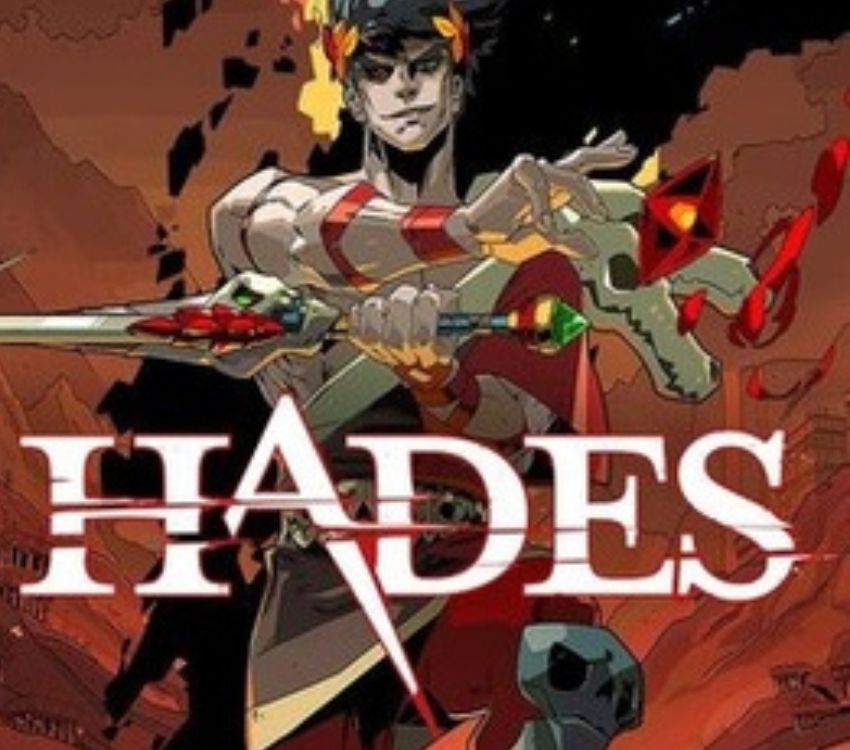
Even years after its release, Hades remains one of the easiest indie games to recommend. Its fast-paced combat feels incredibly smooth, combining responsive controls with a wide variety of weapons and build options. Every run through the Underworld feels dynamic thanks to randomized upgrades and evolving character interactions. What truly elevates Hades beyond a typical roguelike is its storytelling. Failure isn’t punishing, it’s part of the narrative. Characters react to your progress, relationships deepen over time, and the story unfolds organically across repeated attempts. This structure makes the game approachable for newcomers while still rewarding mastery for experienced players. It’s a rare title that blends challenge, accessibility, and emotional depth so seamlessly.
2. Stardew Valley
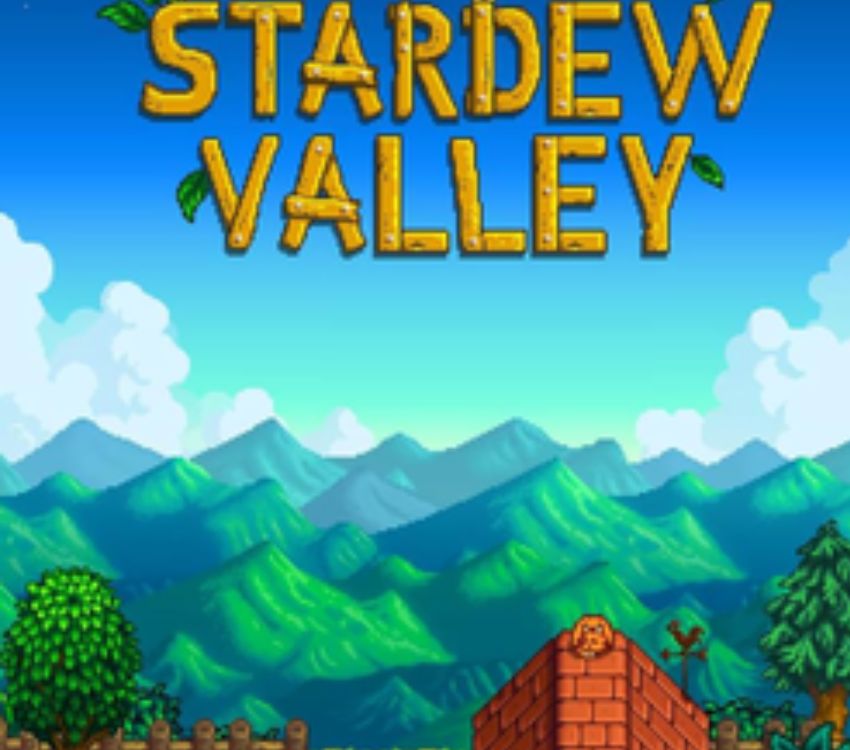
Stardew Valley remains a universal recommendation in 2026 because it offers something for nearly everyone. Whether players enjoy farming optimization, relationship-building with villagers, dungeon exploration, fishing, or cooperative multiplayer, the game accommodates multiple playstyles. Its relaxing pace allows players to unwind, yet beneath the surface lies a surprisingly deep management system. Seasonal crops, skill progression, community center objectives, and hidden secrets keep long-term players invested for hundreds of hours. Ongoing community mods and updates ensure that even returning players discover new content. It’s often the first suggestion when someone says they want a cozy, low-pressure game that still feels rewarding.
3. Dead Cells
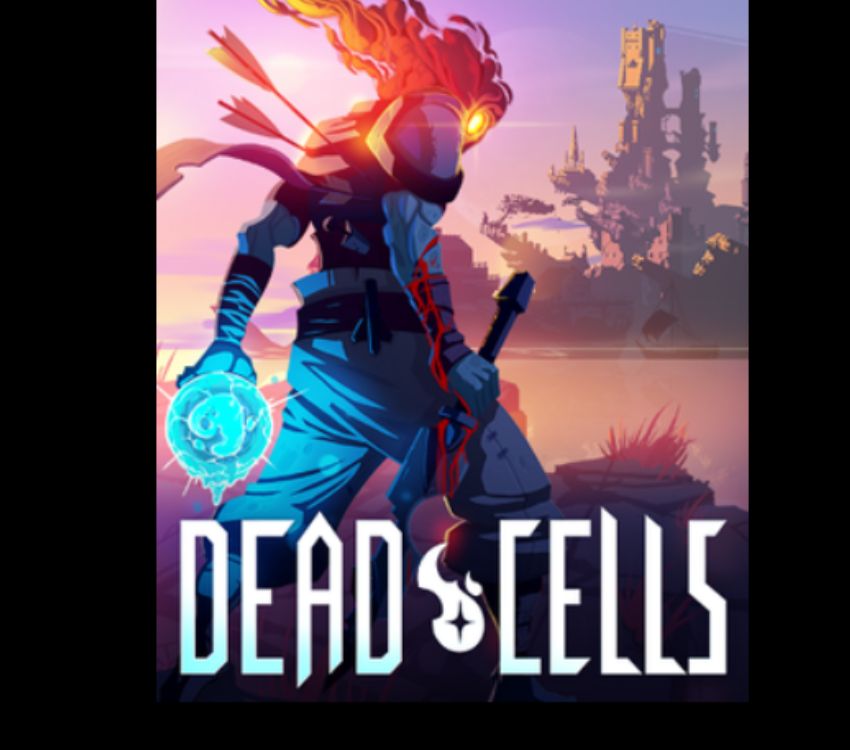
Dead Cells earns constant recommendations for its tight, responsive combat and addictive progression loop. The combination of roguelike randomness and Metroidvania exploration creates a perfect balance between unpredictability and structured advancement. Every weapon feels distinct, encouraging experimentation with builds and playstyles. As players unlock new paths and abilities, the game gradually opens up, offering more complex routes and tougher enemies. Its difficulty feels demanding but fair, pushing players to refine their skills rather than rely on luck. For fans of fast action and high replay value, it’s a near-perfect indie showcase.
4. Celeste
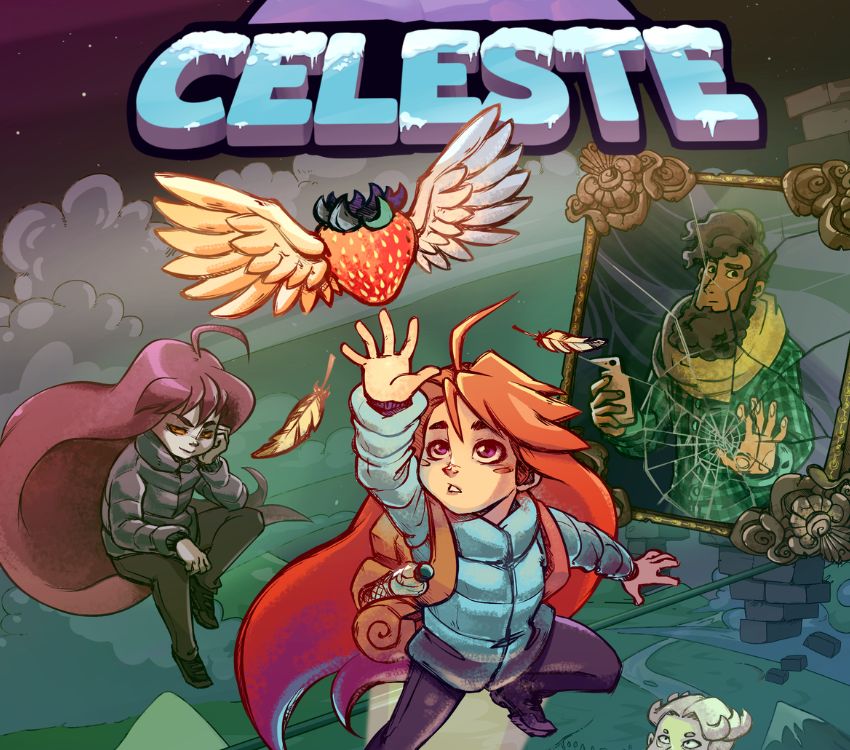
Celeste continues to resonate because it combines precise platforming with deeply personal storytelling. The controls are tight and responsive, allowing players to tackle extremely challenging stages with a clear sense of improvement over time. Beyond mechanics, the narrative explores themes of anxiety, perseverance, and self-doubt in a way that feels authentic and heartfelt. Importantly, assist options allow players to adjust difficulty without compromising the experience, making it accessible to a broader audience. It’s frequently recommended not only as a great platformer but also as a meaningful and emotional journey.
5. Hollow Knight
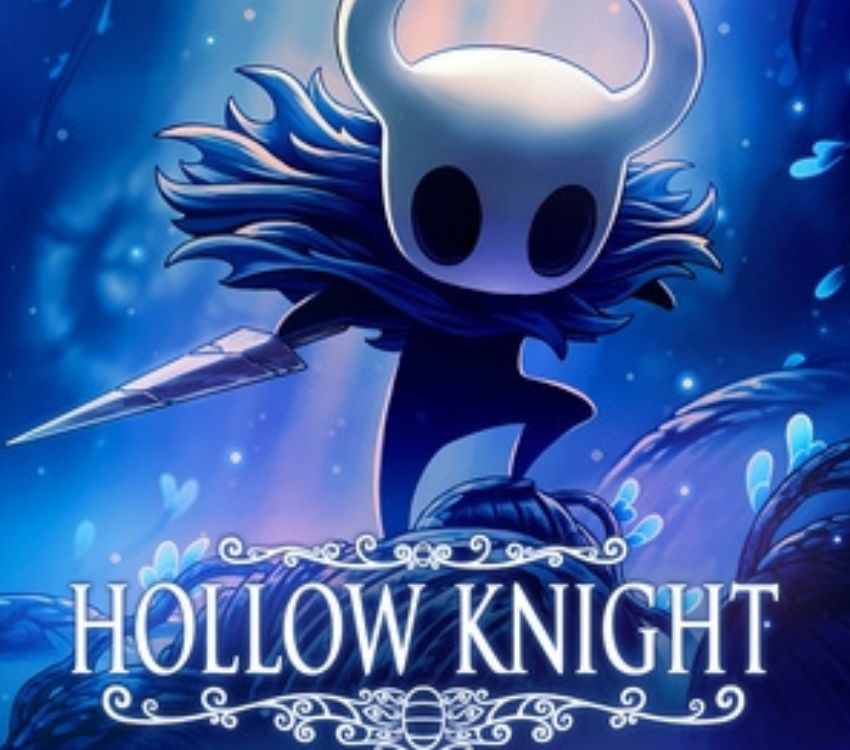
Hollow Knight remains a standout indie recommendation for players who love exploration and atmospheric world-building. Its vast interconnected map rewards curiosity, while hidden pathways and optional bosses encourage thorough exploration. Combat is deliberate and skill-based, with boss encounters that demand timing and precision. The game’s haunting soundtrack and hand-drawn art style create a melancholic atmosphere that lingers long after completion. Players often recommend it as a must-play for fans of challenging adventures that emphasize discovery and immersion.
6. Balatro
Balatro became an unexpected sensation thanks to its clever fusion of poker mechanics and roguelike deck-building strategy. At first glance, it seems simple to build strong poker hands and progress. But as players dive deeper, layers of complexity emerge through Joker modifiers, deck synergies, and risk-reward decisions. Its short-run structure makes it perfect for quick sessions, yet its strategic depth encourages repeated experimentation. Many players recommend it casually, only to find themselves playing for hours. Its addictive design and surprising strategic depth make it one of the most talked-about indie titles in recent years.
7. Vampire Survivors
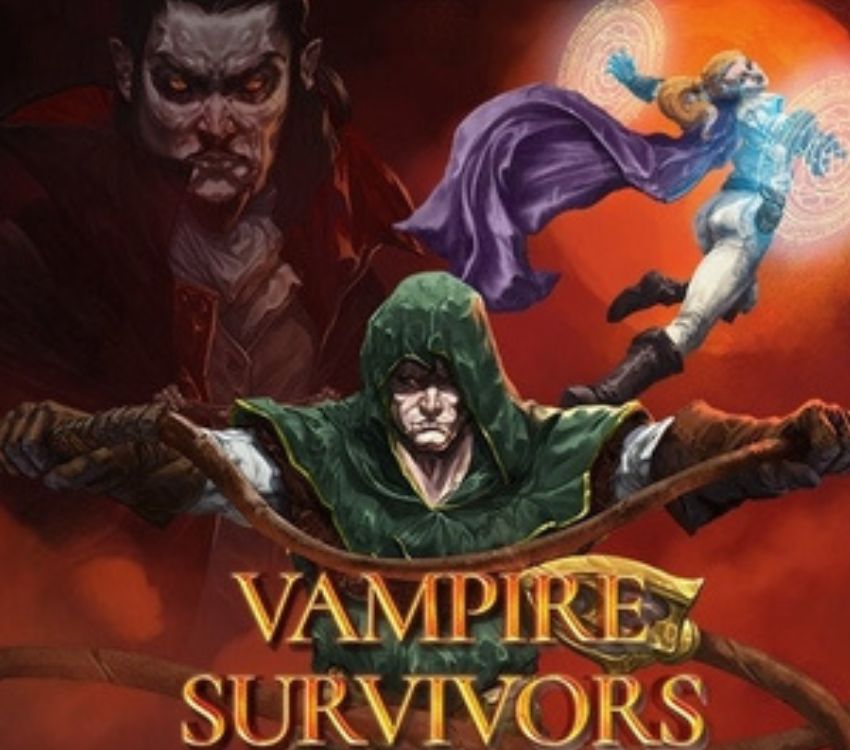
Vampire Survivors proves that simple concepts can create wildly engaging experiences. With minimal controls and auto-attacking mechanics, the focus shifts toward movement, positioning, and upgrade choices. The screen-filling chaos of enemies combined with satisfying power scaling creates a constant sense of progression. Unlockables, secret characters, and evolving weapon combinations give players long-term goals beyond surviving a single run. It’s often recommended because it’s inexpensive, easy to understand, and immediately fun.
8. Dredge
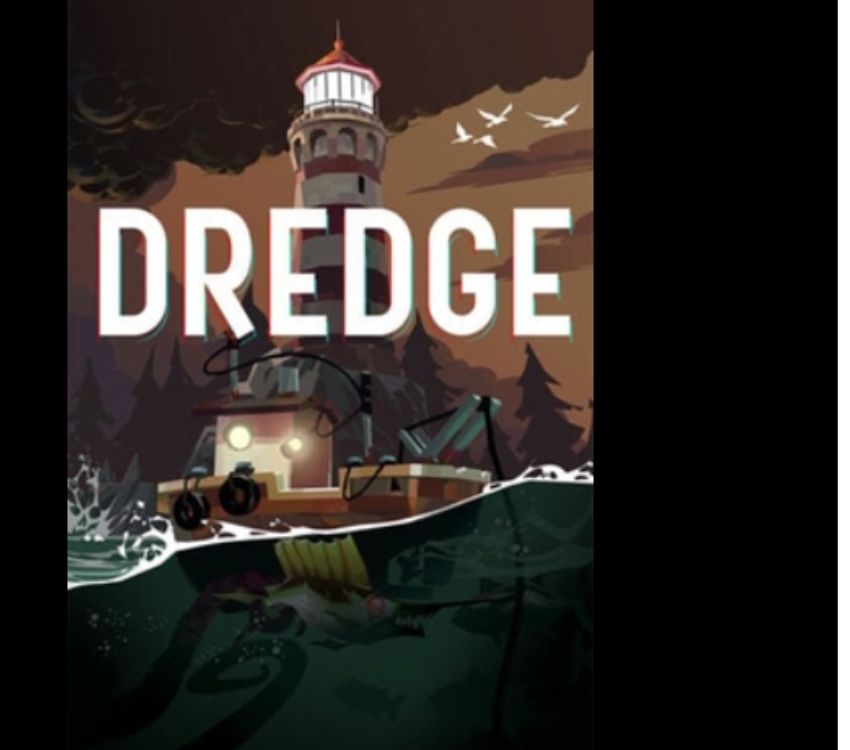
Dredge became one of those indie titles that players describe as “relaxing… until it isn’t.” On the surface, it’s a fishing game where you explore coastal islands, complete quests, and upgrade your boat. But as night falls, the atmosphere shifts into something far more unsettling. What makes it so recommendable in 2026 is its unique blend of cozy gameplay and subtle cosmic horror. Managing cargo space, balancing risk versus reward, and uncovering eerie secrets create a constant tension loop. It’s approachable for casual players, yet memorable enough to spark long discussions afterwards. Many players suggest it simply because it delivers an experience unlike anything else.
9. Pizza Tower
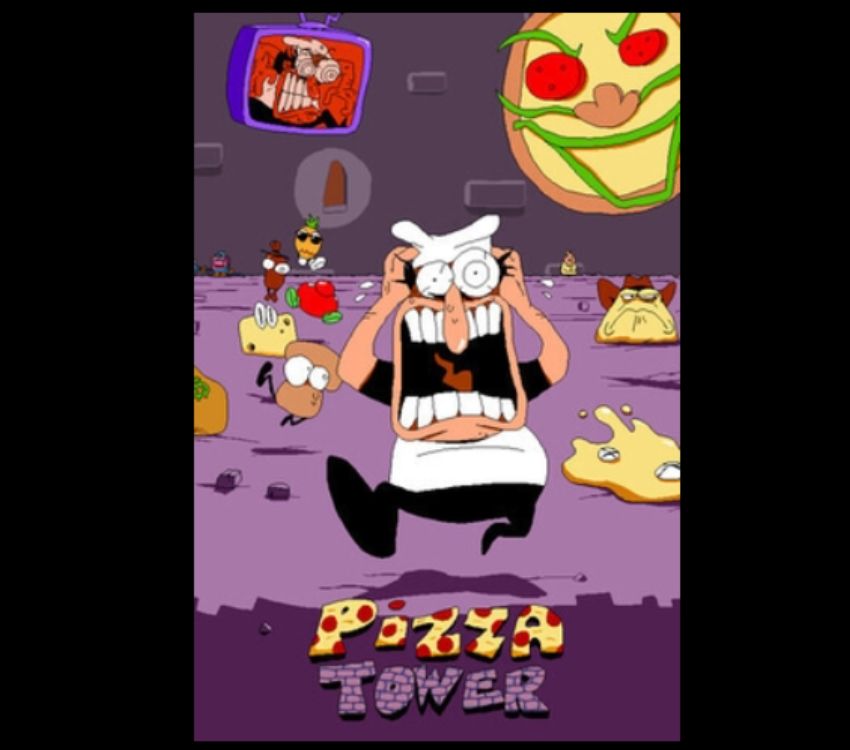
Pizza Tower quickly built a passionate fanbase thanks to its chaotic energy and retro-inspired platforming. With hand-drawn, expressive animation and lightning-fast movement mechanics, the game rewards speed, aggression, and mastery. Players recommend it because it feels alive. Each level encourages replayability through score chasing and optimized runs, making it especially appealing to completionists and speedrunners. Its bold art style and quirky humor also make it stand out in a crowded indie landscape. In 2026, it remains a go-to suggestion for anyone craving high-speed platforming with personality.
10. The Binding of Isaac: Rebirth
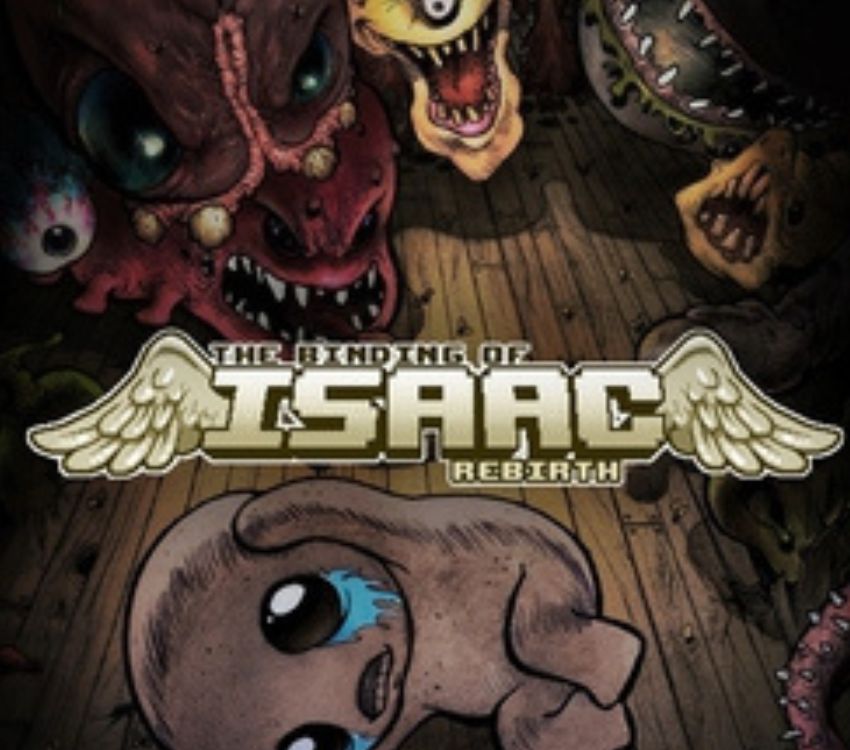
Even over a decade after its initial release, The Binding of Isaac: Rebirth continues to be heavily recommended because of its near-limitless replay ability. With hundreds of items, character variants, and branching paths, no two runs ever feel the same. The unpredictable item synergies often lead to wildly overpowered or hilariously broken builds, which keep the gameplay exciting even after dozens of hours. Its dark themes and challenging difficulty aren’t for everyone, but that uniqueness is exactly why fans keep pushing friends to try it. It’s one of those games where every player develops their own unforgettable run stories.
11. Sea of Stars
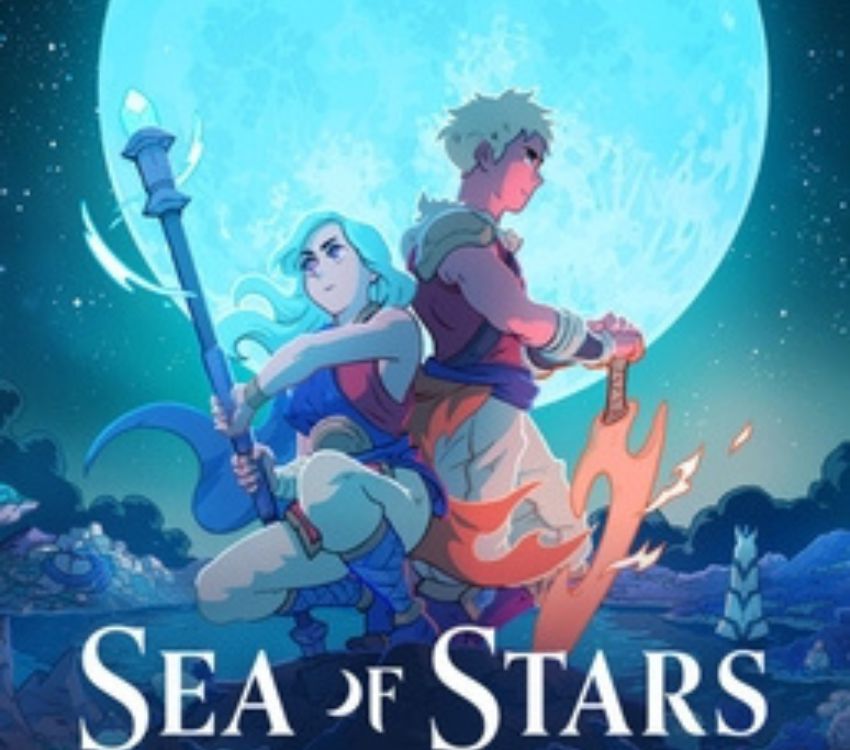
Sea of Stars captured attention with its nostalgic inspiration from classic 16-bit RPGs while modernizing combat and storytelling. Its turn-based battles include timed hits and interactive mechanics, making encounters more engaging than traditional menu-driven systems. Players frequently recommend it because it strikes a perfect balance between retro charm and contemporary polish. The vibrant pixel art, memorable soundtrack, and character-driven narrative create a heartfelt adventure that feels both familiar and fresh. For anyone craving a classic-style RPG with modern design sensibilities, it’s an easy suggestion.
12. Inscryption
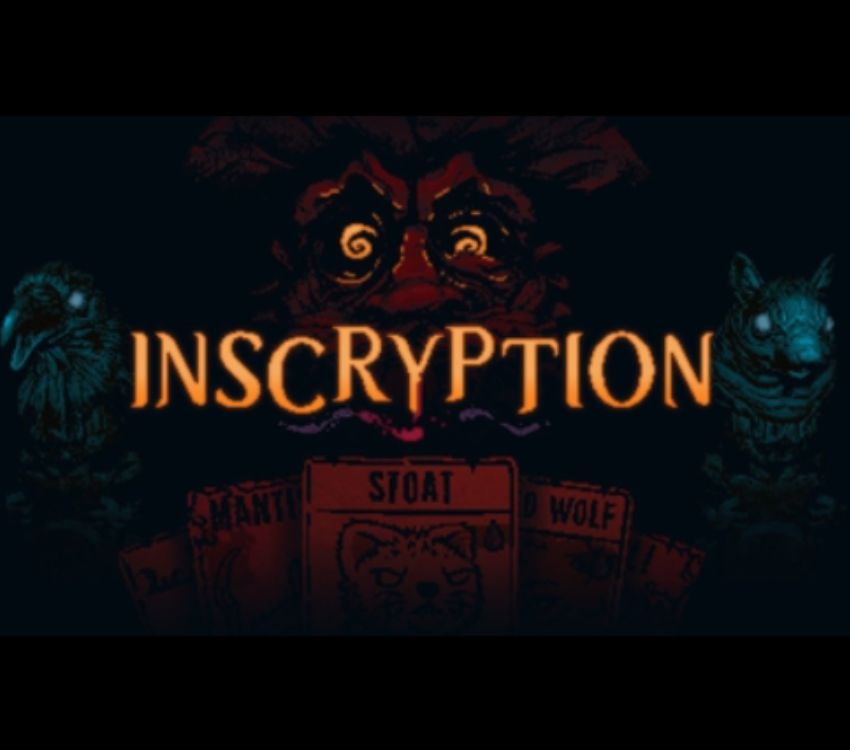
Inscryption remains one of the most unique indie experiences players love recommending — often with very little explanation. What begins as a mysterious deck-building card game slowly transforms into something far more unexpected. Its blend of psychological horror, puzzle-solving, and meta storytelling creates constant surprises. The game plays with player expectations in ways that feel inventive rather than gimmicky. Because much of its impact relies on discovery, fans tend to recommend it with a simple phrase: “Just trust me and play it.” In 2026, that word-of-mouth reputation remains strong.