


The original PlayStation era is remembered not only for shaping modern gaming but also for delivering some of the toughest challenges players had ever faced. Without generous checkpoints, detailed tutorials, or modern accessibility options, many PS1 games demanded precision, patience, and unwavering determination. These titles pushed players to master complex mechanics, navigate punishing level designs, and endure repeated failures just to advance a little further. Their difficulty became part of their identity, leaving lasting memories for those who overcame their trials.
1. Resident Evil: Director’s Cut

This version of Resident Evil intensified the already challenging survival horror formula by altering enemy placements, reducing available ammunition, and introducing unexpected encounters that punished careless movement. Players had to manage resources cautiously, as limited saves and tank controls created constant tension in every room. Memorizing puzzles, navigating tight corridors, and avoiding deadly traps required strategic thinking under pressure. The unforgiving atmosphere made every step feel risky, turning the Director’s Cut into a powerful early example of how difficulty can enhance immersion and suspense.
2. Metal Gear Solid

Metal Gear Solid is celebrated as a masterpiece, yet its gameplay posed a significant challenge to newcomers. The strict stealth mechanics demanded patience, observation, and perfect timing, while boss encounters required quick reflexes and creative problem-solving. The game offered little hand-holding, encouraging players to learn from trial and error as they navigated complex enemy patterns and tight security zones. Every mistake could lead to overwhelming alarms or swift defeat, making the experience both tense and rewarding. Metal Gear Solid tested not only skill but discipline and adaptability.
3. Dino Crisis

Dino Crisis blended survival horror with real-time combat, creating fast and unpredictable encounters that were far more intense than typical zombie battles. Dinosaurs moved quickly, attacked aggressively, and often ambushed players with little warning. Scarce medical supplies and limited ammunition forced careful decision-making, as reckless fighting could lead to unavoidable defeat. Its unique “panic zones,” where players had to escape overwhelming threats, added additional stress and urgency. Every encounter felt genuinely dangerous, making Dino Crisis a thrilling and consistently punishing experience for PS1 players.
4. Castlevania: Symphony of the Night
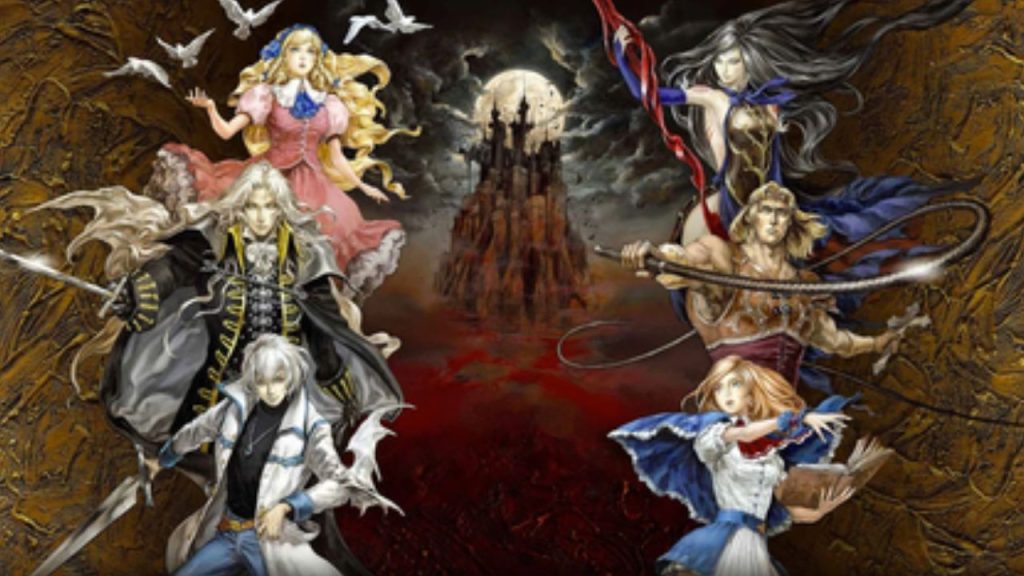
Though widely loved today, Symphony of the Night challenged players with demanding boss fights, intricate exploration, and platforming sections that required precision and planning. The non-linear map could be confusing for first-time players, who had to search thoroughly for hidden rooms, items, and upgrades essential for progressing. Boss battles tested reflexes and mastery of movement, while certain areas punished mistakes with harsh enemy damage. Its combination of exploration and difficulty made success feel earned, rewarding persistence and experimentation in a richly designed gothic world.
5. Final Fantasy Tactics
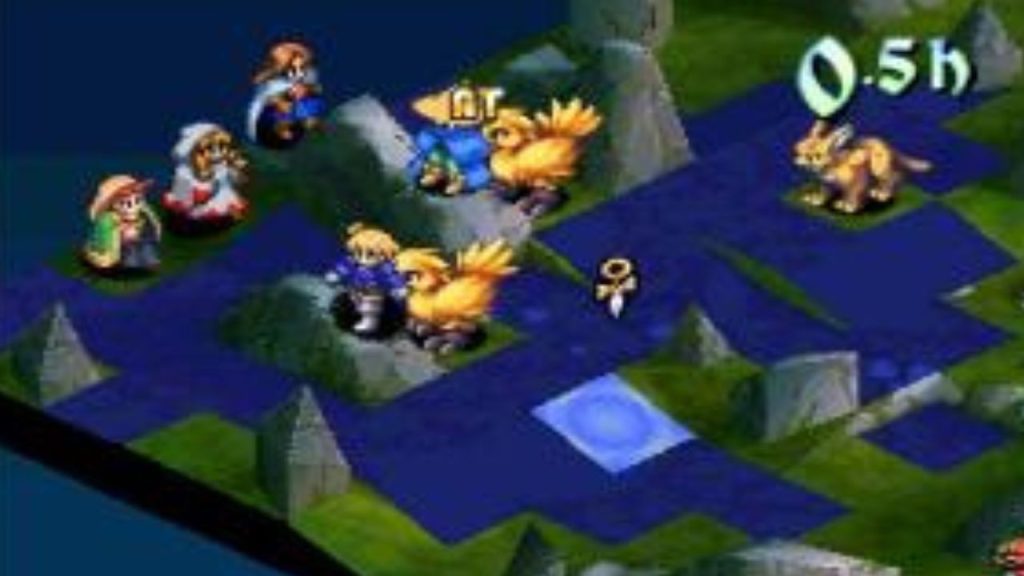
Final Fantasy Tactics is known for its steep learning curve and challenging tactical depth. Enemy AI took advantage of player weaknesses, punishing poor positioning or ineffective job setups without mercy. Early battles could feel overwhelming, requiring careful planning, character training, and long-term strategy to survive. One wrong decision could result in permanent character loss or mission failure. With its complex systems, demanding encounters, and intricate map design, the game rewarded those who embraced its complexity and mastered its layered tactical mechanics.
6. Vagrant Story
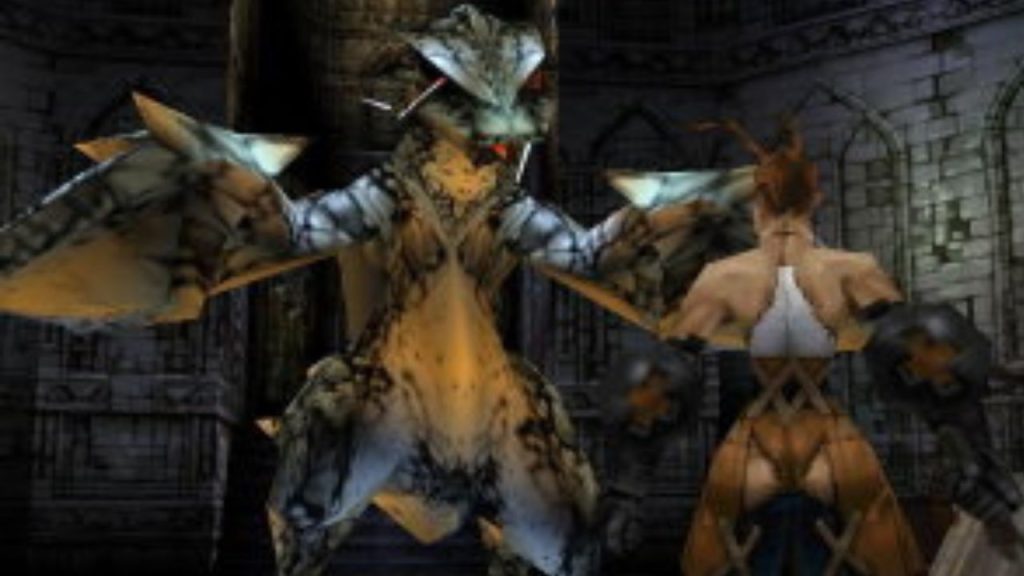
Vagrant Story presented one of the most complex combat systems of its era, combining weapon crafting, chain attacks, elemental affinities, and enemy resistances into a system that required deep understanding to use effectively. Even basic battles could feel punishing without carefully optimized equipment. The game expected players to analyze weaknesses, manage status effects, and adapt constantly as enemies grew stronger. Its detailed mechanics left little room for guesswork, pushing players to learn through experimentation and persistence. This demanding approach made Vagrant Story both challenging and uniquely rewarding.
7. Crash Bandicoot
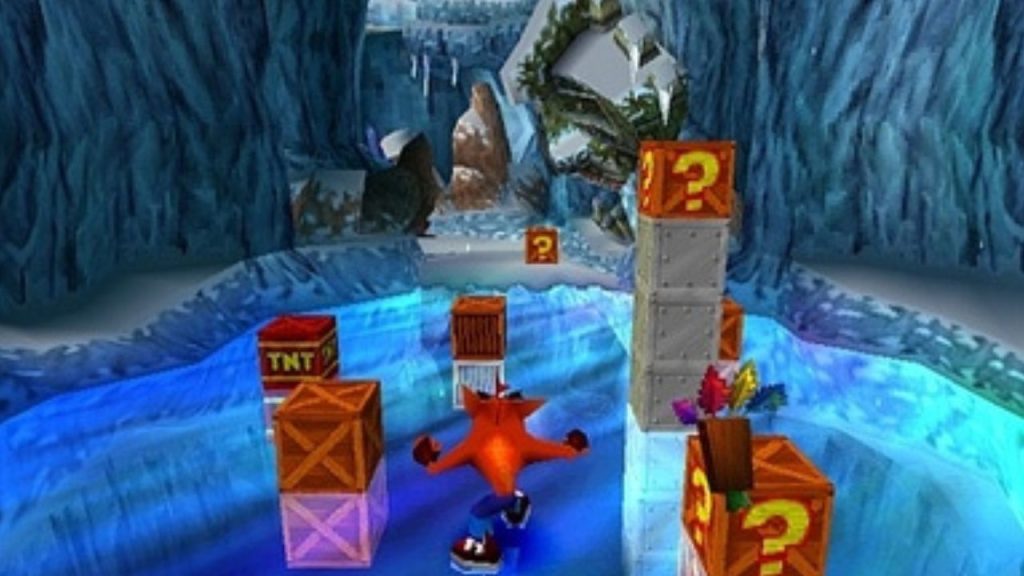
The original Crash Bandicoot became notorious for its strict platforming demands and unforgiving level layouts. Tight pathways, disappearing platforms, and enemies placed with pinpoint precision required perfect timing to overcome. Limited lives and sparse checkpoints meant that even a small mistake could send players back far more than expected. Late-game levels, such as “The High Road” and “Slippery Climb,” pushed even experienced players to their limits. Mastering Crash required rhythm, quick reflexes, and a willingness to retry sections over and over until every jump felt natural and controlled.
8. Rayman

Rayman’s bright graphics and charming world hid one of the toughest 2D platforming challenges of its generation. Without a run button and with precise controls, players had to rely on perfect timing and careful movement to clear obstacles that left little room for error. Enemy placement demanded memorization, and later levels required near-flawless execution to survive. The game also required collecting a large number of Electoons to access the final stages, forcing players to replay difficult levels multiple times. Its difficulty made victory deeply satisfying for those who persevered.
9. Silent Hill
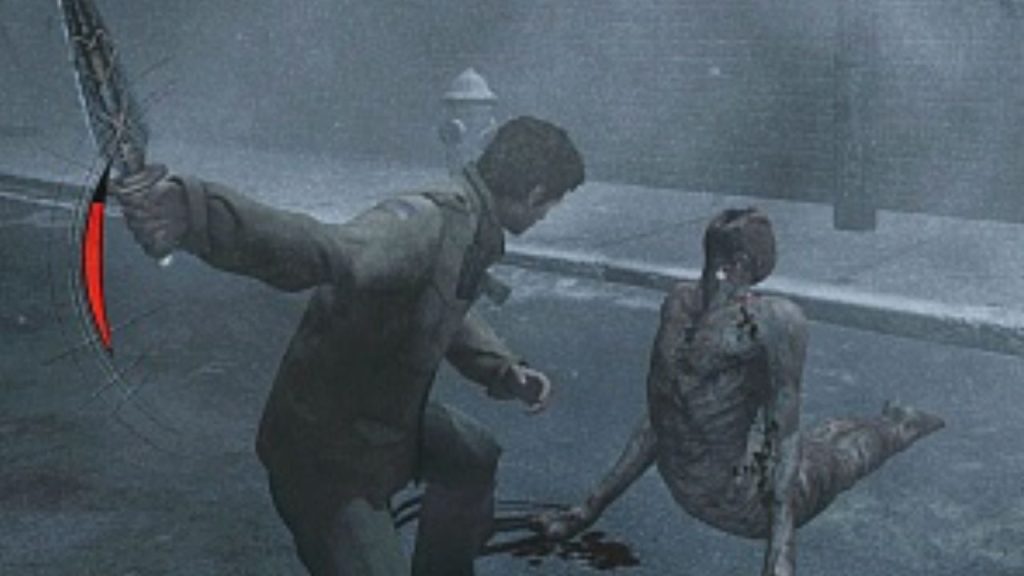
Silent Hill challenged players not only through combat but also through atmosphere, tension, and psychological stress. Limited visibility from the thick fog made navigation confusing, while scarce health items and ammunition forced players to choose between fighting or fleeing. Enemies behaved unpredictably, and the game’s eerie sound design heightened anxiety during encounters. Complex puzzles demanded patience and attention to detail, often requiring exploration under constant threat. Silent Hill’s difficulty came from managing pressure and making smart choices, turning fear itself into an obstacle as players fought to survive its nightmarish town.
10. Tenchu: Stealth Assassins
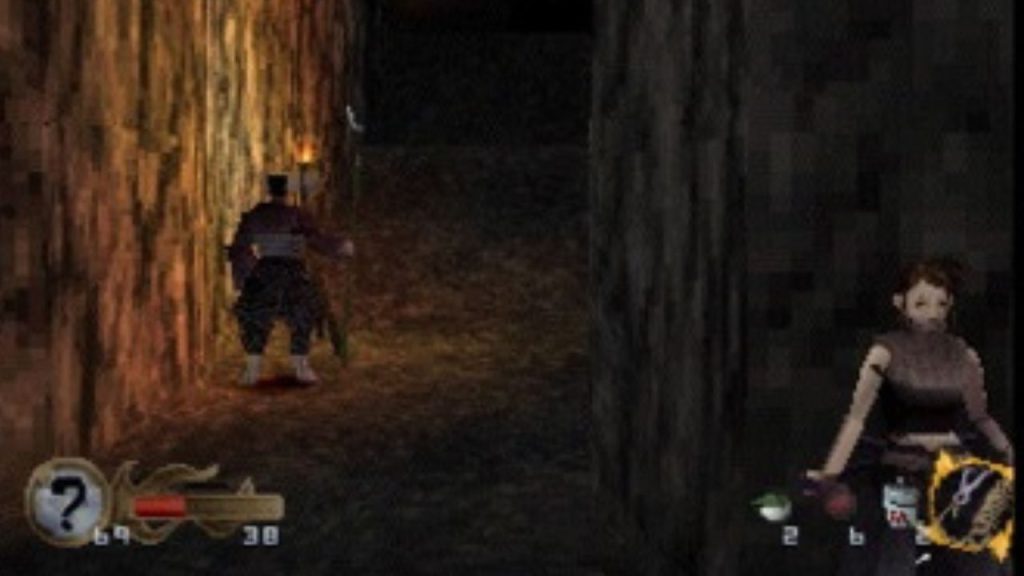
Tenchu set a high bar for stealth gameplay with strict detection rules and missions that punished errors instantly. Enemies reacted quickly to sound and movement, forcing players to carefully study patrol patterns and use shadows to remain unseen. Violent confrontations were risky, making stealth essential rather than optional. The vertical level design added difficulty, requiring mastery of rooftop traversal and precise jumps to avoid detection. Completing objectives flawlessly rewarded patience, while mistakes meant restarting missions. Tenchu’s demanding style made every silent kill feel earned and deliberate.
11. Syphon Filter
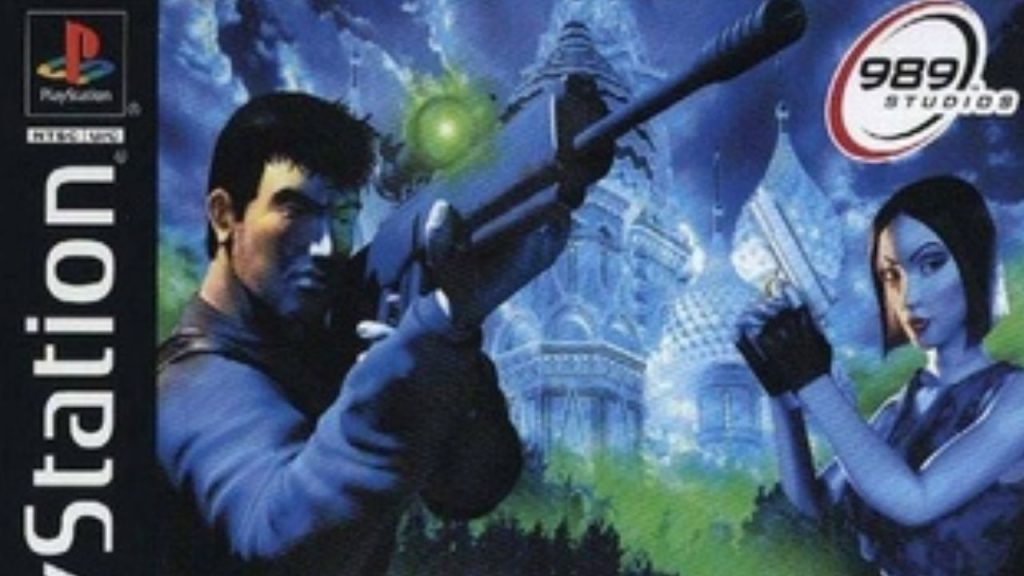
Syphon Filter blended action and stealth, resulting in unexpected difficulty spikes throughout its missions. Enemies were aggressive and accurate, often overwhelming players quickly if they hesitated. Limited ammo, tricky stealth objectives, and timed sequences forced players to think fast and execute with precision. The game’s memorable boss fights required strategy, sharp aim, and quick reaction times to survive. Navigating levels demanded situational awareness, as hazards and hidden enemies punished careless movement. Syphon Filter pushed players to stay alert and adapt constantly during high-pressure encounters.
12. Driver

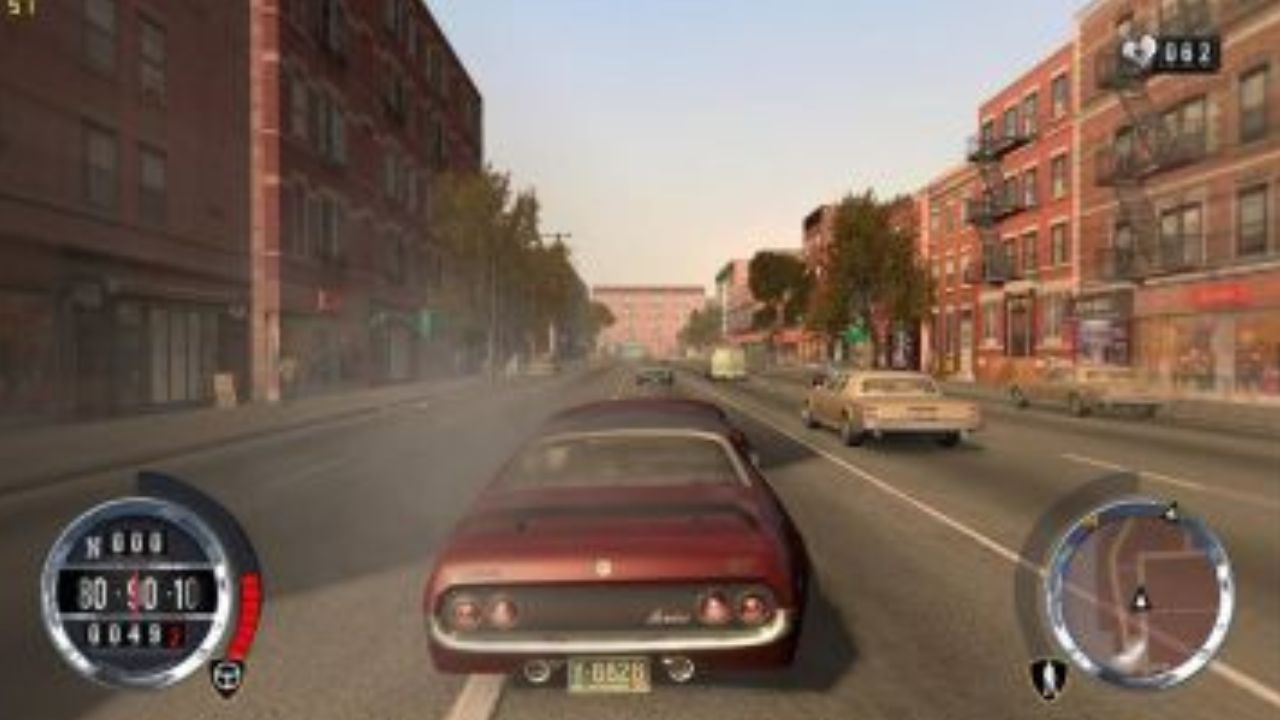
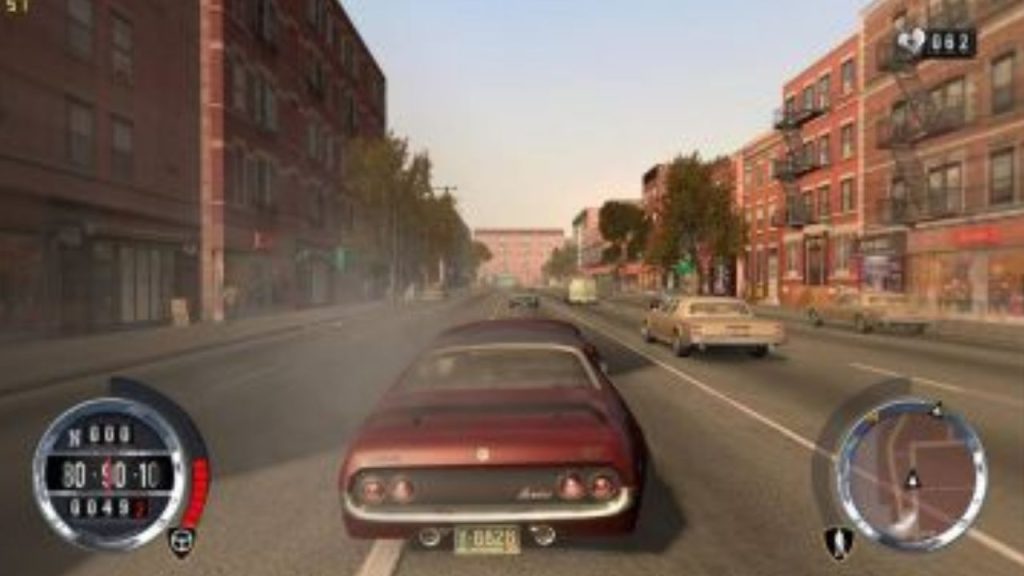
Driver achieved legendary difficulty status thanks in large part to its infamous tutorial, which required players to execute a series of advanced driving maneuvers under a strict time limit. Precision control and flawless timing were essential, and many players spent hours mastering this opening challenge. The main missions introduced even tougher obstacles: aggressive police AI, strict timers, and complex escape routes that demanded perfect driving skills. Every mistake felt costly, turning each chase into a tense, high-stakes test of control. Driver’s difficulty became a defining part of its legacy.