

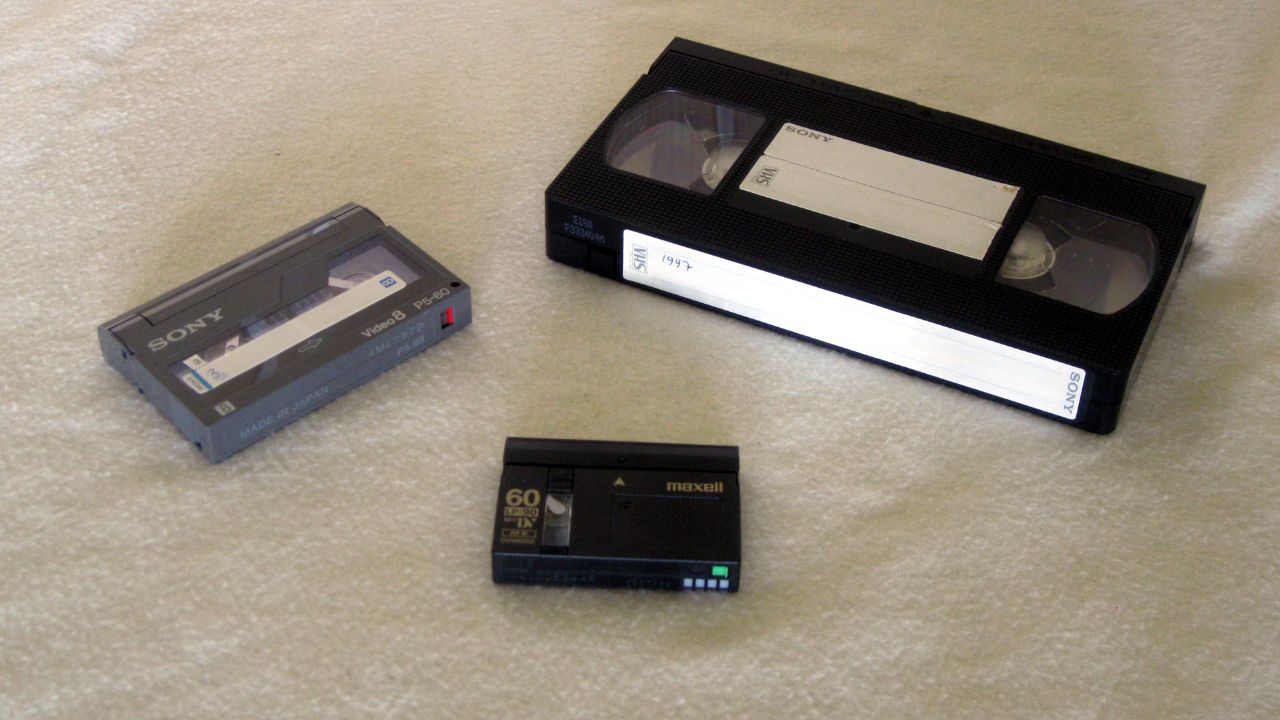

Despite living in an age of cloud computing, high-speed internet, and powerful pocket-sized devices, some surprisingly outdated technologies continue to hold on. Many of these relics were expected to vanish decades ago, yet they still exist due to niche demand, reliability, convenience, or simply because transitioning to modern alternatives is too expensive or complicated for certain industries. Others survive because people enjoy their nostalgic charm or prefer the simplicity of older tools over the complexity of modern systems. Whether preserved by necessity or stubborn loyalty, these technologies remain embedded in daily life far longer than anyone predicted. Their persistence shows how technology rarely moves forward in a clean, perfect line but instead evolves around human habits and practical limitations.
1. Fax Machines
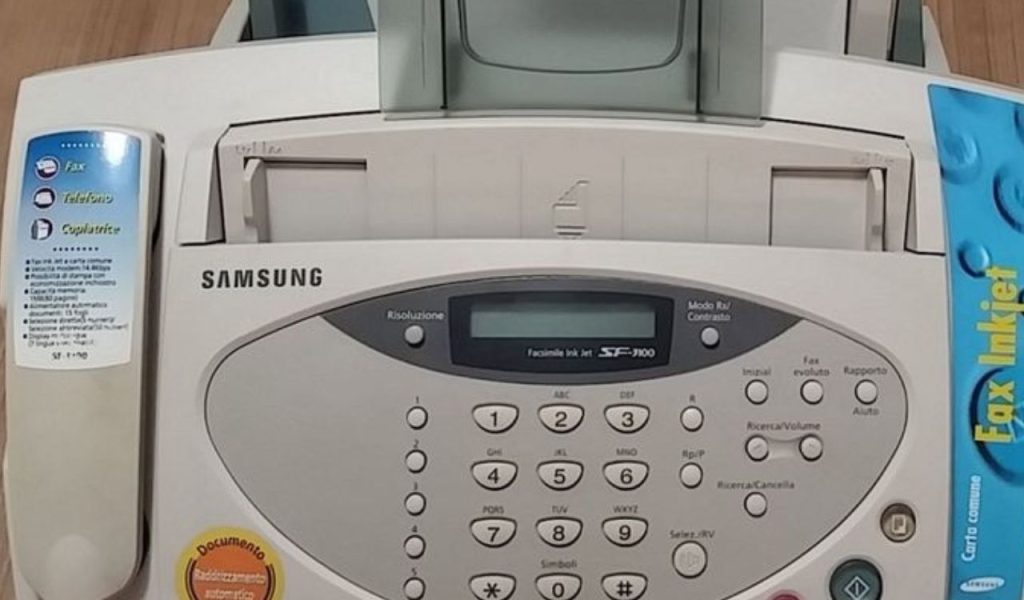
Fax machines were expected to disappear once email became mainstream, yet they remain a requirement in many medical offices, legal firms, and government agencies. Their appeal lies in decades-old regulations that treat faxed documents as more secure and legally reliable than digital files. Many institutions also prefer faxing because it requires no internet, no user accounts, and leaves a clear paper trail that is easy to file. In industries slow to modernize, fax machines function as a dependable communication tool that avoids compatibility issues with modern software. Despite being outdated, their predictable reliability keeps them alive in systems built long before digital workflows existed.
2. Landline Telephones
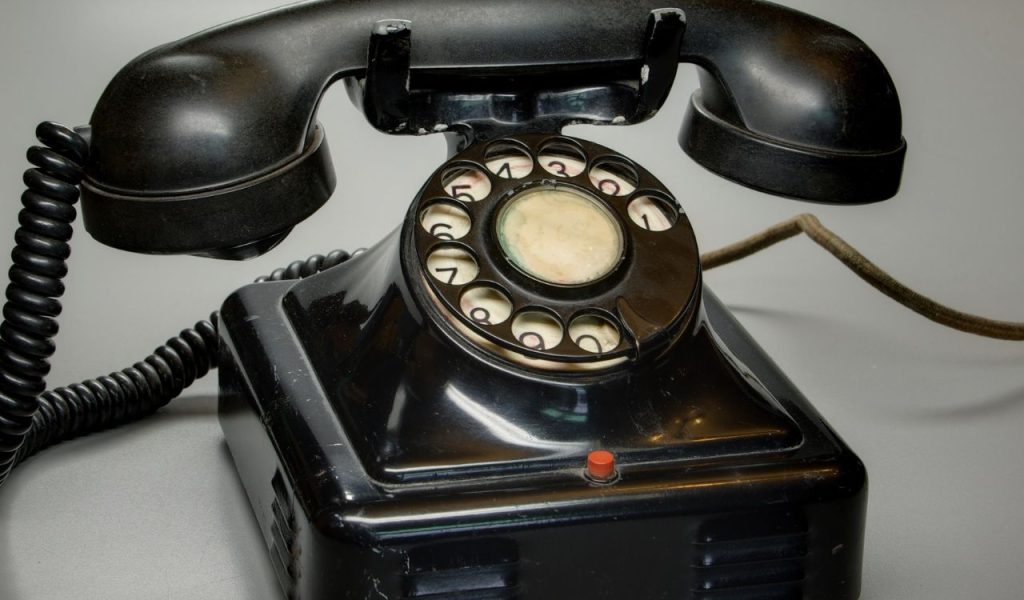
Landlines persist largely because they provide stability and clarity that mobile networks cannot always guarantee. Rural regions with weak cellular reception rely heavily on wired phone lines for consistent communication and emergency use. Some households keep landlines as a backup during power outages, when cordless or mobile phones might fail without charged batteries. Businesses also maintain them as fallback communication lines, appreciating their predictable service and minimal maintenance requirements. Even with smartphones dominating everyday life, landlines survive through a mix of habit, dependability, and practicality that remains valuable to users who prioritize trustworthy communication.
3. Dot Matrix Printers
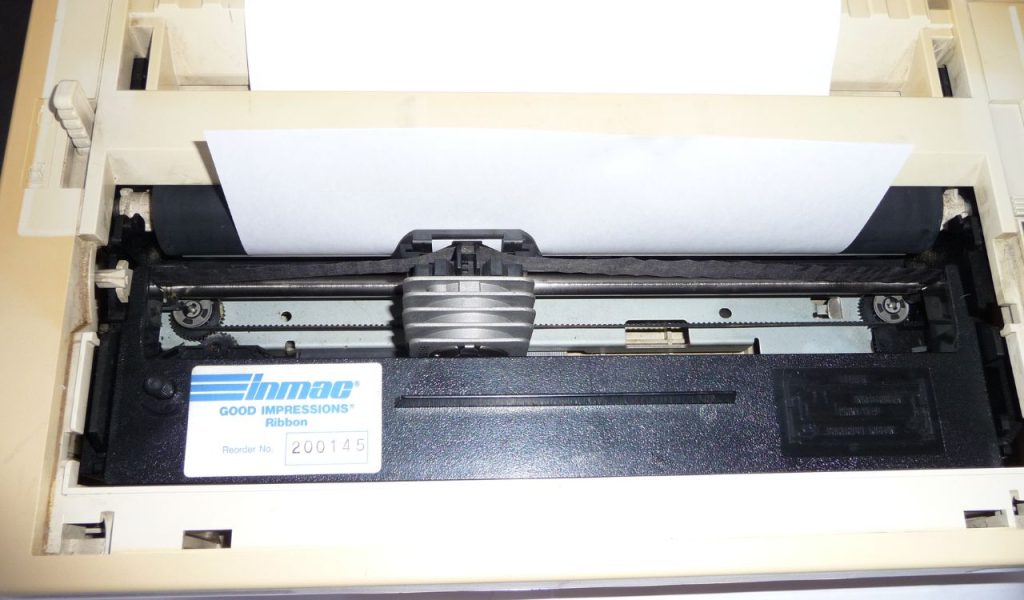
Despite their low-resolution output and noisy operation, dot matrix printers should have been phased out years ago, but they are still necessary in financial institutions, logistics hubs, and warehouses. Their ability to print carbon-copy forms makes them indispensable for invoicing, shipping labels, and multi-layer documents that laser and inkjet printers cannot duplicate effectively. They can handle continuous printing without overheating and operate reliably in harsh or dusty conditions where modern printers would likely fail. For businesses that rely on heavy-duty record keeping, dot matrix printers deliver durability and specialized functionality that newer devices simply weren’t built to replace entirely.
4. VHS Tapes
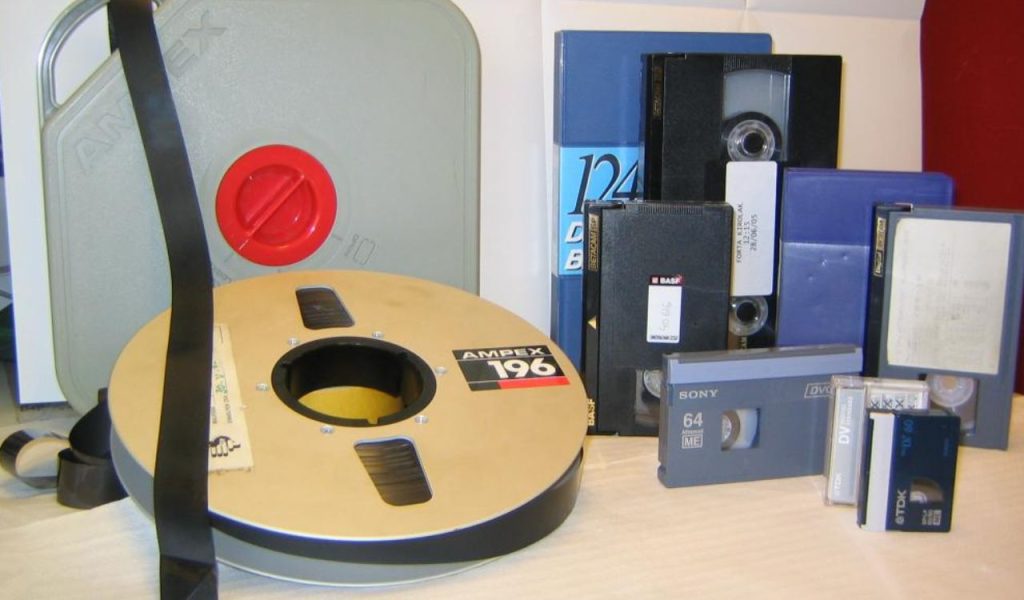
Despite DVDs, Blu-rays, and digital streaming dominating home entertainment, VHS tapes refuse to vanish entirely. Many families keep them because they hold irreplaceable home movies, old broadcasts, or rare content that never transitioned to digital formats. Some collectors treat VHS tapes as vintage artifacts, driving a surprising secondary market where uncommon tapes sell for high prices. Libraries and archives also maintain VHS collections because digitizing thousands of hours of footage is expensive and time-consuming. While technologically obsolete, VHS persists through nostalgia, personal history, and the enduring usefulness of decades-old devices that still manage to work today.
5. Floppy Disks
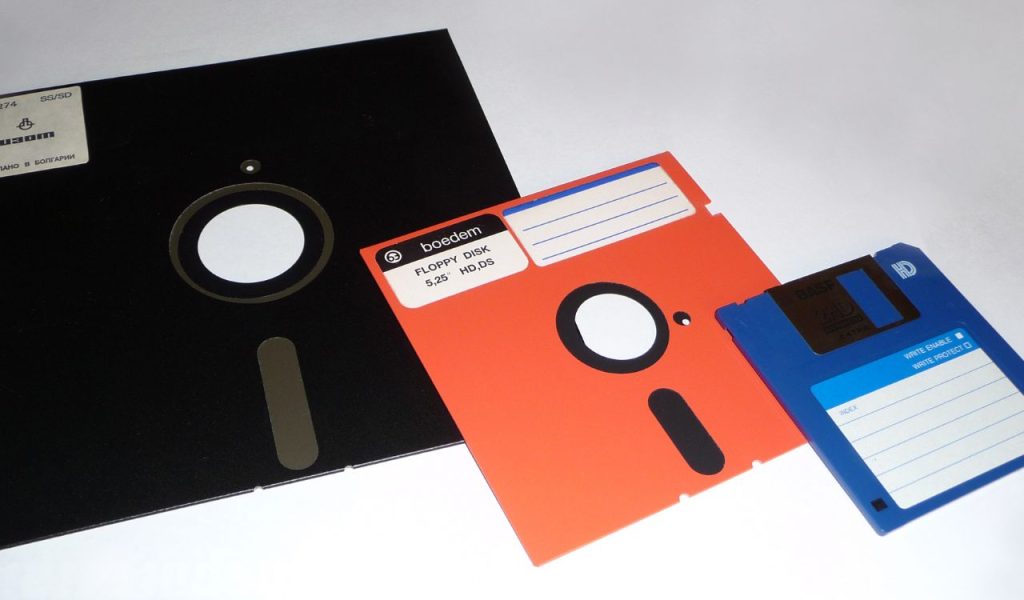
Floppy disks are shockingly still used in older industrial equipment, research labs, and even some aviation and military systems. These machines were designed in an era when floppy storage was the standard, and updating them to accept modern formats can be prohibitively expensive or technically risky. In these environments, stability is more important than capacity, and floppy disks offer a predictable, time-tested method for transferring small amounts of data. Their survival highlights how deeply embedded legacy technology can become, especially in systems requiring absolute reliability over decades of operation without major redesigns.
6. Overhead Projectors
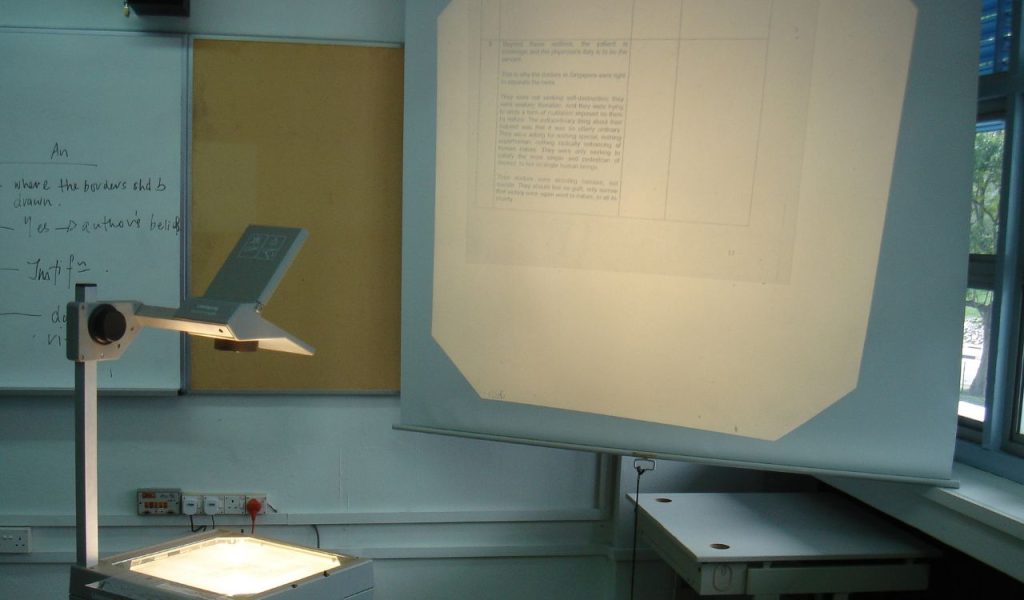
Overhead projectors remain in classrooms and training centers around the world, particularly where budgets are limited or digital equipment is impractical. Their simplicity is unmatched; they need no software, no operating system, no calibration, and no internet connection. A single bulb replacement can extend its lifespan significantly, and they are durable enough to survive constant use, transport, and rough handling. Teachers appreciate how easy they are to operate without technical issues or compatibility concerns. Despite digital projectors becoming mainstream, overhead projectors endure because they are affordable, dependable, and almost impossible to break unexpectedly.
7. Film Cameras
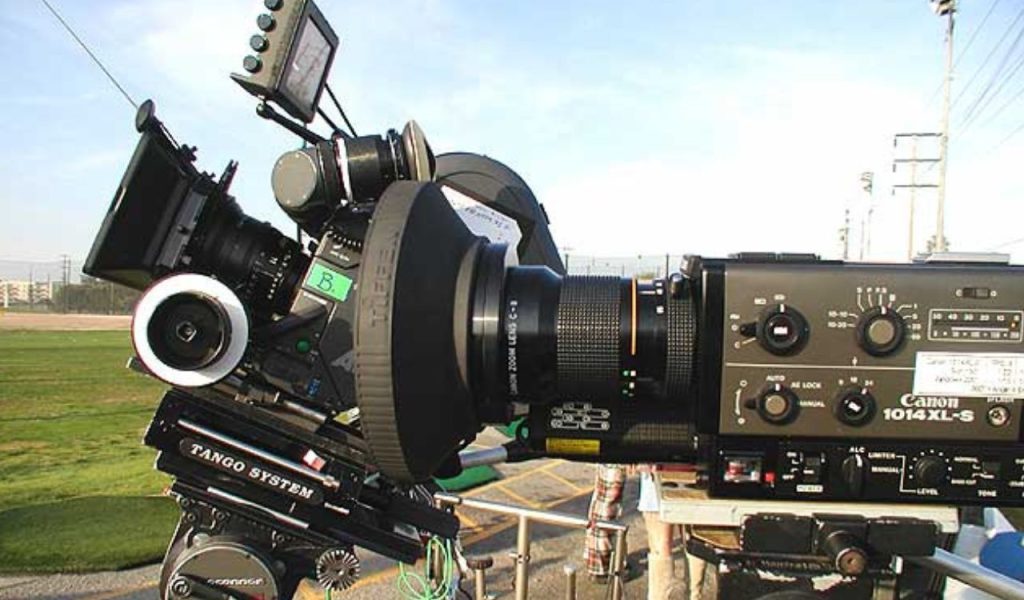
Film cameras have experienced a surprising revival, especially among artists, hobbyists, and younger generations seeking a more tactile and intentional photographic process. Film forces photographers to slow down, consider each shot, and embrace imperfections that digital photography often eliminates. The distinct grain, color depth, and tonal qualities produced by film continue to attract creative communities. Many classic film cameras are built so well that they still function flawlessly decades later. With film production and processing labs still active, the medium has transformed from an everyday necessity into a cherished creative choice that refuses to fade away completely.
8. Cassette Tapes
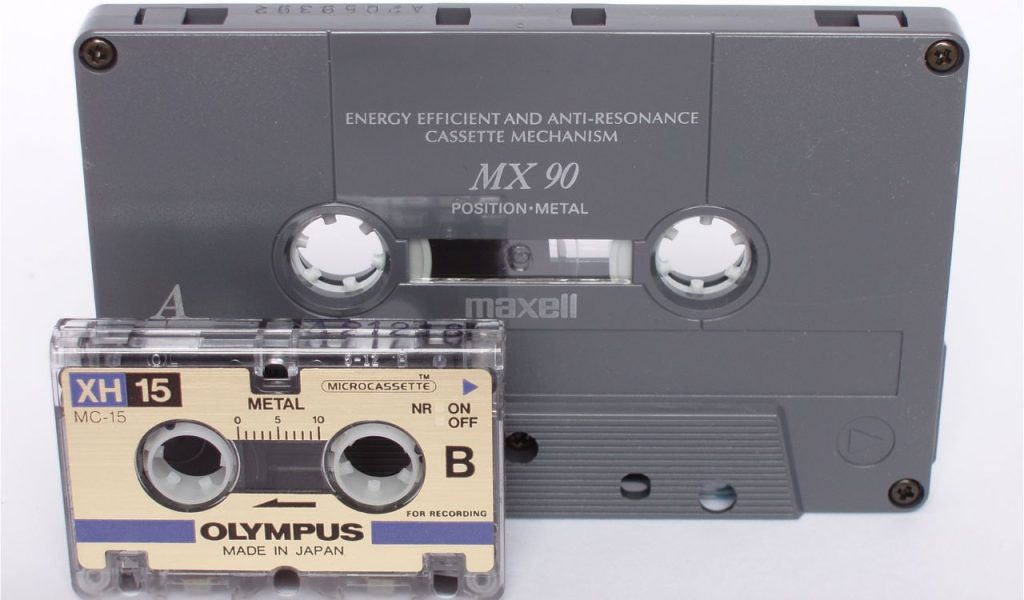
Cassette tapes have re-emerged as a retro collectible and niche music format, loved for their warm analog sound and handmade aesthetic. Indie musicians release albums on cassette because production is cheap and fans enjoy owning physical media that feels personal and nostalgic. Old mixtapes, recordings from radio broadcasts, and rare releases keep the format alive in countless homes and storage boxes. Even though streaming dominates listening habits, cassettes persist due to nostalgia, tangible ownership, and the emotional connection people have with analog audio experiences that digital files cannot fully replicate.
9. Checkbooks
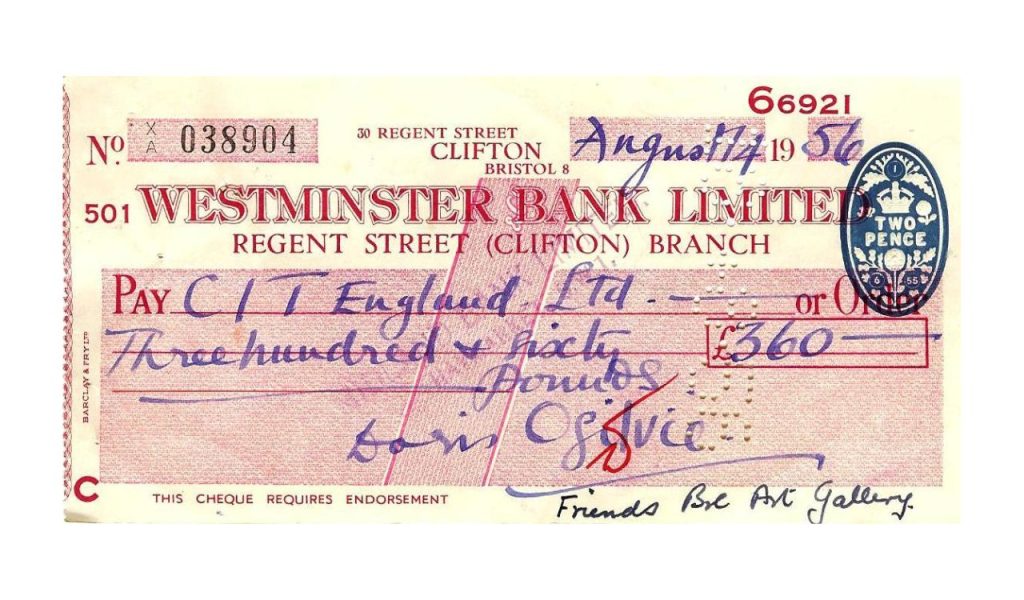
Checkbooks remain in use for rent payments, government transactions, charitable donations, and traditional businesses that prefer paper documentation. Some people use checks to better track expenses or maintain a physical written record of payments. In areas where online banking isn’t universal or digital literacy is limited, checkbooks serve as a reliable fallback. Even though electronic transfers are faster and more secure, checks endure because financial systems evolve slowly, and many institutions still rely on long-standing processes that would require significant structural changes to replace entirely.
10. CRT Televisions
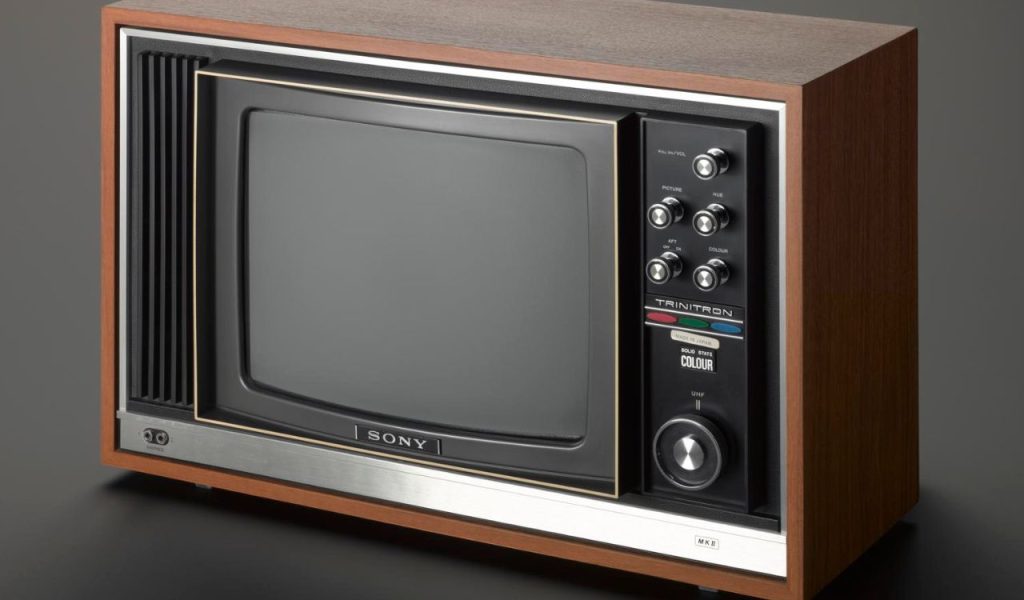
Cathode-ray-tube TVs continue to survive in gaming communities, retro arcades, and specialized technical environments. Retro gamers prefer CRTs because classic consoles were designed for analog signals, resulting in smoother motion, vibrant colors, and zero input lag. Engineers and calibrators also use CRTs for testing equipment due to their precise color accuracy and reliable response times. These televisions are incredibly durable, often lasting decades with minimal maintenance or repair. Though bulky and energy-intensive, their unique performance characteristics keep them relevant in ways modern flat-panel displays can’t fully reproduce.
11. Physical Maps

Physical maps remain useful for hikers, road travelers, and explorers who visit areas without reliable GPS or mobile coverage. Paper maps never lose battery, don’t require updates, and provide a wide visual layout that digital screens often struggle to match. They serve as essential backups during emergencies, especially on long trips or outdoor expeditions. Some users simply prefer the tactile experience of unfolding a map and navigating manually. Despite powerful navigation apps, physical maps continue to thrive because they offer reliability, independence from technology, and a sense of orientation that digital tools sometimes lack.
12. CD-ROMs
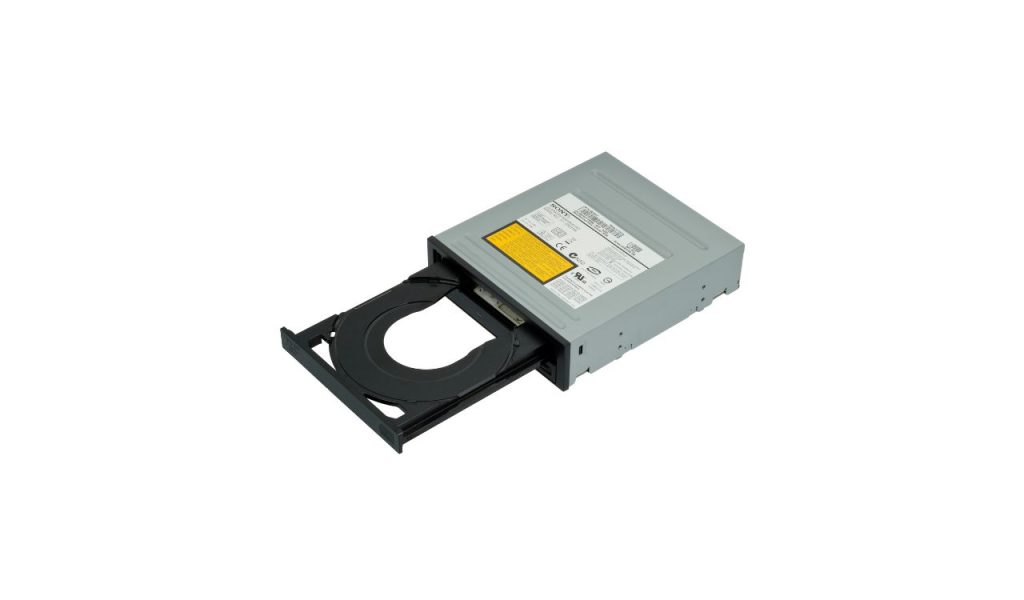
CD-ROMs remain in circulation because countless older programs, training modules, archived files, and diagnostic tools still rely on them for installation or access. Many institutions distribute materials on disc because transitioning to modern digital distribution methods requires budgets, training, and new infrastructure. Some legacy machines use CD-ROMs for system restoration or firmware updates, making them difficult to phase out. Collectors also appreciate physical media for preservation and authenticity. While cloud storage and digital downloads dominate today, CD-ROMs remain valuable in niche environments where compatibility and offline access are still important.