


Retro gaming is full of legendary names like Mario, Sonic, and Link, but beyond those giants lies a treasure trove of overlooked classics that never reached mainstream recognition. Some were released on niche consoles, others suffered from limited marketing, regional exclusivity, or simply bad timing. Yet many of these forgotten titles delivered clever mechanics, emotional storytelling, or creative ideas far ahead of their era. This article shines a spotlight on 12 retro games that slipped past most players, reminding us that the history of gaming is much deeper and far more surprising than the big hits alone.
1. Rocket Knight Adventures
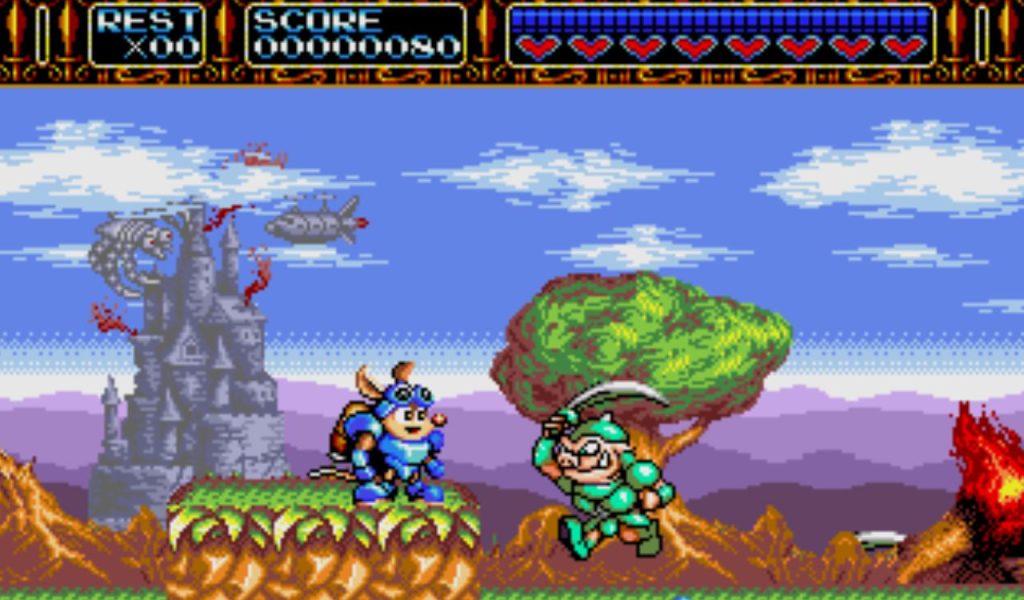
Rocket Knight Adventures is one of the Sega Genesis’ most charming but criminally overlooked action-platformers. Starring Sparkster, a heroic opossum equipped with a rocket-powered jetpack, the game delivers fast-paced movement, tight controls, and vibrant stages packed with personality. Despite its polished visuals, inventive mechanics, and a memorable soundtrack, it launched during a competitive era dominated by bigger mascots like Sonic. As a result, many players never discovered how impressively refined and creative this title really was. Today, it’s remembered fondly by those who played it, often cited as one of Genesis’ most underrated masterpieces that deserved far wider recognition.
2. Illusion of Gaia
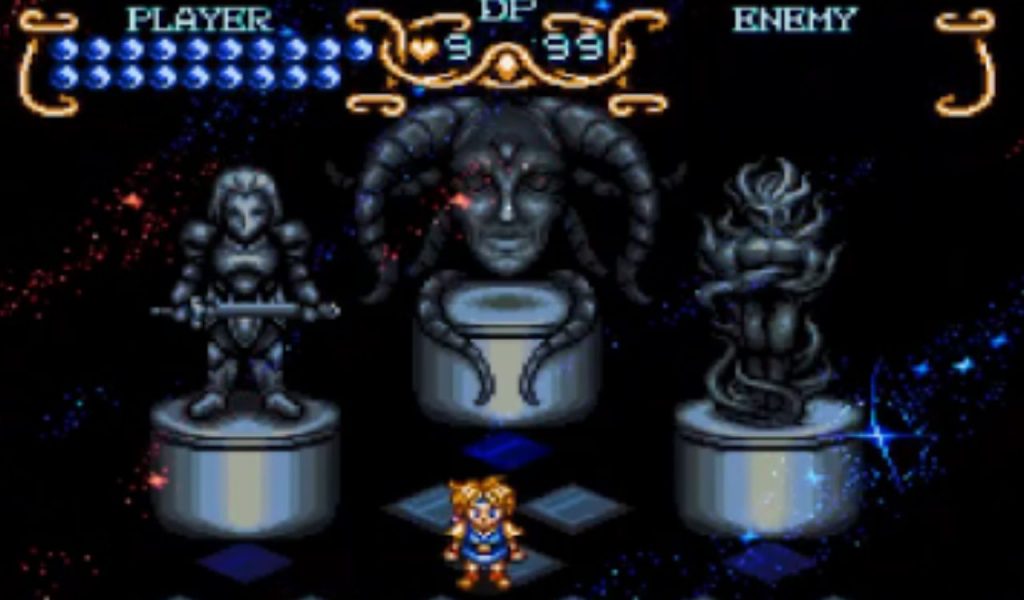
Illusion of Gaia is a unique action-RPG that blended emotional storytelling with historical fantasy in a way few Super Nintendo games attempted. Players follow Will, a young boy who journeys across reimagined real-world locations from the Nazca Lines to the Great Wall while uncovering mysteries tied to ancient civilizations. Its atmospheric world, haunting music, and transformation-based combat system made it a standout experience. Yet the game’s quiet marketing and its position between more famous titles like Secret of Mana and The Legend of Zelda led many players to overlook it. Despite being part of a loosely connected trilogy.
3. Terranigma
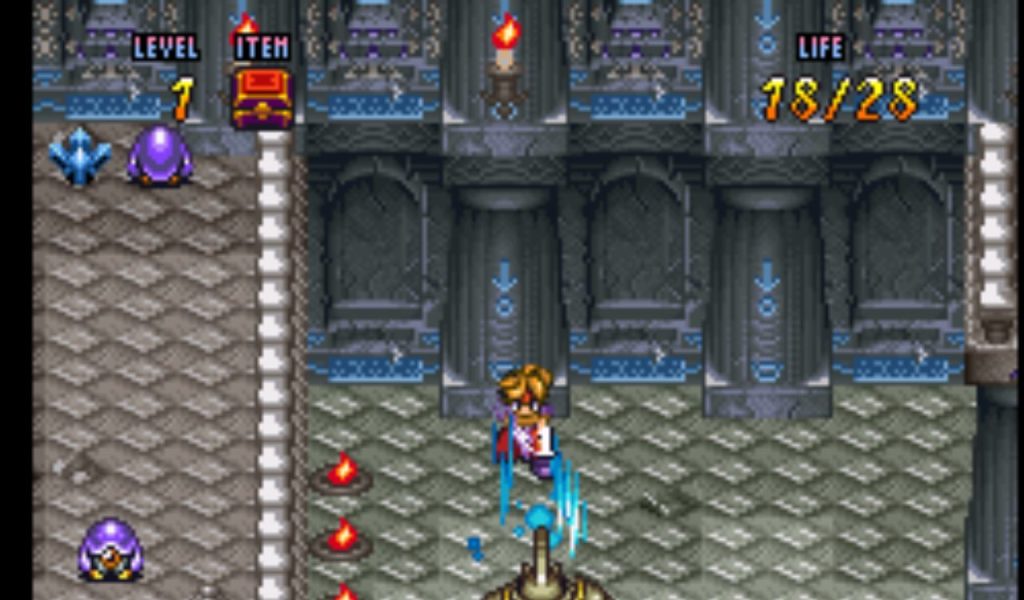
Terranigma is often regarded as one of the greatest action-RPGs ever created, yet countless players never had the chance to experience it due to its absence from North America. The game follows Ark, a mischievous boy who becomes responsible for resurrecting continents, reviving civilizations, and restoring life to a dead world. Its emotional narrative, real-time combat, and philosophical themes touching on rebirth, humanity’s progress, and sacrifice set it far apart from typical SNES adventures. Released late in the system’s lifespan and with minimal marketing, it quietly became a cult masterpiece.
4. Klonoa: Door to Phantomile
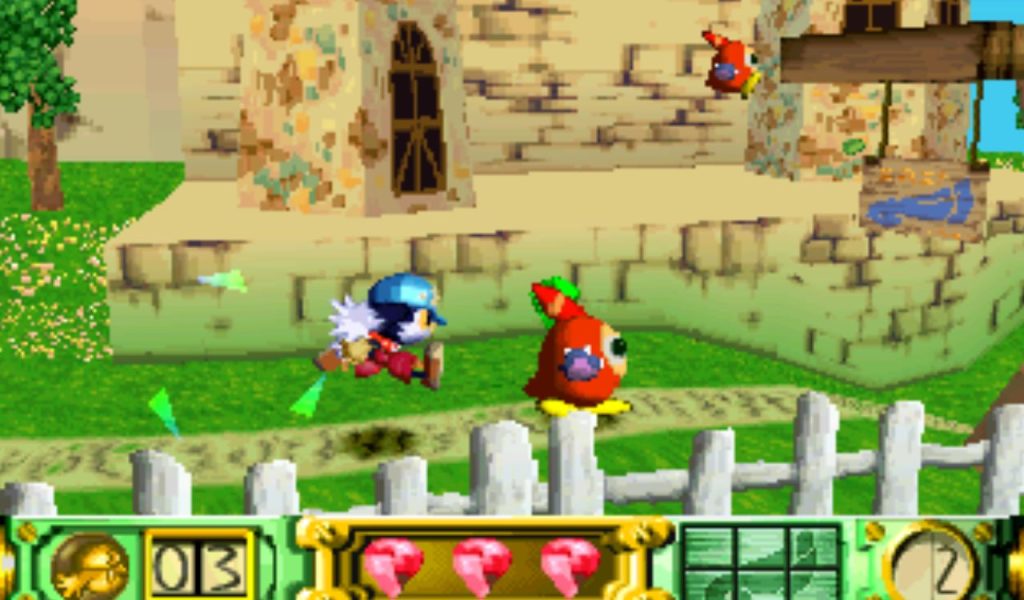
Klonoa: Door to Phantomile brought a fresh and emotional twist to platforming during the PlayStation era. Using a creative 2.5D design, the game blended 3D environments with classical side-scrolling mechanics, giving its world a dreamlike, storybook atmosphere. Klonoa himself is a mascot full of charm, equipped with a wind-ring that allows him to grab and launch enemies in inventive ways. While the game was visually stunning and mechanically clever, it was overshadowed by the rising dominance of full 3D icons like Crash and Spyro. Those who played it often praise its surprisingly heartfelt ending and imaginative world.
5. Pulseman
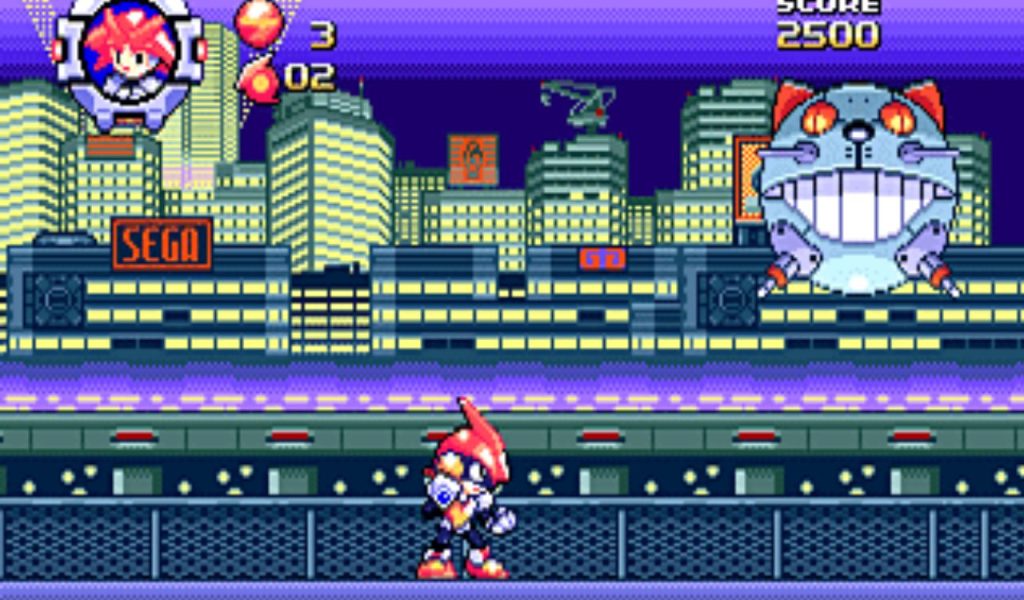
Pulseman, created by Game Freak before their Pokémon success, showcased bold colors, electronic-themed stages, and a protagonist capable of zipping across the screen at lightning speed. With its voltage-based movement mechanics and hyper-stylized aesthetic, it felt ahead of its time, almost like a blend between classic platforming and futuristic anime action. Unfortunately, the game’s Japan-only release severely limited global exposure. Western players wouldn’t see it officially until much later through digital re-releases. Its fast pacing, electric abilities, and polished design easily place it among the Mega Drive’s most inventive experiences.
6. Ristar
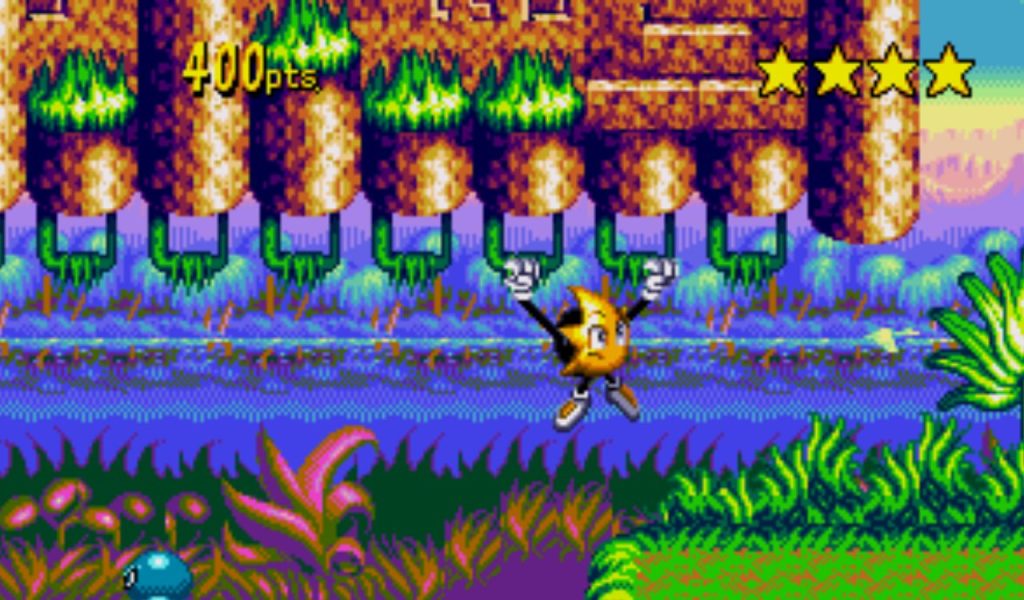
Ristar arrived near the end of the Genesis era, and timing alone kept it from becoming a household name. This charming star-shaped hero uses his extendable arms to grab enemies, climb walls, and slingshot himself through imaginative levels filled with vibrant colors and variety. Its slower, more methodical gameplay distinguished it from Sega’s faster mascot, Sonic, offering puzzle-like moments and creative world themes. Despite smooth animations, strong music, and innovative mechanics, Ristar was overshadowed by the industry’s transition toward 3D gaming. Those who try it today often describe it as one of Sega’s most polished platformers.
7. Tomba!
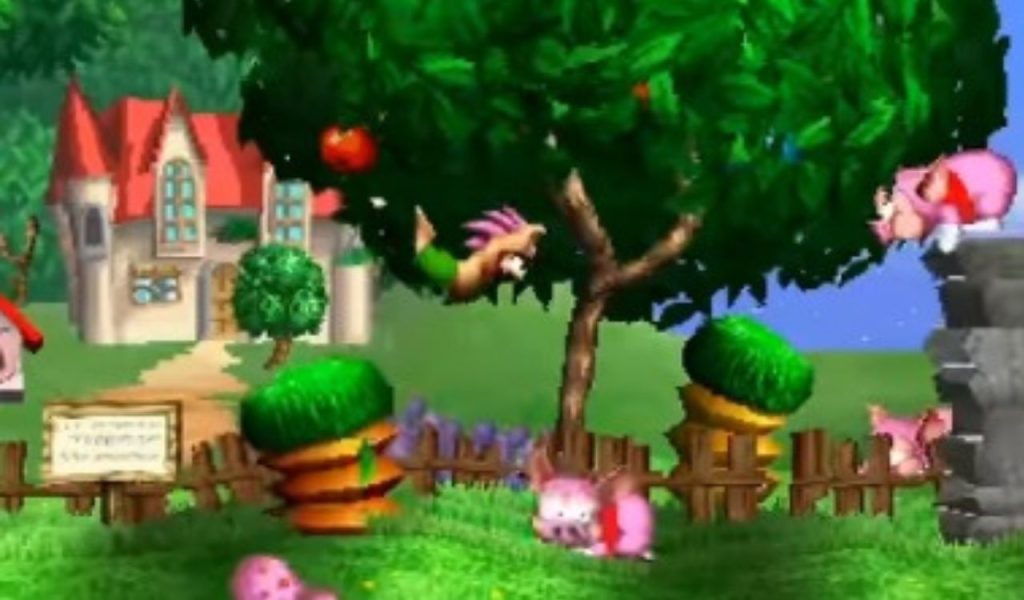
Tomba! broke away from typical PlayStation trends by using a 2.5D puzzle-platforming style instead of chasing the shift toward full 3D worlds. Its wild, pink-haired hero takes on quirky quests mixing exploration, humor, and RPG-like objectives. Each area is filled with secrets, characters to help, and unusual events shaped by the player’s actions. Yet its cartoonish look didn’t match the PS1’s darker, more cinematic marketing era. Paired with a limited print run, the game was overlooked despite its creativity and personality. Today, it’s seen as a cult favorite that proved how unique, expressive, and nonlinear a platformer on Sony’s first console could be.
8. E.V.O.: Search for Eden
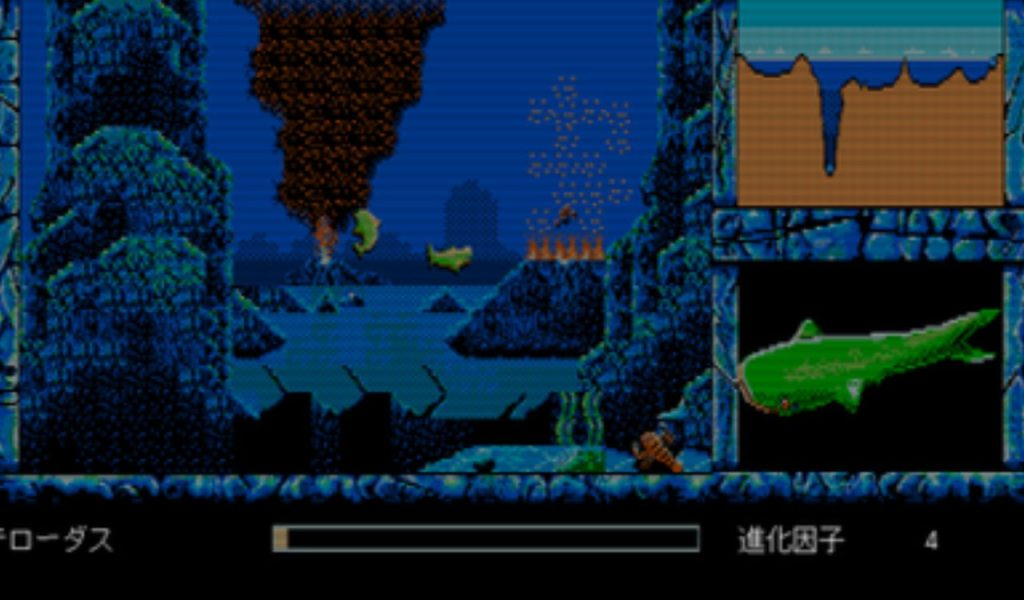
E.V.O.: Search for Eden stands as one of the most unusual and ambitious SNES titles ever released. Instead of controlling a set hero, players evolve their own creature by battling organisms and upgrading components like jaws, limbs, or body shape. The game spans Earth’s historical ages, blending scientific inspiration with fantasy. Its quirky tone, unconventional progression, and rare cartridge distribution kept it from mainstream success. Many players found it strange but captivating, offering a type of freedom and experimentation rarely seen at the time. Today, it remains collectible and beloved among those who appreciate its bold departure from traditional action-RPG norms.
9. Guardian Heroes
Guardian Heroes is a chaotic, multi-layered beat-’em-up with RPG mechanics from Treasure, a developer known for inventive action titles. Players choose from branching story paths, each leading to different stages, alliances, and endings. The combat system allows movement across multiple planes while summoning magic, leveling skills, and even commanding an undead knight companion. Unfortunately, the Sega Saturn’s limited Western success prevented this gem from reaching the audience it deserved. Its depth, style, and multiplayer mode were ahead of their time, offering a level of replayability uncommon in the genre. It remains one of Saturn’s most celebrated hidden treasures.
10. Metal Warriors
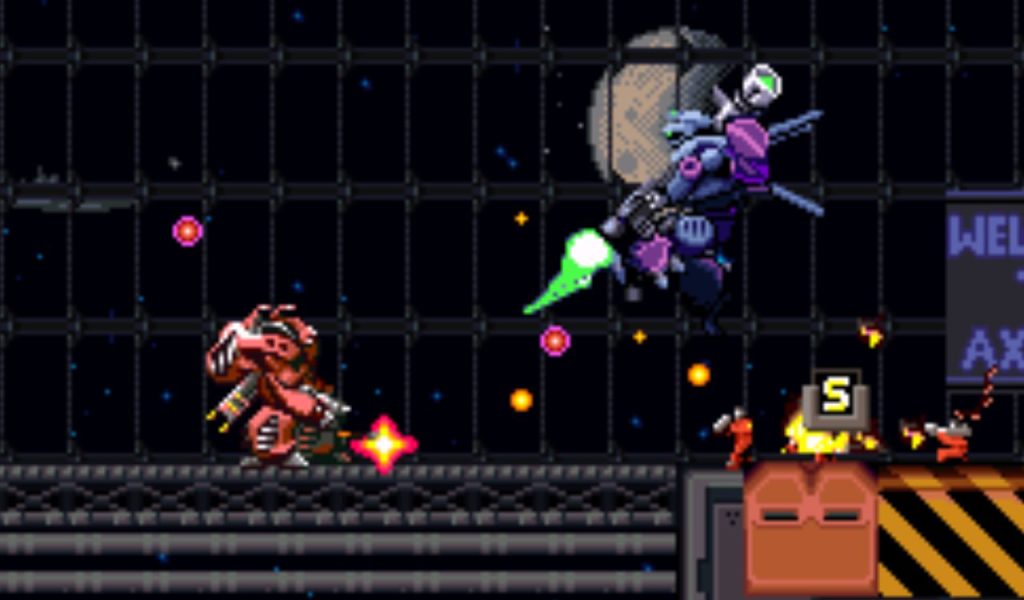
Metal Warriors, developed by LucasArts and published by Konami, gives players control of powerful mechs with distinct abilities. What set it apart was the ability to eject from your mech and explore environments on foot, infiltrating areas and hijacking enemy suits. Its slick animations and intense action pushed the SNES hardware impressively far. But a limited print run and the console’s late-life timing meant few gamers even knew it existed. Multiplayer battles, unique mech designs, and varied mission structures made it a standout, yet it never reached the recognition of its peers. Today, it’s seen as one of the system’s most desirable cult classics.
11. Panzer Dragoon Saga
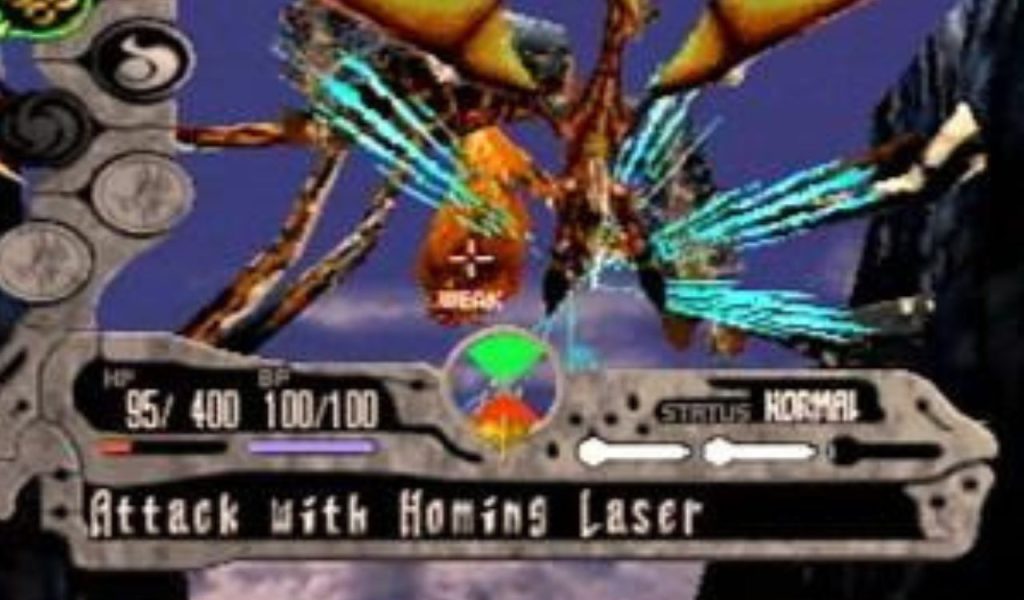
Panzer Dragoon Saga is one of the rarest and most respected RPGs ever made. Blending cinematic storytelling, on-rails shooting, and tactical turn-based combat, it delivered an experience that felt truly unique. Players rode a morphing dragon, shifting positions in real time to exploit enemy weaknesses. Its worldbuilding, music, and voice acting showed ambition few Saturn titles could match. Sadly, an extremely limited release combined with Saturn’s decline and the loss of the original source code prevented future reissues. As a result, many RPG fans missed out on this remarkable masterpiece.
12. Faxanadu
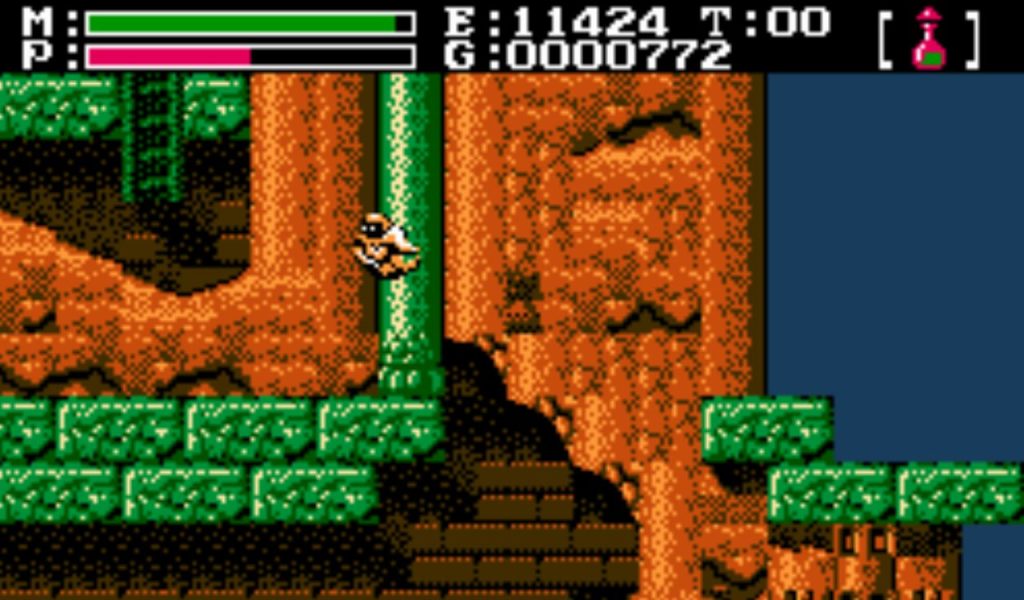
Faxanadu, a side-story in the Dragon Slayer universe, offered NES players a surprisingly atmospheric and mature action-RPG. It features winding towns, eerie music, branching routes, and equipment upgrades that enhance progression. Its moody world, centered on a dying tree and poisoned lands, gave it a darker tone than most NES titles. Still, it lacked the marketing of major Nintendo releases and was overshadowed by a surge of platformers and RPGs. Those who found it discovered unexpected depth and mystery, while many others never realized how ambitious and layered this quiet NES adventure truly was.