




Before the era of Google, YouTube tutorials, and massive online communities, video games were a very different experience. Getting stuck meant staying stuck at least until you figured things out the hard way. There were no quick answers, no searchable guides, and no instant explanations. Instead, players relied on experimentation, observation, and the occasional tip from a friend who might or might not know what they were talking about. This created a type of gaming that was filled with mystery and discovery. Every solved puzzle felt like a personal achievement. Every secret found felt legendary. And every victory was earned through determination, not instructions. The challenges were real, but so was the satisfaction.
1. Tough Puzzles

Old-school puzzles were notoriously vague. There were no glowing objects or hint systems gently nudging you toward the right answer. You often walked into a mysterious room, stared at a series of switches or blocks, and hoped you could piece together what the developers had in mind. Players would spend hours trying combinations, taking notes, and experimenting with endless possibilities. Sometimes the puzzle solutions were hidden behind obscure logic or steps that made no sense until you finally cracked them. When the solution finally clicked, the sense of accomplishment was huge—not because the puzzle was easy, but because you solved it on your own. These moments created memories that stuck for decades, long after the game was finished.
2. Secret Levels
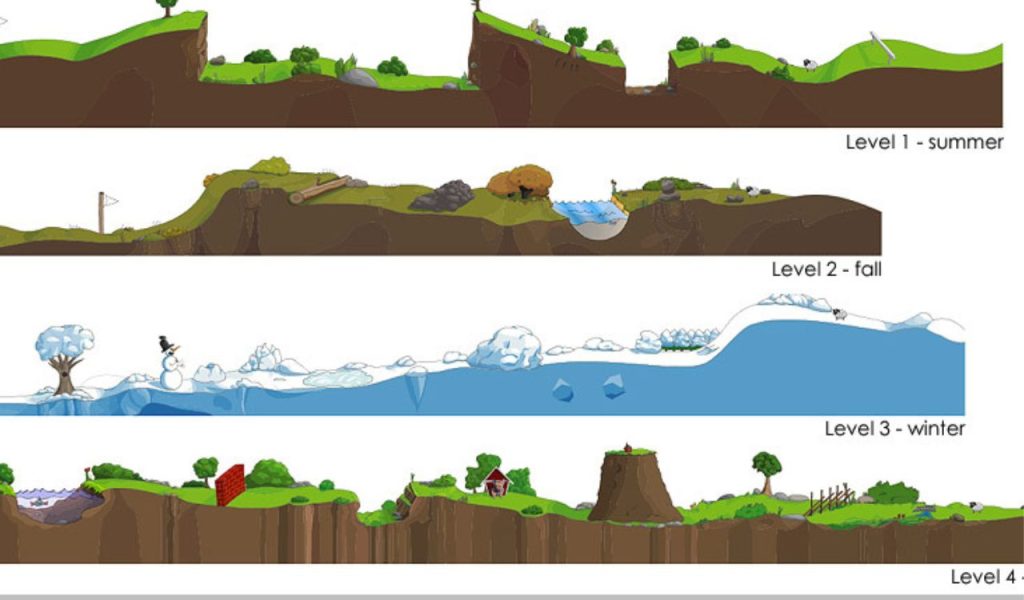
Discovering secret levels often happened completely by accident. Whether it was walking into an unusual wall, jumping at a strange angle, or exploring an odd corner of the map, these hidden areas weren’t obvious. Without online guides, players had no idea where the secrets were or how many existed. This made every discovery feel thrilling. You could spend hours searching for more, not knowing if another secret was even there. Friends would spread the news through word of mouth: “Did you know there’s a hidden area if you go to this spot?” Secret levels felt magical because you truly felt like you stumbled onto something special. It made the game world feel bigger, mysterious, and full of possibilities that encouraged exploration beyond the obvious paths.
3. Controls

Today, games offer tutorials and on-screen prompts. In the past, you were lucky if you had the manual and even luckier if you still had it years later. Otherwise, the only way to learn the controls was through trial and error. Players mashed buttons, experimented, and slowly discovered combos, special moves, and hidden actions. Some games offered extremely complex mechanics with no explanation at all, leaving players to uncover advanced moves purely by chance. Sometimes you didn’t learn half of the character’s abilities until long after you finished the game. It was frustrating at times, but it made learning the controls feel like uncovering the game’s secret language, adding another layer of discovery to the experience.
4. Boss Fights
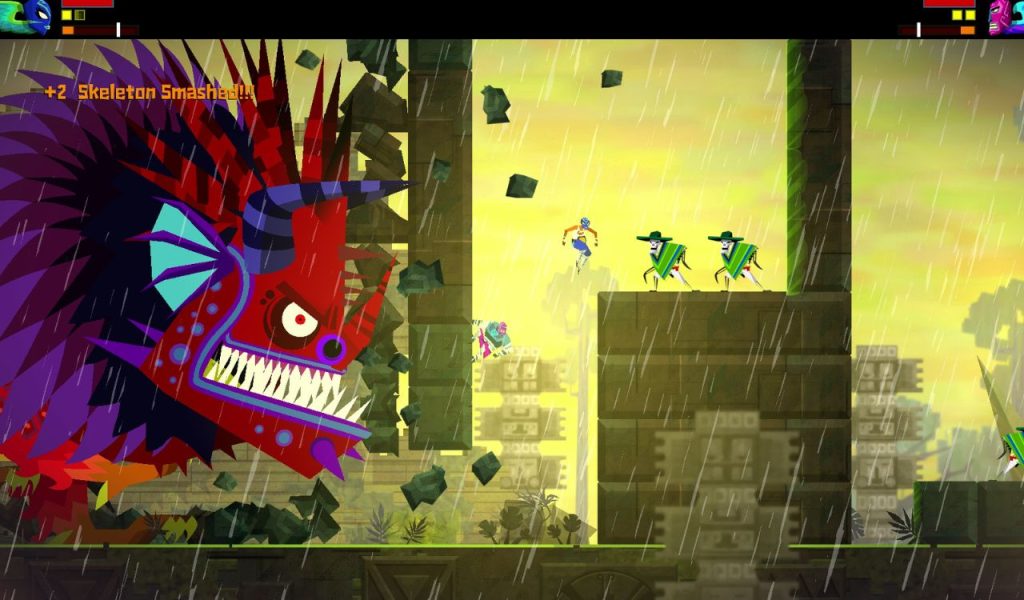
Bosses were brutal and offered no guidance. There were no tutorials explaining weakness phases or online videos showing you the perfect pattern. Instead, players died repeatedly while slowly learning attack patterns and figuring out strategies. Every attempt taught you something new, such as when to dodge, what weapon worked best, or what moment was safe to strike. Many bosses required precise timing and memorization, forcing players to stay patient even when the fight felt impossible. These battles demanded persistence, and finally defeating a boss after countless tries wasn’t just satisfying… it felt heroic. You didn’t just win—you earned your victory through grit and determination.
5. Playground Rumors

Before the internet, gaming knowledge spread through school hallways and neighborhood stories. Kids traded wild rumors: secret characters, unbeatable cheats, hidden weapons, mysterious endings. Some were real. Most weren’t. But players still tested every rumor because, without online fact-checking, anything could be true. These myths added mystery, excitement, and endless debate to gaming culture, making it feel like every game still had secrets left to uncover. Even the fake stories sparked imagination and encouraged players to experiment and explore areas they might have ignored otherwise. Rumors gave games a social life beyond the screen.
6. Cheat Codes

Cheat codes were legendary, and nobody had a curated list online. Most players learned codes from magazines, friends, or pure luck. Some required complicated button combinations that you had to memorize like a ritual. Players tested countless strange theories—pressing buttons in specific rhythms, restarting the console at the right moment, or trying bizarre inputs just to see what happened. Many cheat codes felt like mystical spells, with no explanation of what they did until you activated them. And when a cheat worked? It felt like unlocking forbidden knowledge, giving players power they never knew existed, and turning ordinary sessions into chaotic, unforgettable fun.
7. No In-Game Maps
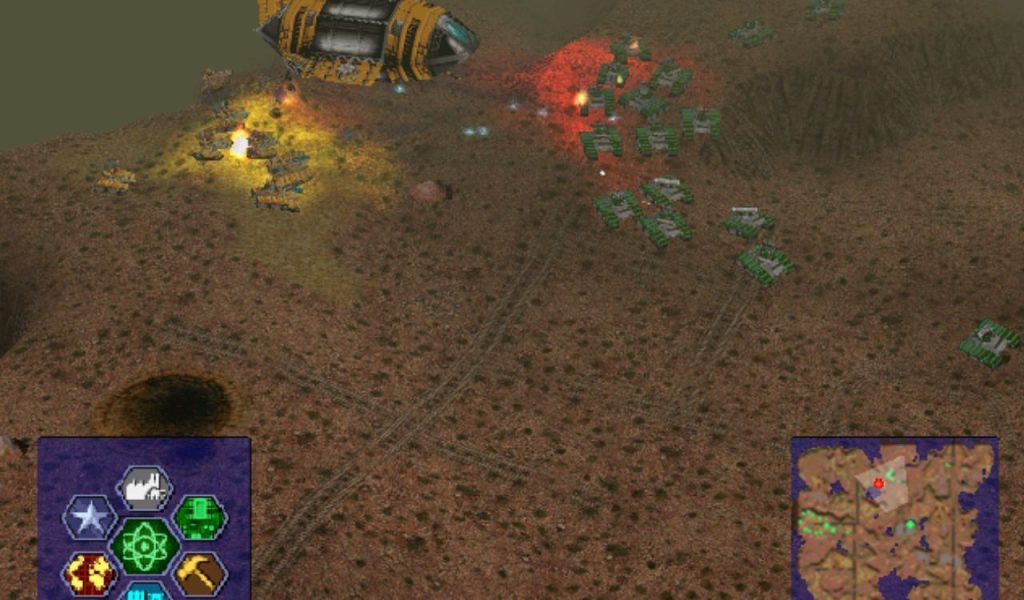
When games didn’t provide maps, players made their own. They grabbed paper, drew rooms and hallways, marked enemy locations, and sketched landmarks. These home-made maps were often messy and imperfect, but they were personalized tools that helped players navigate complex worlds. Creating maps wasn’t just practical; it made the adventure more immersive. You weren’t just playing the game; you were charting it, exploring unknown lands one pencil line at a time. Some players kept entire notebooks filled with maps, secret notes, and personal routes. The process turned each game into a true expedition, giving you a deeper connection to the world you explored.
8. Builds & Loadouts

Without internet guides, optimizing your character or equipment required experimentation. Players tested which weapons hit hardest, which armor worked best, and which skills combined well. Some gamers kept notes on stats or damage values. Others simply tried everything and stuck with what felt right. There were no tier lists or meta builds to copy—only creativity and curiosity. This trial-and-error approach made each player’s build feel unique, shaped by their own preferences and discoveries. And when you finally created a strong build, it wasn’t because someone told you—it was because you earned that insight through persistence and exploration.
9. Understanding Story

Classic games often told their stories in subtle ways. A few lines of dialogue here, a cryptic description there, and a handful of clues sprinkled around the world. Without online lore explanations, players pieced together the plot entirely on their own. You interpreted endings, debated theories with friends, and filled in gaps using your imagination. Many games left mysteries unresolved, leaving players wondering what certain events or characters truly meant. These stories stayed memorable because players weren’t just watching them; they were solving them. This made the narrative feel personal, as though each player uncovered a slightly different version of the tale.
10. Fixing Problems Alone

When a game stopped working, there was no internet troubleshooting. You were on your own. Gamers became amateur technicians, blowing into cartridges, cleaning discs, and trying every trick imaginable to revive their games. Sometimes it worked. Sometimes it didn’t. But every player developed their own techniques, and the satisfaction of getting a stubborn game to load felt like a victory in itself, finally. Kids invented their own rituals, tapping the console, adjusting cables, or re-seating cartridges at specific angles. These quirky repair traditions became part of the culture, turning technical issues into shared childhood memories.
11. Magazines & Friends

Gaming magazines were the lifeline of pre-Internet gaming. They were the main source for tips, cheat codes, walkthroughs, and reviews. Players waited eagerly each month for new secrets and strategies. If you didn’t have magazines, your next best resource was friends. They became your local gaming network, sharing discoveries, helping each other, and keeping the excitement alive. Sometimes a single new tip could completely change how you played a game. Gaming knowledge spread slowly, but it felt rare and valuable—like insider information only a few players were lucky enough to know.
12. Alternate Endings

Without spoilers online, players replayed games multiple times to see what changed. You didn’t know if a different choice would unlock a new ending or if a secret route led to a hidden finale. Every replay was filled with curiosity and discovery. Finding an alternate ending felt like uncovering a hidden truth that the game had been waiting to reveal. Some endings were nearly impossible to discover without extreme experimentation, making the reward feel even more special. These multiple endings gave games incredible replay value and kept players talking about them for years.