




The video game industry can be a brutal and unpredictable place. For every breakout hit that elevates a studio to new heights, there are ambitious projects that collapse under the weight of delays, budget overruns, or shifting market trends. Some games are victims of overhype, others of mismanagement, and a few simply launch at the wrong moment. These cautionary stories reveal how even talented teams can stumble, turning hopeful success into costly failure that reshapes careers, reputations, and entire companies. They also highlight how rapid industry shifts can turn even well-planned projects into major risks.
1. Duke Nukem Forever (2011)
After fourteen years of chaotic development, engine swaps, and constant delays, Duke Nukem Forever finally launched, only to disappoint nearly everyone. Critics panned its outdated design, clunky gameplay, and uneven tone. Despite the franchise’s legacy, sales couldn’t justify the enormous development cost. The financial strain contributed to 3D Realms’ collapsing, downsizing, and eventually selling the rights just to stay afloat, leaving the project remembered as one of gaming’s most infamous cautionary tales that highlighted how ambition without direction can drain a studio and reshape industry expectations.
2. Anthem (2019)
BioWare set out to create a bold live-service looter-shooter, but Anthem arrived plagued with bugs, loading issues, and an unfinished story. Despite flashy combat and a promising flight system, the game lacked meaningful content and quickly lost players. Electronic Arts canceled its planned overhaul, leaving the project stagnant. The failure damaged BioWare’s reputation and cost millions in development, marketing, and abandoned post-launch support, ultimately becoming a symbol of how rushed direction and misplaced ambition can sink a blockbuster-sized project and weaken trust from longtime fans and newcomers alike.
3. Marvel’s Avengers (2020)
Despite carrying one of entertainment’s biggest licenses, Marvel’s Avengers struggled from the start. Repetitive missions, limited enemy variety, and a weak live-service structure pushed players away quickly. Even with strong voice acting and recognizable heroes, the game’s grind-heavy progression and technical issues overshadowed its strengths. The poor reception led to major financial losses for Square Enix, which labeled it a commercial disappointment and ended long-term support far earlier than expected, ultimately reinforcing doubts about the viability of poorly planned live-service adaptations.
4. Cyberpunk 2077 (2020)
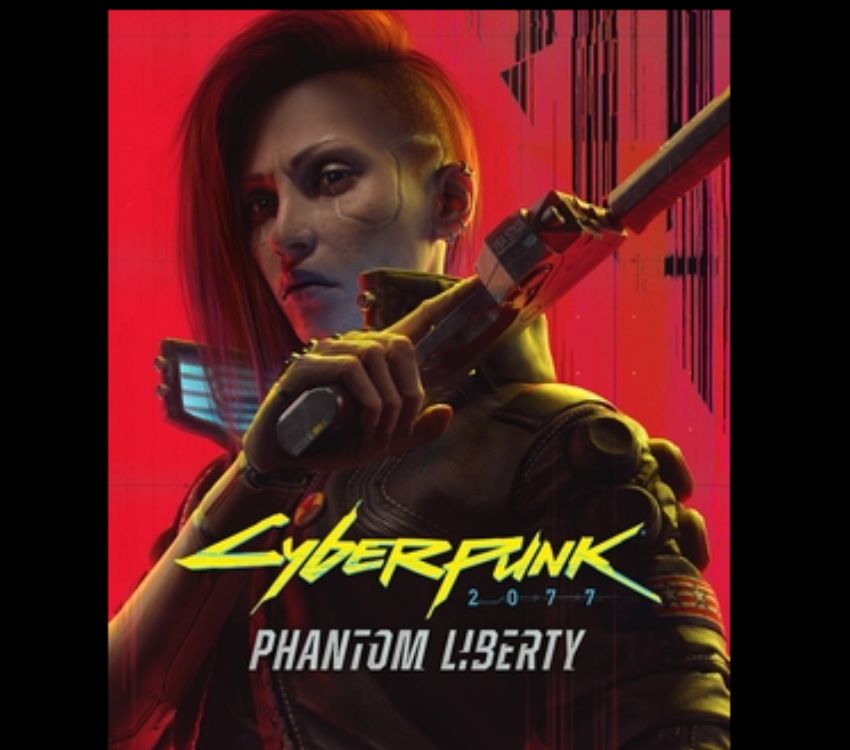
At launch, Cyberpunk 2077 became one of gaming’s most infamous technical disasters. Severe bugs, crashes, and performance failures on consoles overshadowed its ambitious world and storytelling. Refunds spread across major platforms, and Sony temporarily removed it from the PlayStation Store, an unprecedented move for a high-profile release. The backlash caused a massive drop in value for CD Projekt, forcing apologies, patches, and years of recovery work before the game regained goodwill, eventually turning into a redemption story thanks to major updates and renewed community support that slowly restored its reputation among hesitant players.
5. Babylon’s Fall (2022)
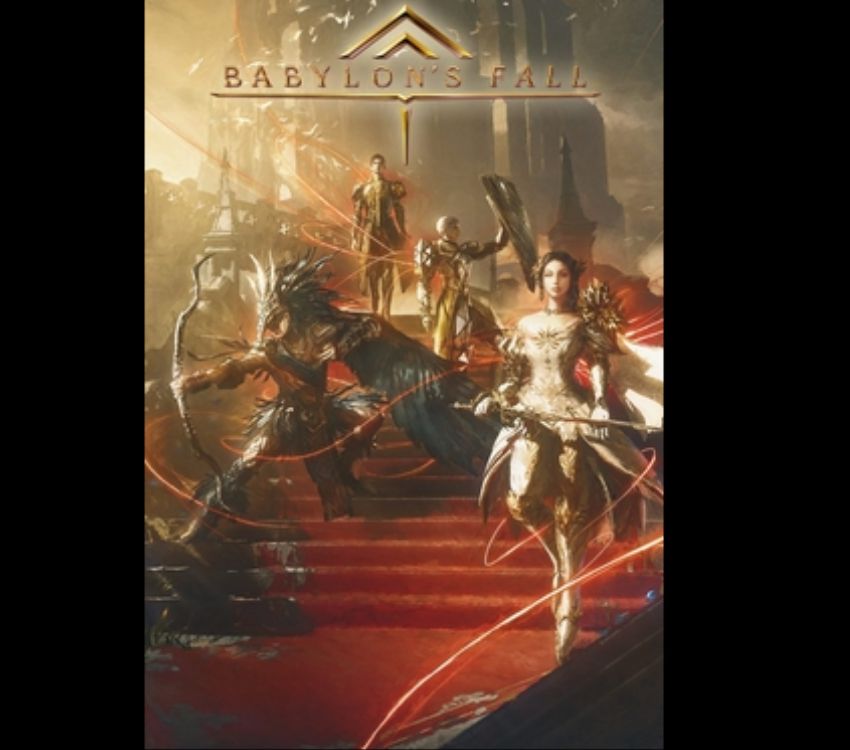
Babylon’s Fall was released as a live-service action RPG and struggled immediately. Its dated visuals, repetitive missions, and lack of meaningful content pushed away players within weeks. Even collaboration events and updates failed to revive interest. The game’s tiny player base became a symbol of its collapse. Square Enix shut down the servers less than a year after launch. The disappointing performance led to losses and concerns about its strategy. The situation also impacted PlatinumGames, whose reputation suffered due to rushed design and limited vision, reinforcing fears about the risks of mismanaged live-service experiments.
6. Mass Effect: Andromeda (2017)
As the follow-up to one of the most respected sci-fi trilogies in gaming, Mass Effect: Andromeda carried enormous expectations. Instead of building on its predecessor’s strengths, the game launched with awkward facial animations, technical glitches, and uneven writing that quickly became internet memes. Behind the scenes, shifting creative direction and engine challenges complicated development, leaving the final product feeling unfinished in key areas. Although combat and exploration showed promise, the damage to public perception was immediate. Sales fell short of projections, planned story expansions were canceled, and the franchise was placed on hiatus
7. Shenmue (1999 & 2001)

Despite its groundbreaking ambition, Shenmue and its sequel pushed development costs to unprecedented heights for their era. The games delivered a richly detailed world, cinematic storytelling, and innovative mechanics, but sales couldn’t match their enormous budgets. Sega expected blockbuster numbers, yet the titles underperformed, straining the company financially. Their costly development contributed to Sega’s shift away from the console market, turning the series into a cautionary example of how innovation alone can’t guarantee profit, especially when production demands exceed what the audience size can realistically sustain.
8. E.T. the Extra-Terrestrial (1982)
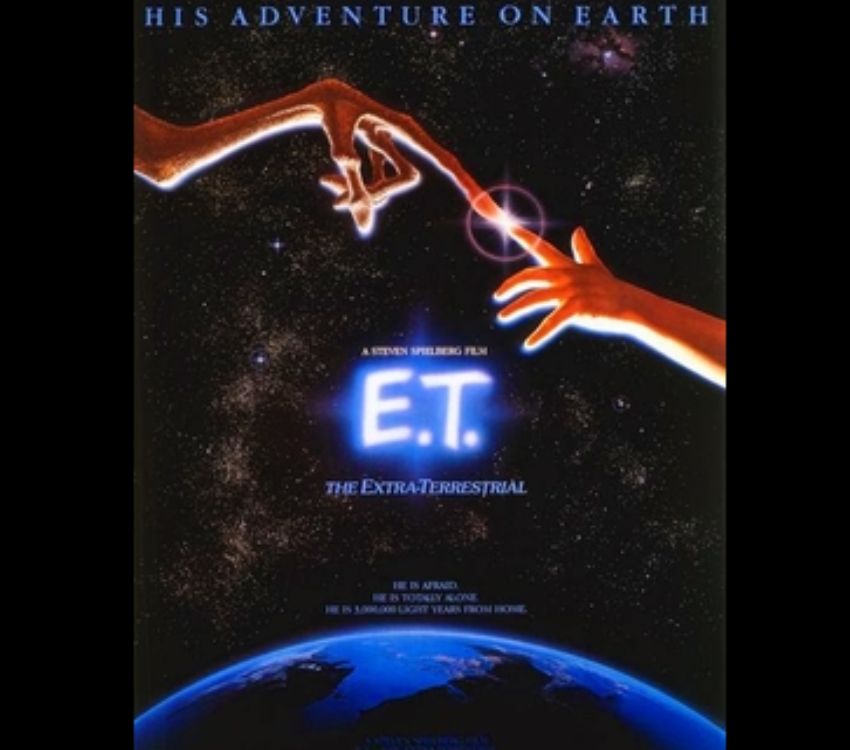
Rushed through development in just weeks, E.T. the Extra-Terrestrial became infamous for its confusing design and repetitive gameplay. Retailers quickly faced massive returns, and unsold cartridges piled up nationwide. The failure dealt a heavy blow to Atari, which had invested heavily in licensing and production. The game’s collapse is widely considered a major factor in the 1983 video game market crash, demonstrating how overconfidence and poor planning can devastate even the industry’s biggest names, ultimately reshaping expectations for future licensed games and warning publishers against rushed, profit-driven releases.
9. Too Human (2008)
Too Human endured a notoriously troubled development cycle marked by engine changes, shifting design goals, and a costly legal battle with Epic Games over the use of Unreal Engine. Despite years of hype, the final product launched to mixed reviews, criticizing its repetitive combat and awkward control scheme. Sales fell far below expectations, placing heavy financial strain on Silicon Knights. The losses, combined with the lawsuit’s outcome, ultimately crippled the studio and led to its eventual shutdown, leaving the project remembered as a cautionary tale about mismanaged ambition and unmet promises.
10. Tomb Raider (2013)
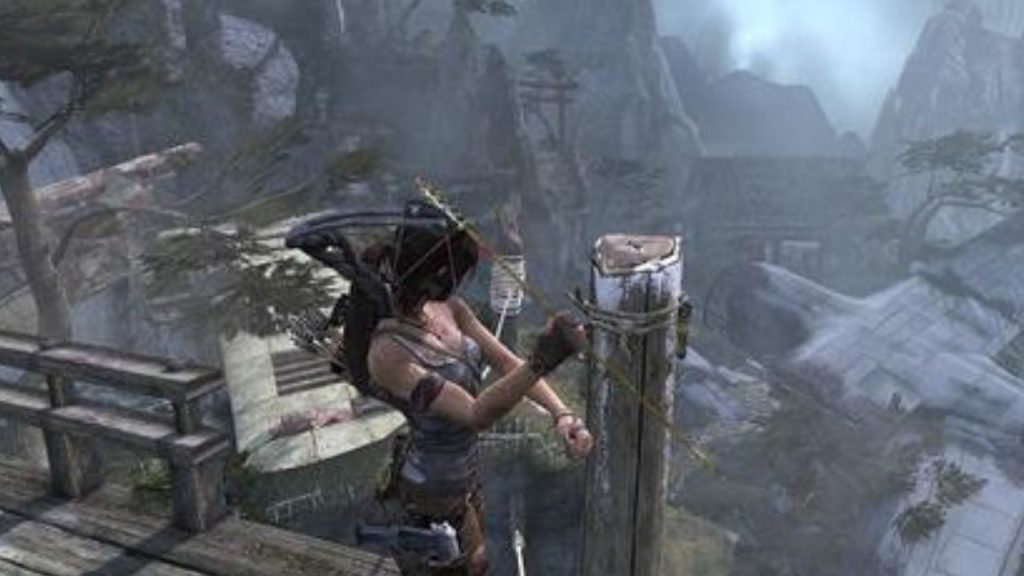
When Tomb Raider was released, it earned strong reviews for its cinematic storytelling and modern reinvention of Lara Croft. However, despite selling millions, Square Enix declared it a commercial disappointment due to expectations set far too high for its launch window. The mismatch between projected and actual sales caused the publisher to reevaluate its goals and restructure parts of its Western operations. Though the game eventually became profitable, its early financial impact highlighted the risks of unrealistic sales targets in AAA development, revealing how even celebrated reboots can falter when burdened by inflated corporate ambitions.
11. Daikatana (2000)
Daikatana became one of gaming’s most publicized failures after a troubled development cycle marked by engine changes, delays, and a notorious marketing campaign that damaged anticipation rather than building it. When the game finally launched, its outdated graphics, frustrating AI, and uneven gameplay led to overwhelmingly negative reviews. Sales were far below expectations, placing severe financial pressure on Ion Storm. The backlash contributed to major studio restructuring and ultimately accelerated its decline, turning the project into a long-standing warning about hype gone wrong and mismanaged ambition.
12. The Lord of the Rings: Gollum (2023)
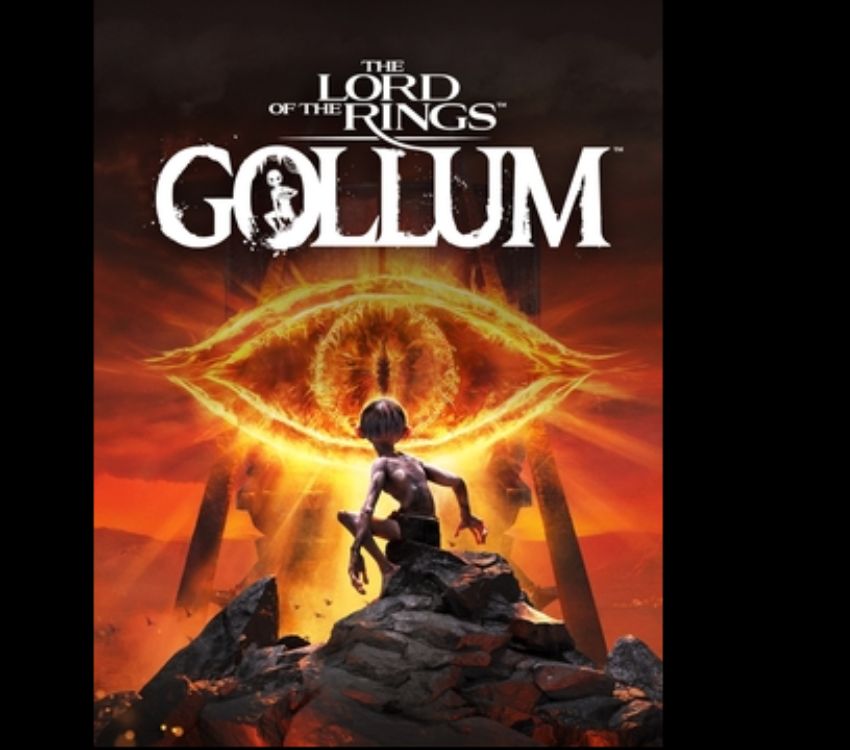
Released with high expectations, The Lord of the Rings: Gollum was criticized for technical issues, weak stealth mechanics, and an unfocused story that failed to resonate with longtime fans. Reviews were overwhelmingly negative, and the game quickly became one of the decade’s lowest-rated major releases. Its poor performance caused significant financial losses for Daedalic Entertainment, which soon announced it would cease in-house development entirely. The failure highlighted the risks of tackling beloved franchises without sufficient resources, direction, or polish to meet audience expectations.