


Many video games launch with bugs, missing features, or systems that fail to meet player expectations. Early reviews can shape public opinion, and negative impressions often push players away. However, some developers commit to long-term support and major updates that meaningfully change how a game plays. Over time, patches, expansions, and quality-of-life improvements can rebuild trust and attract former players back. These titles show how post-launch development can reshape reputation and extend a game’s lifespan when feedback is taken seriously, over months and years of steady improvements.
1. No Man’s Sky
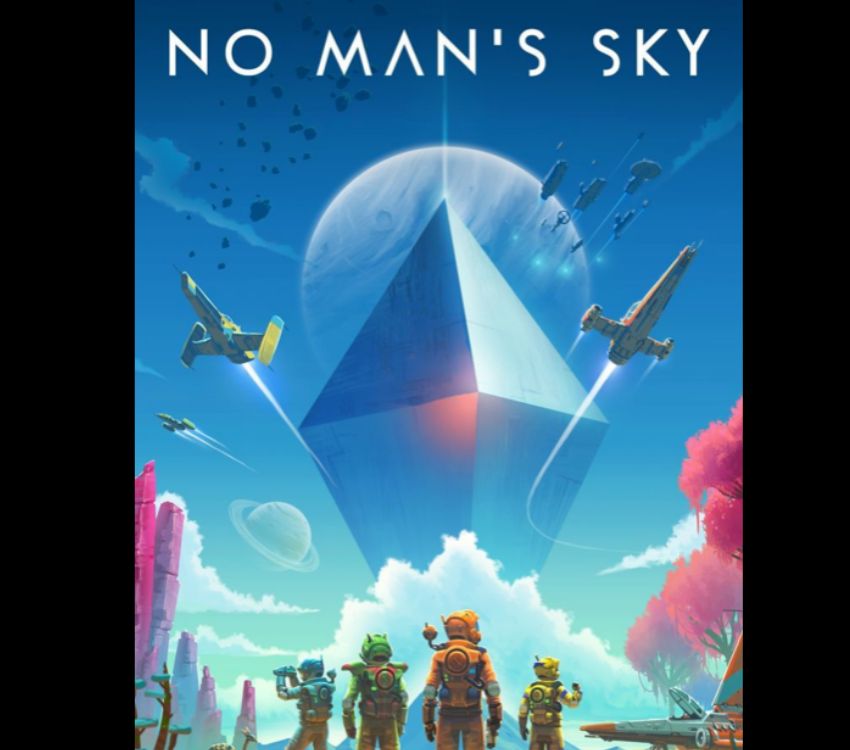
No Man’s Sky released with ambitious promises that the early version struggled to meet, leading many players to leave after launch. The studio committed to years of free updates that added base building, multiplayer features, narrative content, and expanded exploration tools. Technical performance steadily improved, and core systems became more rewarding and accessible. Over time, the game evolved into a broader space exploration experience that aligned more closely with initial expectations. The steady pace of meaningful updates encouraged former players to return and re-evaluate the game.
2. Final Fantasy XIV

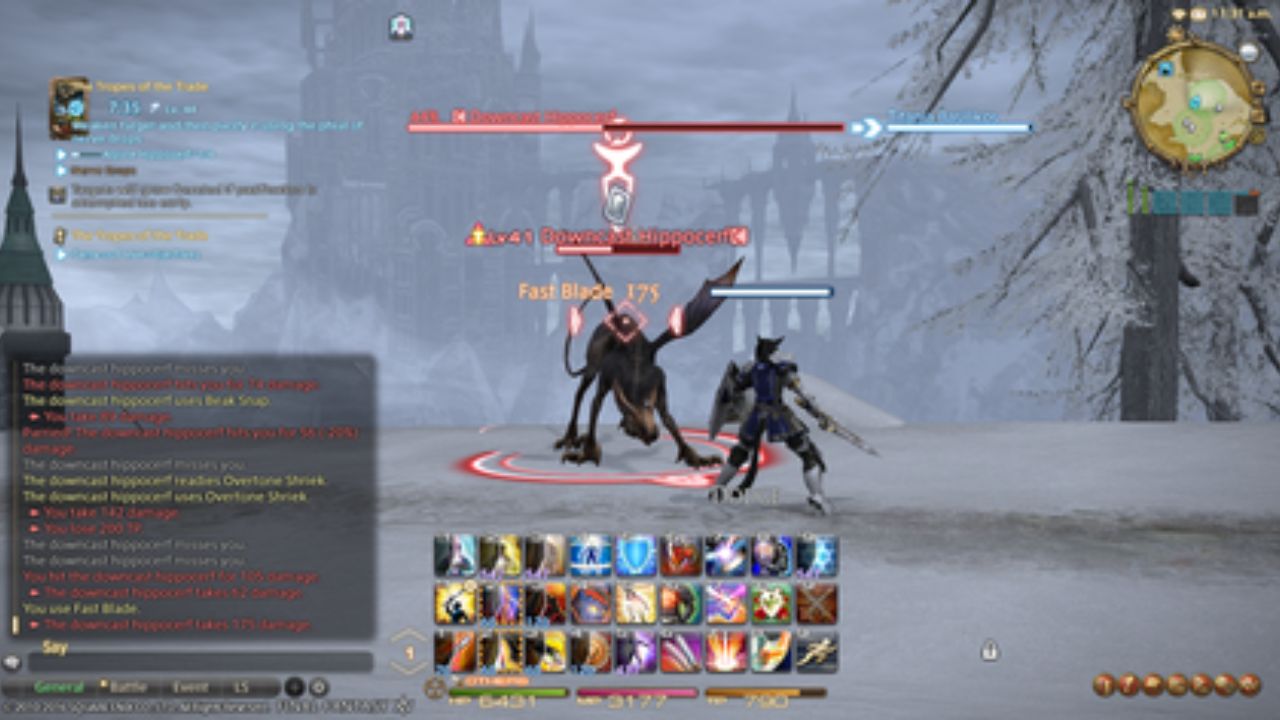
Final Fantasy XIV launched in a state that disappointed many longtime fans due to performance issues and unclear design choices. Square Enix took the rare step of rebuilding the game almost entirely, relaunching it as A Realm Reborn with improved systems, clearer progression, and a stronger narrative foundation. Regular expansions refined combat, improved social features, and expanded the world in structured ways across regions, classes, and story arcs for returning players. This long-term commitment transformed the game’s reputation and drew back players who had left after the original release.
3. Cyberpunk 2077

Cyberpunk 2077 arrived with technical problems that overshadowed its setting and story, particularly on older consoles. Over time, extensive patches addressed performance, stability, and gameplay balance issues across platforms. Major updates refined police behavior, crowd systems, and character progression, improving how the city feels to explore. The addition of new content and systems helped the experience feel more complete. These sustained improvements encouraged many players to return and experience the game in a more stable and cohesive state, offering smoother exploration, clearer mechanics, and more consistent overall performance for returning players.
4. Fallout 76
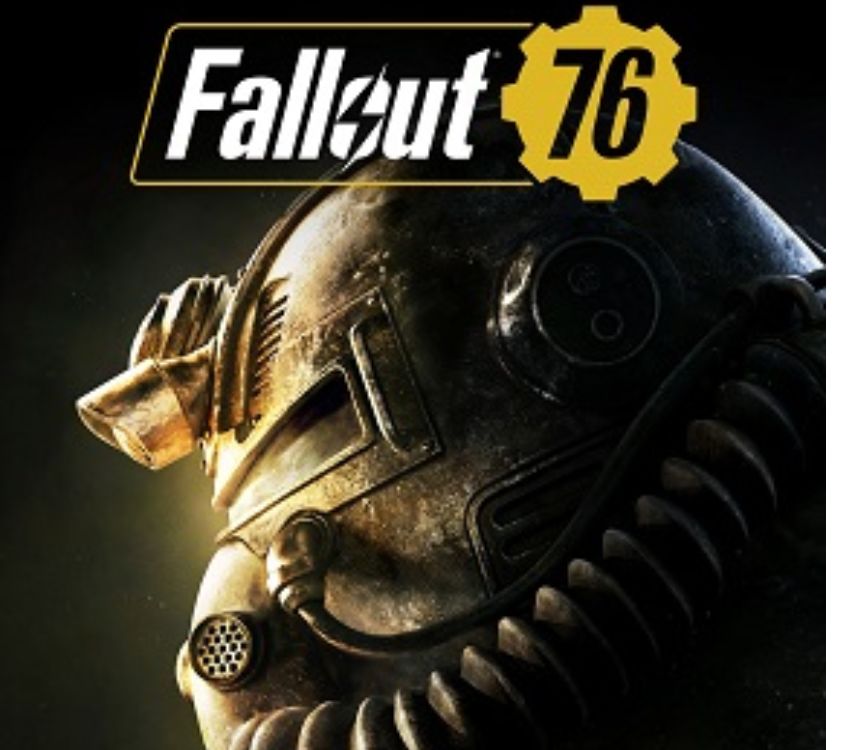
Fallout 76 launched without traditional NPCs and suffered from technical issues that limited immersion and overall stability at launch. Subsequent updates introduced human characters, questlines, and narrative choices that better reflected series expectations. Performance improvements and interface adjustments made exploration and combat more reliable. Seasonal content and events added structure to long-term play, giving returning players clearer goals. Over time, these changes reshaped how the game was perceived and made the world feel more responsive to player actions.
5. Rainbow Six Siege
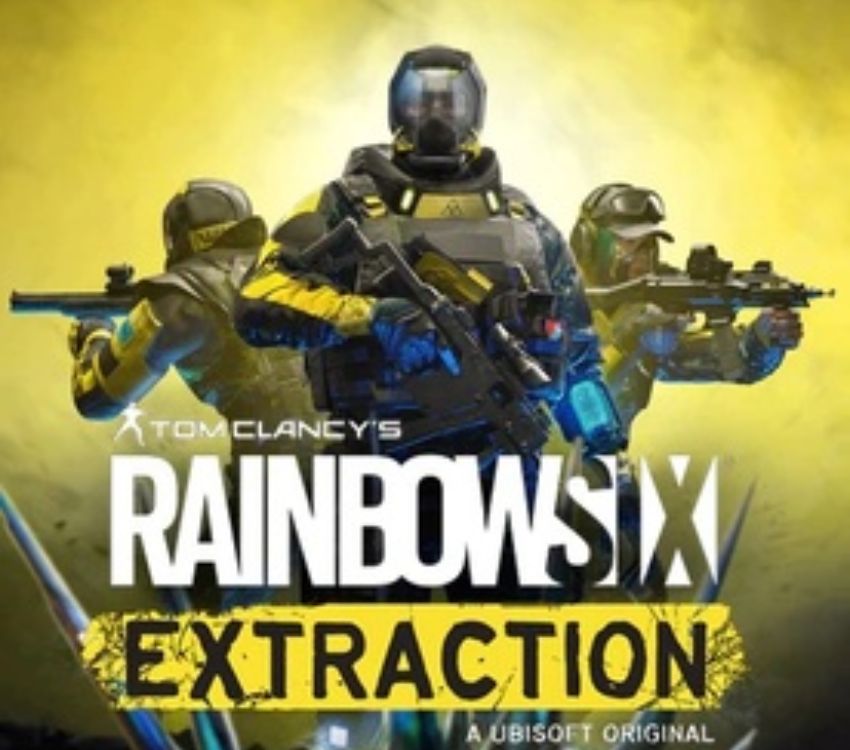
Rainbow Six Siege initially faced criticism for limited content and server instability at launch. Ubisoft focused on long-term updates that expanded maps, operators, and tactical options while improving performance across multiple regions over several years. Balance patches refined competitive play and encouraged diverse strategies. Ongoing seasonal content kept the community engaged and introduced new mechanics without replacing the core experience. The steady improvements helped the game grow into a long-running competitive platform, bringing back players who had left during its early, uneven period.
6. Diablo III
Diablo III’s early release was affected by server issues and progression systems that frustrated players. Blizzard later reworked core mechanics, including loot systems and difficulty scaling, to make progression more satisfying. The Reaper of Souls expansion introduced new content and refined endgame activities. Ongoing seasonal updates provided rotating challenges that encouraged experimentation with builds. These changes gradually improved the overall experience, making the game more approachable and motivating former players to return for a more balanced progression loop.
7. Assassin’s Creed Unity

Rainbow Six Siege initially faced criticism for limited content and server instability at launch. Ubisoft focused on long-term updates that expanded maps, operators, and tactical options while improving performance across multiple regions over several years. Balance patches refined competitive play and encouraged diverse strategies. Ongoing seasonal content kept the community engaged and introduced new mechanics without replacing the core experience. The steady improvements helped the game grow into a long-running competitive platform, bringing back players who had left during its early, uneven period.
8. The Division
The Division launched with a compelling setting but struggled with balance issues and endgame content that limited long-term engagement. Ubisoft introduced updates that reworked loot systems, enemy scaling, and mission structure to create more consistent progression. Performance and stability improvements made group play smoother across platforms and regions for players. New activities and seasonal events added variety for returning players. Over time, these refinements created a more cohesive experience that rewarded continued play and encouraged players who left early to revisit the game.
9. Star Wars Battlefront II
Star Wars Battlefront II faced backlash at launch due to progression systems that affected gameplay balance. The developers removed controversial mechanics and reworked progression to focus on earned rewards. Regular content updates added new characters, locations, and modes that expanded replay value. Performance and balance adjustments improved competitive fairness. These changes shifted community perception and made the game more approachable for new and returning players. The ongoing support helped rebuild trust and reframe the game around its core combat experience.
10. Sea of Thieves
Sea of Thieves launched with a strong core concept but limited activities for long-term play. Rare introduced updates that added story-driven voyages, new enemy types, and expanded progression systems. Technical improvements made cooperative play smoother across platforms. Seasonal content and limited-time events provided ongoing goals and reasons to return. Over time, the game developed into a broader shared-world experience, offering more variety and structure for both new and returning players. These additions encouraged players to revisit the seas and explore new content regularly.
11. Battlefield 4

Battlefield 4 launched with widespread stability and performance issues that disrupted multiplayer experiences across platforms worldwide at launch. DICE prioritized technical fixes, server stability, and netcode improvements over time. Content updates expanded maps and modes, while balance changes refined weapon and vehicle play. As performance improved, the large-scale battles became more consistent and enjoyable. The commitment to long-term support helped restore player confidence and encouraged those who left early to return and experience smoother, more reliable multiplayer sessions.
12. Destiny
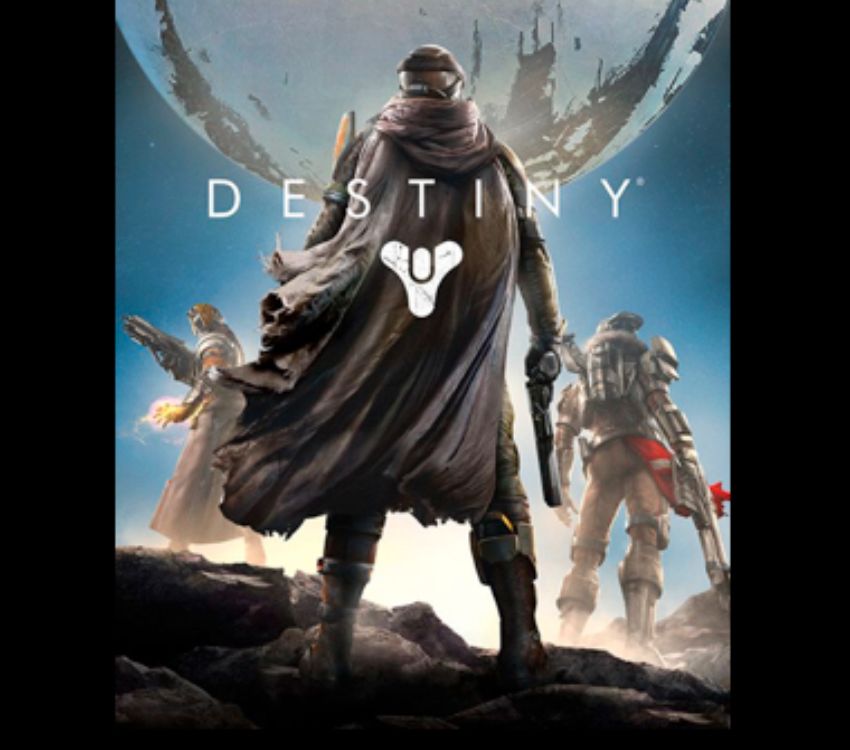
Destiny’s initial release offered strong combat but limited narrative clarity and endgame structure for many dedicated early players worldwide. Bungie expanded the game with updates that added story content, refined loot systems, and improved progression clarity over multiple major seasons. Quality-of-life improvements made activities more accessible for solo and group play. Over time, expansions introduced clearer goals and a more structured endgame loop. These changes helped define the game’s identity and encouraged returning players to engage with a more complete and organized experience.