


Video games usually cast us as heroes. We step into worlds that need saving, face enemies that must be defeated, and follow missions that feel morally clear. The structure is familiar and comforting: there is evil, and we are there to stop it. But some games do something far more daring. They slowly unravel the illusion of heroism and force us to question our actions, motivations, and assumptions. Sometimes it happens through a shocking twist. Other times, it’s a gradual realization that settles in long after the credits roll. These are the games that make you look back and wonder if you were ever the hero at all.
1. BioShock
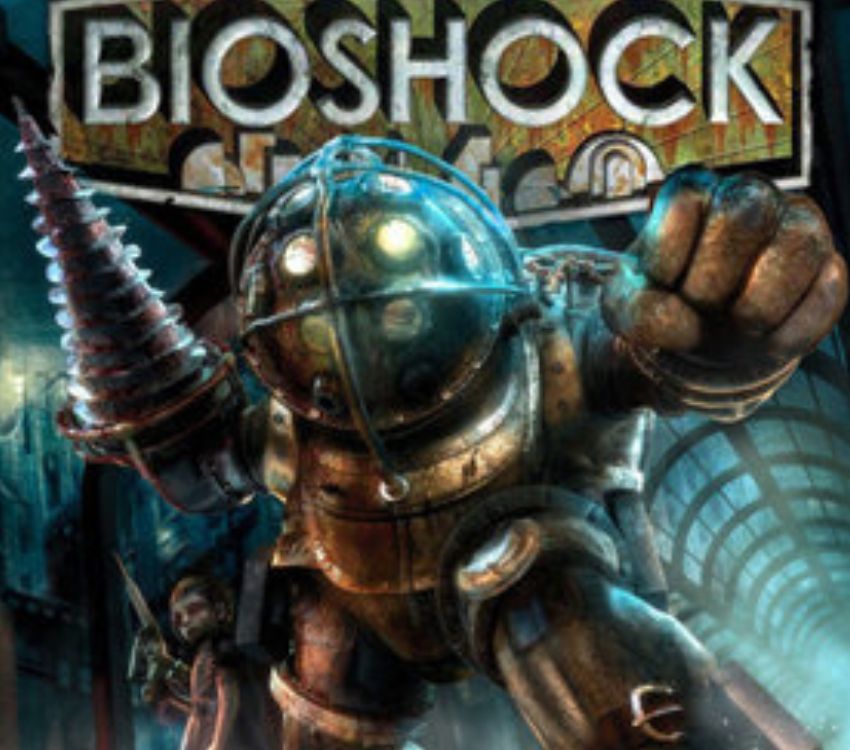
BioShock begins as a straightforward survival story set in the underwater city of Rapture, a failed utopia built on radical individualism. As you fight through splicers and unravel the mystery behind the city’s collapse, you believe you are simply trying to escape a nightmare. Every objective feels logical, every command necessary for survival. The shocking revelation that you have been mentally conditioned to obey the phrase “Would you kindly?” reframes everything. You weren’t making heroic choices; you were following orders without free will. The game cleverly mirrors player behavior itself, questioning how easily we accept objectives without thinking about their consequences. In the end, you weren’t Rapture’s savior. You were its most obedient weapon.
2. Spec Ops: The Line
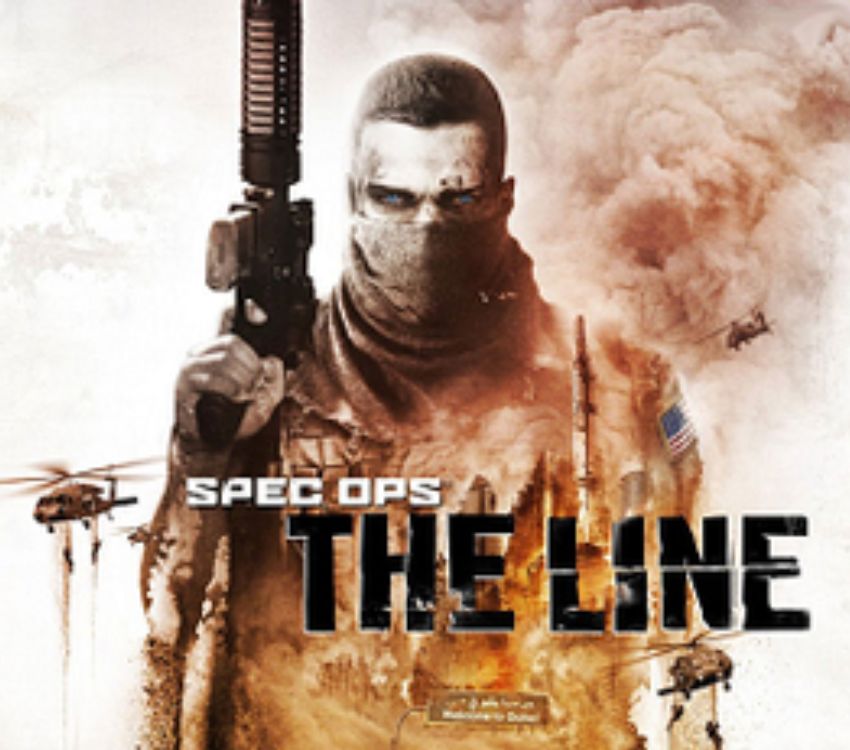
Spec Ops: The Line presents itself as a typical military shooter, placing you in the role of Captain Martin Walker on a mission to investigate a ruined Dubai. At first, the game feels familiar: enemies are clearly marked, your mission appears noble, and your presence seems justified. You believe you are there to restore order and save lives. As the story progresses, however, Walker’s decisions become increasingly reckless and destructive. The infamous white phosphorus sequence forces players to confront the horrifying consequences of their actions, revealing civilian casualties caused by their command. By the end, it becomes clear that Walker’s obsession with being the hero has only deepened the tragedy.
3. Shadow of the Colossus
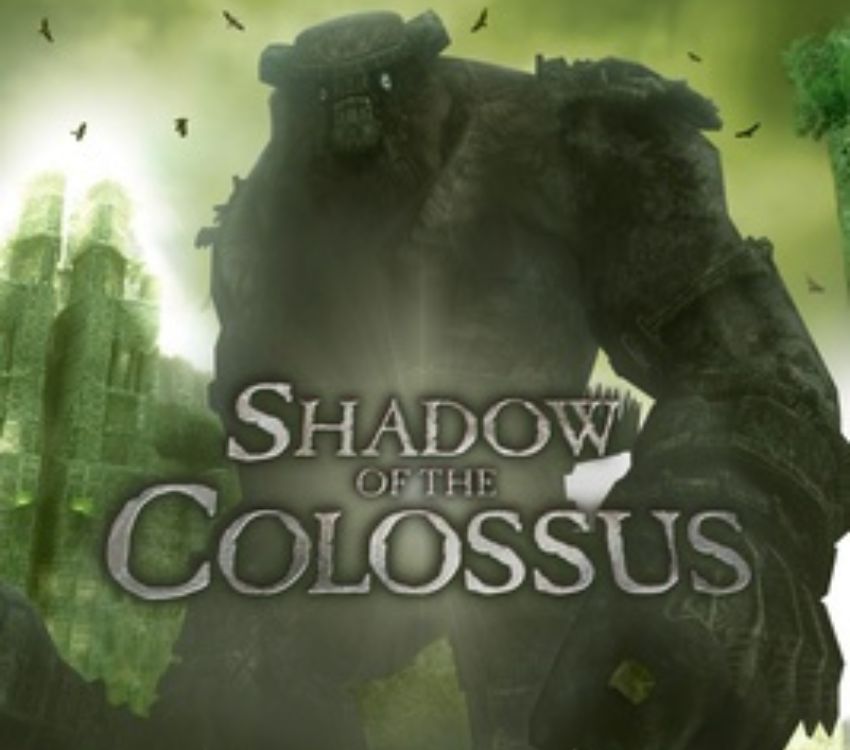
In Shadow of the Colossus, you play as Wander, a young man who makes a desperate bargain to resurrect a girl named Mono. To fulfill this deal, you must slay sixteen towering colossi scattered across a vast, empty land. Each battle feels epic, and at first, defeating these giants seems like a necessary sacrifice for love. Yet the colossi do not behave like villains. They appear as peaceful, ancient, and isolated creatures defending themselves rather than threatening the world. With every victory, Wander physically deteriorates, and the mood grows heavier. By the time the truth is revealed, it becomes clear that your quest has unleashed something far more dangerous. What began as a romantic mission ends as a cautionary tale about selfish devotion and unintended consequences.
4. Braid
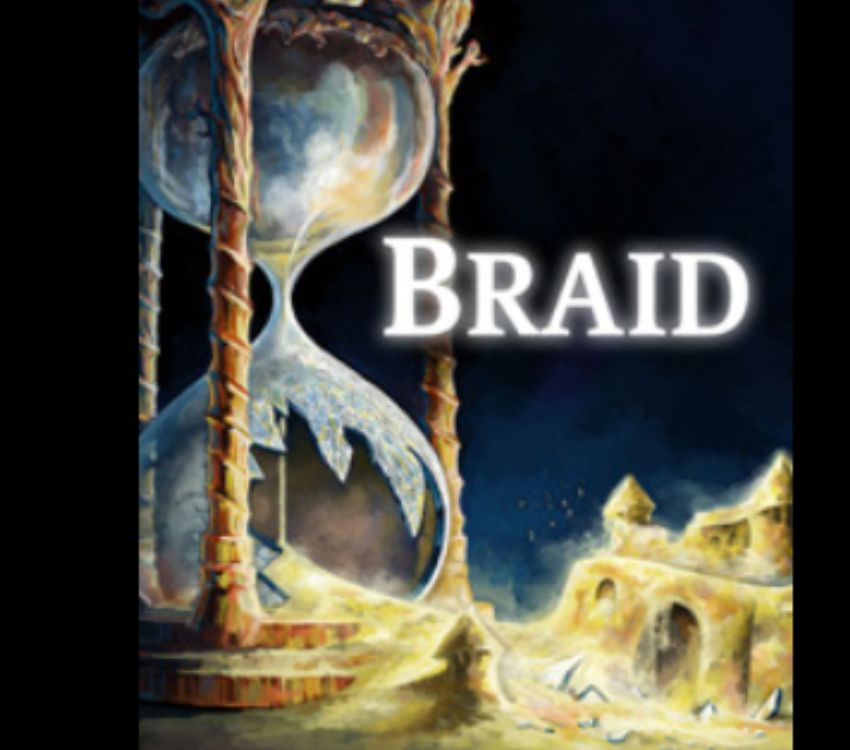
Braid initially feels like a charming puzzle-platformer about rescuing a princess from a monster. The time-rewinding mechanic reinforces the idea that mistakes can be undone and wrongs can be corrected. You guide Tim through beautifully painted worlds, believing you are working toward a traditional fairy-tale ending. In the final moments, the game reverses your understanding entirely. As time flows backward, it becomes evident that the princess was not running toward safety but away from you. The so-called hero is revealed to be an obsessive pursuer, reframing the entire journey in a disturbing light.
5. Star Wars: Knights of the Old Republic
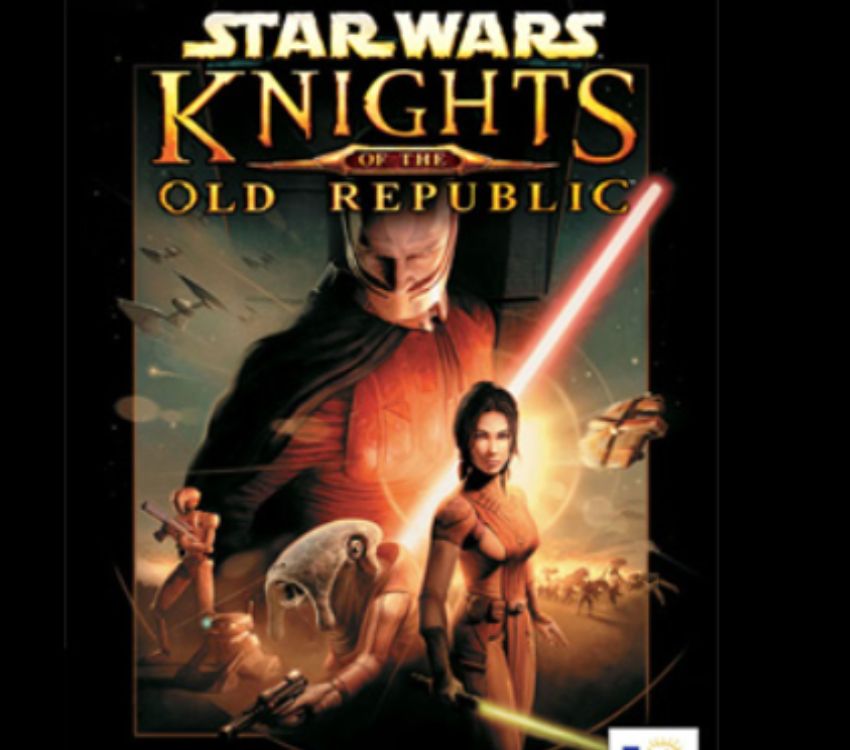
Knights of the Old Republic casts you as a rising hero in the battle between the Republic and the Sith. You train as a Jedi, build alliances, and slowly become central to the galaxy’s fate. Your journey feels like a classic redemption arc in the making. Then comes the stunning revelation: you are Darth Revan, the former Sith Lord responsible for widespread destruction. Your memories were erased in an attempt to reform you into a weapon against your former empire. Suddenly, your heroic rise is overshadowed by a dark past. The twist forces you to confront whether identity is defined by memory, choice, or history, and whether a villain can truly become a hero.
6. Undertale
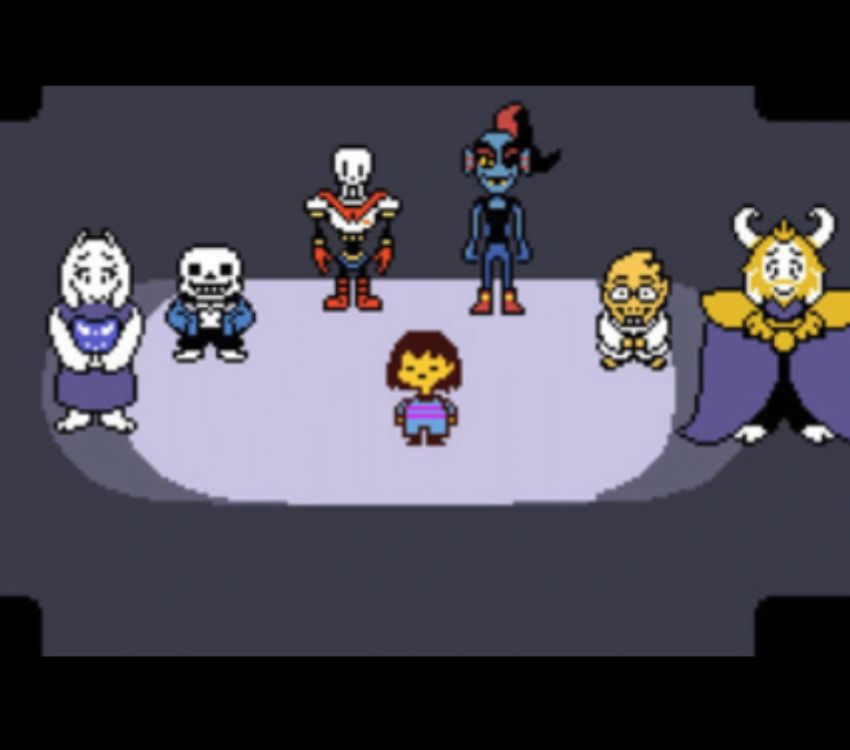
Undertale offers players an unusual amount of freedom, allowing you to resolve conflicts peacefully or eliminate every enemy you encounter. At first, combat feels like any traditional RPG system, rewarding violence with experience and strength. The choice seems mechanical rather than moral. However, choosing the Genocide route transforms the game’s tone entirely. Characters become fearful, the world empties, and the soundtrack grows ominous. By the time you confront the final obstacles, the game openly acknowledges that you are the monster everyone fears. Undertale doesn’t trick you into villainy; it simply allows you to embrace it and then refuses to forget what you’ve done.
7. The Last of Us Part II
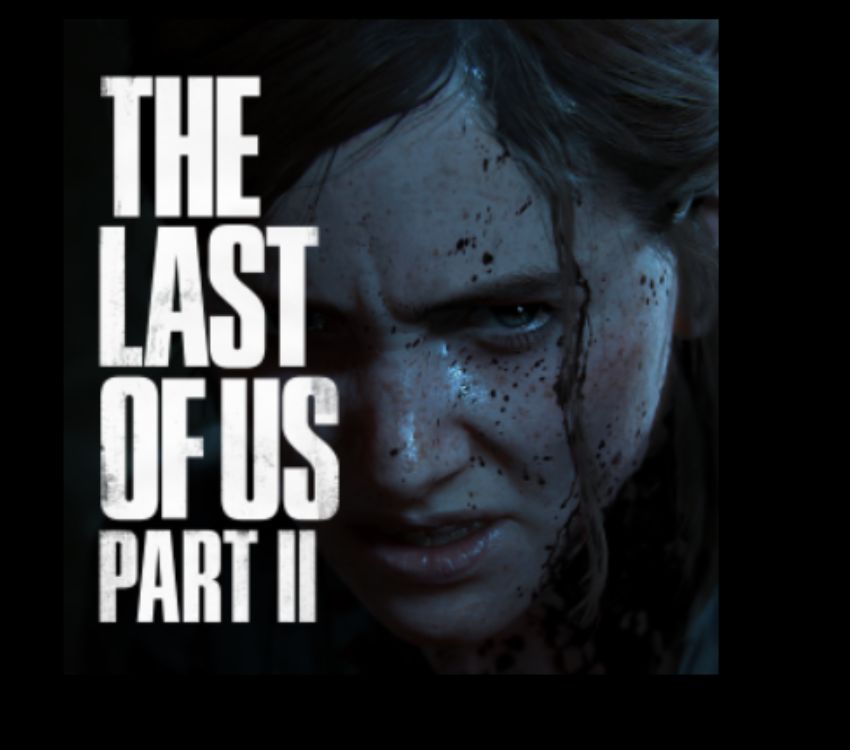
The Last of Us Part II begins with a deeply personal quest for revenge. Playing as Ellie, your anger feels justified, and your mission is clear. Each confrontation seems like another step toward justice in a brutal, unforgiving world. Midway through the story, the perspective shifts to Abby, the person Ellie has sworn to kill. Suddenly, the narrative complicates everything you believed. Abby has her own losses, her own motivations, and her own humanity. By forcing players to inhabit both sides of the conflict, the game dismantles the idea of a singular hero and reveals a cycle of violence where everyone is both victim and villain.
8. Far Cry 3
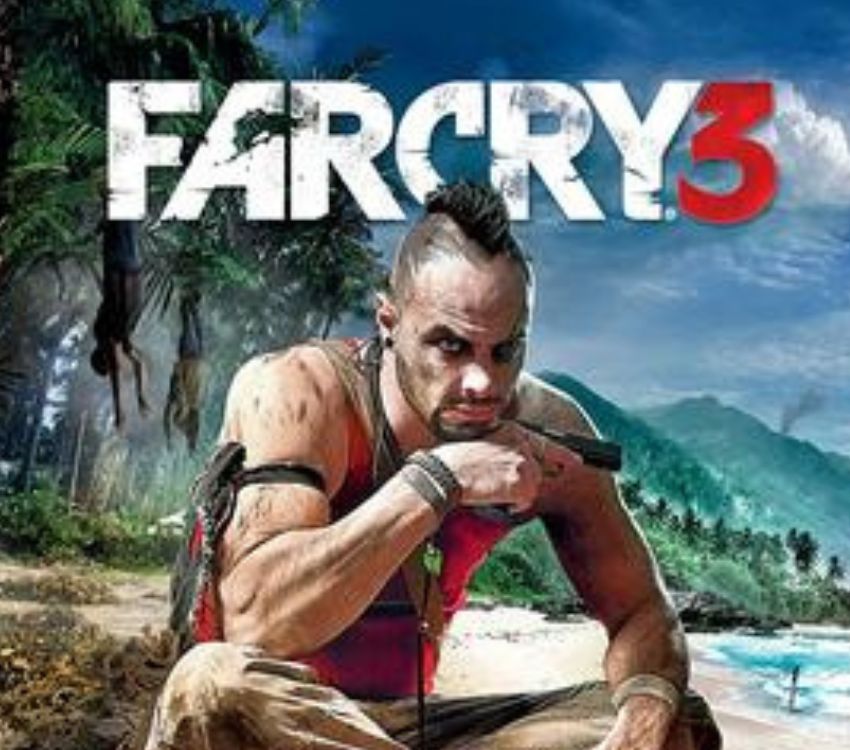
Far Cry 3 introduces Jason Brody as an ordinary young man stranded on a dangerous island. At first, survival is his only concern, and violence feels like a necessary means to protect himself and his friends. His fear and inexperience make him relatable. As the game progresses, Jason grows increasingly comfortable with killing. His dialogue shifts from panic to exhilaration, and he begins to embrace the chaos around him. The island does not just challenge him, it reshapes him. By the end, it becomes unclear whether he has truly saved anyone or whether he has simply discovered a darker side of himself that was always waiting to emerge.
9. Metal Gear Solid V: The Phantom Pain
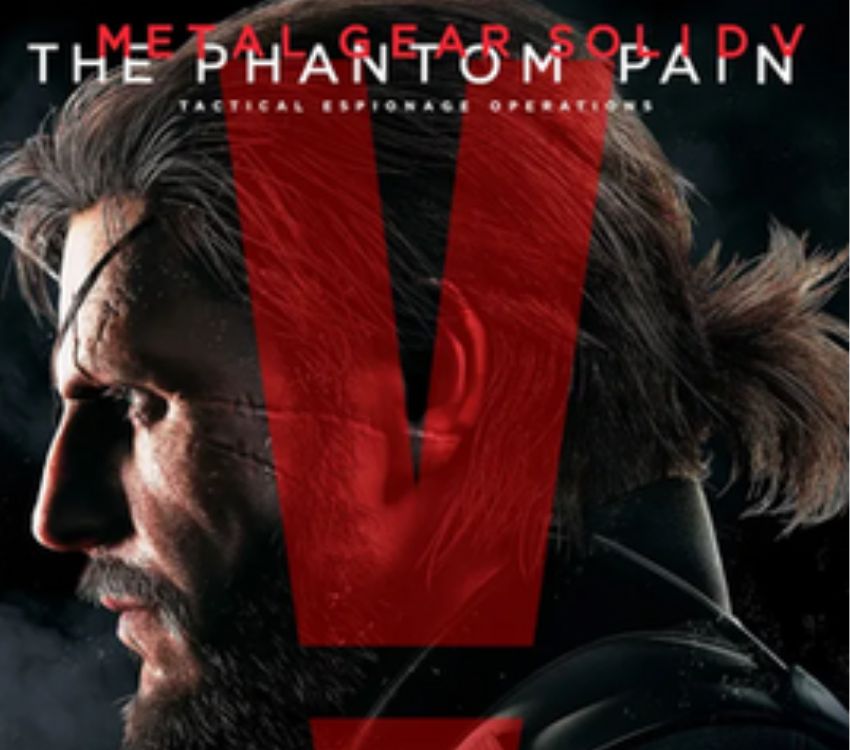
Metal Gear Solid V places you in the role of Big Boss, rebuilding a private army while navigating global conspiracies. You establish a powerful military force and operate with the belief that your actions serve a greater purpose. The game reinforces the idea that you are shaping history. The final twist reveals that you are not the true Big Boss but a body double surgically altered and psychologically conditioned to believe you are him. Your identity was sacrificed to preserve a legend. Rather than being the architect of history, you were a pawn sustaining a myth built on war. The revelation casts your entire journey in a tragic light.
10. Silent Hill 2
Silent Hill 2 follows James Sunderland as he searches for his deceased wife after receiving a mysterious letter from her. The fog-covered town is filled with grotesque creatures that appear to stalk and torment him. At first, James seems like a grieving husband seeking closure. As the layers of the story peel back, it becomes clear that James killed his wife during her prolonged illness. The monsters are manifestations of his guilt and denial, and the town itself acts as a psychological purgatory. James was never a hero trying to rescue someone; he was a man running from his own crime.
11. Prototype
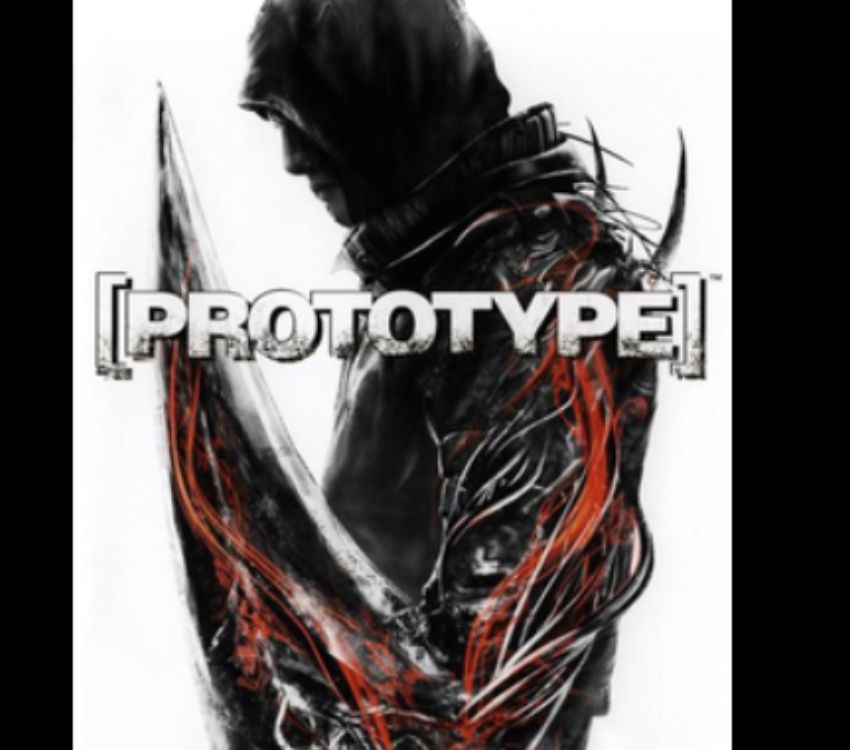
Prototype begins with Alex Mercer awakening in a morgue with no memories and extraordinary shapeshifting abilities. A viral outbreak has devastated New York City, and Alex appears to be another victim caught in the chaos. His quest for answers feels like a path toward justice. Eventually, it is revealed that the real Alex Mercer died, and the being you control is the virus itself, assuming his form. You are not a man infected by a bio-weapon; you are the bio-weapon. The game blurs the line between identity and imitation, forcing players to question whether the creature they control can truly claim humanity.
12. Inside
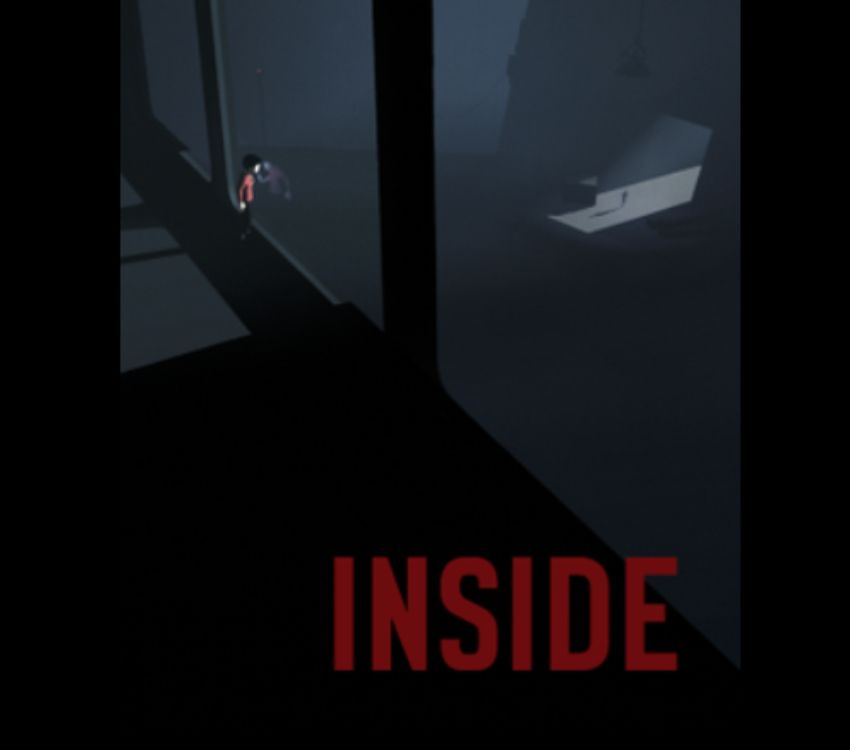
Inside tells its story without dialogue, following a young boy navigating a bleak world of surveillance and experimentation. The atmosphere suggests that he is a helpless victim fleeing oppressive forces. Every step forward feels like a desperate escape attempt. In the final moments, the narrative shifts dramatically, implying that the boy may have been manipulated or even controlled by the monstrous entity at the center of the facility. The line between victim and participant blurs completely. Rather than a simple escape story, Inside leaves players questioning who was truly in control from the very beginning.