


Arcades were once packed with bright cabinets, flashing lights, and the unmistakable sounds of quarters dropping into slots. During the late ‘80s and ‘90s, popular cartoons didn’t just dominate television; they also made their way into arcades. Developers knew that recognizable characters could instantly draw crowds, and cartoon tie-ins became a reliable way to fill arcade floors with excited fans. While some licensed games became legendary and still receive modern ports, others quietly faded into obscurity as arcades declined and home consoles took over. Many players remember spotting these machines in pizza parlors, malls, or movie theaters, but fewer remember just how fun, chaotic, or surprisingly polished they actually were.
1. The Simpsons Arcade Game
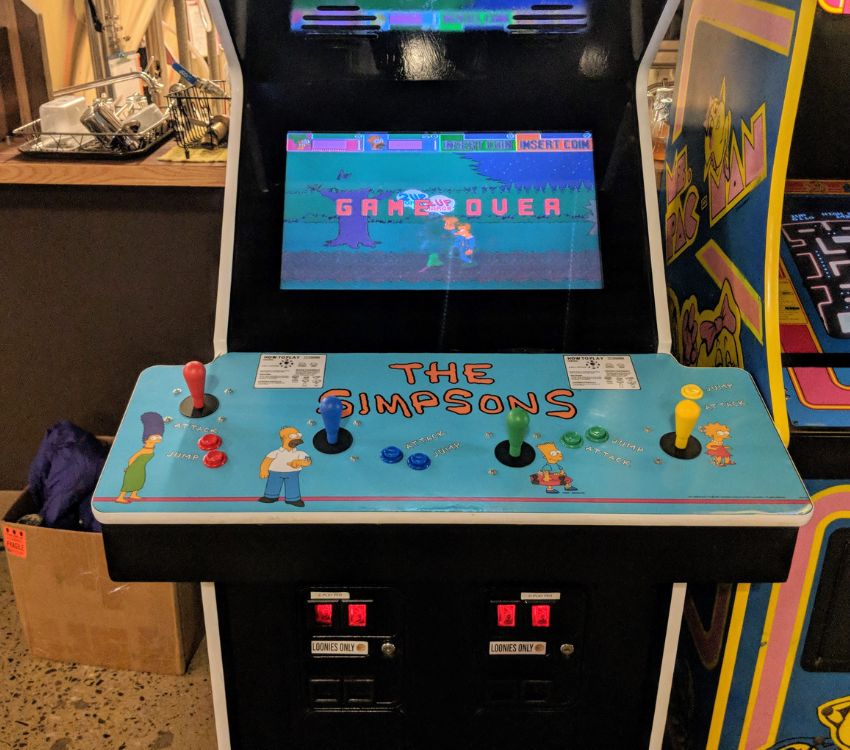
Based on the hit animated series The Simpsons, this colorful four-player beat ’em up was once a staple of arcades. Players could choose Homer, Marge, Bart, or Lisa, each wielding humorous weapons like Marge’s vacuum cleaner or Bart’s skateboard. The vibrant visuals, exaggerated animations, and cartoon-style humor made it feel like stepping directly into a playable episode packed with slapstick chaos and Springfield references. Despite its early popularity, the game faded as arcades declined and cabinets disappeared. With few home re-releases, it slipped from mainstream memory. Many gamers remember crowding around the machine, but not the specific levels or bosses they faced before running out of quarters.
2. Teenage Mutant Ninja Turtles: Turtles in Time
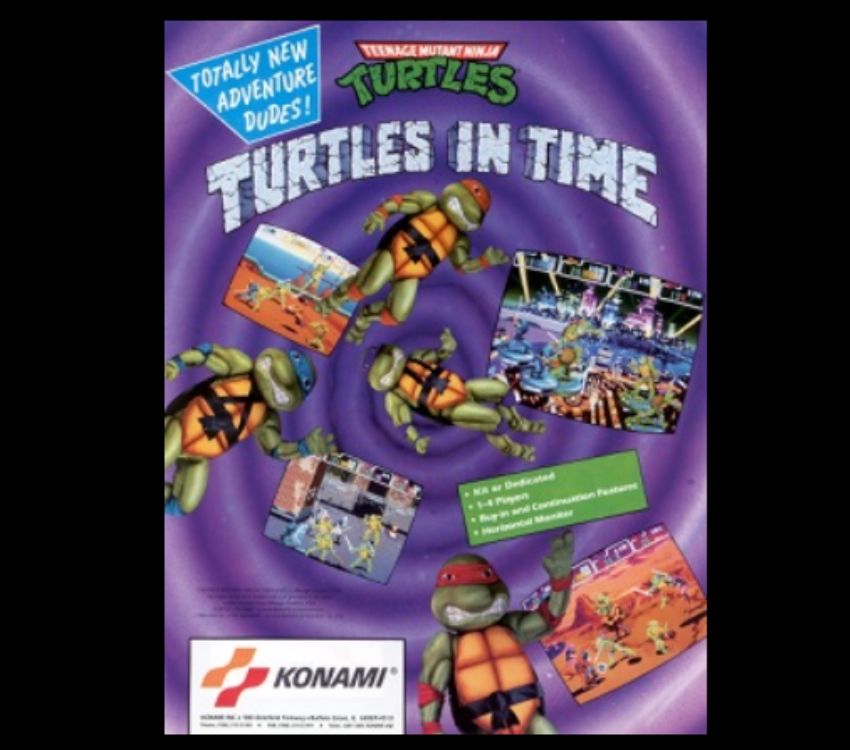
Inspired by the ever-popular Teenage Mutant Ninja Turtles cartoon, this arcade sequel improved on its predecessor with time-traveling stages, flashy special moves, and smoother cooperative combat. Up to four players could battle Shredder’s forces across prehistoric landscapes, pirate ships, and futuristic cities, all brought to life with colorful sprite work and energetic sound effects that echoed through busy arcades. While the SNES version is often remembered and replayed, the original arcade cabinet sometimes gets overshadowed in discussions of retro gaming. Many players forget just how lively.
3. Bucky O’Hare
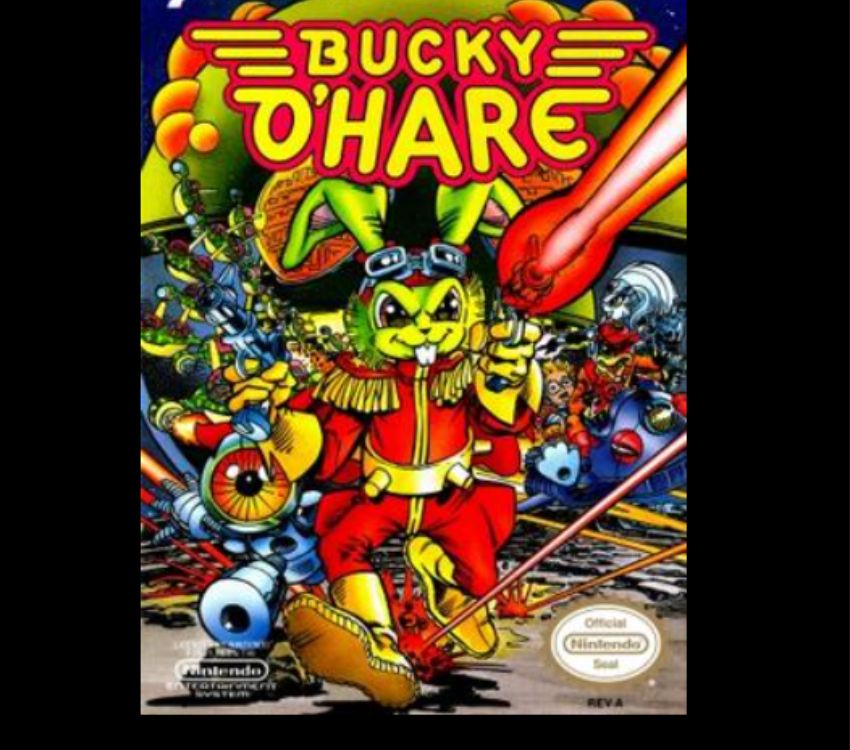
Based on the short-lived but cult-classic cartoon Bucky O’Hare and the Toad Wars!, this side-scrolling run-and-gun arcade game allowed players to choose from multiple characters, each with unique abilities and weapons. Its colorful alien worlds, detailed backgrounds, and fast-paced shooting mechanics helped it stand out among other licensed arcade games of the era. However, because the cartoon itself didn’t last long, the arcade adaptation faded quickly from public awareness. Players remember its tough difficulty, massive bosses, and impressive sprite work that pushed arcade hardware. Today, it’s a hidden gem of the licensed arcade era, cherished by retro fans but mostly forgotten by casual players.
4. The Adventures of Batman & Robin
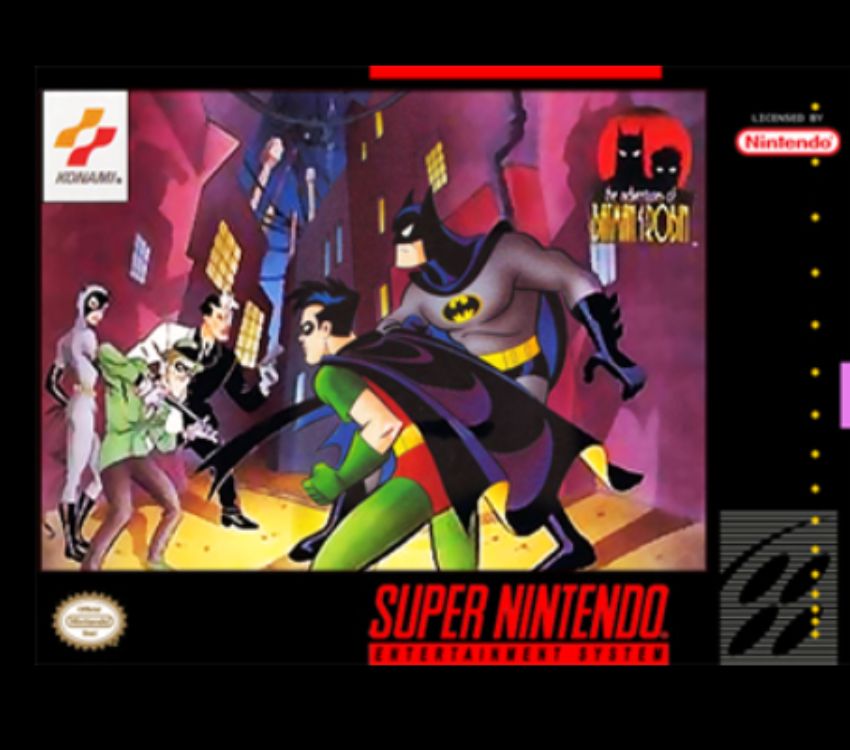
Drawing inspiration from Batman: The Animated Series, this arcade beat ’em up featured dramatic lighting, stylized character designs, and moody backdrops faithful to the show’s darker tone. Players battled through Gotham City streets, rooftops, and villain hideouts in cooperative combat that blended gadget use with traditional brawling mechanics. While console versions are more commonly discussed among collectors, the arcade edition is often forgotten due to its limited distribution. Its polished animation and cinematic style made it stand out, but it never gained the popularity of brighter cartoon tie-ins. Many fans didn’t even know an arcade version existed, making it one of the most overlooked games on this list.
5. X-Men
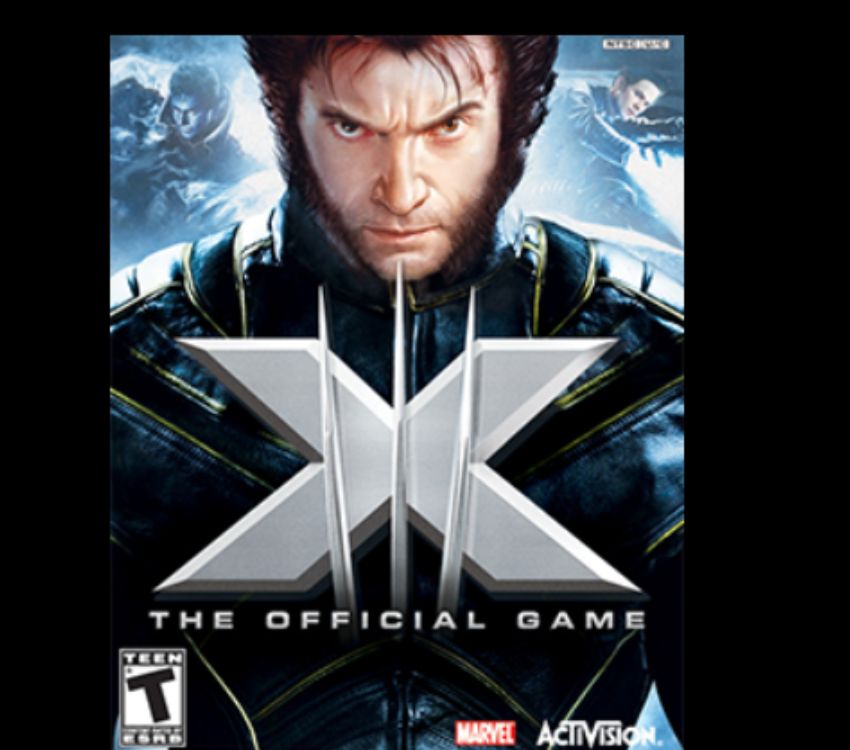
Although rooted in Marvel Comics, this arcade hit was heavily inspired by the popularity of the X-Men, which helped define superhero cartoons of the ‘90s. The cabinet famously supported up to six players at once, creating chaotic co-op sessions filled with flashing powers, oversized bosses, and dramatic voice clips that became instant arcade highlights. Despite its size and spectacle, the game didn’t maintain the same long-term cultural visibility as some other superhero adaptations. As arcades closed, its massive dual-screen cabinet became rare, and many players have only seen it in photos. For those who played with a full team, it remains an unforgettable burst of chaotic multiplayer fun.
6. Sailor Moon
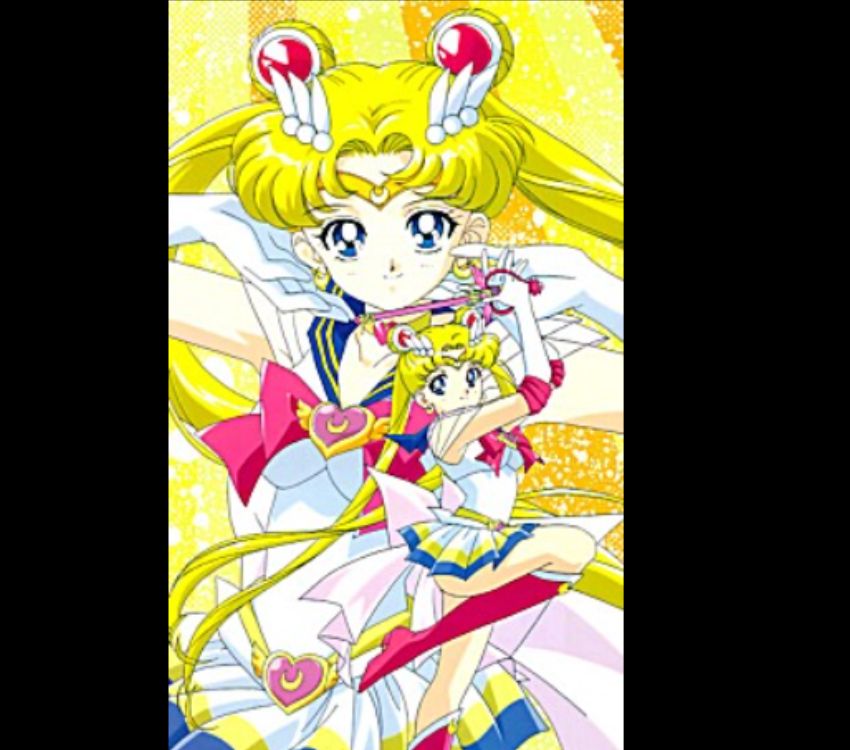
Based on the globally popular anime Sailor Moon, this side-scrolling beat ’em up featured the Sailor Guardians battling villains in bright, pastel-colored stages that mirrored the show’s aesthetic. Special attacks filled the screen with sparkling effects, and the character animations closely resembled their animated counterparts. However, limited international distribution meant many Western arcade-goers never encountered this cabinet in person. As a result, it became more of a hidden import title than a mainstream hit in many regions. Fans revisiting it today are often surprised by how polished and faithful it feels compared to other licensed games of its time.
7. Captain America and The Avengers
Released during the rise of animated superhero programming in the early ‘90s, this arcade brawler drew clear inspiration from Marvel’s expanding cartoon presence. Players controlled Captain America, Iron Man, Hawkeye, or Vision in a colorful side-scrolling adventure filled with robotic enemies, comic-style explosions, and dramatic boss encounters. Although it enjoyed moderate success, it was overshadowed by flashier arcade hits and more recognizable cartoon brands. Its exaggerated voice clips are now meme-worthy among retro fans, and bold art direction gives it a nostalgic charm today.
8. The Flintstones
Based on the classic cartoon The Flintstones, this arcade beat ’em up allowed players to control Fred and Barney as they battled through prehistoric towns and dinosaur-filled landscapes. The game embraced bright colors, playful animations, and family-friendly combat that captured the spirit of the original show. Because it launched during the later years of arcade popularity, it never achieved the widespread recognition of earlier licensed cabinets. As arcades faded from malls and restaurants, so did this adaptation, leaving it as a faint but fond memory for players who once stumbled upon it.