

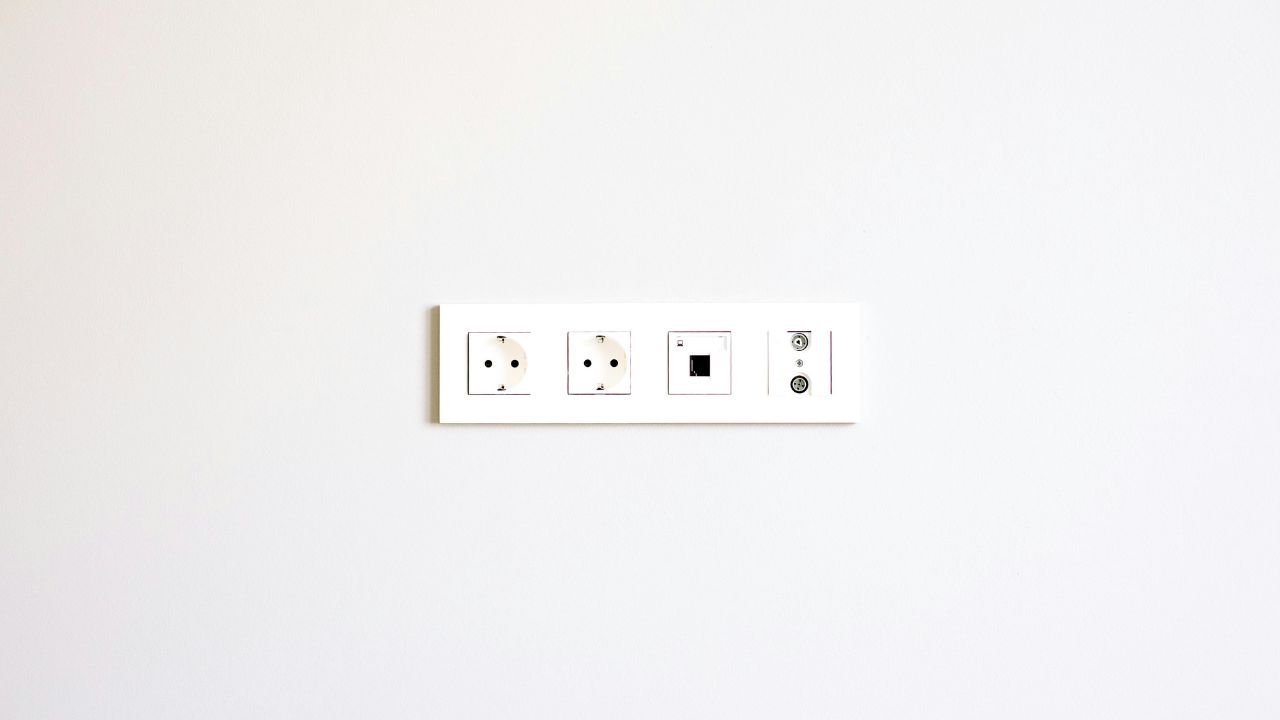

Ground Fault Circuit Interrupter (GFCI) outlets are a vital safety feature in any location where water and electricity may come into contact, such as kitchens, bathrooms, garages, basements, and outdoor areas. They work by constantly monitoring the electrical flow between hot and neutral wires. If even a tiny imbalance is detected, something as small as a 4–6 milliamp difference, the outlet immediately shuts off power to prevent electrical shock. While this makes GFCI outlets essential for personal safety, it also means they are extremely sensitive to normal electrical behavior found in many modern devices. Devices in gaming rooms and home offices often create small leakage currents or sudden power spikes that are harmless on normal outlets but can trigger frequent GFCI trips.
1. High-End Gaming PCs (Desktops)
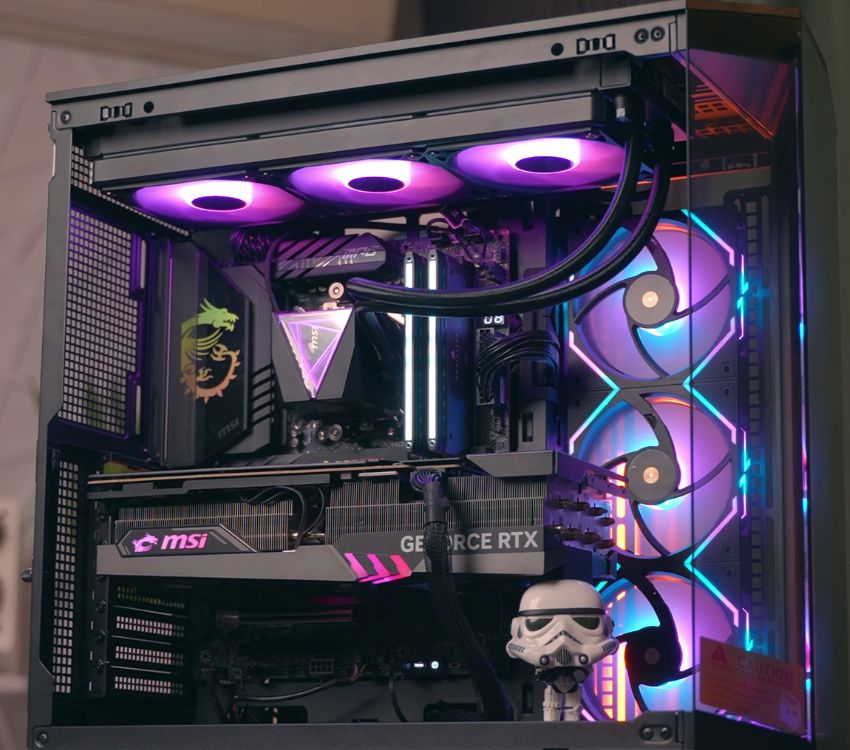
High-performance gaming desktops rely on powerful power supply units (PSUs) equipped with filters, capacitors, and electromagnetic interference (EMI) protection. These components naturally produce tiny amounts of leakage current that are considered safe and normal. Unfortunately, a GFCI outlet is sensitive enough to detect even this harmless behavior and may interpret it as a ground fault. The result is frequent, unpredictable tripping that can cause abrupt shutdowns, interrupting games or software processes. Gaming PCs have rapid power swings from GPUs, CPUs, pumps, and RGB systems, which can confuse a GFCI and trigger unwanted trips.
2. Multi-Monitor Gaming or Productivity Setups

While a single monitor typically won’t set off a GFCI, running two or three monitors, especially 144Hz, 240Hz, 4K, or ultrawide models, adds significant electrical load and leakage to the circuit. Each monitor has its own power supply and internal components that contribute a small amount of electrical noise. When combined, this cumulative leakage can exceed what the GFCI considers safe, causing it to trip even if no actual hazard exists. This is especially true when monitors wake up from sleep mode, change refresh rates, or power on simultaneously. These brief power surges can mimic faults, causing GFCI trips that interrupt work or gaming and risk data loss. Multi-monitor setups are best plugged into a standard, grounded outlet that can handle the load.
3. Uninterruptible Power Supplies (UPS Units)
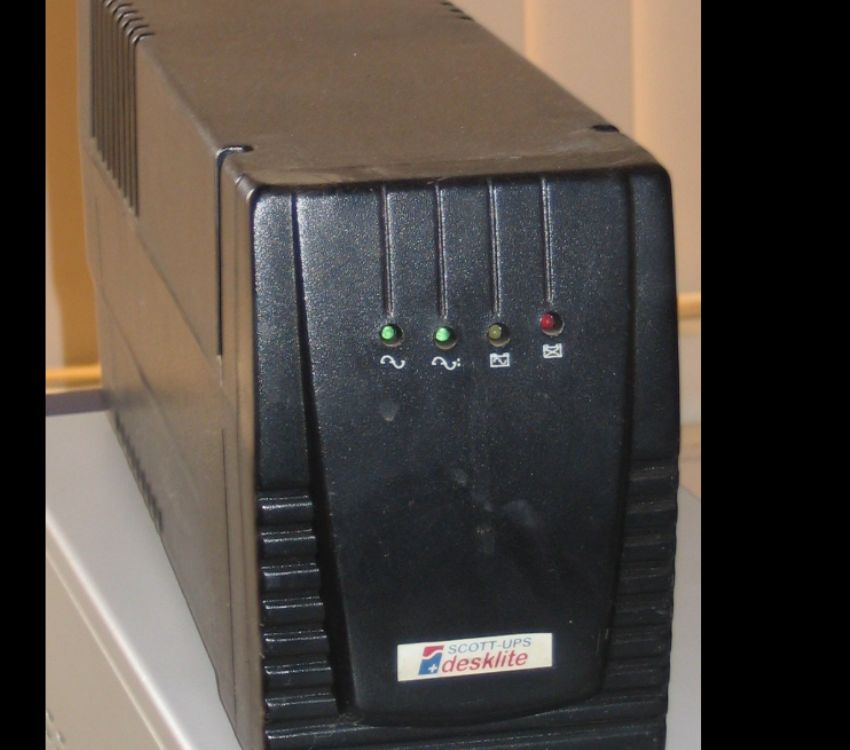
Uninterruptible Power Supplies (UPS units) are designed to keep electronics running smoothly during outages, but ironically, they can behave unpredictably when connected to a GFCI outlet. The internal components of a UPS, such as transformers, inverters, surge-suppression circuits, and battery chargers, introduce irregularities in the electrical flow that a GFCI may interpret as dangerous. Even though these fluctuations are normal for a UPS, they can trigger nuisance trips. Additionally, when a UPS switches from line power to battery mode or performs internal checks, it may create brief electrical imbalances. Because GFCIs are so sensitive, they can shut off power to the UPS and everything connected to it, defeating its purpose. For reliable backup power, a UPS should always be plugged into a standard outlet, not a GFCI.
4. Daisy-Chained Power Strips or Surge Protectors
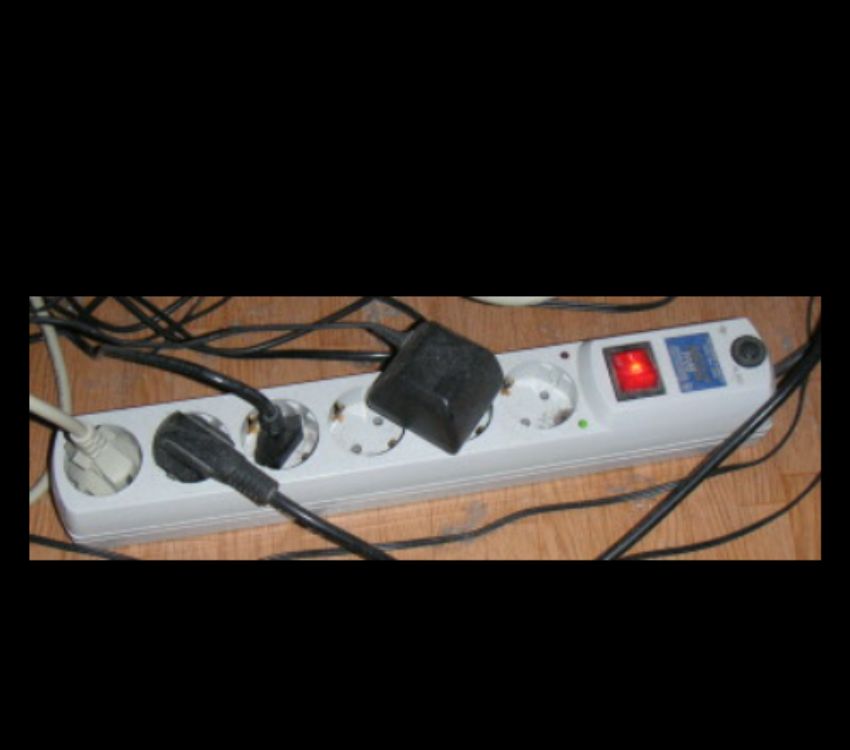
Power strips and surge protectors contain internal components like MOVs, filters, and indicator lights that generate small amounts of harmless electrical leakage. When you daisy-chain (connect one power strip to another), this leakage adds up quickly. On a GFCI outlet, the combined leakage can exceed the threshold needed to trigger the safety mechanism, causing frequent trips even at low loads. Daisy-chaining can overload the outlet, increasing the risk of surges that trigger the GFCI and create an unstable setup. It’s safer to use one high-quality surge protector on a standard, non-GFCI outlet.
5. High-Wattage Speakers and Subwoofers
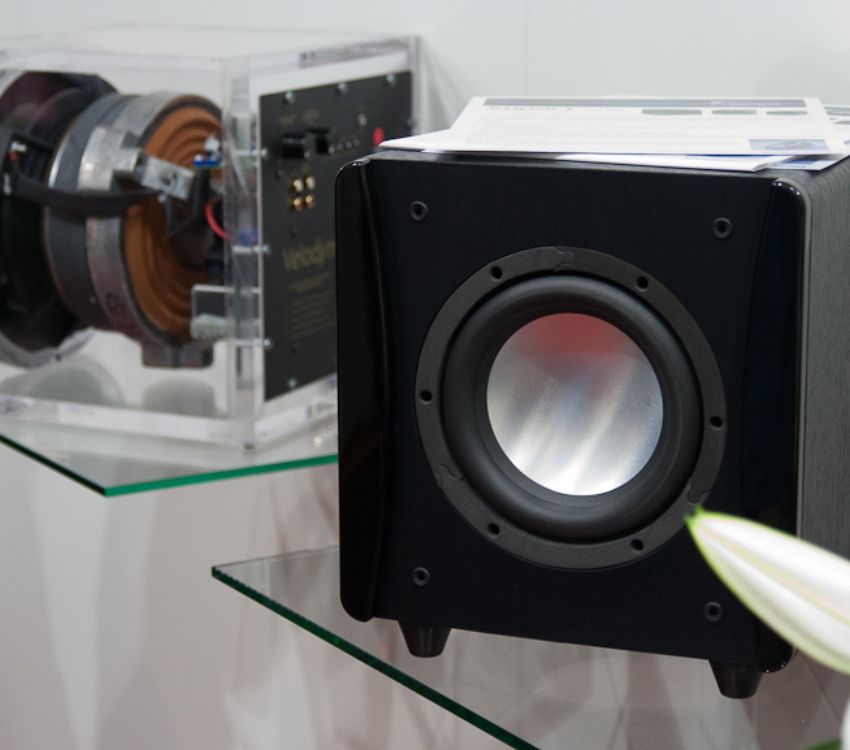
Subwoofers and amplifiers are known for drawing heavy power loads, especially during deep bass hits or high-volume playback. These devices often contain large internal capacitors that charge rapidly when powered on. This can create a momentary but significant fluctuation in electrical flow that a GFCI may interpret as a fault. As a result, the outlet may trip right as the audio system powers up or when loud music spikes. Audio equipment also typically includes noise filtration and amplification hardware that naturally produces small leakage currents. While harmless, these currents add up and can push a GFCI outlet past its tolerance level. Unexpected shutdowns can interrupt audio playback and even damage speakers, so subwoofers and amps should be plugged into standard outlets made for high-wattage equipment.
6. Laser Printers or Multifunction Printers
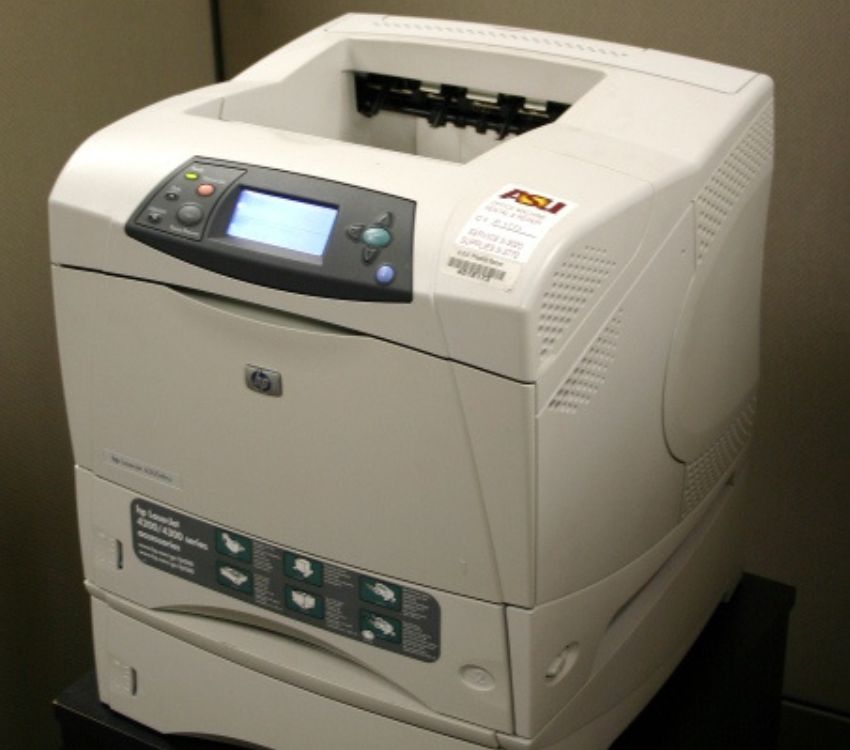
Laser printers rely on a heating element called a fuser, which quickly heats up to fuse toner to paper. When the fuser activates, it draws a sudden and significant amount of power, often causing a noticeable drop in current. To a GFCI outlet, this rapid change in draw can look like an electrical imbalance, leading to nuisance tripping. Frequent interruptions can ruin print jobs or require the printer to recalibrate repeatedly. Multifunction printers have motors and moving parts that create electrical noise, which increases as they age. This can confuse a GFCI and cause unwanted shutdowns, so for reliable performance, laser printers should use standard outlets instead.
7. Gaming Consoles Plugged Into Cheap Surge Protectors
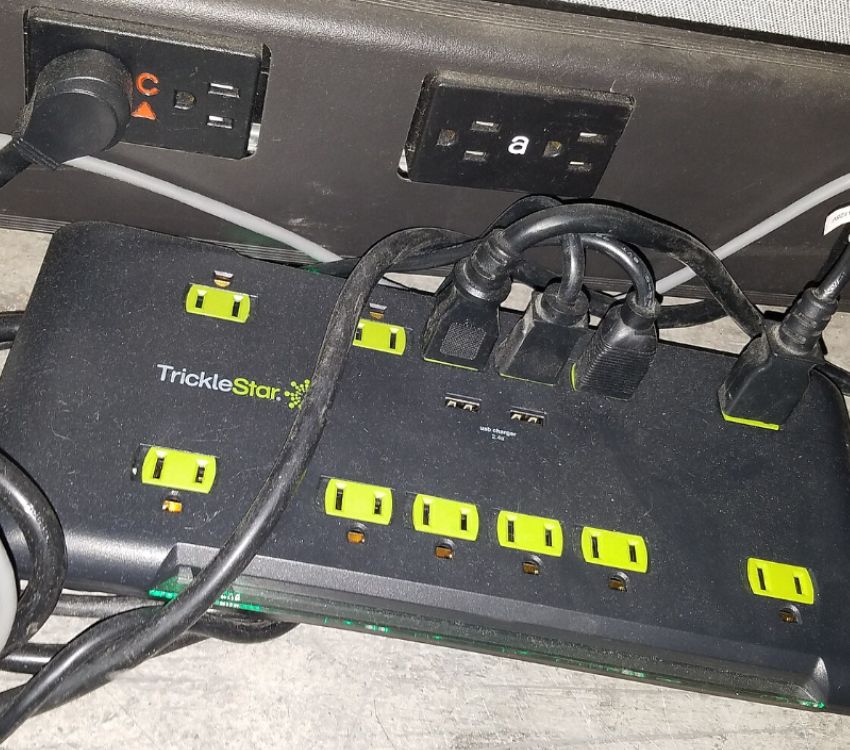
Modern gaming consoles like the PlayStation 5 and Xbox Series X generally operate fine on their own, but when paired with low-quality surge protectors, problems arise. Cheaper surge protectors often contain inferior components that generate inconsistent electrical behavior. This turbulence in the line can be detected by a GFCI outlet as a potential ground fault, leading to random tripping even though the console itself isn’t the issue. Because consoles are constantly updating and installing data, sudden power loss can corrupt files or trigger repair mode. Cheap surge protectors also degrade and add leakage, increasing GFCI trips. For safer, stable performance, plug consoles into a grounded outlet or a good surge protector on a non-GFCI circuit.
8. Portable Space Heaters or Air Coolers
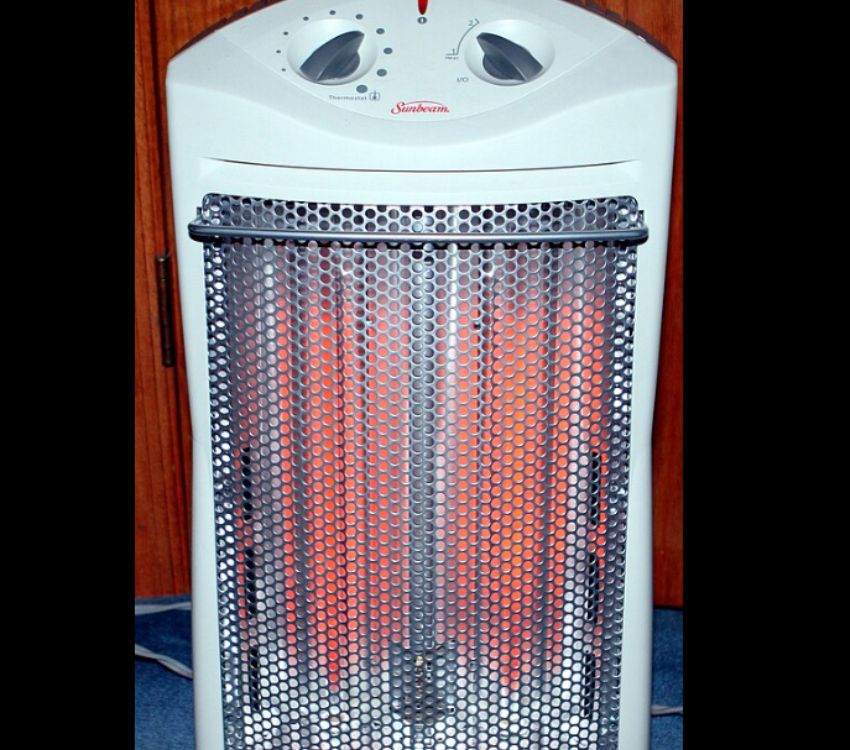
Portable space heaters consume a tremendous amount of power, often 1,500 watts or more, making them one of the highest-draw devices found in homes. When a heater cycles on and off to maintain temperature, it can cause abrupt, dramatic changes in power usage. GFCI outlets interpret these sudden fluctuations as faults, tripping frequently. This not only shuts off the heater but may also affect other connected devices on the same circuit. Portable air coolers and evaporative coolers can behave similarly, especially models with pumps and compressors that turn on intermittently. These devices create power spikes that can trip a GFCI and cause wear over time, so space heaters and coolers should use standard outlets instead.