

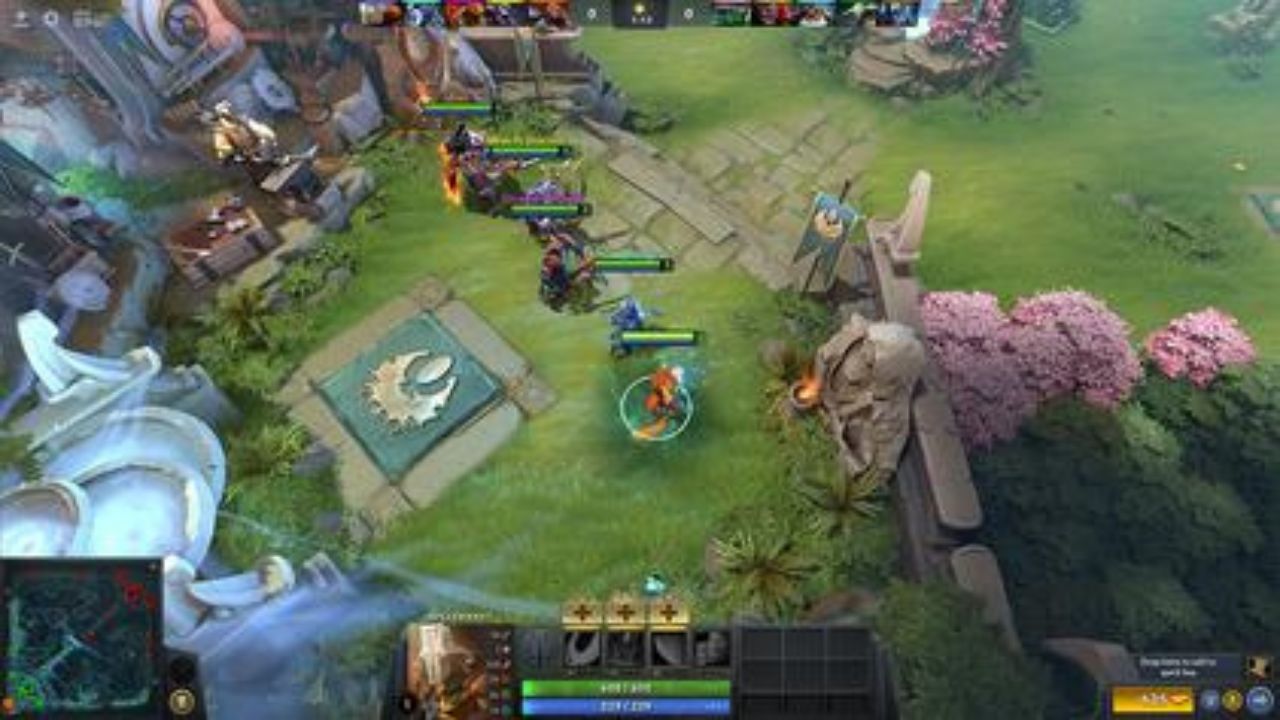

Dota 2 is a game where small habits separate average players from consistent winners. Mechanics matter, but long-term improvement comes from disciplined decision-making, map awareness, and efficient resource use. Experienced players rarely rely on flashy plays alone. Instead, they build repeatable systems that increase their impact every match. These habits are not complicated, yet they are applied with focus and consistency. Mastering them steadily improves performance across all skill brackets and leads to smarter, more controlled victories over time in competitive matches.
1. Prioritizing Vision and Map Awareness
Experienced players treat vision as a core responsibility, not just a support task. They constantly glance at the minimap, track missing heroes, and anticipate rotations before they happen. Wards are placed with purpose, protecting farming cores or enabling aggressive moves. Even as carries or mid players, they communicate about enemy movements and adjust positioning accordingly. Strong map awareness reduces unnecessary deaths, prevents surprise ganks, and creates safer farming patterns while opening clear opportunities to punish overextended opponents across the map.
2. Controlling Lane Equilibrium
Skilled players understand that lane control shapes the entire early game. They manipulate creep waves through denies, pulls, and careful last hitting to keep the lane in a favorable position. By maintaining equilibrium near their tower, they limit enemy aggression and create safer farming conditions. When ahead, they push strategically to pressure objectives or rotate with purpose. This disciplined control forces opponents into uncomfortable decisions and creates consistent advantages before midgame fights and rotations begin, setting the pace for stronger map control later.
3. Efficient Farming Patterns

Top players rarely wander without purpose. They move between jungle camps and lanes in calculated routes that maximize gold and experience gain. Instead of reacting emotionally to fights, they assess whether joining is worthwhile or if continuing to farm creates a larger advantage. They stack camps when possible and clear waves before rotating to another area. This efficiency ensures steady item progression, allowing them to reach key power spikes faster and influence the game decisively at critical moments while maintaining consistent pressure across multiple areas of the map.
4. Playing Around Power Spikes

Experienced players recognize timing windows tied to item completions and hero levels. Whether it is a Blink Dagger, Black King Bar, or level six ultimate, they adjust their aggression based on these milestones. They avoid forcing fights before they are ready and capitalize immediately once they hit a power spike. Coordinating with teammates during these windows often leads to objectives like towers or Roshan, transforming a small timing advantage into lasting map control and stronger momentum across the map, allowing them to dictate the pace of the game with confidence.
5. Smart Positioning in Teamfights

In chaotic fights, positioning often determines the outcome more than raw damage. Veteran players maintain safe distances, use terrain intelligently, and avoid revealing themselves too early. They understand their role, whether initiating, dealing sustained damage, or protecting allies. Instead of chasing blindly, they focus on priority targets and survival throughout the engagement. Proper positioning minimizes unnecessary risks and ensures they contribute consistently during extended battles rather than getting eliminated instantly, preserving impact from start to finish.
6. Resource and Cooldown Management

High-level players track more than just health and mana. They pay attention to enemy cooldowns, buyback status, and defensive abilities before committing to major engagements. Conserving key spells for critical moments often shifts the balance of a fight. They also carry regeneration items and manage mana efficiently to avoid returning to base unnecessarily. This disciplined resource management keeps pressure on opponents, prevents wasted opportunities caused by poor planning, and supports smarter, more calculated decisions that increase their reliability in high-pressure situations.
7. Objective Focus Over Kill Chasing

While securing kills feels rewarding, experienced players prioritize objectives that move the game forward. After winning a fight, they immediately convert it into tower damage, Roshan control, or deeper map vision. They avoid unnecessary dives that risk throwing away a hard-earned advantage. This mindset ensures every successful skirmish results in tangible progress for the team. By focusing on structures and map control rather than highlighting moments, they steadily restrict the enemy’s options, secure economic dominance, and close out games with discipline and patience.
8. Reviewing Mistakes and Adapting

One defining habit of strong players is honest self-review. Instead of blaming teammates, they analyze their own decisions after losses and identify areas for improvement. They reflect on missed rotations, questionable item choices, and positioning errors that could have changed outcomes. This mindset encourages continuous adaptation rather than repeating the same mistakes. Over time, these small corrections compound into significant improvement, building sharper instincts, stronger awareness, emotional control, and the resilience needed to climb consistently in competitive environments.