




In modern gaming, freedom of choice has become one of the most valued features players look for. While many games guide players down carefully structured paths, the most memorable experiences often come from titles that trust players to decide how they want to play. Whether that means sneaking through levels unnoticed, negotiating your way out of danger, mastering deep combat systems, or creatively manipulating the environment, true playstyle freedom makes every playthrough feel personal. Games that allow players to fully shape their approach don’t just offer cosmetic choices, as they provide meaningful mechanical differences. Your build, your tactics, your moral decisions.
1. The Elder Scrolls V: Skyrim
Few games embody player freedom like Skyrim. Instead of locking players into a rigid class system at the start, the game allows your character to evolve naturally based on how you play. If you frequently use bows, your archery skill improves. If you rely on magic, your magical abilities grow stronger. Heavy armor users become more durable, while stealth-focused players gradually become masters of infiltration. This organic progression system allows you to experiment without penalty. You can begin as a sword-and-shield warrior and later transition into a battlemage or stealth assassin. The world is open from the start, filled with factions to join, side quests to complete, and countless ways to approach combat encounters.
2. Deus Ex: Human Revolution

Deus Ex: Human Revolution is built around player choice. Nearly every mission in the game can be completed in multiple ways. You can sneak through ventilation shafts and avoid enemies entirely, hack security systems to disable threats remotely, use social skills to manipulate conversations, or engage in direct combat with advanced weaponry and cybernetic enhancements. The augmentation system allows players to specialize deeply. Want to be a ghost who never gets detected? Invest in stealth and hacking upgrades. Prefer high-powered combat? Enhance your armor and weapons. Enjoy persuasion? Upgrade your social augmentations to gain advantages in dialogue.
3. Dishonored
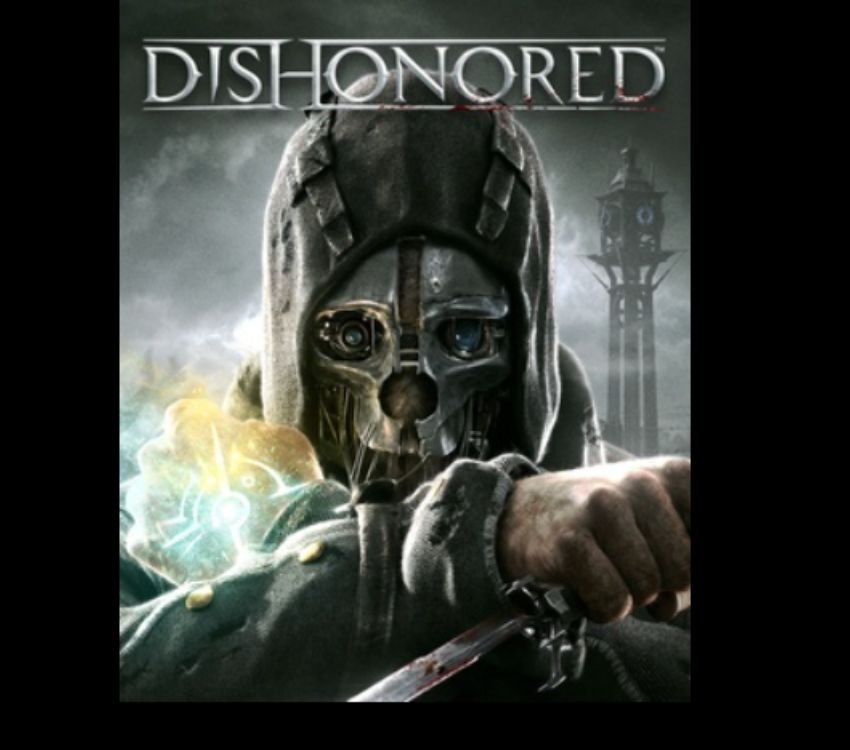
Dishonored provides players with a powerful set of supernatural abilities and then asks a simple question: how will you use them? The game encourages stealth, but it never demands it. You can complete the entire campaign without killing anyone, or you can eliminate every enemy in creative and chaotic ways. What makes the experience particularly compelling is the Chaos System. The more violently you play, the darker and more unstable the world becomes. Guards grow more aggressive, and the environment reflects your brutality. A low-chaos playthrough feels tense and controlled, while a high-chaos run feels dramatic and destructive.
4. Divinity: Original Sin 2

Few RPGs offer as much mechanical freedom as Divinity: Original Sin 2. The game’s class system is flexible, allowing players to create hybrid builds that mix magic schools, weapon types, and utility skills. Instead of being locked into predefined roles, you can craft a character that fits your exact strategic vision. Combat revolves around environmental interaction. Oil can be ignited, water can be electrified, poison clouds can explode, and terrain can be manipulated to control enemy movement. This depth encourages players to think creatively rather than simply relying on raw damage. Outside of combat, quests can often be resolved through dialogue, stealth, persuasion, theft, or alternative paths.
5. Cyberpunk 2077
After major updates and expansions, Cyberpunk 2077 has evolved into a deeply customizable RPG experience. Players can build their character around hacking, melee combat, stealth, firearms expertise, or hybrid approaches that combine multiple disciplines. A netrunner build focuses on remotely disabling enemies, spreading cyber-viruses, and manipulating the environment from a distance. A melee-focused character can become a lightning-fast blade specialist. Gun-focused builds emphasize tactical positioning and firepower. Stealth players can clear entire areas without being detected.
6. Baldur’s Gate 3
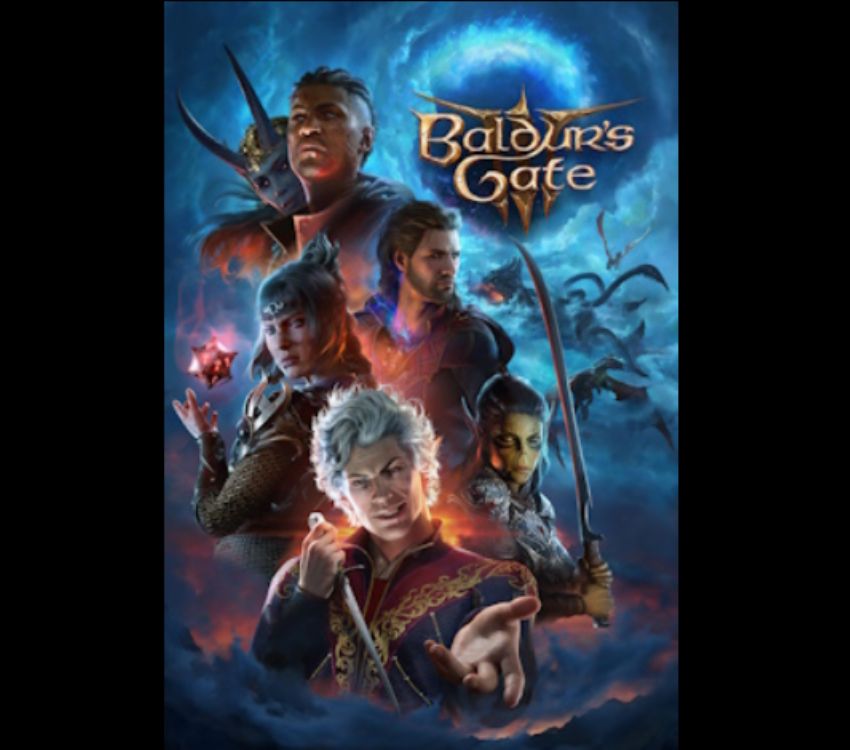
Baldur’s Gate 3 brings tabletop-inspired freedom into a digital format. Based on Dungeons & Dragons mechanics, it offers immense build diversity through classes, subclasses, spells, and feats. Players can create highly specialized characters or experiment with unconventional combinations. The game shines in how it handles choice. Dialogue options can alter entire questlines. Combat encounters allow environmental manipulation, spell synergy, and creative positioning. In many cases, problems can be solved without fighting at all. Your moral decisions shape relationships with companions and influence the story’s direction. The game adapts to player actions in ways that feel dynamic and reactive.
7. Minecraft
Unlike traditional RPGs, Minecraft offers near-total creative freedom. There are no fixed roles or required objectives. Players decide whether to focus on survival mechanics, architectural creativity, exploration, farming systems, redstone engineering, or combat challenges. In Survival Mode, you can emphasize resource management and combat strategy. In Creative Mode, you can build massive structures without limitations. Some players become expert engineers, creating intricate automated systems. Others treat the game as a peaceful building simulator. The absence of a rigid structure is precisely what makes it so powerful. The game provides tools, mechanics, and an open world; the purpose is entirely up to you.
8. Prey
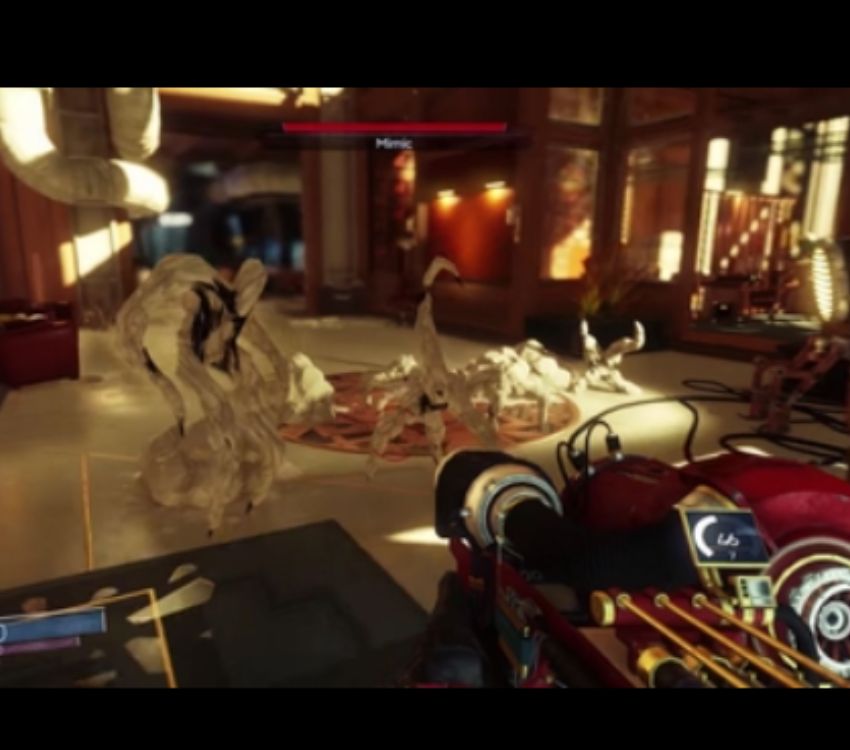
Prey stands out for its systemic design. Set aboard a space station filled with danger and mystery, the game offers players multiple ways to navigate its environments. The GLOO Cannon alone allows players to create platforms, block enemies, and solve traversal puzzles in unexpected ways. Players can invest in human skills like engineering and security, or unlock alien abilities that provide unique combat and movement options. However, leaning too heavily into alien powers affects how the game world responds to you. Levels are designed as interconnected spaces filled with alternative routes and hidden solutions. Rather than scripting every encounter, the game trusts players to experiment.