




Live service games often rely on ongoing monetization, battle passes, cosmetic shops, expansions, and seasonal content to stay profitable. However, one of the biggest criticisms aimed at this model is “pay-to-win,” where spending money provides a competitive gameplay advantage. Fortunately, several major titles prove that live service and fair competition can coexist. Here are eight live service games that are widely praised for avoiding pay-to-win complaints. These games built lasting communities by focusing on balance, transparency, and player trust instead of aggressive monetization.
1. Valorant
Riot Games’ tactical FPS is built around competitive integrity. Weapon skins may look flashy, but they never affect recoil, damage, or accuracy. Every player enters a match with access to the same weapons and core mechanics, ensuring skill remains the deciding factor. Agents can be unlocked through gameplay progression or purchased to unlock faster, yet every player has access to the same tools in ranked matches. Regular balance patches, anti-cheat updates, and an active esports ecosystem further reinforce the idea that success is earned through precision, teamwork, map knowledge, and communication rather than financial investment.
2. Warframe
Warframe allows players to buy premium currency to speed up crafting or unlock equipment more quickly. However, nearly everything in the game can be earned through regular play, including powerful Warframes and weapons. Because the game is heavily PvE-focused, player spending doesn’t create unfair competitive advantages. The in-game trading system even allows dedicated players to earn premium currency without paying real money. Frequent expansions, story quests, and open-world zones provide meaningful content updates that reward time investment and creativity rather than locking power behind a paywall.
3. Path of Exile
Grinding Gear Games built Path of Exile around a cosmetics-first monetization system. The store mainly sells armor effects, pets, and stash tabs, with no direct stat boosts available for purchase. While stash tabs provide convenience for inventory management, they don’t directly impact combat strength or leaderboard success. Seasonal leagues reset progression regularly, giving all players a fresh start. Deep build customization, a massive passive skill tree, and player-driven trading ensure that knowledge, strategy, and dedication determine success far more than spending habits.
4. Overwatch 2
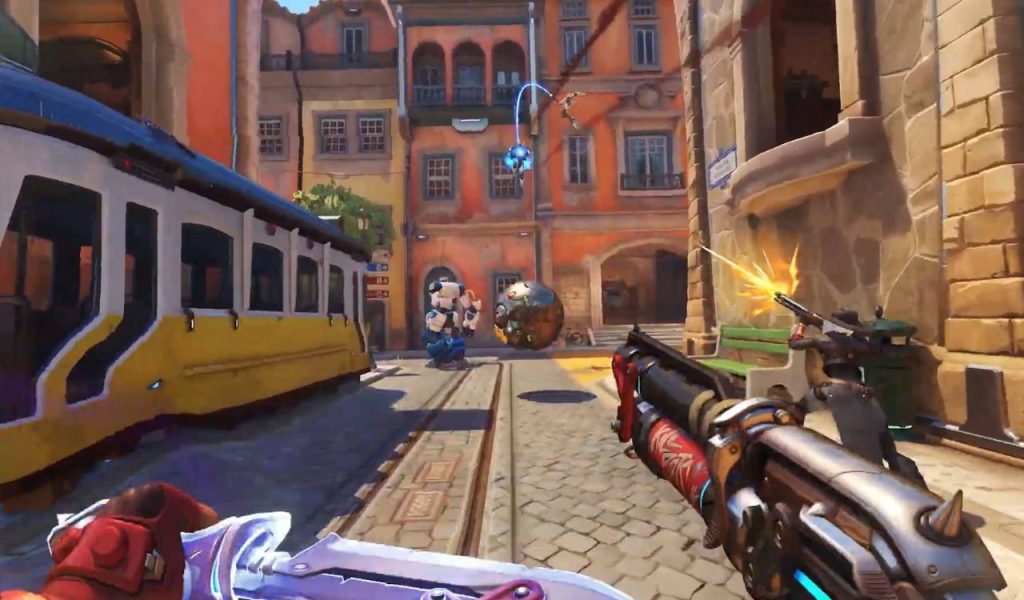
Blizzard’s team-based shooter operates on a seasonal model with battle passes and cosmetic bundles. Skins, voice lines, and visual effects dominate the store offerings. Heroes are unlockable through gameplay progression, and no purchasable item boosts stats or combat performance. Competitive modes are carefully tuned to ensure balance across roles and skill tiers. Frequent hero reworks, seasonal updates, and map rotations help maintain fairness while keeping gameplay fresh, emphasizing coordination, positioning, and quick decision-making over financial investment.
5. League of Legends
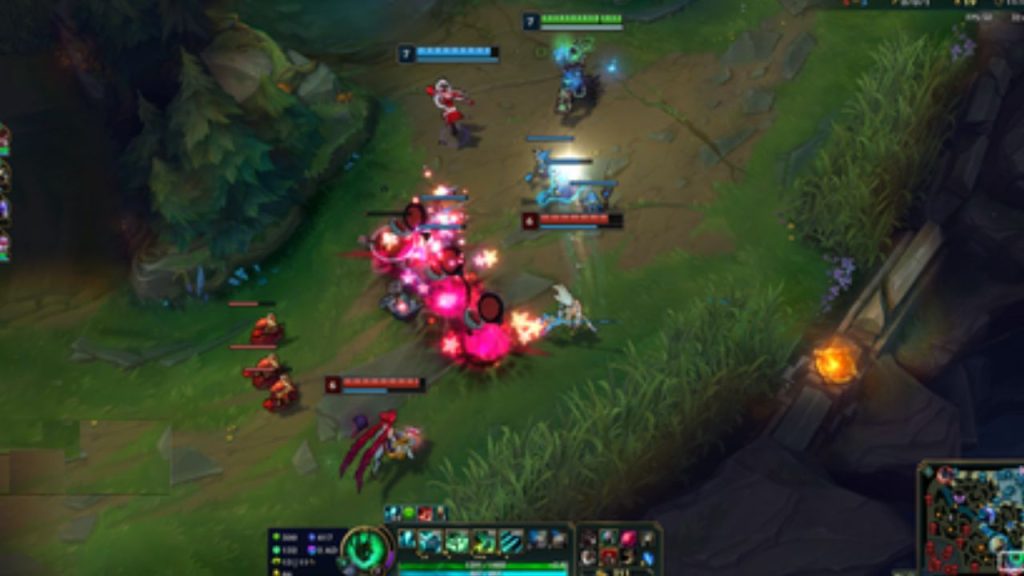
One of the most successful live service games ever made, League of Legends thrives on cosmetic skins, seasonal passes, and esports-driven engagement. Champions can be unlocked with in-game currency earned through play, and the roster is continuously balanced to protect competitive fairness. Major tournaments and ranked ladders showcase that mastery of mechanics, champion knowledge, and team coordination matter most. Riot’s consistent patch cycle ensures that no purchasable content ever determines match outcomes. Its global community and developer communication further strengthen long-term player trust and loyalty.
6. Rocket League

Rocket League’s monetization focuses entirely on cosmetic car bodies, decals, wheels, and goal explosions that personalize a player’s style. Every vehicle performs identically in terms of speed, hitbox class, and mechanics, ensuring a level competitive field. The game’s simple yet deep physics system rewards mechanical mastery, positioning, and split-second reactions. Ranked playlists, esports tournaments, and seasonal resets highlight that improvement comes from practice and teamwork rather than purchases. Regular updates and community events keep competition fresh and engaging.
7. Final Fantasy XIV
This subscription-based MMORPG avoids aggressive microtransactions and relies primarily on its monthly fee and major expansions for revenue. The optional cash shop sells mounts, outfits, and cosmetic items, but powerful gear must be earned through raids, trials, and endgame progression. The structured patch cycle introduces new challenges accessible to all subscribers equally. Player housing, crafting, and story-driven content encourage community engagement without monetizing combat advantages or raid progression. A strong narrative focus and transparent developer communication further reinforce long-term player trust and loyalty.
8. Genshin Impact
While Genshin Impact uses a gacha system for characters and weapons, it is primarily a PvE-focused experience with no direct competitive PvP mode. There’s no ranked ladder or player-versus-player system where spending guarantees dominance. All main story chapters, events, and exploration content can be completed without paying. Strategic team composition, elemental reactions, and resource management matter more than rarity alone, allowing free players to progress comfortably through consistent updates and seasonal content drops. Frequent limited-time events and generous in-game rewards also help maintain accessibility for dedicated free-to-play users.