




Online gaming in 2026 has reached an entirely new level of intensity. What once felt like casual matchmaking has evolved into a highly structured, skill-driven environment where every match can impact rankings, reputation, and even career opportunities. Improved matchmaking algorithms now place players in tighter skill brackets, meaning fewer easy games and more evenly matched battles. The average player is also far more knowledgeable than before, studying guides, watching pro streams, analyzing patch notes, and mastering advanced mechanics. Esports growth has also raised the competitive standard across the board. Even casual players now adopt strategies once reserved for professionals. Ranked ladders feel more unforgiving, metas shift rapidly, and players are constantly adapting.
1. Valorant
Riot Games’ tactical FPS continues to set the gold standard for competitive shooters. In 2026, Valorant’s ecosystem feels more refined and intense than ever before. The skill ceiling has climbed significantly as players have mastered advanced agent combinations, lineup strategies, and coordinated executes. Higher ranks demand nearly perfect aim, strong communication, and deep tactical understanding. Small mistakes, like a mistimed ability or poor positioning, can cost entire rounds. The game’s consistent balancing updates and anti-cheat improvements ensure that matches feel fair but extremely demanding. What makes Valorant particularly competitive now is how calculated every match feels.
2. League of Legends
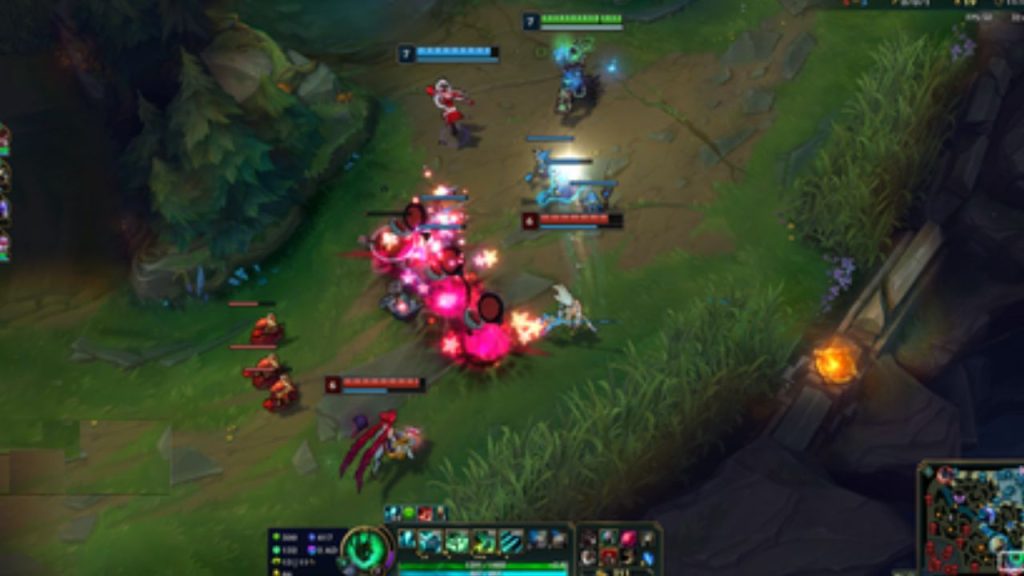
More than 15 years after its release, League of Legends remains one of the most competitive online games in the world. In 2026, ranked play feels tougher because players understand macro strategy far better than before. Wave management, jungle tracking, vision control, and objective trading are no longer “high-level secrets”; they are expected knowledge. The evolving meta keeps players on their toes. Frequent patches reshape champion viability, forcing adaptability. Climbing the ranked ladder now requires consistency, champion mastery, and mental resilience. A single mistake in the lane can snowball into a match-deciding disadvantage.
3. Counter-Strike 2
Counter-Strike 2 continues the legacy of one of the most skill-demanding shooters ever made. In 2026, the competitive environment feels razor-sharp. Precision aiming, recoil control, economy management, and utility usage separate good players from great ones. The modern matchmaking system places players in extremely balanced lobbies, meaning every match becomes a mental and mechanical battle. Team coordination has improved across all ranks, and clutch situations feel increasingly intense because opponents rarely make simple mistakes. CS2 rewards discipline and fundamentals.
4. Fortnite
Fortnite’s competitive scene has evolved far beyond casual battle royale fun. In 2026, high-level matches showcase extraordinary building speed, advanced edit techniques, and strategic endgame rotations. Ranked lobbies are filled with mechanically skilled players who can instantly construct defensive structures or outplay opponents with rapid edits. The learning curve has steepened considerably. New players entering competitive modes often face opponents who have refined their mechanics for years. Tournament culture and prize pools have also strengthened Fortnite’s competitive environment. Scrims, practice lobbies, and content analysis are common among serious players, pushing the overall skill ceiling higher each season.
5. Apex Legends

Apex Legends in 2026 emphasizes teamwork more than ever. Individual aim matters, but coordinated ability usage and positioning determine victories in higher ranks. With more legends and refined balancing, team compositions now revolve around synergy and strategic map control. High-tier lobbies require constant communication, smart rotations, and efficient resource management. The fast-paced nature of combat means split-second decisions can determine survival. The competitive atmosphere feels intense because mistakes are punished quickly. One poorly timed push or misused ultimate ability can eliminate a squad instantly.
6. Call of Duty: Warzone
Warzone’s ranked and tournament structure in 2026 has made matches more strategic than ever. Beyond gun skill, players must understand map zones, rotation timing, loadout optimization, and team coordination. The final circles in competitive matches are particularly intense, with multiple squads calculating positioning and resource usage carefully. The margin between victory and elimination is often seconds. With improved skill-based matchmaking, players rarely encounter large skill gaps. Every game feels competitive from start to finish, reinforcing Warzone’s evolution into a serious competitive platform.
7. Dota 2
Dota 2 remains one of the deepest and most complex competitive games available. In 2026, players are more strategic and analytical than ever before. Drafting alone can determine the direction of a match, and understanding hero synergies is critical. High-MMR matches demand near-perfect map awareness, farming efficiency, and timing-based team fights. The game’s complexity ensures that even veteran players continue learning new strategies. The competitive scene thrives on long, strategic matches where every objective, ward placement, and buyback decision matters. Few games demand such a deep strategic commitment.
8. Rocket League

Rocket League may appear simple, but in 2026, it is mechanically one of the most demanding competitive games. High-level players perform advanced aerial maneuvers, flip resets, ceiling shots, and precise team rotations with incredible speed. The skill ceiling continues to rise as new techniques are discovered and mastered. Ranked matches in upper tiers are incredibly fast-paced, leaving little room for error. Because the game relies almost entirely on mechanical precision and positioning, improvement requires intense practice. That dedication from the player base has made Rocket League’s competitive environment fiercer than ever.