

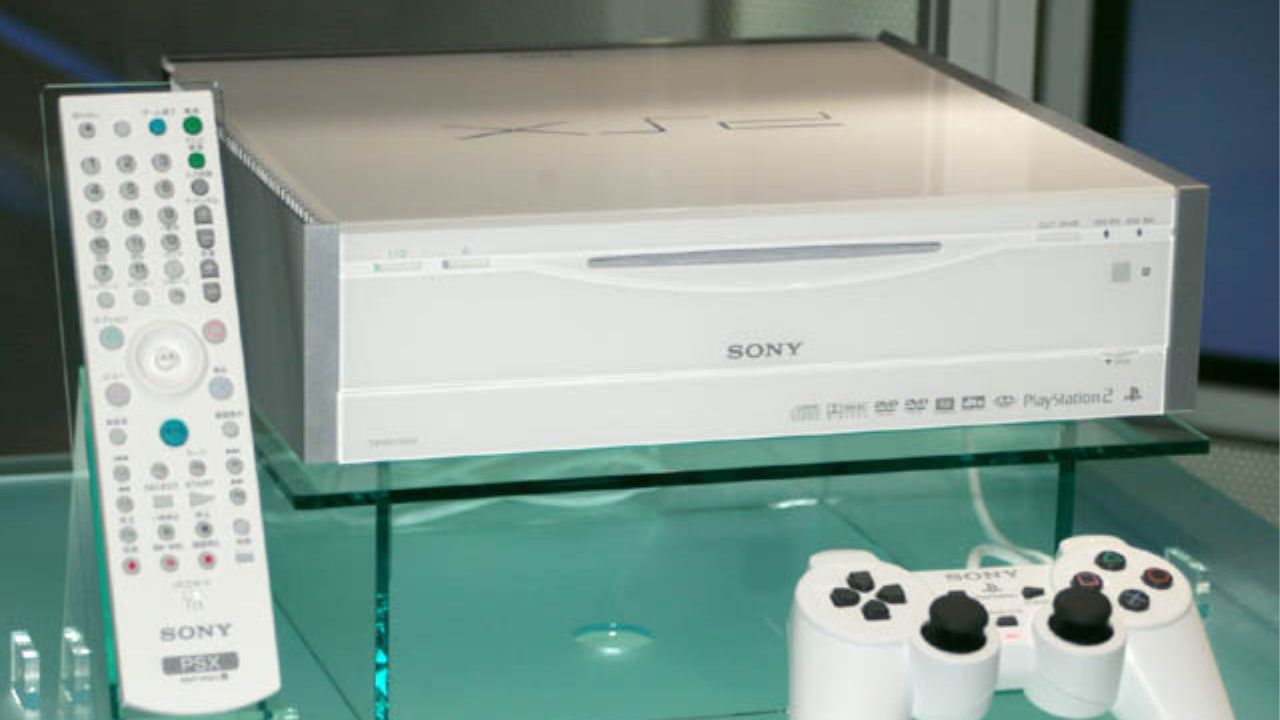

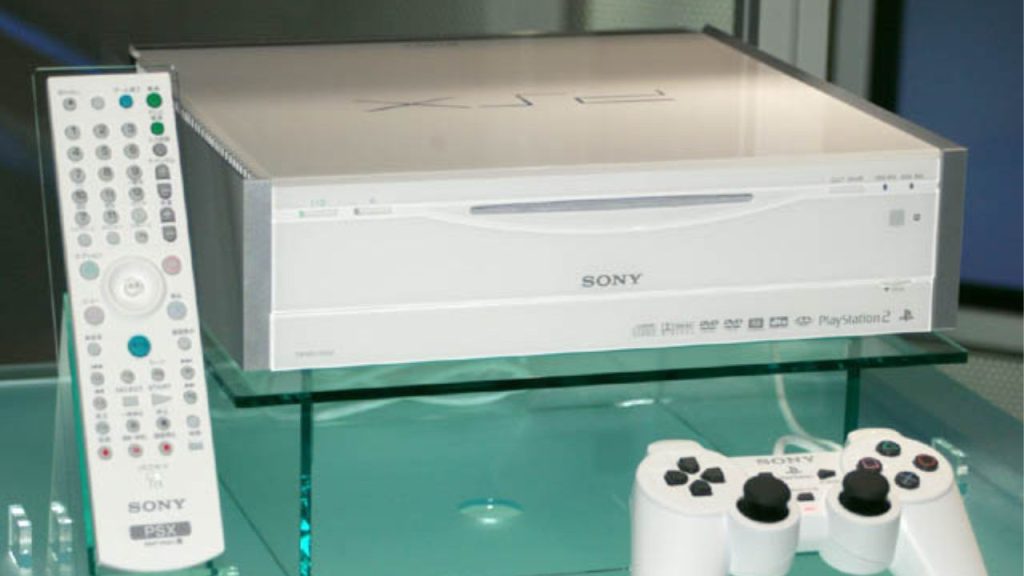
When people think about the PlayStation 2, they usually remember its legendary games and record-breaking sales. But beyond the blockbuster titles, the PS2 introduced a range of features that quietly shaped the future of console gaming. From built-in DVD playback to pressure-sensitive controller buttons, Sony packed the system with innovations that felt futuristic at the time. Some were subtle, others experimental, but all left a lasting impression on players. Even decades later, fans still recall the unique startup screen, the memory card icons, and the thrill of early online play. These overlooked details helped make the PS2 more than just a console; they made it an experience.
1. DVD Playback Built-In
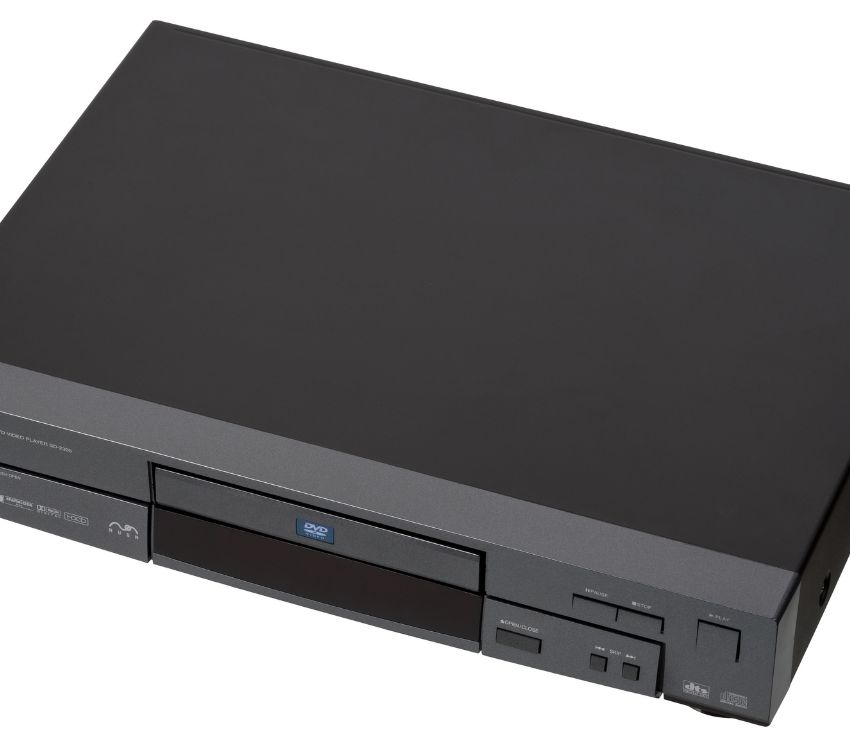
When the PlayStation 2 launched in 2000, DVD players were still considered a luxury item. Sony changed the game by including DVD playback directly in the console, turning it into more than just a gaming device. For many households, the PS2 became their first DVD player, making movie nights just as important as gaming sessions. This feature added tremendous value at a time when standalone DVD players were expensive. With the optional remote control accessory, users could navigate menus easily from the couch. The crisp video quality and convenience helped the PS2 dominate living rooms worldwide, proving it wasn’t just a console, it was an all-in-one entertainment system that felt ahead of its time.
2. Memory Card Storage System
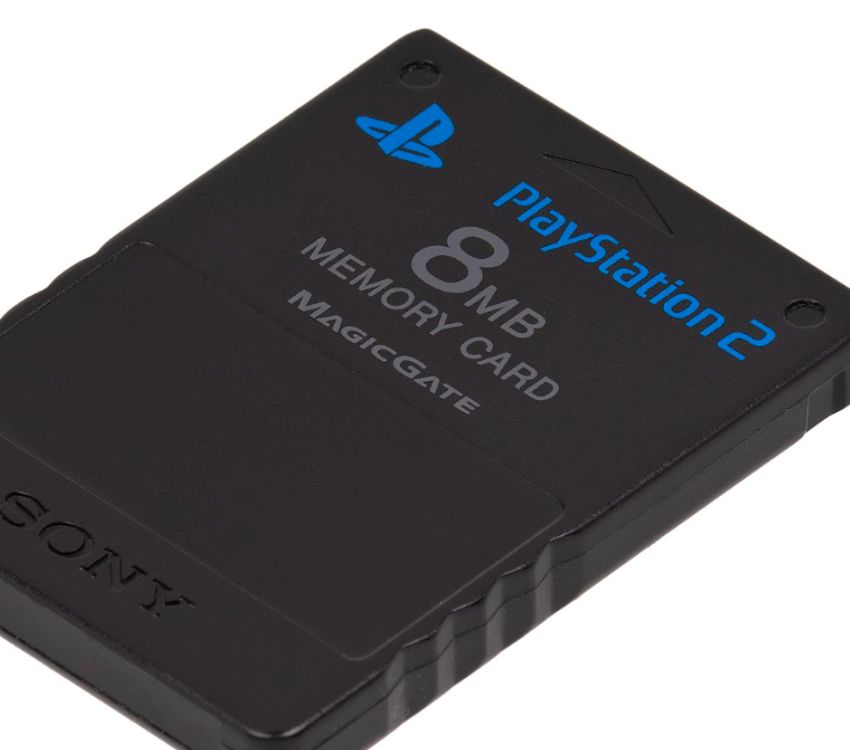
The PS2’s 8MB memory card may seem tiny by modern standards, but at the time, it felt groundbreaking. Unlike earlier cartridge-based saves, players could store progress from multiple games in one small, removable card. What truly made it memorable was the browser interface that displayed animated save icons unique to each title. Some icons moved, made sounds, or changed depending on progress, giving personality to something as simple as a save file. Managing storage space became part of the gaming routine, especially when deciding which saves to keep or delete. That little card carried hundreds of hours of memories, making it feel far more valuable than its modest size suggested.
3. The PS2 Browser Interface
Long before dynamic dashboards became standard, the PS2 greeted players with a calm, minimalist browser screen that felt strangely futuristic. Floating translucent cubes drifted across a blue background, each one representing saved data on a memory card. The ambient sound design added to the atmosphere, creating a quiet, almost mysterious mood every time the console powered on. Even the startup animation with its glowing towers symbolizing play history, felt artistic and symbolic. It wasn’t flashy, but it was memorable. Many players would linger on the screen just to take in the music and visuals.
4. Backward Compatibility with PS1
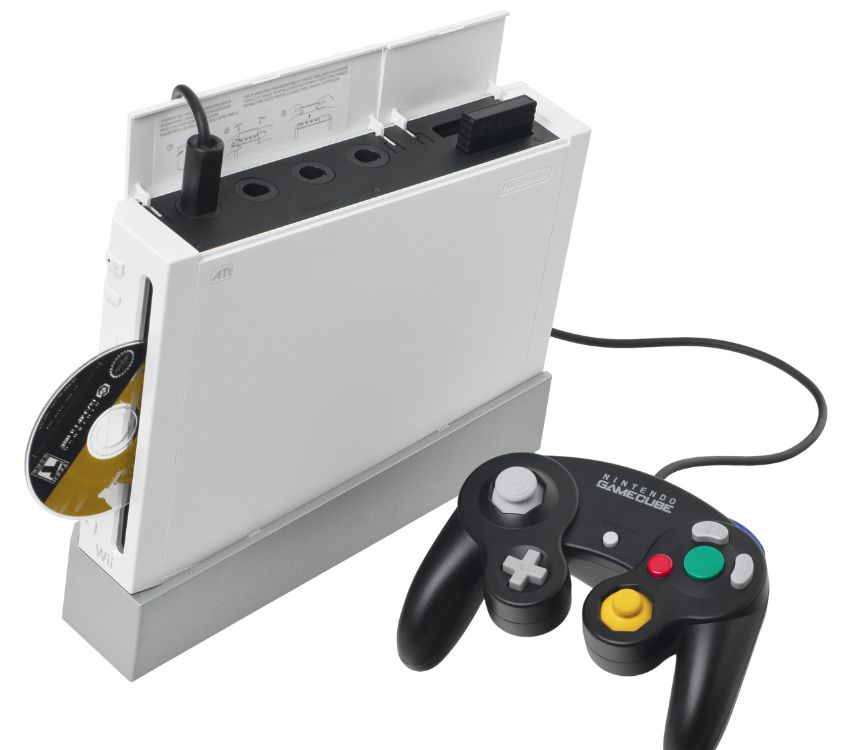
One of the PS2’s most appreciated features was its ability to play original PlayStation games without requiring extra hardware. Players could simply insert their old discs and continue enjoying classics from the previous generation. This seamless backward compatibility protected existing game libraries and made upgrading feel effortless. Instead of starting over, gamers brought their memories with them, from beloved RPGs to competitive fighters. It also meant families didn’t need to keep two consoles hooked up to the TV. At a time when generational shifts often meant leaving games behind, the PS2 felt generous and forward-thinking.
5. Network Adapter & Early Online Gaming
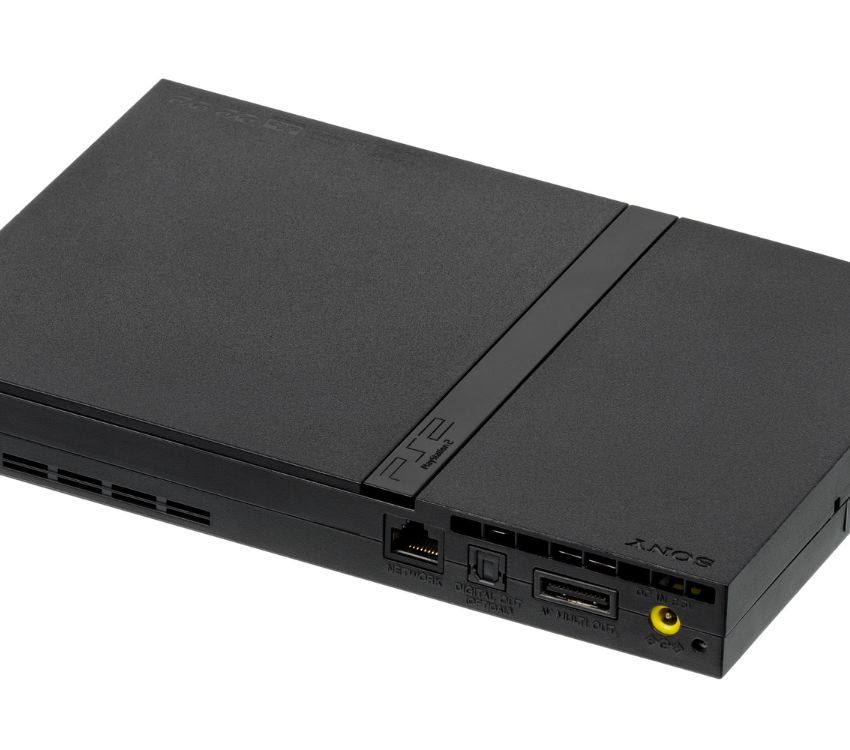
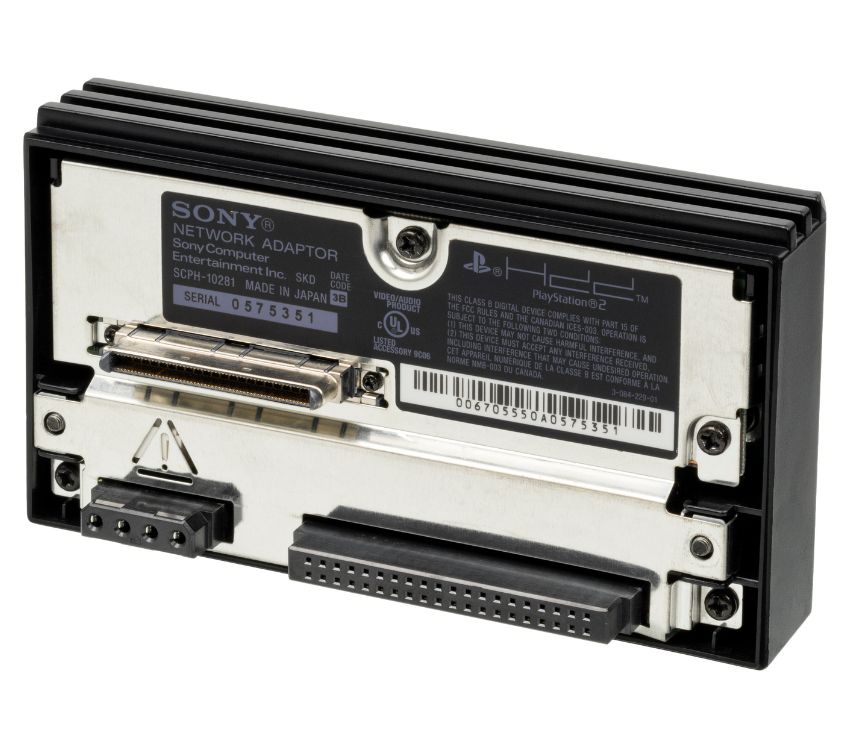
At a time when online console gaming was still in its infancy, the PS2 quietly introduced the possibility of broadband multiplayer through its Network Adapter. Sold separately, the attachment connected to the back of the console and allowed players to compete and communicate over the internet. While setup could be technical, the experience felt revolutionary. Games like SOCOM and other supported titles created some of the earliest console-based online communities. Voice communication and ranked matches were exciting new concepts for many players. Though it wasn’t as seamless as modern services, the PS2’s online capabilities laid important groundwork for the connected gaming ecosystems.
6. USB Ports for Accessories
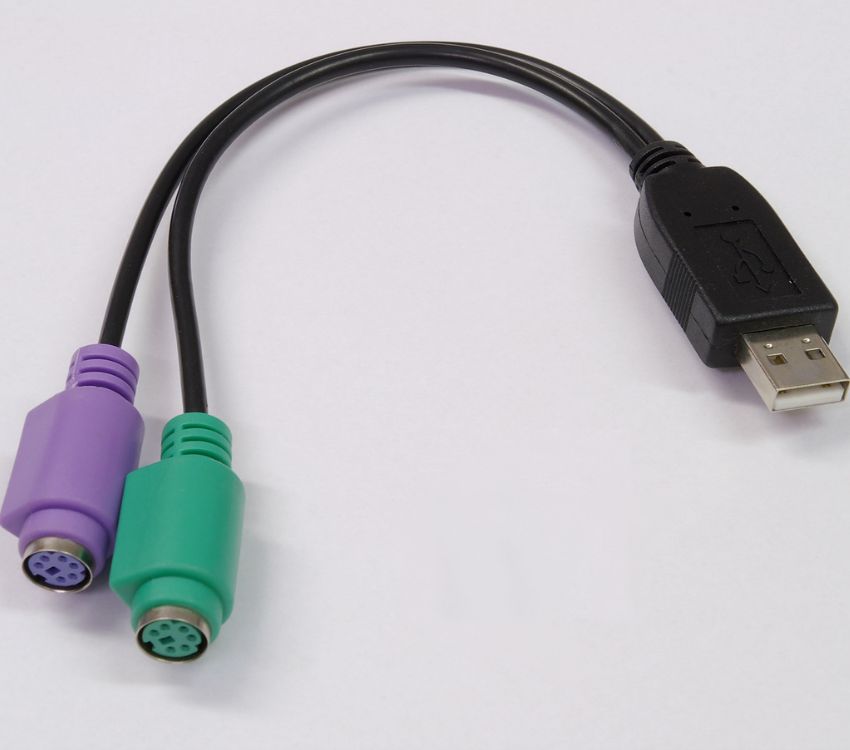
The PS2 featured two front-facing USB ports, a detail many players overlooked at first. However, those ports opened the door to creative accessories that expanded how games were played. Cameras, microphones, keyboards, and racing wheels are all plugged directly into the console, offering new ways to interact beyond the traditional controller. The EyeToy camera, in particular, introduced motion-based gameplay years before it became mainstream. Music and party games also benefited from USB microphones, turning living rooms into karaoke stages. These additions showed Sony’s willingness to experiment with interactive experiences. Even if not every player used them.
7. DualShock 2 Pressure-Sensitive Buttons
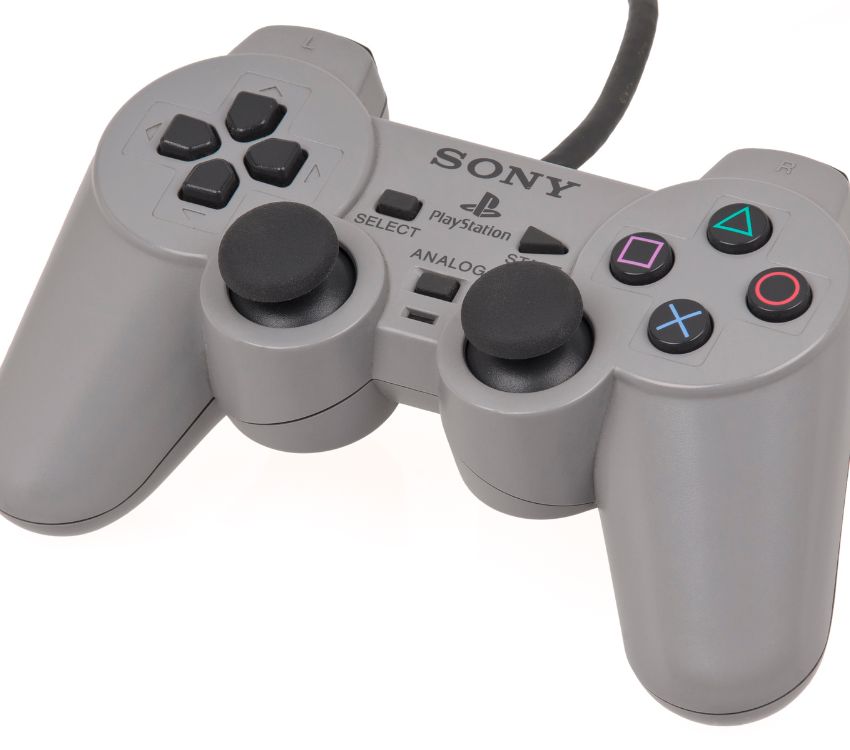
The DualShock 2 controller looked similar to its predecessor, but it introduced a subtle innovation that many players didn’t immediately notice: pressure-sensitive face buttons. Instead of simple on-and-off inputs, certain games could detect how hard a button was pressed. This allowed for more precise control, such as gently accelerating a car or carefully aiming a weapon. The feature added a layer of depth that rewarded finesse over frantic tapping. While not every title used it extensively, those that did made gameplay feel smoother and more responsive. It was a quiet technical upgrade that demonstrated Sony’s attention to detail.
8. Vertical Stand & Iconic Design
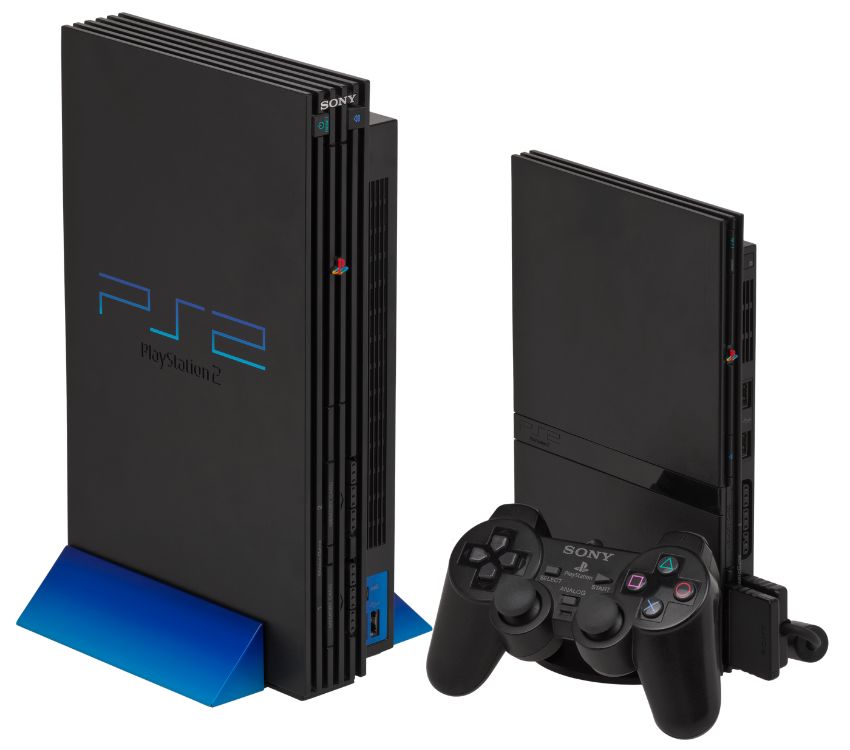
The PS2 wasn’t just powerful, it had style. Its sleek, rigid design stood out from other consoles of its era, and players could position it horizontally or vertically with an official stand. When placed upright, it resembled a compact entertainment tower, giving it a bold, modern presence in any setup. Even the small blue PlayStation logo on the front could be rotated to match the console’s orientation, a thoughtful detail that fans appreciated. The design felt futuristic and mature, signaling a shift toward consoles as centerpiece electronics rather than simple toys. That distinctive look helped define an era and remains instantly recognizable to gamers today.