

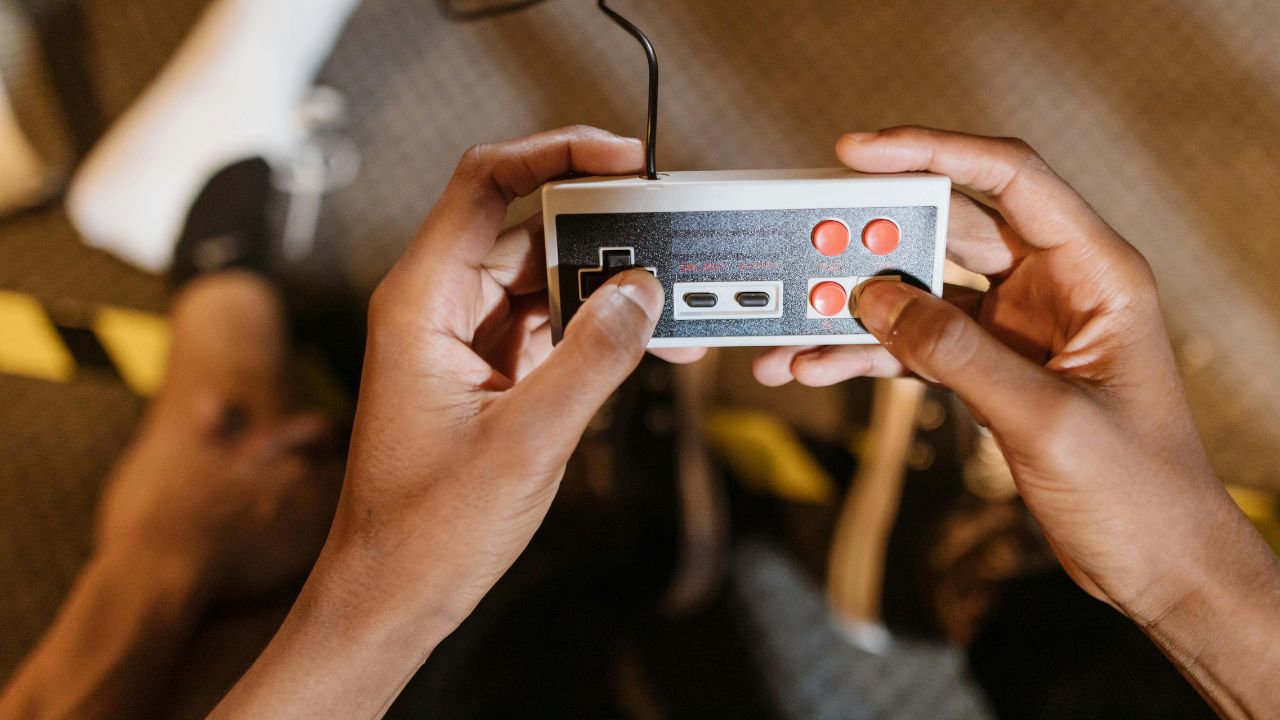

Gaming today is fast, convenient, and endlessly connected, but it wasn’t always like this. Before online stores, instant updates, and social media, gaming had its own unique culture built on patience, discovery, and physical interaction with the games themselves. Younger players might know about retro consoles from videos or memes, but they never truly experienced the rituals that older gamers lived through every day. From cleaning cartridges to renting games before committing to them, each trend defined the era in ways modern gamers rarely think about. These experiences didn’t just define gaming; they shaped the excitement and frustration of growing up with early consoles. Here are five retro gaming trends younger players have never truly seen, showing just how different gaming used to be.
1. Cartridge Blowing
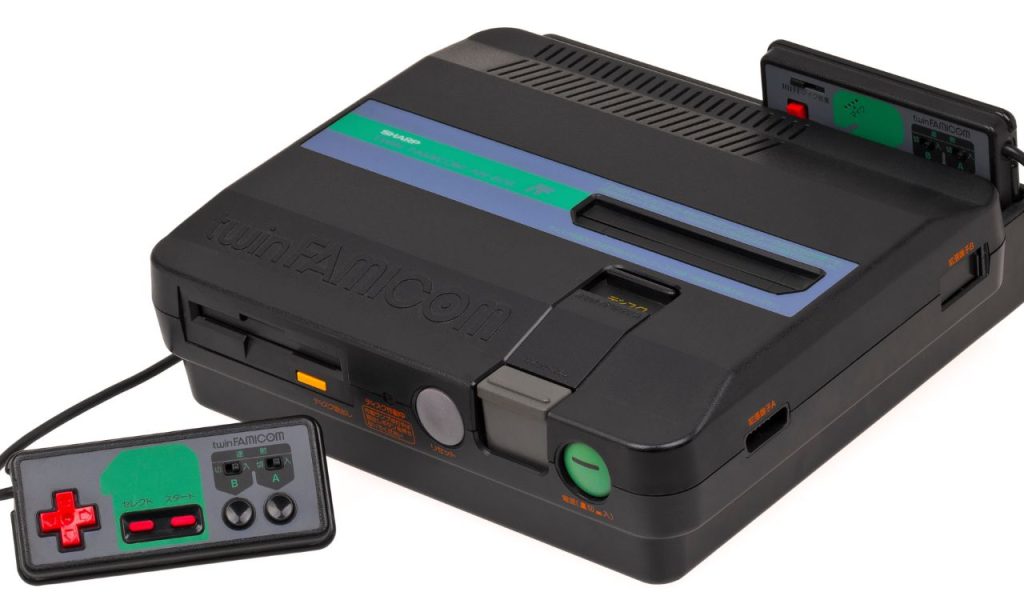
When classic consoles like the Nintendo NES or Sega Genesis didn’t load a game, players didn’t troubleshoot or restart menus; they reached for the cartridge and blew into it like everyone else in the world. This quirky habit became a universal ritual even though it didn’t really fix anything. The belief was strong: if a game glitched, froze, or displayed a scrambled mess of pixels, blowing inside the cartridge “revived” it. Kids treated this like a sacred process: remove cartridge, blow, reinsert, push down, press power, hope for magic. Even though this technique sometimes made things worse, it became a symbol of retro gaming culture. Younger players never had to do anything physical to make a game work; for older gamers, it was part of the adventure.
2. Renting Games

Before digital marketplaces and subscription services, discovering new games meant visiting video rental stores. Players would walk aisle by aisle, searching for the most interesting box art, hoping the game wasn’t already rented out. There were no trailers to preview, no reviews in the store, just instinct and luck. Renting added pressure you had only a couple of days to enjoy the game. If it was great, you played nonstop; if it was bad, you regretted your weekend pick. Missing manuals or dirty cartridges? You dealt with it. Younger players with instant access to thousands of games will never know the thrill or disappointment of choosing a game based only on its cover.
3. Password Saves

Long before autosaves and cloud backups, many games used long password systems to store progress. After beating a level or reaching a checkpoint, the game displayed a code that players had to copy down with perfect accuracy. One wrong letter or number meant losing everything. These passwords were often long, complicated, and easy to misread, especially with stylized fonts. Kids kept notebooks filled with codes, each representing hours of gameplay they couldn’t risk losing. Some codes felt like secret spells. Younger players know save slots, but not the frustration of typing a 20-character password only to be told it’s wrong.
4. CRT Screens
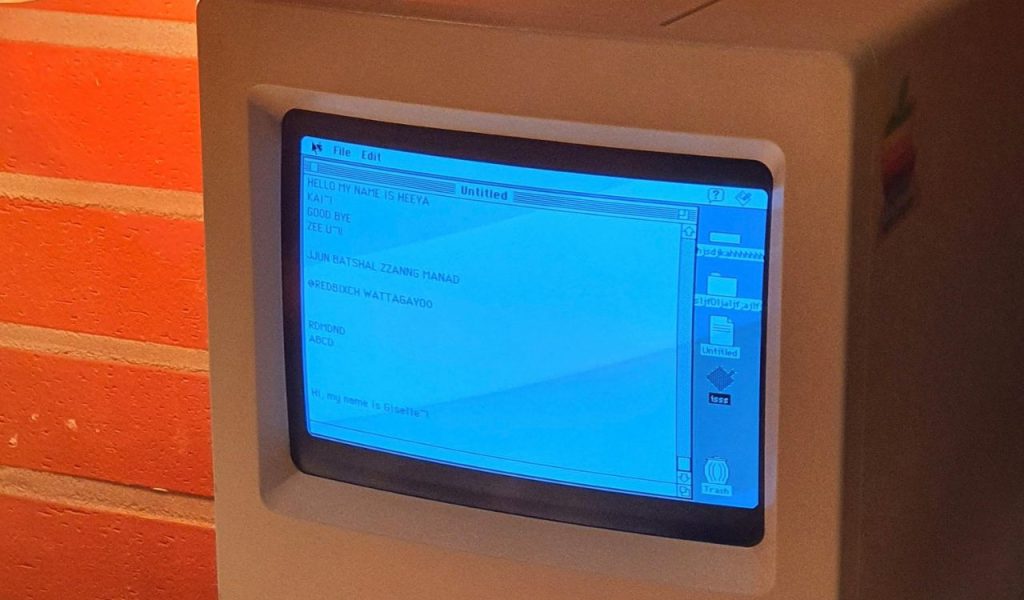
Retro gaming was built around CRT televisions’ heavy, boxy screens with curved glass and warm, glowing colors. Unlike modern displays, CRTs handled retro graphics perfectly, smoothing out pixels and eliminating the lag you’d see on modern TVs. Certain classic technologies, like light gun games, only worked properly on CRTs.Kids today see CRTs as relics, but older gamers relied on them. Sitting close, adjusting channels, and watching colors shift was part of the charm. The soft, warm picture is something modern screens can’t replicate, and younger players will never feel how games looked on those glowing boxes.
5. Demo Discs

Before online demos and game trailers, the best way to test new games was through demo discs included in gaming magazines. These discs offered small samples of upcoming titles, sometimes a single level, sometimes a limited-time mode. Players replayed these demos for weeks because they had nothing else like them. Discovering a new favorite game through a demo disc felt like uncovering a hidden gem. The surprise factor was huge: you never knew exactly what you were getting until you booted it up. Today’s gamers can watch gameplay or try demos instantly, but older players waited weeks for a magazine demo disc just to play a few minutes of a new game.
6. Couch Multiplayer

Before online gaming became the norm, multiplayer meant one thing: everyone in the same room. Friends crowded around a single TV, controllers tangled on the floor, and arguments broke out over who got Player 1. There was no matchmaking, no servers, and no voice chat, just pure in-person chaos and fun. It created an energy that modern online play can’t match. Trash talk was louder, reactions were instant, and victories felt bigger with everyone in the same room. Last-second wins and knocking a sibling off the screen became legendary stories. Younger players may have local co-op, but they never lived through the era when gaming filled the living room with unforgettable chaos.
7. Game Manuals
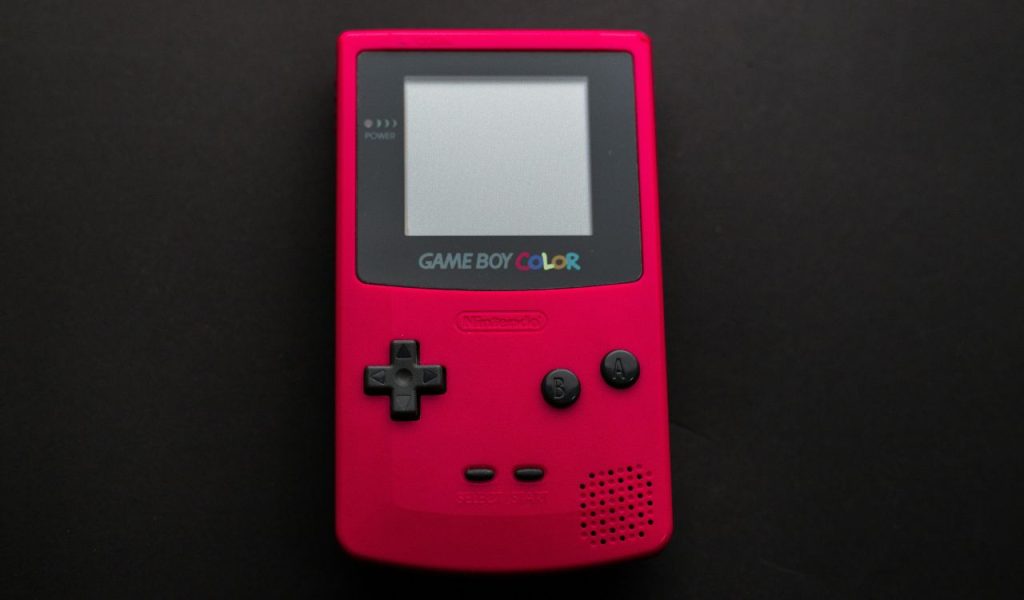
Today’s game cases are practically empty, but retro game boxes often came with thick, colorful manuals full of information and artwork. These weren’t just instructions; they were part of the adventure. Manuals included backstories, character bios, detailed maps, enemy descriptions, move lists, and artwork that fueled your imagination long before you ever started playing. Kids would read the manual in the car, building excitement before even playing. Some manuals were so detailed that they felt like mini guides. Younger gamers, who jump straight into digital downloads, never experience flipping through fresh artwork.
8. Hidden Secrets

In the retro era, discovering secrets was an actual mystery. There were no online databases, wikis, or video walkthroughs revealing every collectible and shortcut. Players found secrets through curiosity, experimentation, or total accidents, jumping at the right moment, hitting a suspicious wall, or trying weird button combinations just because something “felt off.”Schoolyard conversations fueled the hunt. Kids swapped rumors about hidden levels, unlockable characters, or secret movessome true, many completely made up. But without the internet, every rumor felt worth testing. The mystery made secrets exciting, like finding hidden treasure.