



Sometimes, the most unforgettable gaming experiences are the ones players almost skip entirely. Whether it’s because of overwhelming hype, intimidating complexity, mixed early reviews, or simply a crowded backlog, certain titles don’t get the attention they deserve at launch. In an industry that moves quickly from one big release to the next, it’s easy for incredible games to slip through the cracks or be unfairly judged before players give them a real chance. Years later, many gamers look back and admit they wish they had picked up these masterpieces much sooner. Below are eight games that players frequently say they regret delaying, and why finally playing them changed their perspective.
1. The Witcher 3: Wild Hunt
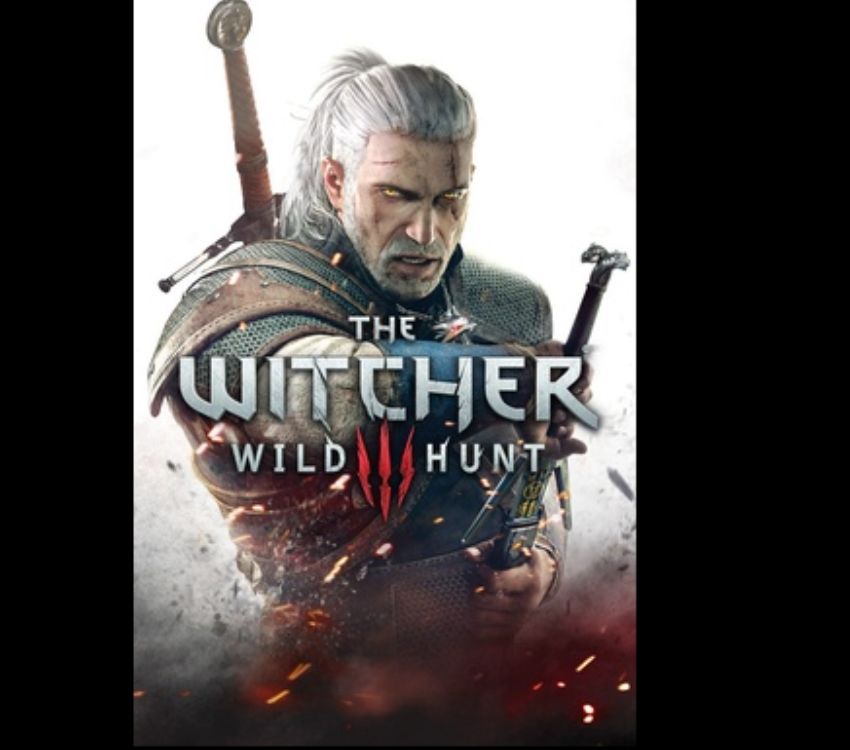
At first glance, The Witcher 3: Wild Hunt can feel overwhelming. The lore is dense, the map is enormous, and the systems are layered with alchemy, crafting, political intrigue, and branching dialogue. Many players delayed starting it because they assumed it would require too much time or prior knowledge of the series. Others feared it might be overhyped after hearing constant praise from critics and fans alike. However, once they finally stepped into Geralt’s boots, those concerns quickly faded. Players discovered a living, breathing world filled with morally complex choices and side quests that often rival main storylines in depth and emotional weight. The writing, character development, and world-building create an experience that feels both epic.
2. Red Dead Redemption 2
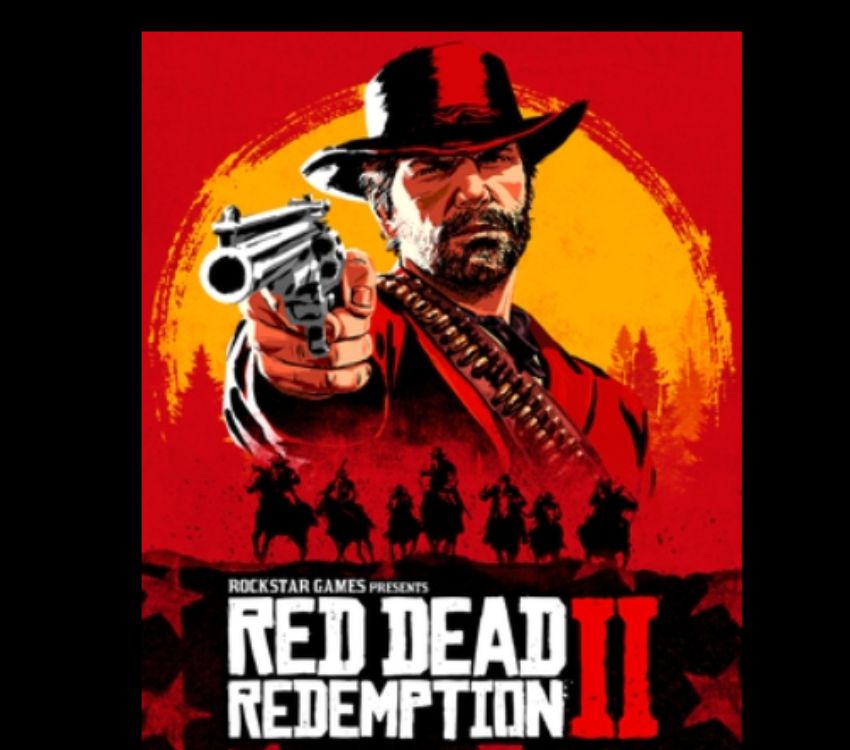
Some gamers avoided Red Dead Redemption 2 because of its deliberate pacing. Early impressions described it as slow and heavily focused on realism, which turned away players expecting nonstop action. The idea of managing camp chores, long horseback rides, and methodical storytelling didn’t immediately appeal to everyone. Yet those who gave it a chance often found themselves immersed in one of the most emotionally powerful narratives in gaming. The attention to environmental detail, dynamic character interactions, and cinematic storytelling creates a world that feels authentic and alive. Arthur Morgan’s journey, in particular, resonates deeply with players, leaving a lasting emotional impact.
3. Hollow Knight
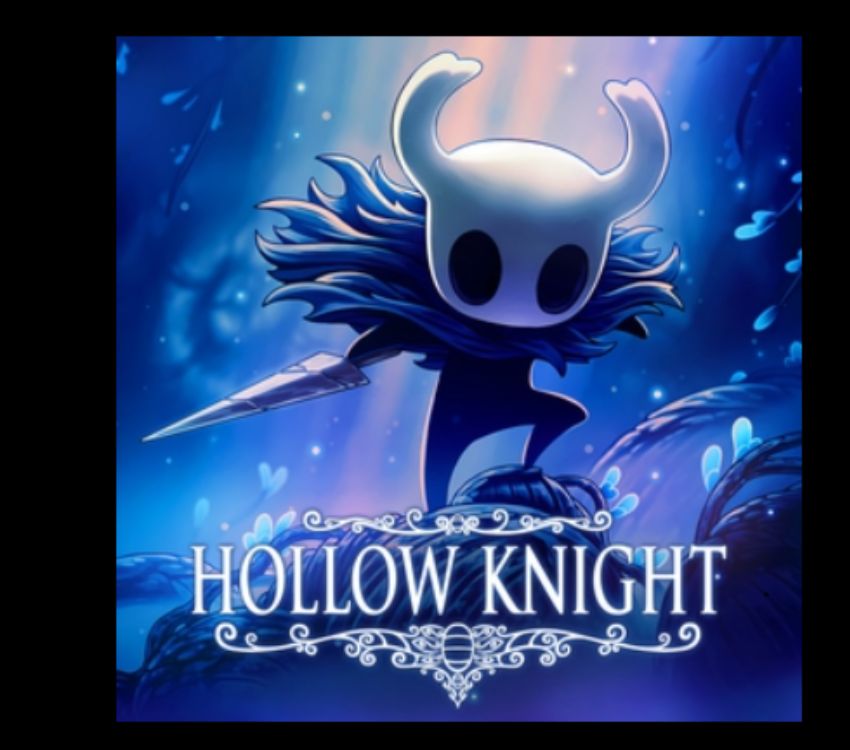
As an indie title with a modest price tag, Hollow Knight was easy for some players to overlook. Others were discouraged by warnings about its difficulty or assumed its minimalist art style meant a shorter, simpler experience. It didn’t carry the marketing weight of AAA releases, so it quietly slipped past many gamers at launch. Those who eventually explored Hallownest were often stunned by its depth. The hand-drawn art style creates a hauntingly beautiful atmosphere, while its tight combat and intricate level design reward patience and exploration. Every hidden passage and challenging boss fight feels meaningful.
4. Mass Effect Legendary Edition
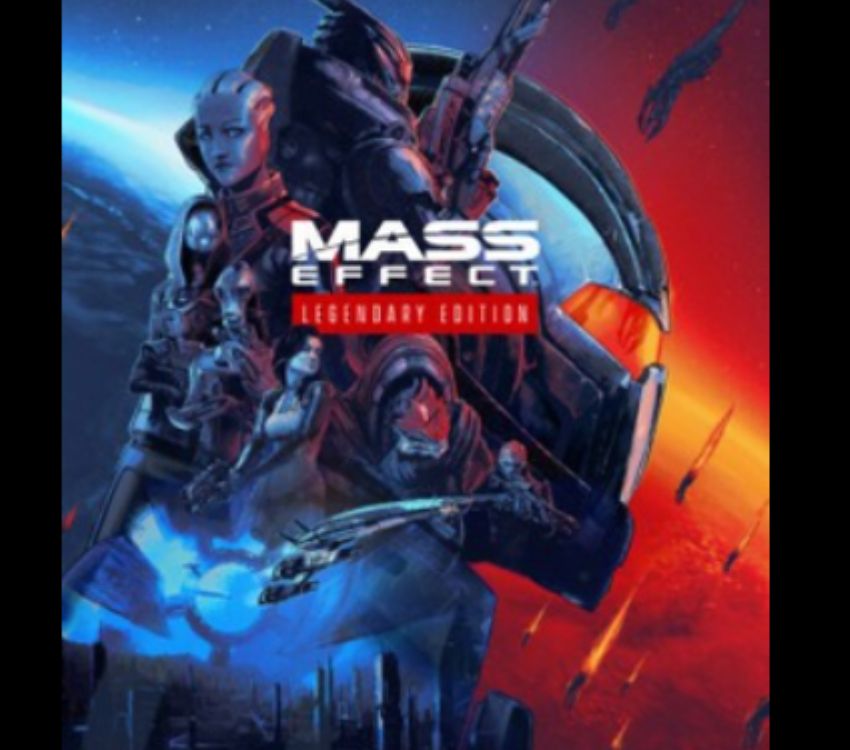
For years, some players skipped the original Mass Effect trilogy due to aging visuals or outdated mechanics. Others simply missed it during its initial release window. When the Legendary Edition launched, it offered a second chance, but not everyone jumped in immediately, unsure if an older sci-fi RPG could still hold up. Those who finally committed to Commander Shepard’s journey often found themselves captivated by the sweeping narrative and meaningful player choices that carry across three full games. The relationships built with squadmates feel authentic and lasting, and the stakes grow with every installment.
5. Stardew Valley
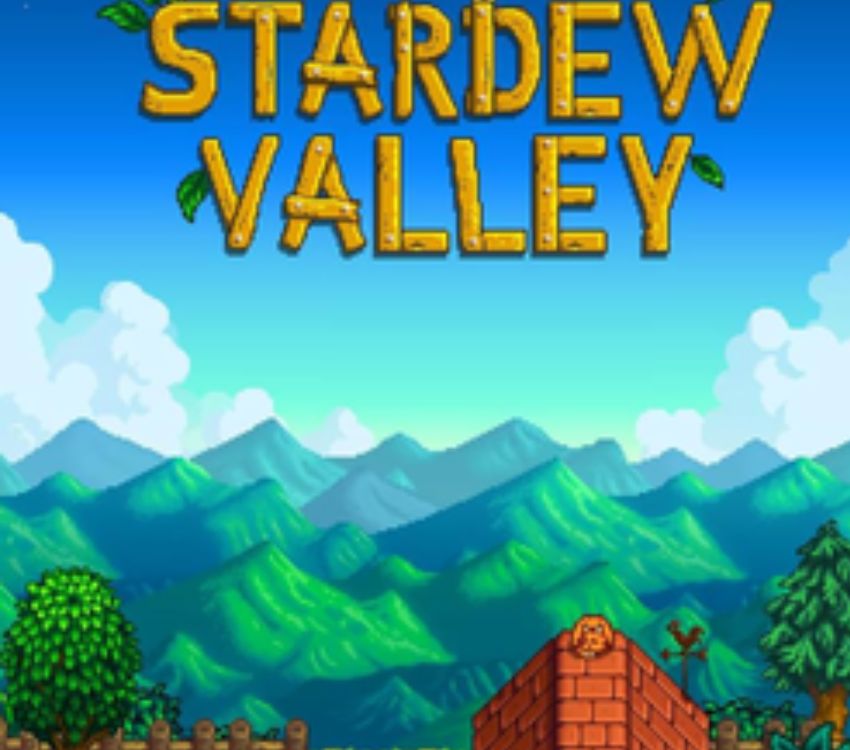
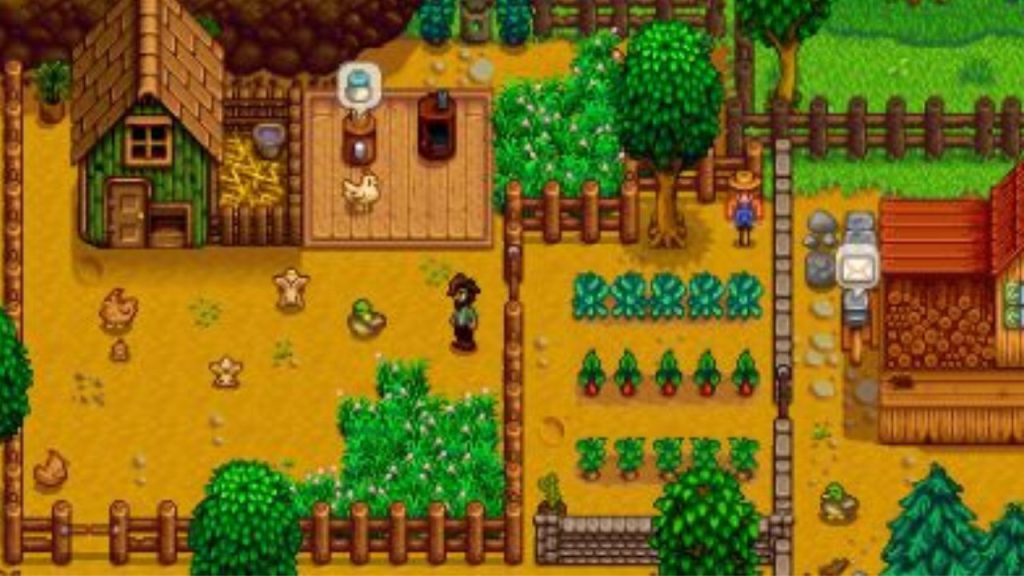
At first glance, Stardew Valley appears deceptively simple. A pixel-art farming simulator doesn’t immediately scream “must-play blockbuster,” and some players assumed it would lack depth or long-term engagement. The relaxed premise led many to underestimate what the game truly offers. After finally trying it, however, players often find themselves completely absorbed. Beyond farming crops, the game includes relationship-building, dungeon exploration, seasonal events, and personal storytelling that adds emotional weight to the experience. Its calming routine becomes surprisingly addictive.
6. Dark Souls
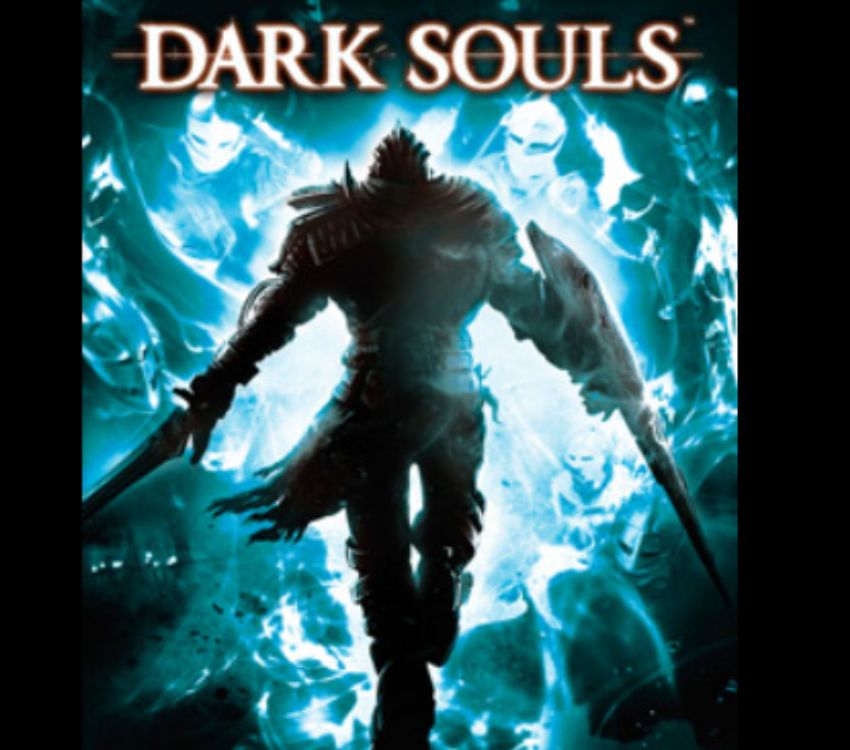
The fearsome reputation of Dark Souls kept countless players away. Stories of brutal difficulty and punishing combat made it seem inaccessible, especially for those who preferred more forgiving experiences. For years, some gamers avoided it entirely, assuming frustration would outweigh enjoyment. Those who eventually gave it a try often discovered something deeper than just difficulty. The interconnected world design, subtle environmental storytelling, and sense of triumph after overcoming a tough boss create a uniquely satisfying experience. Rather than feeling unfair, the challenge teaches patience and persistence.
7. Persona 5 Royal
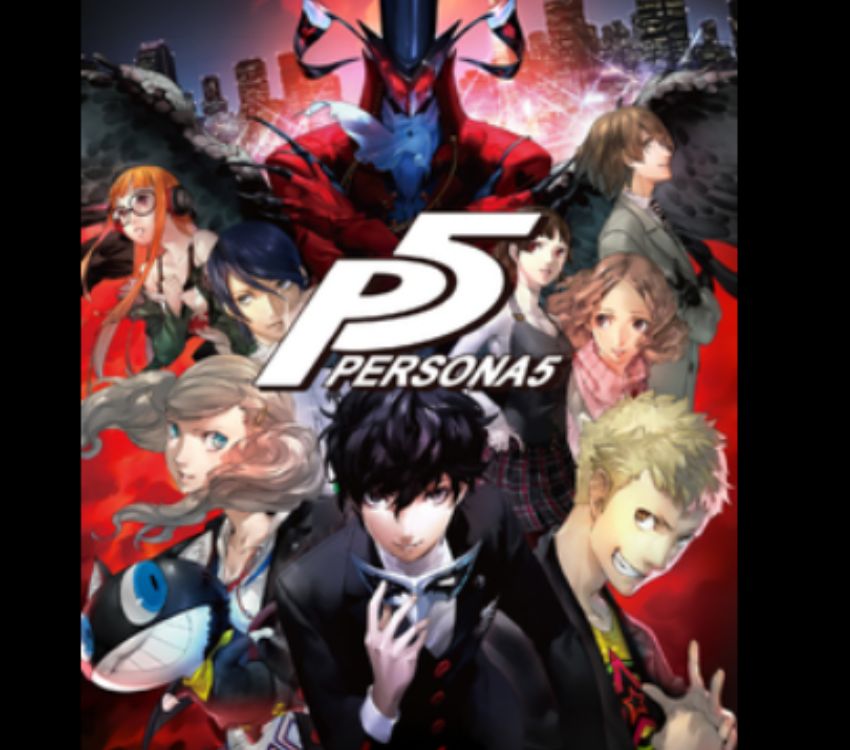
With its 100+ hour runtime and distinct anime-inspired style, Persona 5 Royal can seem intimidating. Some players assumed it would be overly niche or too long to justify the time investment. Others were unfamiliar with the series and unsure whether they needed to play previous entries. After starting it, many discovered a stylish and emotionally engaging RPG that balances dungeon-crawling with social simulation. Building relationships with characters feels meaningful, and the game’s themes of rebellion and self-discovery resonate strongly. Combined with its memorable soundtrack and slick presentation, it becomes a deeply immersive experience.
8. Subnautica

Survival games can feel repetitive or punishing, and the vast underwater setting of Subnautica initially deterred some players. The open ocean, with its unknown depths and alien creatures, can seem more stressful than entertaining. As a result, many skipped it at launch. But those who finally descended beneath the waves often describe a powerful sense of awe and discovery. The gradual progression from fragile survival to confident exploration creates an organic narrative shaped by the player’s curiosity. The game blends beauty with tension, making every new biome feel both breathtaking and dangerous.