

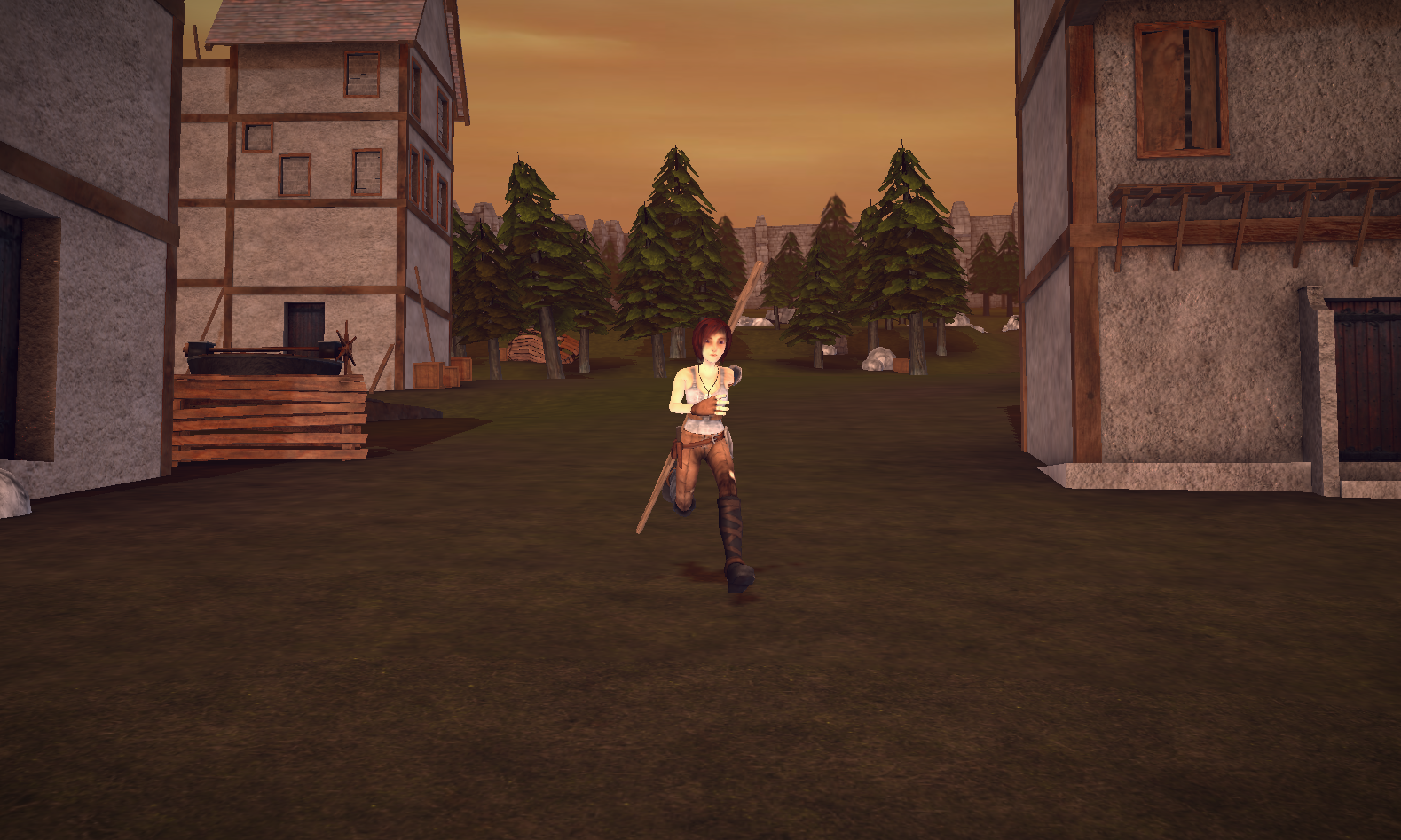


Modern games look stunning, but many veteran players feel something essential has been streamlined away. Classic titles often asked you to learn, explore, and improvise with fewer hints and fewer safety nets, turning every win into a story. Back then, limits pushed creativity: clever layouts, bold mechanics, and friends trading secrets on playgrounds and early forums. From crunchy manuals to hidden warps and high-score chases, older choices built a special bond between player and game. Here are nine features older gamers still miss that made the past feel mysterious, challenging, and wonderfully personal.
1. Paper Manuals

Old-school games often came with thick, beautifully illustrated manuals filled with lore, controls, maps, enemy breakdowns, character bios, and sometimes even short stories. Reading them felt like opening a treasure chest before you ever pressed “Start,” creating excitement and context for the adventure ahead. These manuals taught you how the world worked long before tutorials existed, helping you understand mechanics, hints, and secrets without interrupting gameplay. Today’s pop-up guides and quick tooltips may be convenient, but they lack the charm and anticipation created by flipping through real pages, studying diagrams, and discovering bits of information the game never explicitly explained.
2. Secrets You Had to Find

Classic levels were crafted like open-ended playgrounds full of subtle clues, strange walls, suspicious gaps, and optional paths that rewarded curiosity rather than hand-holding. There were no glowing markers, no “Secret Nearby” notifications, and no automated guidance nudging you toward hidden content. Instead, you explored freely, trusted your instincts, experimented with odd ideas, and learned from trial and error. When a hidden passage, extra life, or shortcut finally revealed itself, the discovery felt earned and deeply personal. Sharing these secrets with friends at school or between sessions became part of the culture, making the game world feel alive with mysteries waiting to be uncovered.
3. Cheat Codes and Fun

Cheat codes weren’t just shortcuts they were personality. Entering combinations on controllers or typing quirky passwords unlocked silly features like big-head mode, cartoon physics, infinite ammo, moon gravity, or character swaps that made the game feel fresh all over again. These weren’t always meant for cheating through challenges; they were playful tools that encouraged experimentation and gave games a unique identity. Many modern titles hide that same sense of freedom behind paid cosmetics, modding tools, or seasonal passes, making the spontaneous “try this and see what happens” joy far less common. Older cheat systems felt like insiders’ knowledge that made players feel like part of a secret club.
4. Couch Co-Op Rivalries

Nothing compares to the energy of two or four-player gatherings around a single screen, controllers in hand, shouting, laughing, and competing in real time. Couch co-op missions, split-screen races, and party games created unforgettable moments because everyone experienced every failure, comeback, and ridiculous accident together. You could see your friends’ reactions instantly, tease them, celebrate with them, or challenge them right away without menus or matchmaking. Online multiplayer may be bigger and more convenient today, but it can’t truly replicate the spontaneous fun of passing controllers.
5. Hard on Purpose

Older games often challenged players with steep difficulty curves that demanded patience, timing, and genuine mastery. There were no adjustable difficulty sliders, live patches, or endlessly forgiving checkpoints. Instead, you were encouraged to study enemy patterns, memorize level layouts, and sharpen your reflexes through repeated attempts. Every victory felt meaningful because the game didn’t compromise it expected you to rise to the challenge. While modern titles offer accessibility and optional difficulty modes (which help many players), that sense of “the game won’t bend, so I have to get better” has become less common.
6. Fast, Simple Menus

Classic games respected your time. You powered on the console, tapped Start, picked a mode, and were playing within seconds. There were no launchers, multi-step logins, pop-up notifications, limited-time events, season pass updates, or pages of in-game currencies to navigate first. Constraints of older hardware pushed developers to prioritize clean, efficient menu design, and the result was a frictionless experience that put gameplay above everything else. Modern titles, while feature-rich, often bury players beneath layers of UI screens and mandatory updates before anything can begin.
7. Unlocks Through Skill

In classic games, extra costumes, bonus characters, alternate endings, concept art, and special modes were rewards you unlocked through effort and exploration, not purchases. Every hidden challenge completed or milestone reached felt like opening a gift the developers left behind as a thank-you for your dedication. These unlockables encouraged replaying levels, mastering skills, and digging deeper into game content. Today, a significant portion of extras are locked behind microtransactions, battle passes, cosmetic stores, or time-limited events. While not always bad, this shift has made rewards feel less personal and less connected to player achievement.
8. Arcade High-Score Pride

High-score systems were once at the heart of gaming, especially in arcades and early home consoles. They pushed players to replay stages over and over, perfecting their routes, sharpening combos, and shaving seconds off their best runs. Competing to put your initials at the top of a scoreboard, whether in a local arcade or on a friend’s console, was a badge of honor. It created friendly rivalries that kept games alive for years. While some modern titles still include leaderboards, many big releases emphasize progression systems, XP leveling, or unlock tracks instead of pure performance.
9. Games That Actually Ended

Classic games typically had a beginning, a middle, and a satisfying end. You reached the final boss, watched the credits, and enjoyed a well-defined sense of closure. Replay value existed, but finishing the game meant something; it was a milestone you could proudly share. Modern games, especially live-service titles, often prioritize continuous engagement, with ever-expanding updates, seasonal events, and progression loops that never truly conclude. While this model keeps worlds active, it can also dilute the joy of finishing a story and reflecting on the journey. Many older players miss the feeling of completing a game fully.