

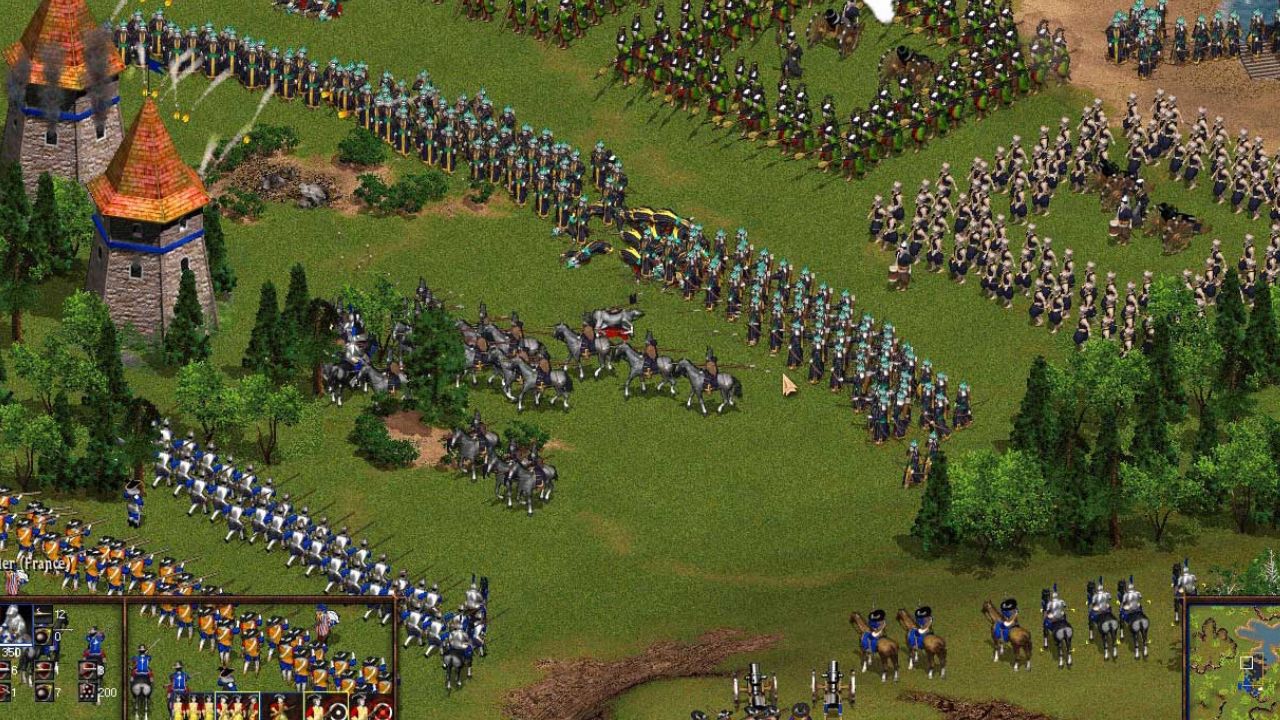

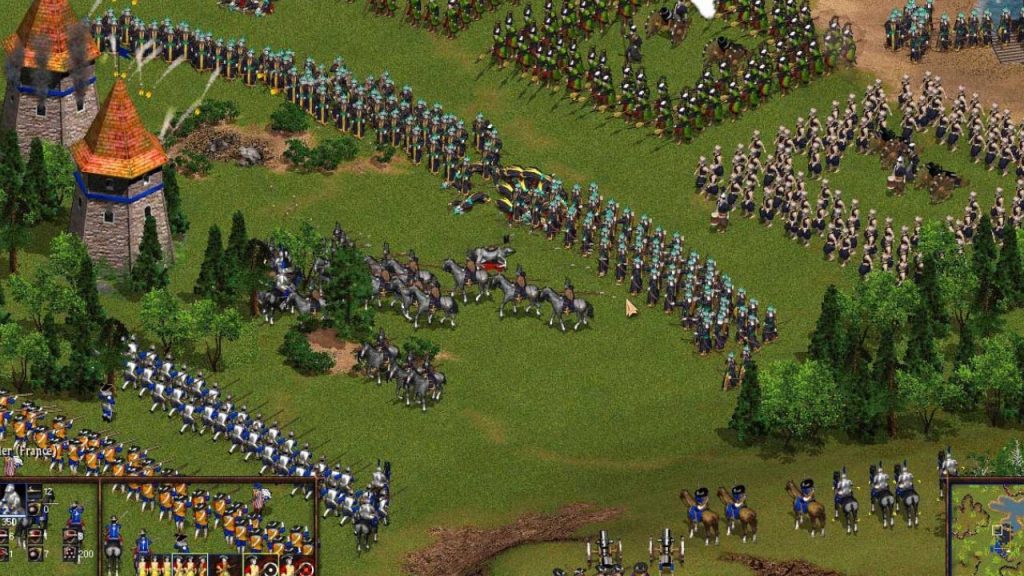
In competitive gaming, fast reflexes and sharp aim often get the spotlight. But not every game is decided by who clicks the fastest or lands the most precise headshot. Some titles reward planning, positioning, teamwork, resource management, and long-term decision-making far more than raw mechanical skill. In these games, thinking ahead can be more powerful than shooting straight. Anticipating opponents, adapting strategies mid-match, and coordinating with teammates often create the biggest advantages. Here are nine competitive games where strategy matters more than aim.
1. League of Legends
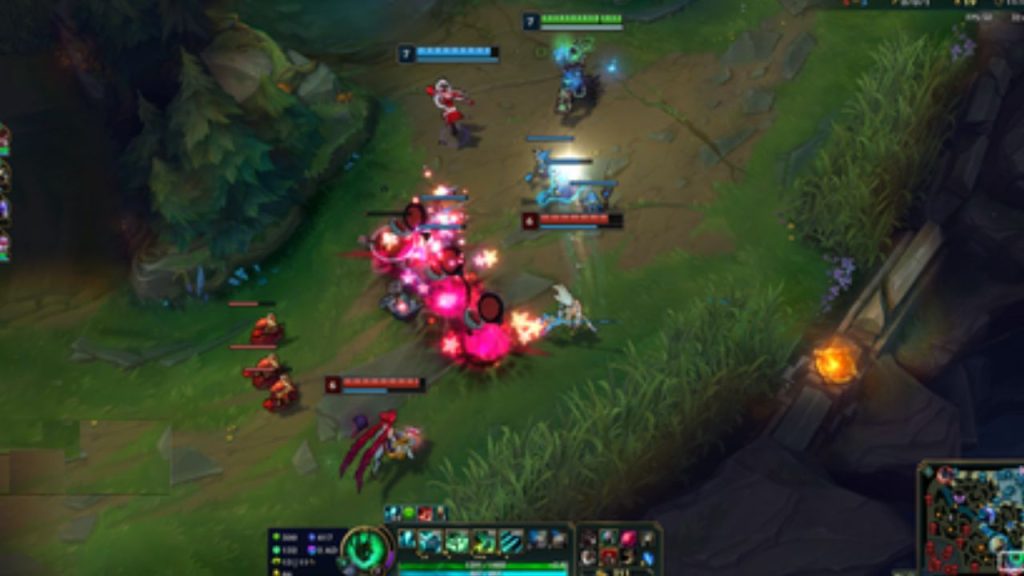
League of Legends is a masterclass in strategic depth. While mechanical skill helps in duels, victory often comes down to map awareness, objective control, and team coordination. Managing minion waves, securing vision around key objectives, and rotating at the right moment can completely change a match’s direction. Draft strategy during champion select also plays a critical role, as strong compositions often counter opponents before the game even begins. Tracking jungle paths, understanding power spikes, and coordinating team fights require constant communication and planning. Smart macro decisions frequently outweigh flashy individual plays and mechanical outplays.
2. Dota 2
Dota 2 pushes strategic complexity even further. Drafting heroes with synergy, counter-picks, and scaling potential plays a massive role before the match even begins. Controlling the map, securing key objectives like Roshan, and understanding precise timing windows are essential at higher levels. Managing gold efficiently and knowing when to fight, defend, or farm often separates winning teams from losing ones. Vision control, smoke ganks, and split pushing can dismantle opponents who rely only on mechanical skill. Dota rewards patience, discipline, coordination, and calculated risk-taking far more than quick reflexes alone.
3. Valorant
Although Valorant is a shooter, strategy often outweighs aim. Agent abilities, coordinated site executions, and smart defensive setups are crucial to securing rounds. Economy management across rounds determines weapon access, ultimate usage, and overall tactical flexibility. Teams that communicate clearly, manage utility efficiently, and adapt their approach mid-match consistently outperform players relying purely on aim duels. Proper positioning, crossfires, and well-timed ability combinations can completely shut down aggressive pushes. Reading opponents, predicting rotations, and controlling map space can be just as impactful as landing a perfect headshot. opponents and predicting rotations can be just as impactful as landing a perfect headshot.
4. Tom Clancy’s Rainbow Six Siege
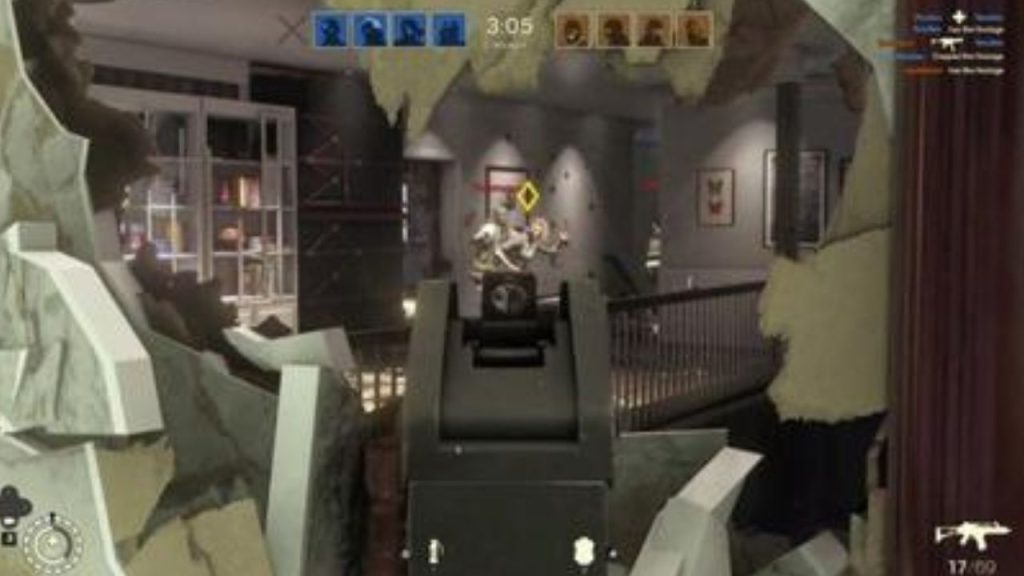
Rainbow Six Siege revolves around preparation and information gathering. Reinforcements, gadget placement, and drone scouting define the early stages of every round, setting the tone before shots are even fired. Vertical play, destructible environments, and coordinated pushes create layers of tactical depth rarely seen in other shooters. Teams that carefully plan their attack routes, manage utility, and establish defensive crossfires usually gain the upper hand before gunfights even begin. Adaptability and clear communication are essential, as one smart strategy can dismantle even the strongest aim-focused opponents.
5. Teamfight Tactics
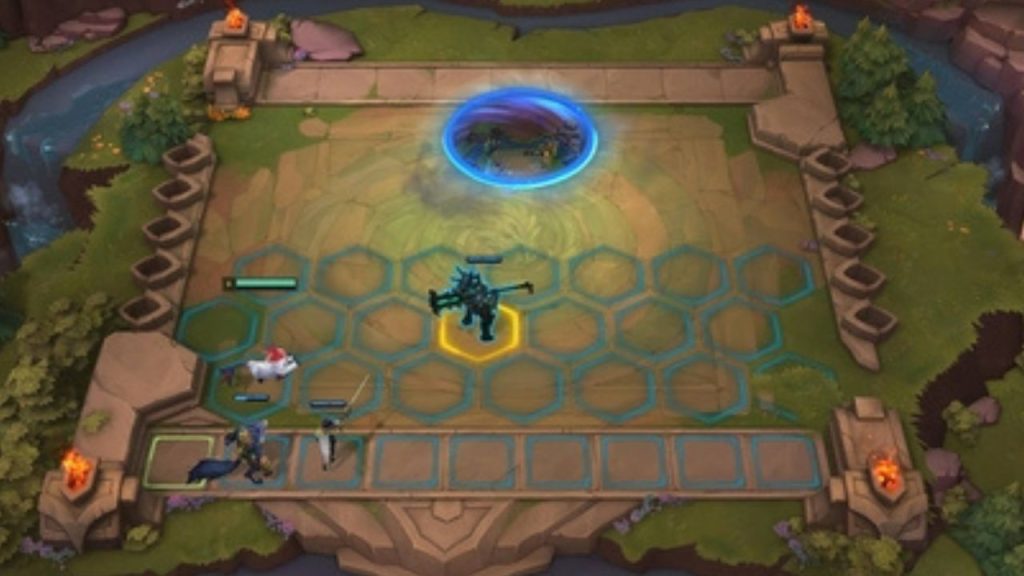
Teamfight Tactics removes aiming entirely and focuses purely on decision-making. Players must balance economy management, unit positioning, and synergy building across multiple rounds while carefully tracking opponent boards. Adapting to the evolving board state and countering opponents’ compositions requires awareness, patience, and flexibility. Success often depends on smart resource allocation, knowing when to level up, and when to roll aggressively for upgrades. Understanding item optimization and late-game transitions can determine final placements. Long-term planning and strategic adaptation ultimately decide who consistently finishes at the top.
6. StarCraft II
StarCraft II demands exceptional macro management and tactical foresight. Expanding bases at the right time, scouting enemy strategies, and choosing build orders shape the outcome long before armies clash. While fast reactions help in micro battles, overall economic growth, unit composition, and perfectly timed attacks are usually far more decisive. Players who anticipate strategies, counter build paths, and adapt their production accordingly gain a massive edge. Maintaining map control and denying enemy expansions further strengthens strategic dominance. Strategic vision consistently outweighs mechanical speed at higher competitive ranks.
7. Clash Royale
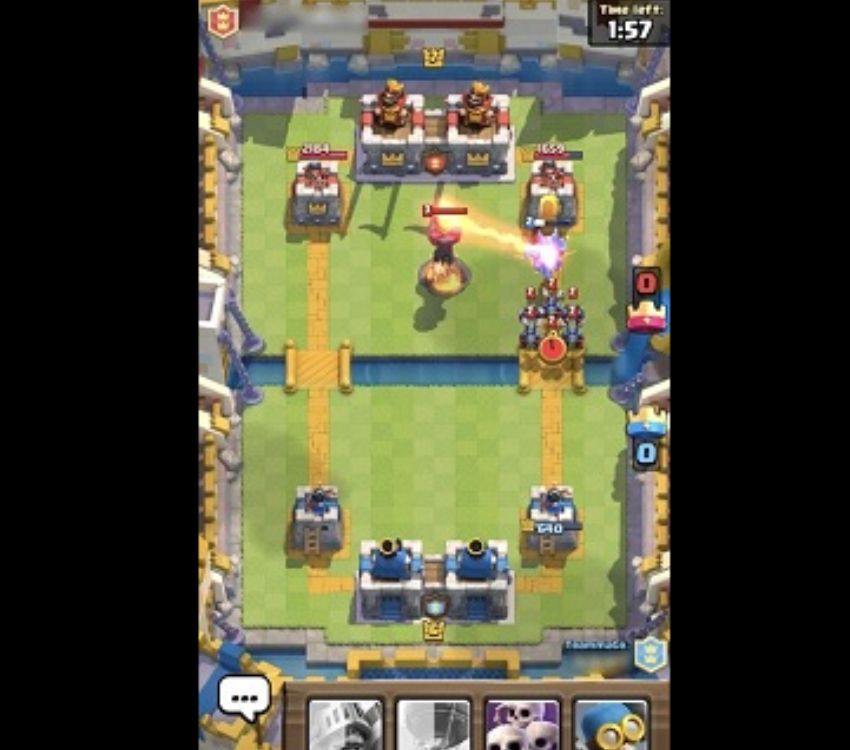
Clash Royale blends quick matches with deep strategic layers. Managing elixir efficiently, rotating cards intelligently, and predicting opponent counters are critical skills. Players must balance offense and defense while maintaining tempo throughout the match, carefully deciding when to apply pressure and when to conserve resources. Smart deck construction also plays a significant role, as synergy, win conditions, and counter options determine long-term success. Understanding timing, baiting key cards, and controlling lane pressure often matter more than raw reaction speed or mechanical precision.
8. Hearthstone
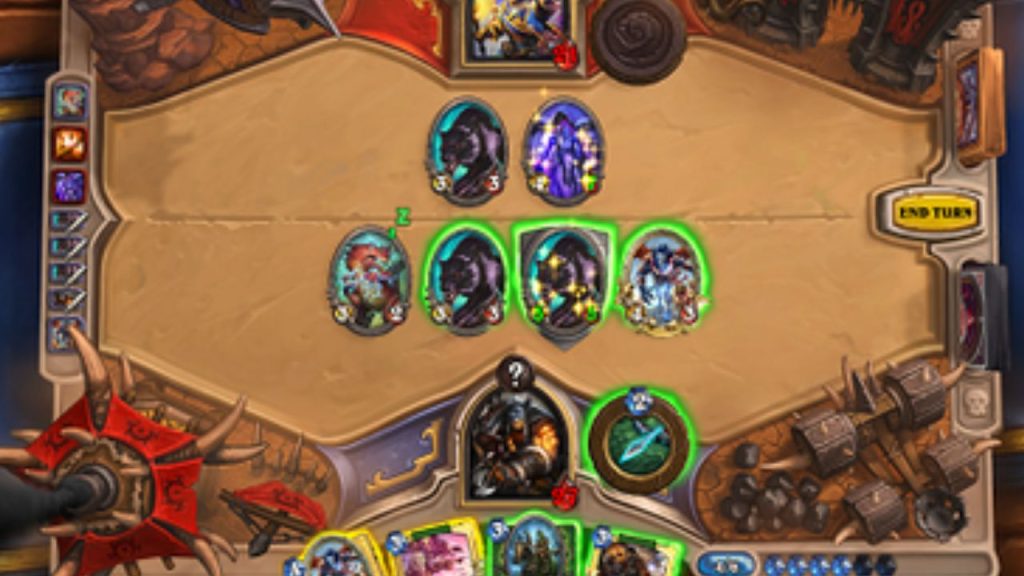
Hearthstone emphasizes planning multiple turns ahead. Deck building strategy, resource timing, and understanding win conditions define competitive success. Skilled players carefully manage board control while anticipating opponent responses and adjusting their tempo accordingly. Bluffing, baiting removal spells, and calculating probabilities add layers of depth beyond simple card draws. Knowing when to pressure, when to trade, and when to hold key cards can determine the outcome of an entire match. Strategic foresight, patience, and adaptability frequently outweigh quick decisions or reactive play.
9. Civilization VI
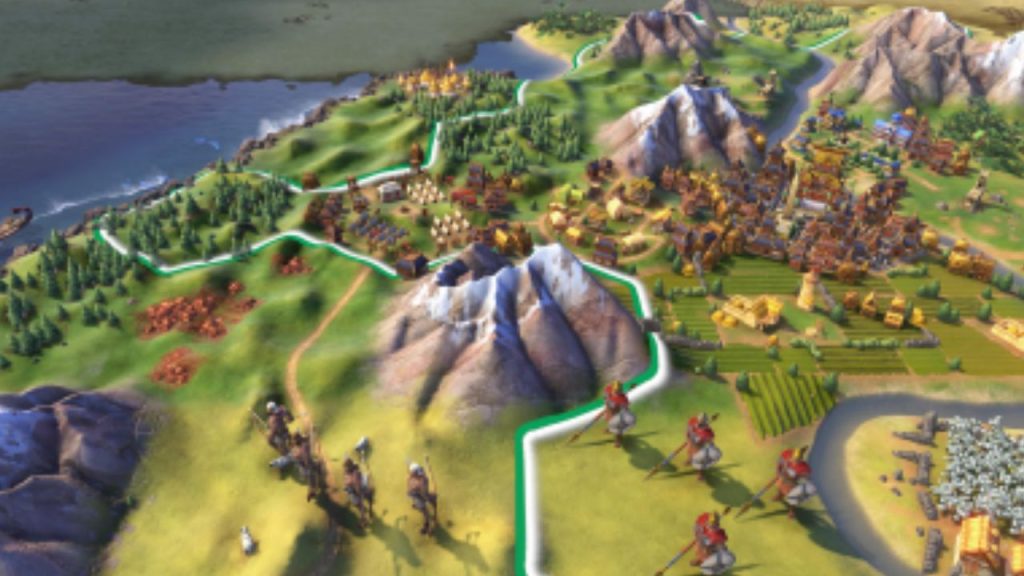
Civilization VI is built entirely around long-term planning and strategic development. Players must manage resources, diplomacy, military strength, and technological progress simultaneously while balancing expansion with sustainability. Choosing the right victory path, science, culture, domination, or diplomacy requires thoughtful commitment and adaptability as the global landscape shifts. Multiplayer matches reward patience, negotiation, trade agreements, and calculated expansion rather than aggressive impulse decisions. Every choice, from city placement to policy selection, shapes the future outcome. In this game, success belongs to those who think dozens of turns ahead rather than react instantly.