


Games don’t always become great on day one. Some launch with missing features, weak content, or performance issues that push players away fast. But a few titles refuse to stay down. Through years of patches, reworks, and major expansions, they slowly rebuild trust and deliver the experience people originally hoped for. This list highlights nine games that turned rough starts into strong reputations, often after the hype had faded and most players had already moved on.
1) No Man’s Sky
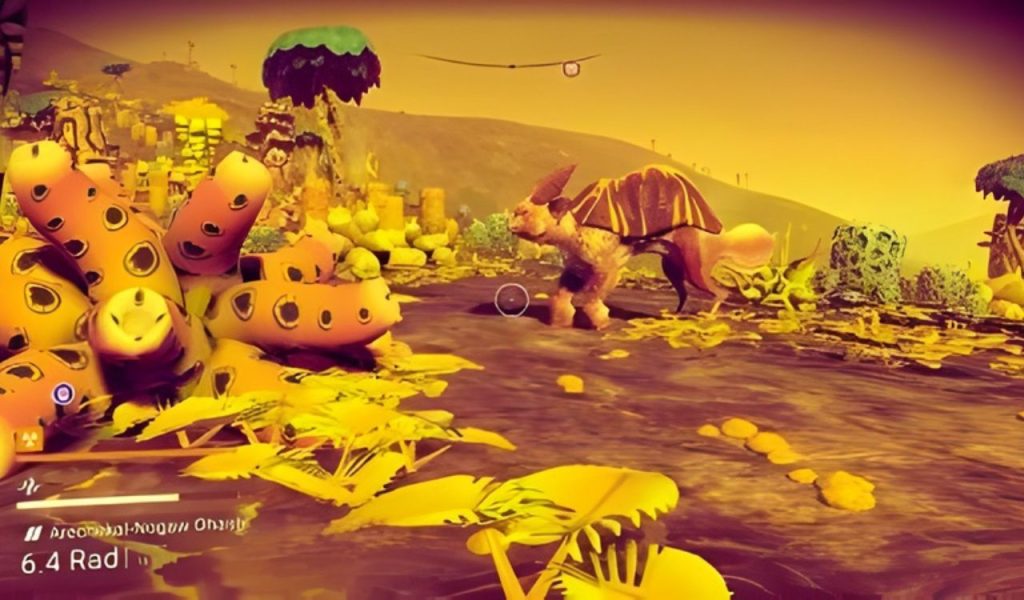
No Man’s Sky is the comeback story people still bring up because the change is real. At launch, it felt unfinished: exploration got repetitive fast, promised features were missing, and disappointment spread quickly. Most players left. Instead of walking away, the team kept rebuilding it through years of free updates. They added base building, true multiplayer, VR support, richer missions, better variety, and big upgrades to graphics and progression. If you return today, you’re not playing a patched release. You’re exploring a deeper universe with more goals, tools, and reasons to keep going. It’s a case where patience and hard work turned a cautionary tale into a favorite.
2) Cyberpunk 2077
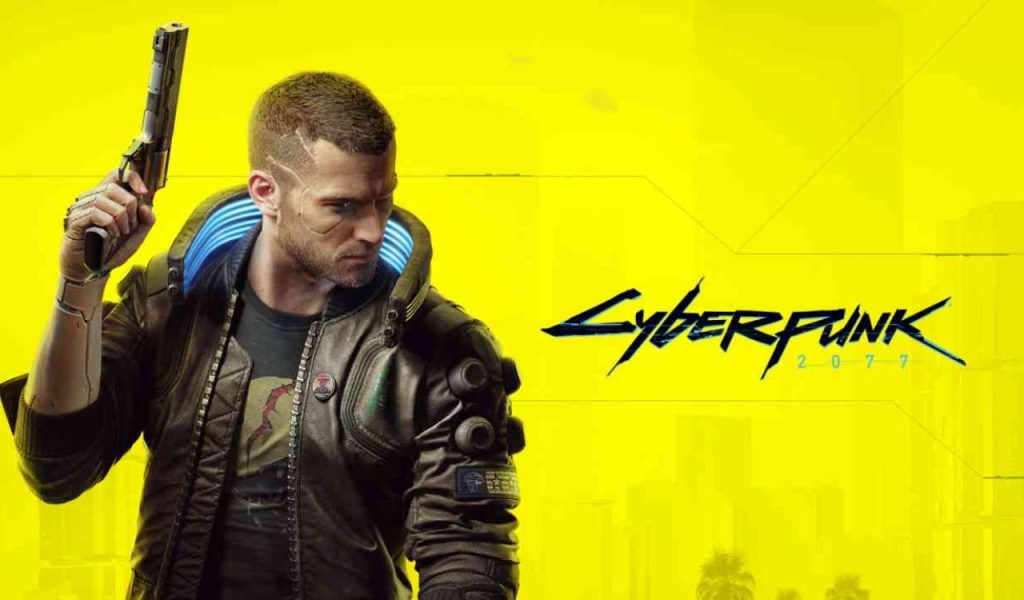
Cyberpunk 2077 didn’t just launch rough; it launched broken for many players, especially on consoles. Bugs, crashes, and weak performance buried what should have been a big RPG moment. A lot of people refunded it and moved on. But CD Projekt Red kept patching, polishing, and rebuilding key systems instead of only fixing small glitches. The 2.0 overhaul changed combat flow, perks, police behavior, and overall balance, making builds feel meaningful. Phantom Liberty added stronger story pacing and a new area worth exploring. Today, it feels far closer to the immersive, choice-driven experience players expected at release.
3) Final Fantasy XIV
Final Fantasy XIV is one of the few games that admitted failure and started over. The original version launched in such poor shape that Square Enix shut it down and rebuilt it from the ground up. That reboot, A Realm Reborn, wasn’t a simple patch. It redesigned core systems, improved performance, and delivered a clearer, more rewarding MMO loop. Over time, expansions added standout storytelling, better job design, and rich endgame content. Many players who wrote it off in the beginning never saw the turnaround, but the game grew into a top-tier MMO with a loyal community and constant support.
4) Battlefield 2042
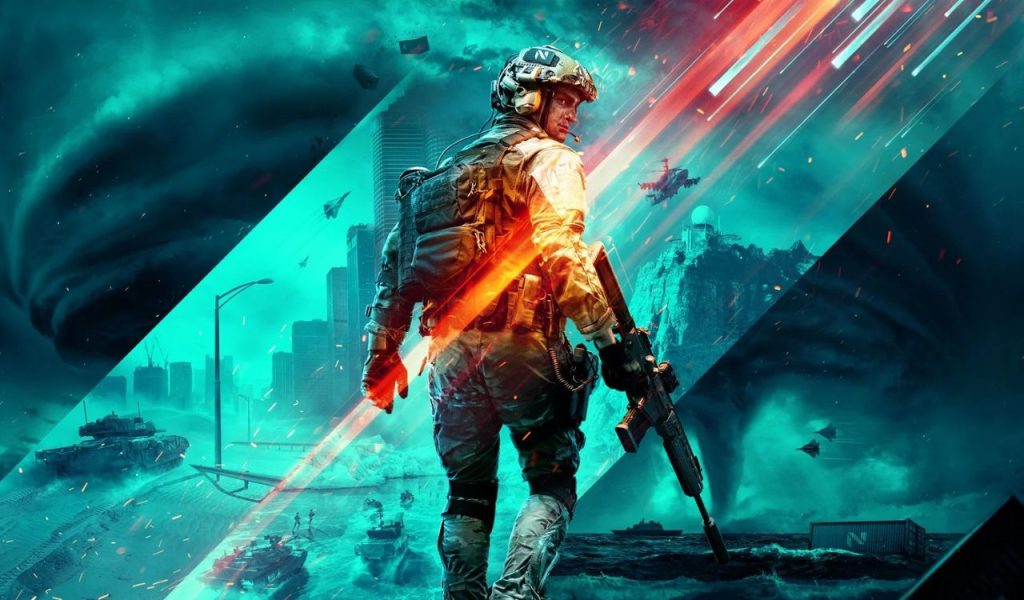
Battlefield 2042 was released missing things fans saw as basic, and it struggled with performance and messy map design. It didn’t feel like the Battlefield experience players expected, so the crowd dropped fast. Over time, updates brought back stronger class identity, improved movement and gunplay feel, and reworked maps to play better in real matches. More modes and content helped, but the biggest win was stability and clarity. It’s still not everyone’s favorite entry, yet it’s now a much more complete and playable shooter than its launch version, especially for those who return with fresh expectations.
5) Sea of Thieves
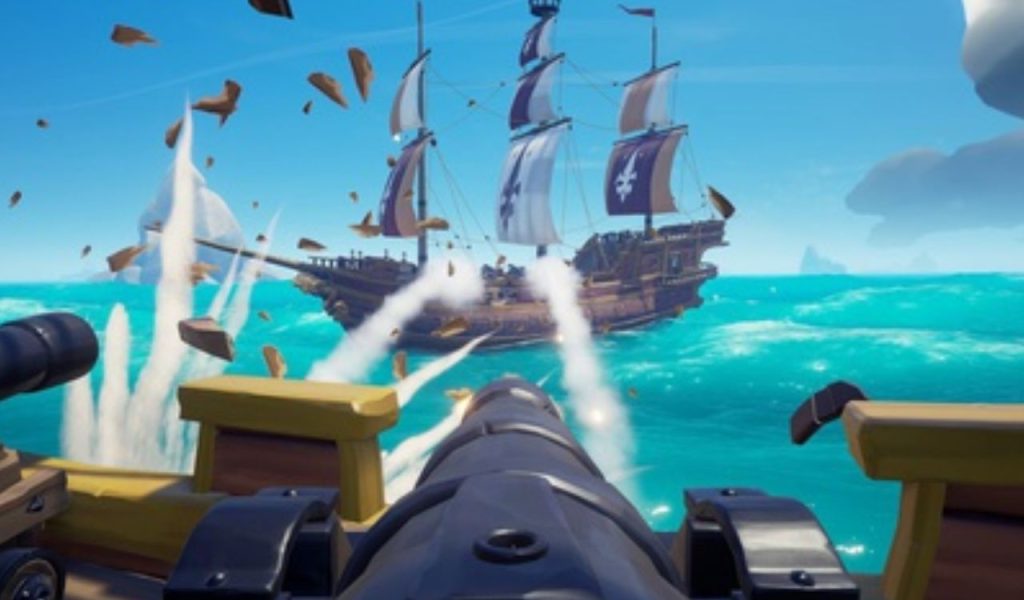
Sea of Thieves looked beautiful at launch, but many players felt there wasn’t enough to do beyond sailing, fighting, and repeating the same loops. The world felt empty once the novelty faded. Rare kept expanding it with years of updates that added story-driven Tall Tales, new world events, deeper progression, and more reasons to team up. The game slowly became richer and more rewarding, with clearer goals and more variety in each session. Players who come back now find a co-op pirate adventure that feels alive, full of surprises, and built for long-term play.
6) Fallout 76
Fallout 76 launched as a lonely, buggy wasteland, and the absence of human NPCs made it feel strange for a Fallout game. Many players bounced early because it lacked the story weight and structure the series is known for. Over time, updates added major quality-of-life improvements, better stability, and more meaningful things to do. The Wastelanders update was a turning point, bringing in NPCs, dialogue choices, and real questlines that made the world feel less empty. It’s still a multiplayer-focused Fallout, but it became far more playable and closer to the experience fans wanted.
7) Star Wars Battlefront II
Battlefront II is remembered for the loot box backlash more than its gameplay, and that controversy pushed many players away immediately. The early progression systems felt unfair, and trust collapsed fast. Later, the game was reshaped: pay-to-win concerns were removed, progression became cleaner, and new content arrived for years. With more heroes, maps, and improvements to balance, the game matured into a solid Star Wars shooter with great atmosphere and satisfying large-scale battles. A lot of people never returned after the drama, but those who did found a far better game than the one that launched.
8) Halo: The Master Chief Collection
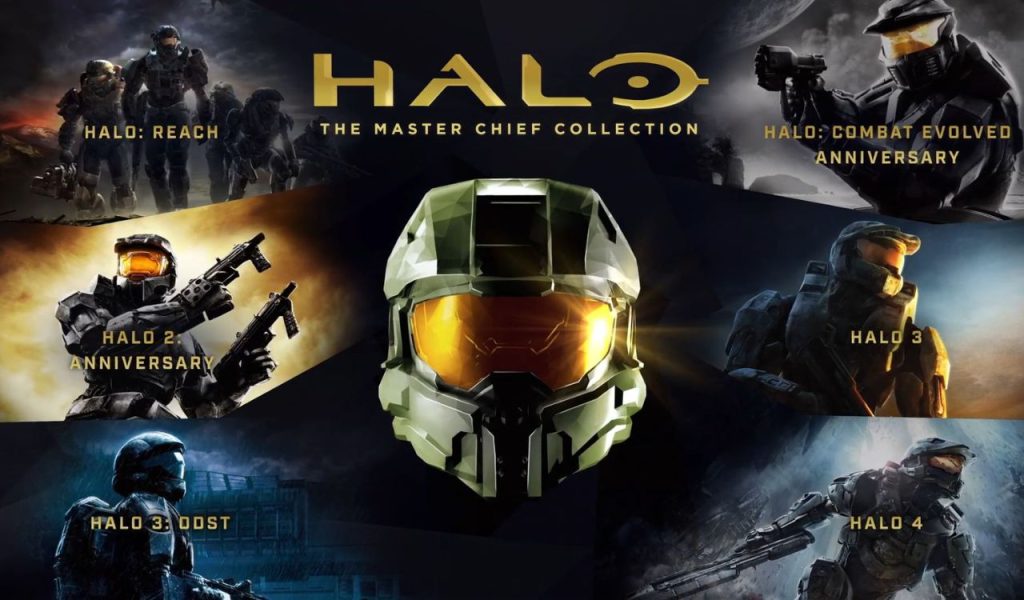
The Master Chief Collection should have been an easy win, but its launch was a mess, especially online matchmaking. For a Halo package built around multiplayer, that was a disaster, and many fans gave up on it. What followed were years of technical repairs: better networking, more stable matchmaking, improved performance, and missing features brought up to standard. Later additions like Halo: Reach and Halo 3: ODST made it feel more complete, and the PC release gave it new life. Today it finally works as the definitive Halo collection it was meant to be.
9) Rainbow Six Siege
Rainbow Six Siege didn’t explode at launch. It started with a smaller audience and mixed opinions, and it took time for players to see its depth. Ubisoft treated it like a long-term platform instead of a one-time release. Seasons brought new operators, map updates, balance changes, and regular fixes that slowly refined the competitive experience. As the gunplay and strategy matured, the community grew, and Siege became one of the most recognized tactical shooters out there. The early version feels basic compared to what it evolved into, which is why its rise is so impressive years later.