

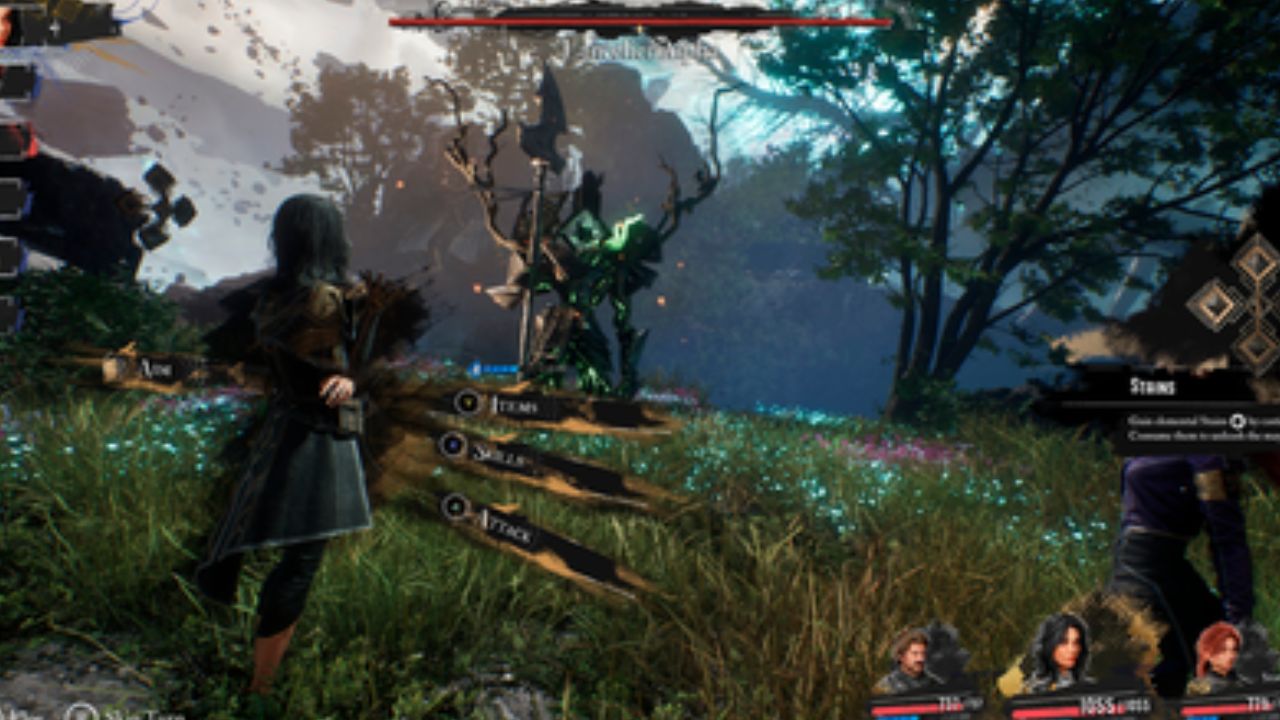

The gaming industry has always inspired strong opinions, but this year felt especially intense. Social media platforms, forums, and video essays turned nearly every major release into a cultural conversation. Players today are more informed, more connected, and more vocal than ever before. As a result, when a game launches with bold design choices, controversial systems, or unexpected creative shifts, the discussion spreads instantly. Some debates centered on monetization and performance, while others focused on storytelling risks or industry ethics. What follows is a deeper look at nine games that didn’t just release this year; they dominated online discourse for months.
1. Helldivers 2
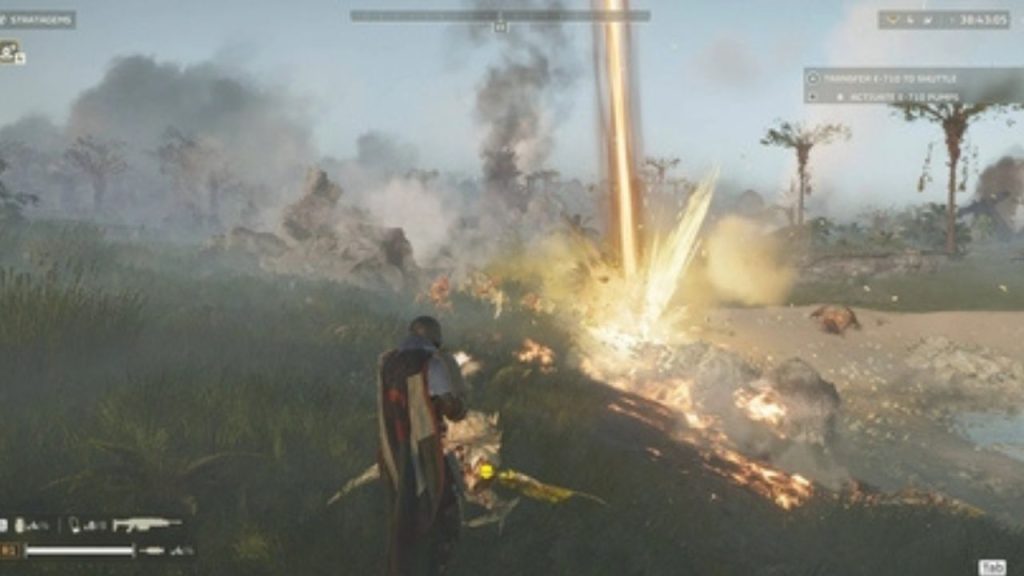
When Helldivers 2 launched, it quickly became one of the most talked-about multiplayer experiences of the year. Its chaotic cooperative gameplay, cinematic explosions, and community-driven objectives helped it build a passionate player base almost overnight. However, the conversation shifted dramatically when policy changes surrounding account requirements created frustration among players. Many fans felt blindsided, arguing that post-launch restrictions undermined consumer trust. Others defended the publisher’s decision as part of modern online infrastructure management. The debate expanded beyond the game itself, becoming a larger conversation about digital ownership, platform ecosystems, and how much control publishers should have over already-purchased products.
2. Starfield
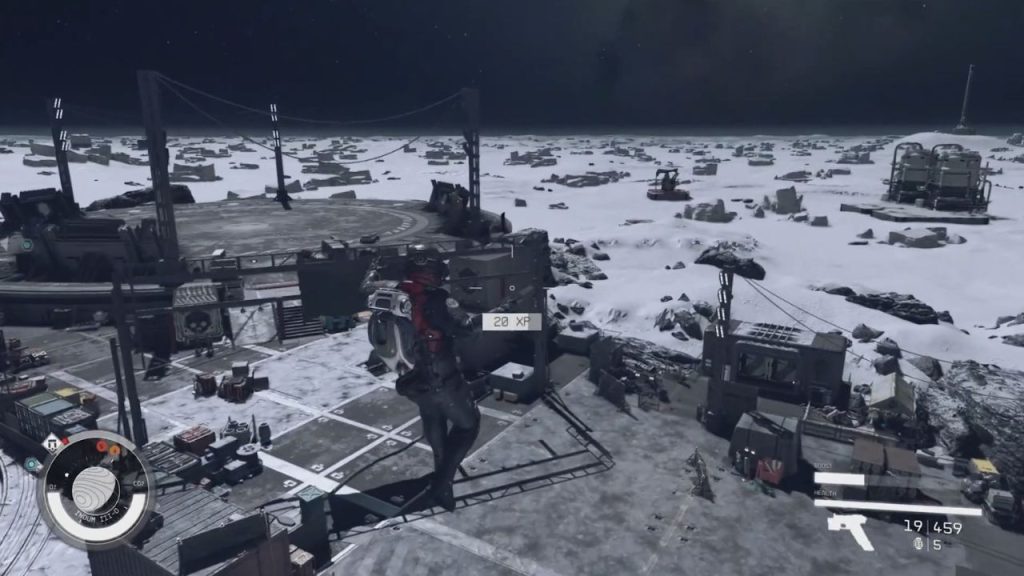
Although released previously, Starfield continued fueling debates well into this year as updates, mods, and player reassessments shaped its reputation. Some players praised its ambitious scale, faction quests, and classic Bethesda-style freedom. Others criticized its procedural planets, loading screens, and exploration loop, arguing that the vastness sometimes felt repetitive rather than immersive. The divide became symbolic of a broader industry question: should RPGs prioritize handcrafted density or expansive scale? As modders improved systems and added features, new arguments emerged about whether community fixes should be necessary for a full-priced title. The ongoing discussion proved that expectations for large-scale RPGs are higher than ever.
3. Palworld
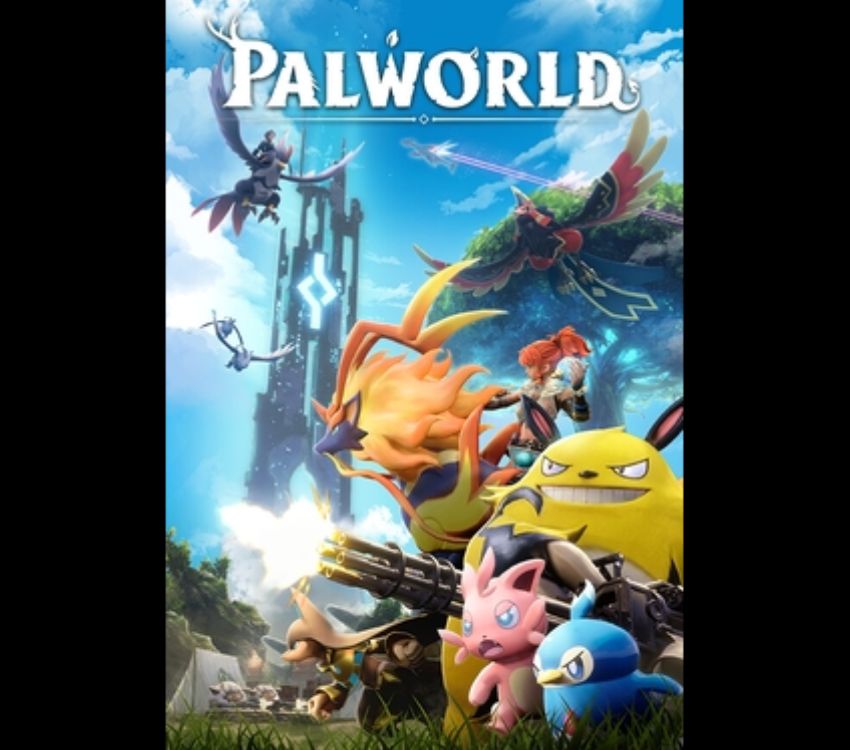
Few games exploded into public consciousness as quickly as Palworld. Its creature-collecting mechanics, combined with firearms and survival crafting, instantly grabbed attention. Supporters applauded its bold tone, addictive gameplay loop, and surprising depth beneath the viral premise. Critics, however, questioned the originality of its creature designs and whether it leaned too heavily on familiar inspirations. Online comparisons sparked heated threads, with fans debating artistic influence versus imitation. At the same time, the game’s massive sales success complicated the narrative, proving there was a huge appetite for its formula. The discourse ultimately highlighted how originality, homage, and market demand can collide in unpredictable ways.
4. Final Fantasy VII Rebirth
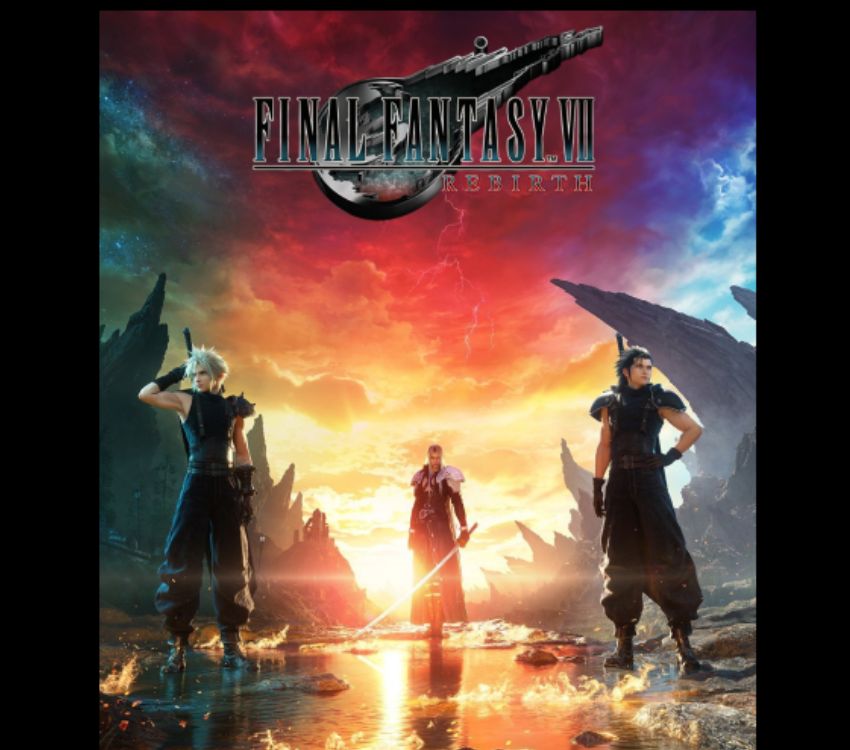
As the second entry in a beloved remake trilogy, Final Fantasy VII Rebirth carried enormous expectations. Many players celebrated its expanded world design, deeper character moments, and ambitious reinterpretation of iconic story beats. Others felt that significant narrative deviations risked alienating fans who cherished the original’s structure. The discussion became emotional at times, reflecting how deeply connected audiences are to this decades-old story. Some praised the developers for having the courage to surprise longtime players rather than simply recreating scenes beat-for-beat. The divide underscored a fundamental tension in modern remakes: whether they should preserve nostalgia perfectly or evolve classics for a new generation.
5. Dragon’s Dogma 2
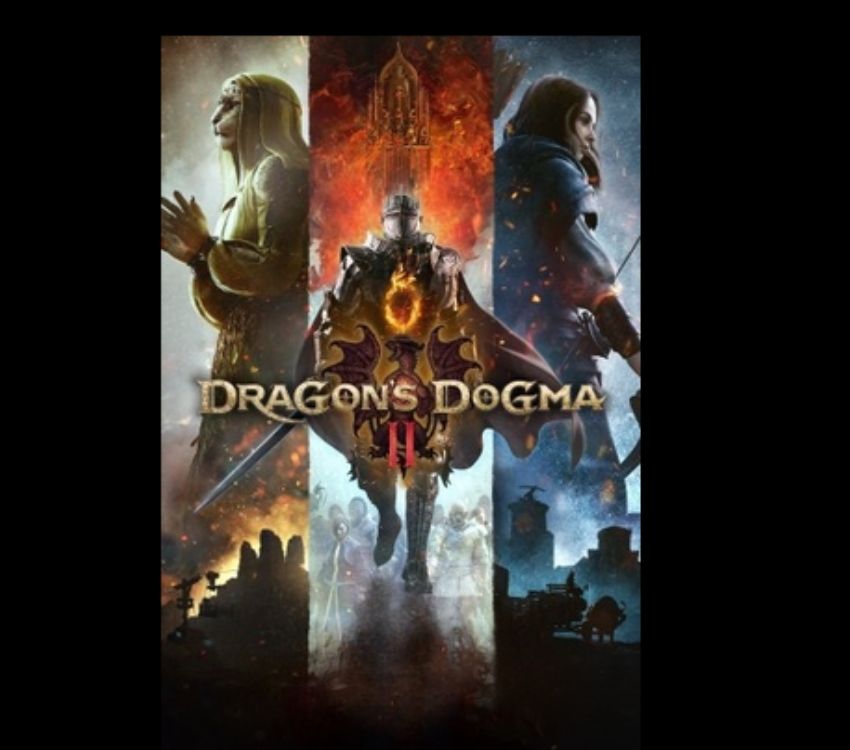
Dragon’s Dogma 2 was celebrated for its dynamic combat system, emergent pawn companions, and unpredictable open-world encounters. Many players admired its refusal to over-explain mechanics, encouraging experimentation and discovery. However, performance issues at launch and the inclusion of optional microtransactions sparked backlash. Critics argued that technical instability overshadowed its design strengths, while debates over monetization reignited broader concerns about single-player games adopting live-service habits. Defenders countered that the microtransactions were non-essential and did not disrupt gameplay balance. The conversation ultimately reflected growing sensitivity around pricing transparency and the expectation that premium titles deliver both polish and restraint in monetization.
6. Suicide Squad: Kill the Justice League
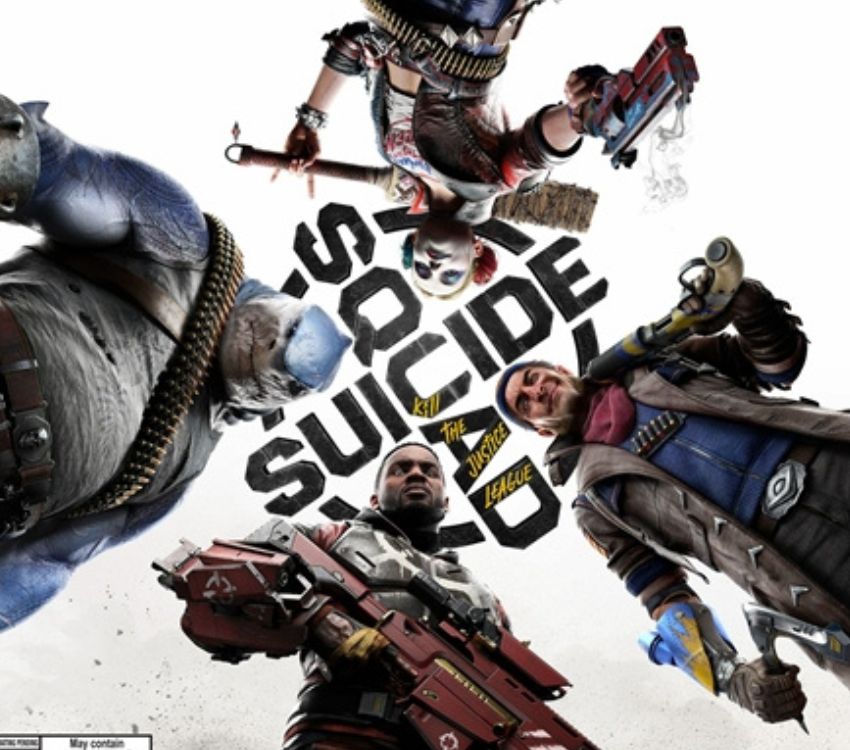
When Rocksteady shifted from its critically acclaimed single-player formula to a live-service looter-shooter model with Suicide Squad: Kill the Justice League, reactions were immediate and divided. Some players appreciated the fast-paced combat and cooperative design, viewing it as a bold reinvention. Others felt the studio abandoned the focused storytelling and atmospheric world-building that defined its earlier successes. The live-service structure, gear progression systems, and content roadmap became central to debates about whether every franchise needs a multiplayer monetization framework. For many fans, the discussion wasn’t just about gameplay; it was about identity, legacy, and whether studios should evolve or protect what made them beloved in the first place.
7. The Last of Us Part II Remastered
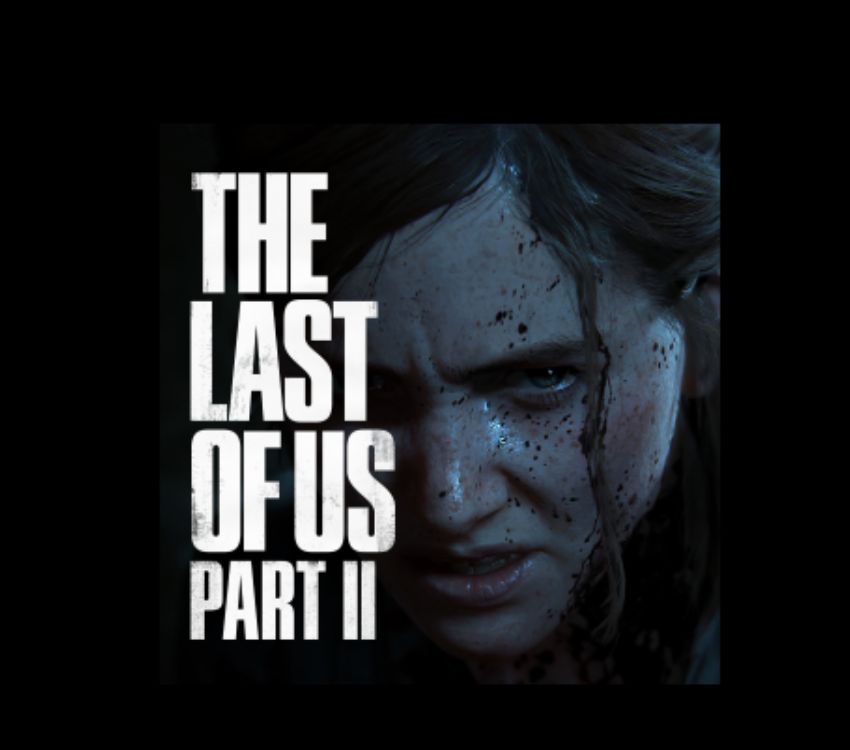
The remastered release reignited conversations that began years ago while introducing technical upgrades and new gameplay modes. Supporters argued that enhanced visuals, improved performance, and added content justified its existence on modern hardware. Critics questioned whether a relatively recent title needed a premium-priced upgrade at all. Some players saw it as preservation for new audiences, while others perceived it as an unnecessary repackaging. The renewed spotlight also reopened story debates from the original launch, proving how long-lasting certain narratives can be in gaming culture. The remaster ultimately became part of a larger discussion about how often games should be re-released in the modern console cycle.
8. Hades II
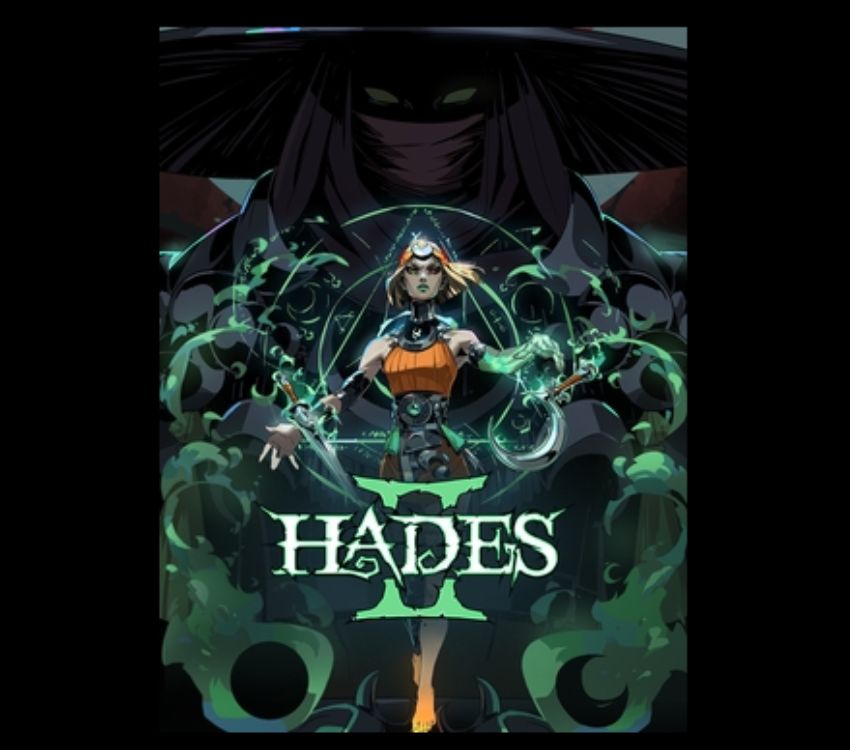
When Hades II entered early access, excitement was overwhelming. Fans praised its refined combat, expanded mythology, and polished art direction even in its unfinished state. However, its early access launch revived debates about development transparency and consumer patience. Some players love participating in evolving projects, offering feedback, and watching improvements unfold in real time. Others prefer waiting for a complete experience and worry that early access can normalize paid unfinished products. In this case, the developer’s strong track record built trust, but the conversation still highlighted contrasting philosophies about how and when games should reach the public.
9. Black Myth: Wukong
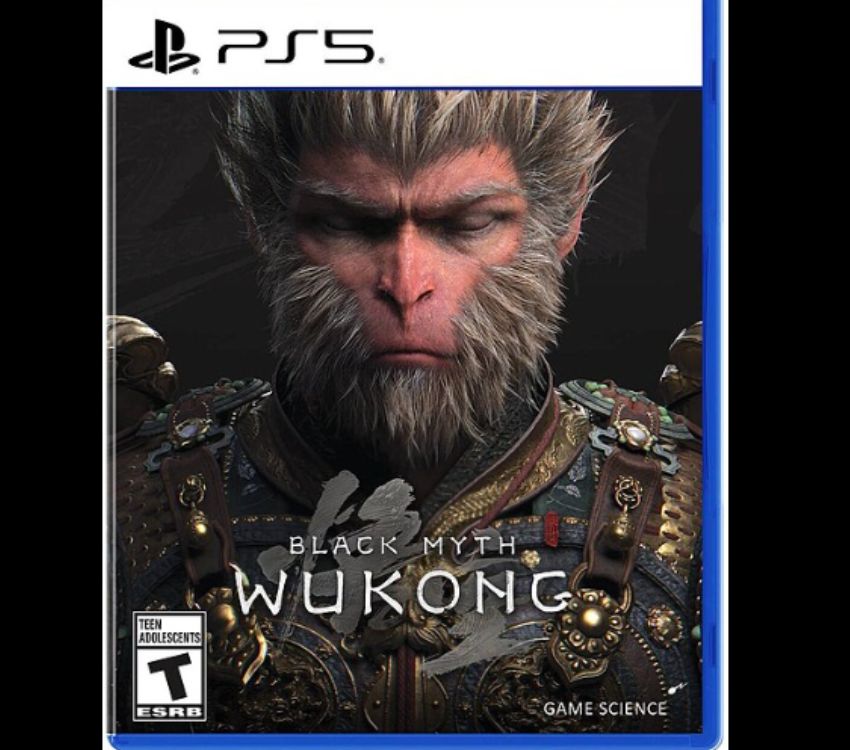
Few titles carried as much anticipation as Black Myth: Wukong. Its stunning Unreal Engine visuals and mythological inspiration captivated global audiences long before release. Once gameplay footage and impressions spread, debates surfaced around difficulty comparisons to other action RPGs, representation of cultural folklore, and whether hype had created unrealistic expectations. Some praised it as a milestone for Chinese-developed AAA games reaching a global market. Others scrutinized performance benchmarks and design clarity. The intense attention illustrated how modern marketing cycles amplify both praise and criticism, turning highly anticipated titles into lightning rods for industry-wide conversations.