



Modern games often layer mechanics quietly, trusting players to explore rather than forcing long tutorials. That freedom can be rewarding, but it also means key systems go unnoticed for hours. Sometimes it is a crafting mechanic that seems optional, sometimes a combat upgrade buried in menus. Players adapt, struggle, and move forward without realizing a major advantage was available all along. These discoveries can completely reshape difficulty, pacing, and strategy, turning frustration into clarity once the overlooked feature finally clicks into place and reframes how the entire game is meant to be played.
1. The Legend of Zelda: Breath of the Wild

In this open-world adventure, many players left the Great Plateau without fully understanding cooking depth. While the game shows how to combine ingredients, it never forces advanced experimentation. As a result, players wandered into deserts or snowy mountains without resistance meals, struggled through fights without attack boosts, and assumed difficulty spikes were intentional. Only later did they discover that proper recipes provide powerful buffs, extra hearts, and climate protection, dramatically smoothing exploration and making survival far more strategic and forgiving during extended exploration across the vast regions of Hyrule.
2. The Witcher 3: Wild Hunt

A surprising number of players ignored alchemy for dozens of hours, relying mainly on swordplay and simple signs. Potions, oils, and decoctions are introduced early, but lower difficulties rarely demand preparation. Later contracts become far easier when blade oils target specific monsters and potions boost stamina regeneration or damage resistance. Many eventually realize that preparation defines combat balance. Once embraced, alchemy transforms encounters from chaotic duels into carefully planned hunts built around knowledge and tactical advantage. It reinforces the fantasy of being a professional monster hunter.
3. Dark Souls

Early progress in this action role-playing game often happens without fully understanding upgrade systems. Some players never grasp that blacksmiths improve weapons, not bonfires alone, while others overlook kindling to increase healing uses. Because guidance is minimal and dialogue cryptic, hours pass before these systems become clear. Upgrading gear significantly boosts damage scaling, and extra healing changes survivability in tough areas. Discovering these mechanics late can make once brutal zones feel unexpectedly manageable and fair. The shift often renews confidence in tackling previously avoided paths.
4. Skyrim

In this expansive fantasy world, several players missed mechanics like sprinting or stamina-based power attacks during early play. Prompts appear briefly, but amid quests and combat, they are easy to forget. Without sprinting, travel feels slower and exploration less fluid. Ignoring power attacks reduces combat variety and damage potential. When players eventually experiment with stamina management and aggressive strikes, battles feel more dynamic, and long journeys across the province become significantly more efficient. Small control discoveries can meaningfully reshape how the world is experienced.
5. Minecraft

Crafting depth in this sandbox game often overwhelms newcomers, leading some to ignore the recipe book interface entirely. Instead of using built-in guidance, players manually guess combinations and miss efficient tools. Others delay building enchantment tables or automated farms, assuming they require late-game progression. Once discovered, these systems dramatically improve resource gathering and survival odds. Efficiency increases, gameplay shifts from basic shelter building to optimized production, long-term strategic planning, and sustainable automation that supports ambitious world-scale projects.
6. Red Dead Redemption 2

The camp upgrade and ledger system frequently goes unnoticed during early story chapters. While missions push narrative immersion, improving camp supplies feels optional. Many players overlook donation mechanics that unlock fast travel, better provisions, and increased ammunition storage. Hours later, they realize these upgrades reduce travel time and improve overall comfort. The oversight stems from the game’s cinematic pacing, which hides practical benefits behind character-driven storytelling and environmental detail. Once fully upgraded, camp morale and efficiency subtly enhance the entire flow of progression.
7. Elden Ring

In this open-world action title, spirit ashes are introduced early, yet upgrading them requires finding a specific non-player character. Many players summon companions without realizing they can be strengthened. As difficulty increases, weak summons seem ineffective, leading some to abandon the system entirely. After discovering the upgrade process, players see how enhanced spirits provide real support in boss encounters. Proper scaling transforms summons from distractions into meaningful strategic assets. Combined with proper build synergy, upgraded ashes can shift the tempo of otherwise punishing battles.
8. Grand Theft Auto V

Character switching defines mission structure, yet some players remained focused on a single protagonist during free roam. While the mechanic is introduced early, its strategic value is not immediately obvious. Switching mid-mission enables tactical positioning and simultaneous action across locations. Outside missions, it reveals dynamic world events tied to each character. Players who ignore this system miss narrative layers and gameplay variety that significantly expand the overall experience. It also affects mission efficiency, allowing coordinated strategies that reduce risk and open alternative approaches many never attempt.
9. Stardew Valley
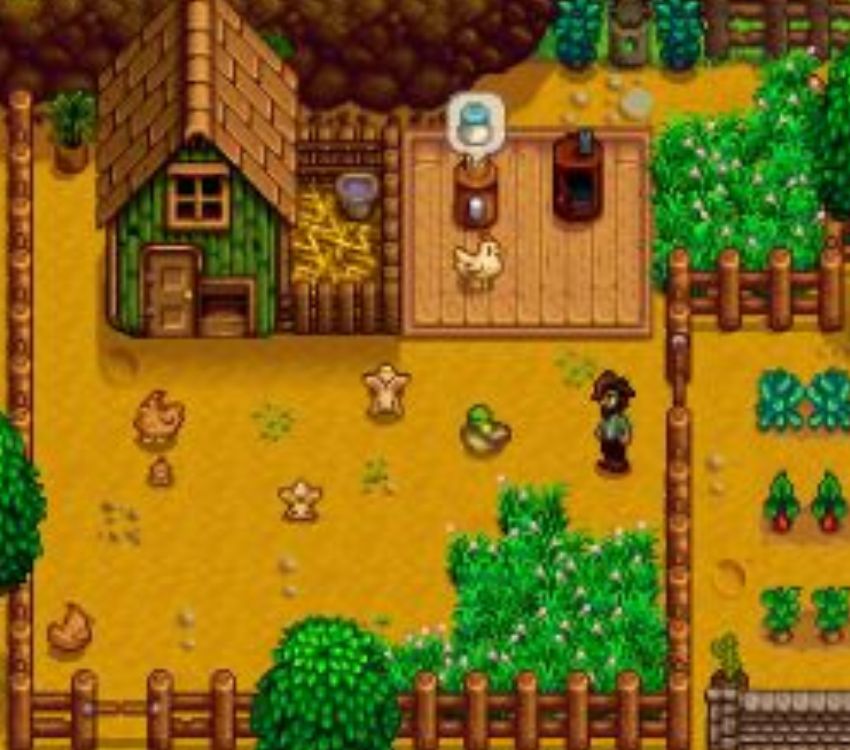
New players often underestimate the importance of tool upgrades and seasonal planning in this farming simulation. The relaxed pace allows inefficient routines to continue for in-game weeks. Without upgrading watering cans or planning crop rotations carefully, stamina drains quickly, and profits stay limited. Eventually, players discover that strategic planting aligned with seasonal calendars maximizes yield and revenue. Upgraded tools reduce labor time, turning daily farm management from an exhausting routine into a streamlined and rewarding progression. Community center bundles also quietly guide long-term goals.