




Over the years, PlayStation has delivered unforgettable classics, but many unique, creative, and bold titles slipped out of mainstream memory despite offering impressive ideas or ahead-of-their-time mechanics. These games didn’t always receive the attention they deserved, yet they remain important pieces of PlayStation history. Whether overshadowed by bigger releases, limited by hardware, or simply misunderstood at launch, the following nine titles are memorable experiences that many players have forgotten but are absolutely worth revisiting.
1. The Getaway

The Getaway set out to blend cinematic crime drama with a highly realistic recreation of London, offering a gritty tone rarely seen in early PlayStation titles. The game avoided traditional HUD elements, relying instead on visual cues to create a film-like experience that immersed players in tense chases, undercover operations, and criminal conflicts. Its ambition pushed the PS2 hardware and aimed to rival blockbuster movies with mature storytelling. Although it developed a loyal following, its stiff controls, polarizing difficulty, and lack of long-term franchise support ultimately caused it to drift into obscurity despite its bold ideas.
2. Folklore
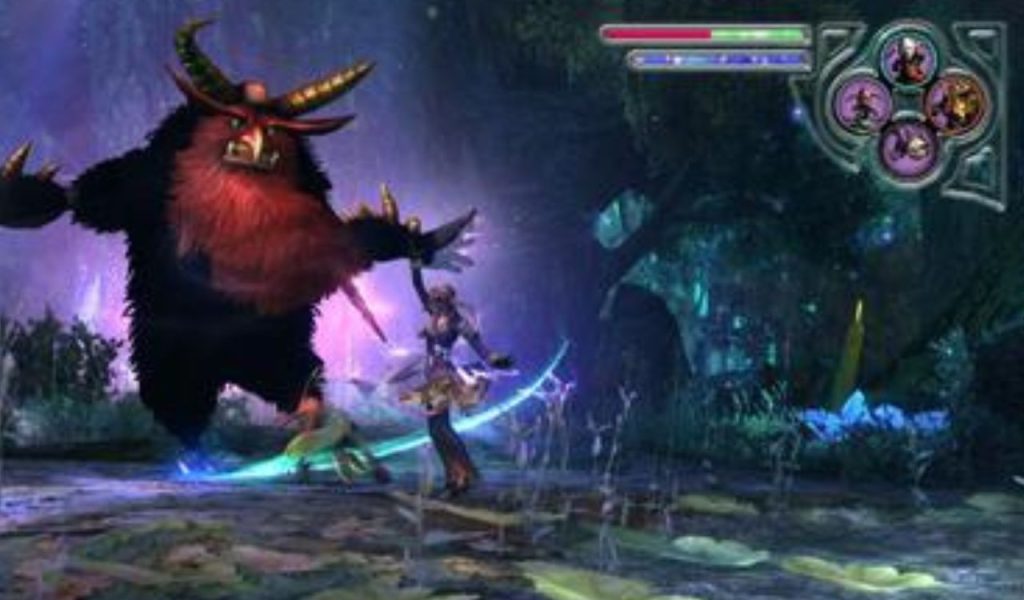
Folklore delivered a haunting, atmospheric adventure that blended dark fairy-tale mystery with action-RPG mechanics, allowing players to explore the strange borders between life and death. Switching between two protagonists, each with a personal motive for entering the Netherworld, gave the story emotional depth and varied perspectives. The game’s combat centered on capturing and commanding supernatural creatures, creating a distinct rhythm unlike most PS3 titles. Visually imaginative realms, layered mythological themes, and a mood of melancholic wonder helped it earn cult status, yet limited marketing and unconventional design kept it overlooked by many PlayStation fans.
3. Dark Cloud
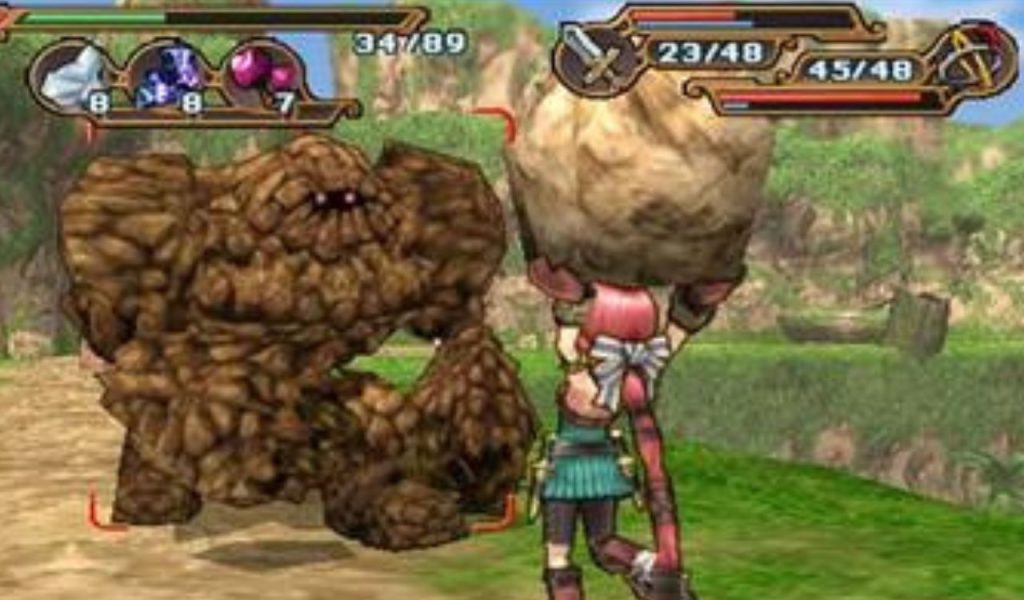
Dark Cloud stood out early in the PS2’s library with its inventive blend of dungeon crawling, resource management, and town-building through the Georama system, which let players literally rebuild devastated communities piece by piece. Its real-time combat, weapon evolution mechanics, and variety of playable characters added strategic depth to each dungeon run. The charm of discovering artifacts that restored homes, shops, and entire landscapes gave the game a satisfying sense of progress. Despite earning a dedicated fanbase and laying groundwork for Level-5’s later successes.
4. Resistance: Fall of Man
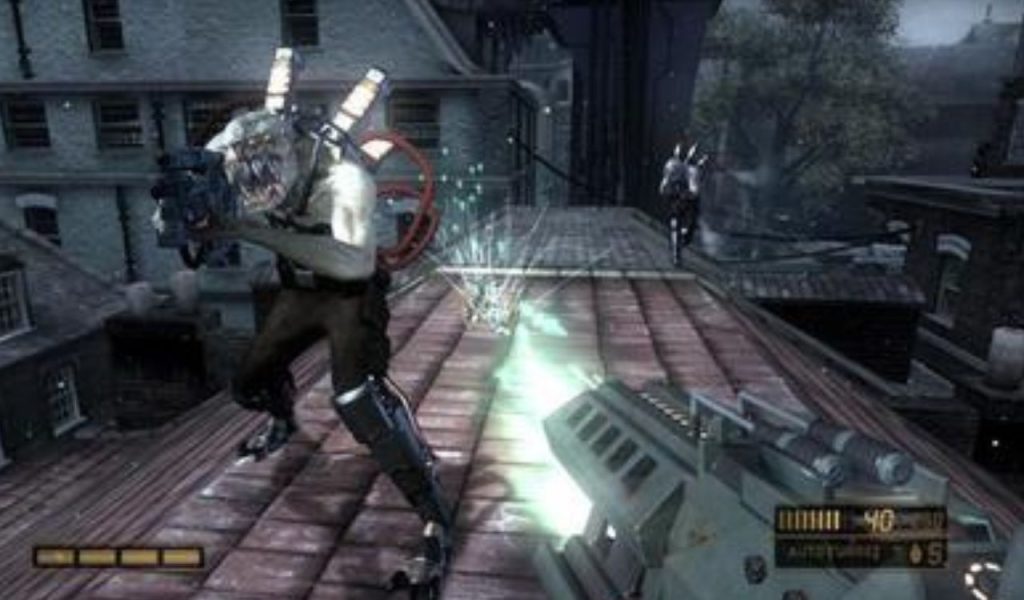
Resistance: Fall of Man launched the PS3 with an intense alternate-history shooter where humanity fought a terrifying alien species called the Chimera across a grim 1950s Europe. Its large-scale battles, clever enemy designs, and trademark Insomniac weaponry—like the Bullseye and Auger set it apart from other shooters of its era. The narrative blended military urgency with horror elements, creating a bleak atmosphere supported by strong world-building and cooperative gameplay options. Although it spawned sequels and built a passionate community, the series eventually faded as new franchises dominated the platform.
5. Gravity Rush
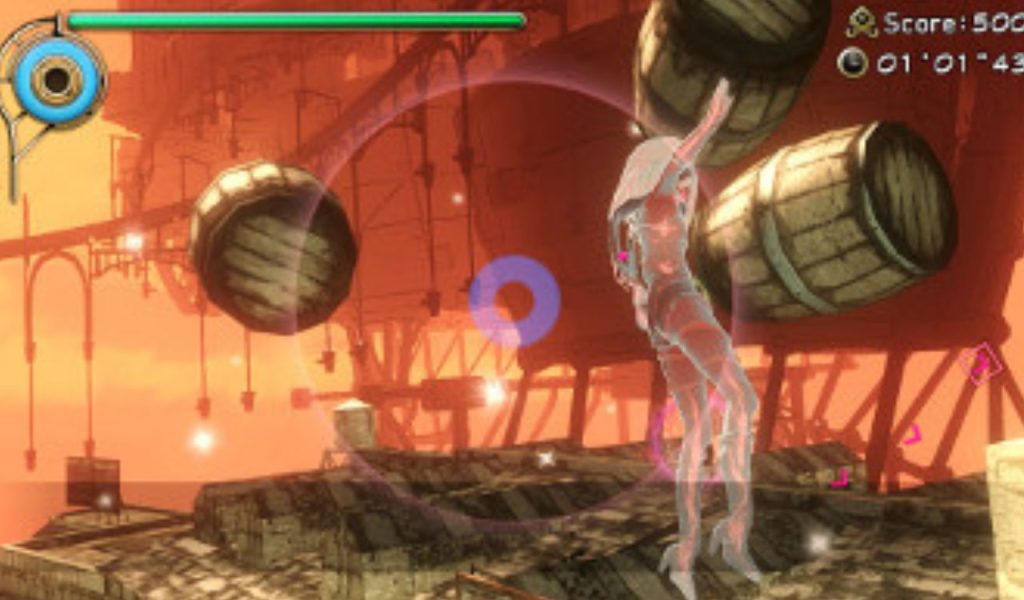
Gravity Rush introduced players to an imaginative world suspended among drifting airborne cities, where gravity itself became a playful tool for exploration and combat. Protagonist Kat’s ability to shift gravity in any direction gave the game a uniquely fluid movement system, letting players soar freely between buildings, slide along walls, and dive into battles with exhilarating precision. The comic-book storytelling, painterly art style, and endearing characters added emotional charm to its unusual universe. Unfortunately, its debut on the struggling PlayStation Vita meant that many players never experienced its creativity firsthand. While it later received a PS4 remaster and a sequel, the series still remains overlooked, remembered fondly only by those who discovered its innovative spirit.
6. Heavenly Sword
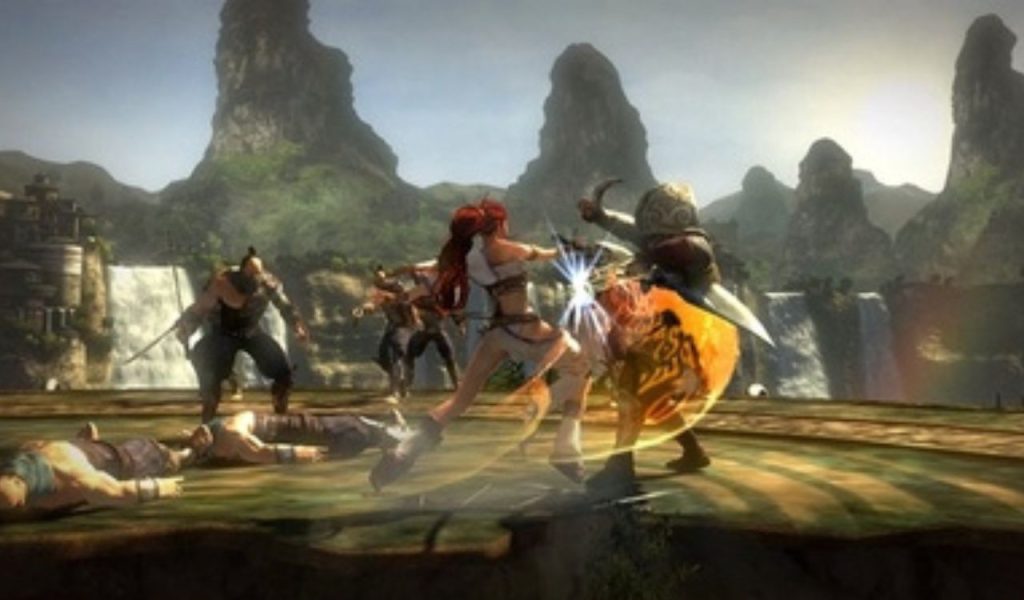
Heavenly Sword arrived early in the PlayStation 3’s life as a cinematic action showcase, blending beautifully choreographed combat with dramatic motion-captured performances. Its protagonist, Nariko, wielded the mythical Heavenly Sword in agile, combo-heavy battles that highlighted Ninja Theory’s flair for fluid action and expressive character animation. The game featured grand set pieces, emotional storytelling, and a strong supporting cast, including a memorable performance by Andy Serkis as the villain King Bohan. Despite its artistic ambition and strong presentation, its short length and lack of follow-up left it overshadowed by later action titles. While it played an important role in shaping narrative-driven action games, many players have forgotten its significance in early PS3 innovation.
7. Syphon Filter
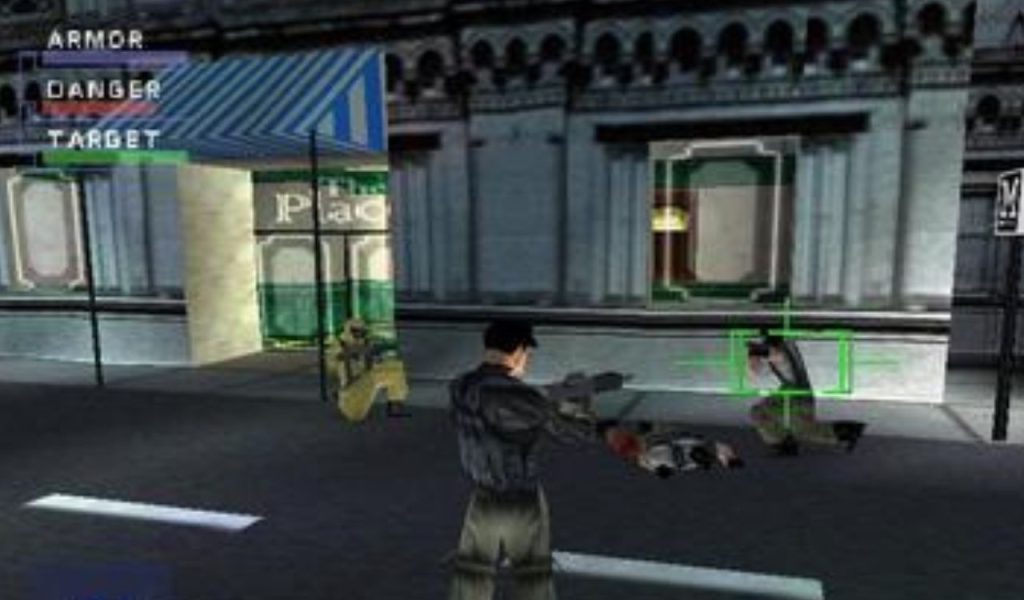
Syphon Filter was one of the PlayStation’s early breakthroughs in stealth-action gameplay, mixing tactical missions, spy-thriller storytelling, and intense firefights into an exciting, fast-paced package. Playing as Agent Gabe Logan, players executed covert operations involving infiltration, gadget use, and close-quarters combat while uncovering a global conspiracy centered on the deadly Syphon Filter virus. Its signature taser, varied mission design, and blend of stealth and action made it a standout during its time. Although the franchise continued on PS2 and PSP, it never leaped later generations, causing it to gradually fade from public memory despite its foundational role in shaping modern stealth-action titles.
8. Legend of Dragoon
The Legend of Dragoon was Sony’s bold attempt to craft a cinematic JRPG capable of standing beside the biggest franchises of the era. Featuring a dramatic fantasy world, richly animated cutscenes, and a unique timing-based combat system, the game invited players to execute precise button inputs to enhance attacks known as “Additions.” Its Dragoon transformations added strategic depth, introducing powerful abilities and visually striking sequences. The story followed Dart and his companions on a sweeping journey filled with political tension, mythical lore, and emotional twists. Although it gained a committed fanbase, mixed reviews and a lack of sequels caused it to slip into obscurity, even as longtime fans continue to champion its overlooked ambitions.
9. Puppeteer
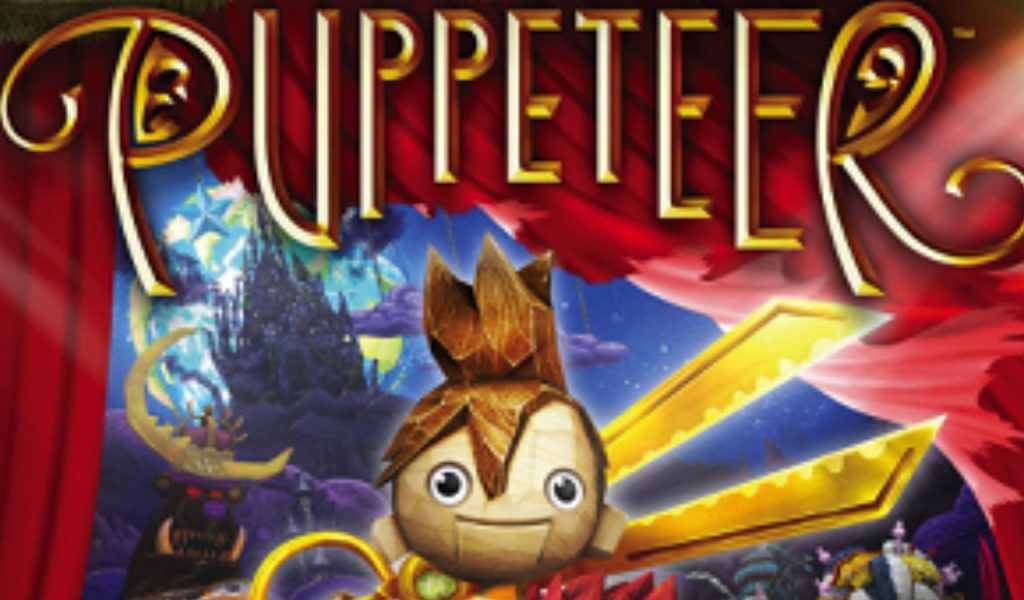
Puppeteer offered one of the PlayStation 3’s most imaginative platforming experiences, presenting its entire adventure as a living stage play. Players controlled Kutaro, a boy turned puppet, who navigates whimsical sets that shifted like theater props rotating, sliding, and transforming mid-scene. Its magical scissors weapon, Calibrus, allowed for inventive platforming and clever interactions with the environment. The game’s narration, humor, and shifting stagecraft created a charming theatrical atmosphere rarely seen in mainstream releases. Despite its artistic originality and critical praise, it was overshadowed by major titles launching around the same time.