


Modern games often use clever design techniques to keep players engaged for hours on end. While some systems genuinely enhance gameplay, others intentionally tap into psychological triggers that make stepping away surprisingly difficult. Developers use everything from reward pacing to social pressure to ensure players log in daily, grind consistently, and invest in long-term progression loops. These methods aren’t always harmful, but they can subtly transform a casual game into a long-term commitment. Here are nine clear signs a game is deliberately designed to stretch your playtime, often without you even realizing how much time is slipping by.
1. Daily Login Rewards

Many games reward players simply for logging in, offering bonuses that grow over time. At first, these incentives feel harmless, but they’re intentionally structured to form a habit. Missing a day often means losing valuable streak-based rewards, pushing players to check in even without wanting to play. Over time, this routine becomes an obligation rather than a choice, subtly turning a game into part of a daily schedule. The system works because it exploits consistency and fear of missing out, making players return for reasons beyond pure enjoyment. Eventually, logging in becomes second nature, reinforcing a loop that keeps players tethered far longer than expected.
2. Battle Passes and Season Timers
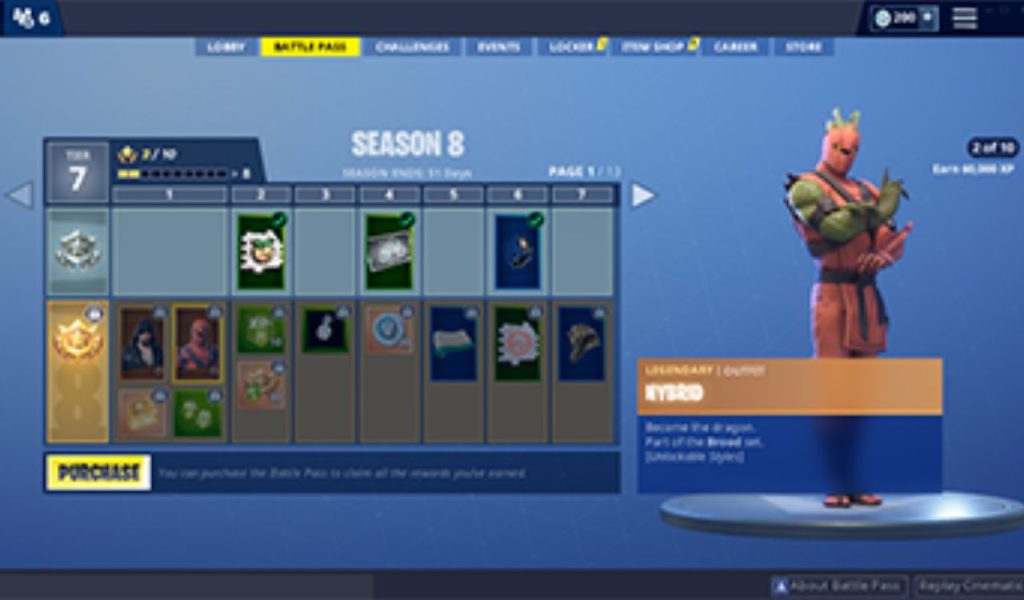
Battle passes introduce limited-time progression tracks with exclusive rewards. Games like Fortnite and Apex Legends popularized this model, creating constant pressure to grind before the season ends. Even casual players feel compelled to complete challenges to avoid wasting their purchase. This time-limited structure generates urgency, turning a game into a checklist of weekly tasks. As deadlines approach, players often spend more hours than planned simply to avoid missing out, making the pass itself a powerful retention tool. Over time, what begins as a fun challenge can quickly feel like an obligation players struggle to ignore.
3. Artificial Progression Walls
Some games intentionally slow progression after a certain point, requiring repetitive grinding to advance. Stamina bars, daily caps, and resource timers force players to wait or return later, stretching content far beyond its natural lifespan. These walls make players feel like steady progress is always just out of reach, encouraging them to come back repeatedly. Instead of meaningful challenges, the game creates artificial pacing that subtly manipulates engagement. Over time, this grind-heavy structure keeps players invested far longer than the core content might justify on its own, gradually turning routine check-ins into an exhausting cycle of obligation.
4. Loot Systems With Randomized Rewards
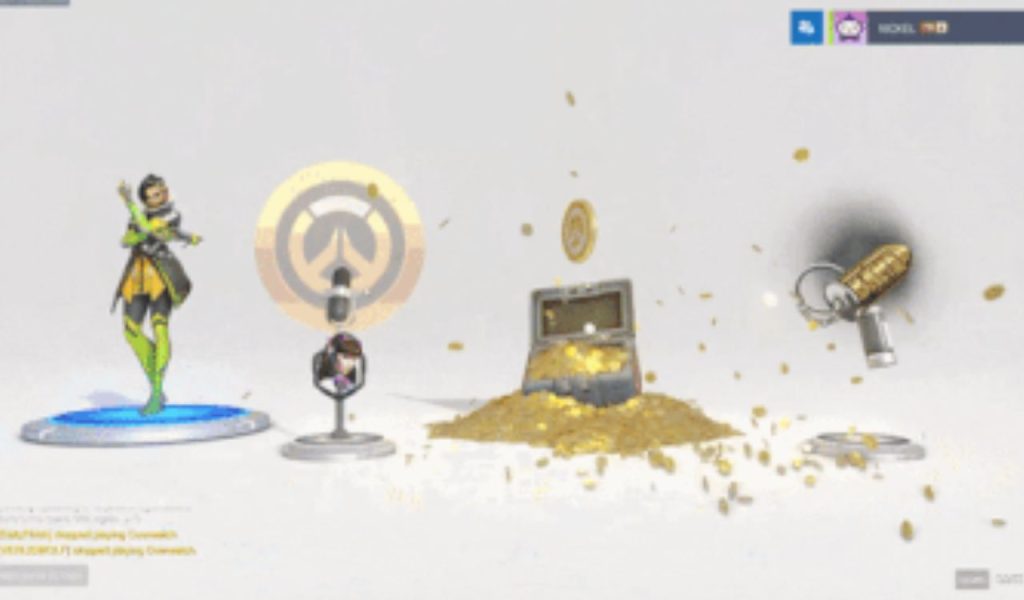
Randomized loot creates a psychological loop similar to gambling, encouraging players to chase rare drops. Each attempt feels like it might be the lucky one, keeping players in a cycle of “just one more run.” Even disappointment becomes part of the hook, pushing players to try again in search of that perfect item. Games with heavy RNG often rely on this unpredictable thrill to maintain engagement. Because the outcome is never guaranteed, players continue grinding for hours, hoping for the moment when luck finally swings in their favor. This endless pursuit can turn simple farming sessions into marathon grinds driven purely by the hope of a perfect reward.
5. Endless Side Activities and Expanding Checklists
Open-world games often overwhelm players with icons, activities, and side quests designed to fill time. While variety can improve exploration, some tasks feel repetitive and exist mainly to extend total playtime. Clearing map markers can become a compulsive routine rather than genuine fun. These artificially padded systems blur the line between meaningful goals and time-consuming busywork. Over time, players may realize they’re completing long lists of tasks simply because they’re there, not because they’re excited by the content or its rewards. Eventually, the checklist mindset can overshadow the sense of adventure, turning exploration into an obligation instead of enjoyment.
6. Time-Gated Events and Limited Windows
Limited-time events offer exclusive rewards that disappear if players don’t participate within a short window. Games like Genshin Impact frequently rotate temporary activities to keep players returning. While these events can be entertaining, they also create pressure to log in even when interest is low. Missing out feels permanent, feeding the fear of falling behind. This artificial scarcity transforms optional content into perceived obligations, keeping players active long past the point when they might otherwise take a break. Over time, the constant cycle of rotating content can make stepping away feel risky, even when players are no longer fully invested.
7. Social Pressure Through Clans and Multiplayer Groups

Multiplayer titles use clans, guilds, and teams to build strong communities, but these systems also generate subtle expectations. Players may feel obligated to stay active to support their group, contribute to clan rewards, or maintain their social role. Leaderboards and cooperative events intensify the pressure, making inactivity feel like letting others down. Over time, this social attachment becomes a major retention mechanic, encouraging players to keep playing long after their personal interest has faded, simply to remain part of the group. This sense of responsibility can slowly turn casual gaming into a long-term commitment players never planned for, creating a powerful social loop that keeps them returning even when motivation is low.
8. Reward Scaling That Keeps You Grinding
Some games use scaling systems where each level or upgrade requires exponentially more time. Early progress is fast and exciting, drawing players in, but later stages slow to a crawl. This creates a treadmill effect, where players chase tiny upgrades because they’ve already invested so much time. RPGs and MMOs commonly use this method to sustain long-term engagement. The system keeps players grinding for marginal improvements, turning progression into a marathon of repetition rather than meaningful advancement. Over time, players feel compelled to continue simply because stopping would mean abandoning all the effort they’ve already poured in.
9. Constant Content Updates Designed to Maintain FOMO
Live-service games release frequent updates with rotating challenges, skins, characters, and time-limited content. While updates keep things fresh, they also fuel the fear of missing something new. Weekly store rotations, seasonal refreshes, and limited bundles keep players returning regularly. This constant drip-feed is meant to create excitement and maintain engagement, but it also encourages compulsive checking and long-term play habits. Players stay active not just for enjoyment, but because they worry they’ll miss something exclusive if they step away, creating a cycle that subtly pressures them to remain connected far longer than intended.