



Retention is rarely driven by massive content drops alone. While expansions and new modes generate excitement, long-term player engagement is often shaped by small design decisions that reduce friction and increase clarity. The difference between a player who churns and one who returns usually comes down to how easy it feels to re-enter the game world. Many high-performing games improved retention not by rebuilding their systems, but by refining them. Small interface tweaks, thoughtful reward timing, and better communication of progress can quietly shift behavior. These optimizations compound over time, creating sustainable growth instead of short-lived spikes.
1. A 10 Second Recap on Login
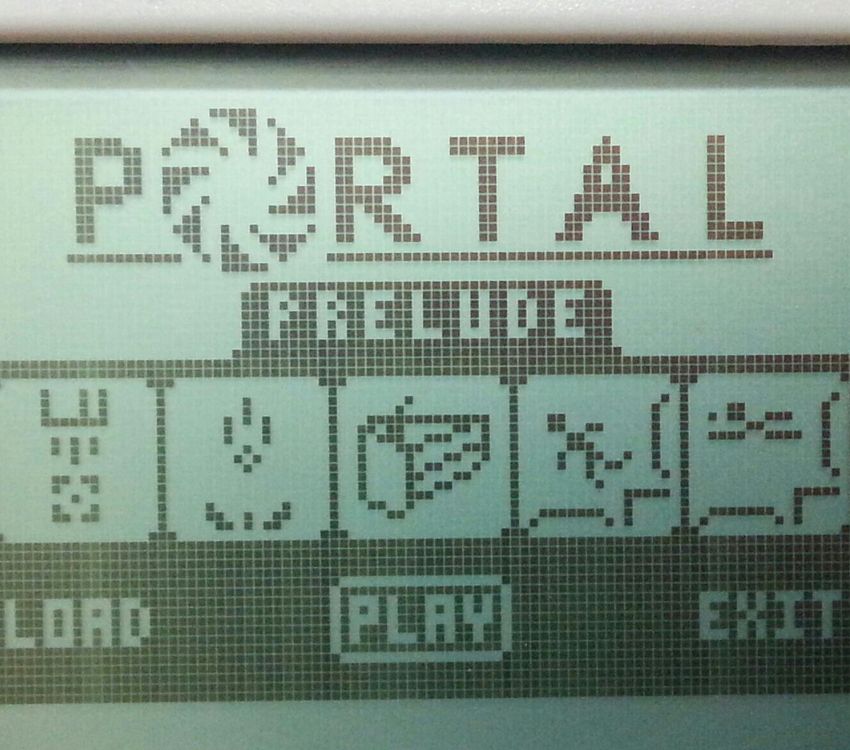
Many players leave a game simply because they forget what they were doing. When they return days later, the lack of context creates friction and forces them to spend time remembering unfinished quests, active objectives, or recently unlocked systems. That moment of confusion increases the chance they exit again before meaningful play even begins. Adding a short recap on login helps players immediately regain momentum. A simple message highlighting their last activity, active mission, pending reward, or suggested next step removes cognitive load and restores direction. By restoring clarity in seconds and reducing hesitation, the game makes it easier for players to continue rather than abandon the session.
2. Daily Goals That Take Under 5 Minutes

Long daily task lists can feel overwhelming and slowly turn into an obligation instead of enjoyment. When objectives require too much time or repeated grinding, players are more likely to skip a day. Once the daily streak breaks, it becomes psychologically easier to skip again, weakening the habit loop. Short daily goals lower the barrier to engagement and make consistency feel achievable. Completing one quick action, such as winning a single match or collecting a reward, reinforces routine behavior. Even brief sessions strengthen commitment and keep the game top of mind, which significantly improves retention over time.
3. Visible Progress Bars for Everything
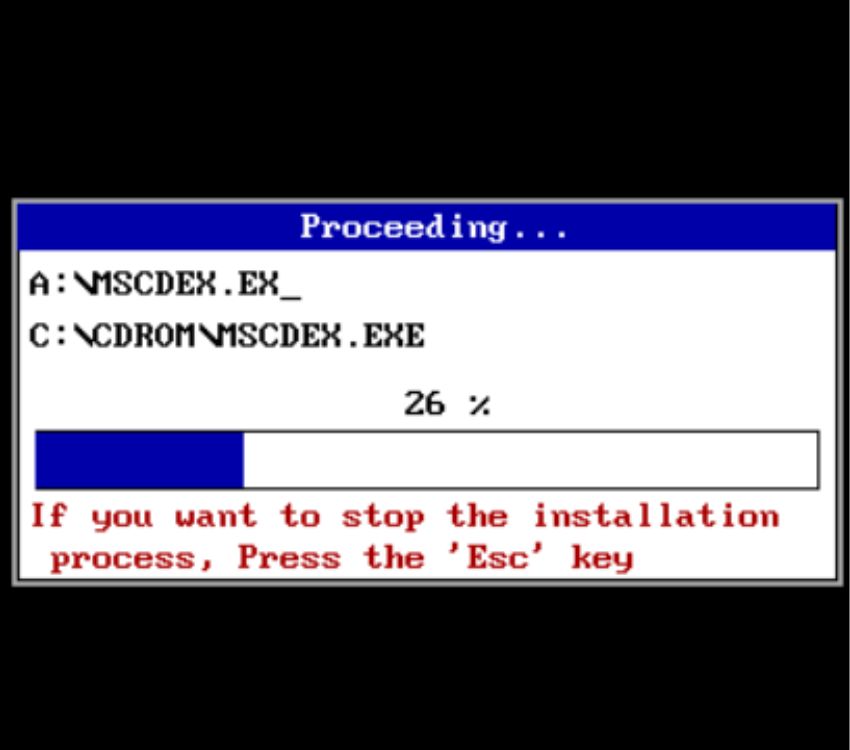
Progress is far more motivating when it is visible and measurable. Without clear feedback, players may feel stuck or uncertain about how close they are to meaningful milestones. That uncertainty reduces motivation, especially in systems that require long-term investment or repeated effort. Adding visible progress bars to levels, achievements, skill trees, and unlock systems creates a constant sense of forward movement. When players can see they are close to finishing something, they are more likely to push through and complete it. This taps into completion bias and increases repeat engagement through small psychological nudges.
4. Welcome Back Bonuses
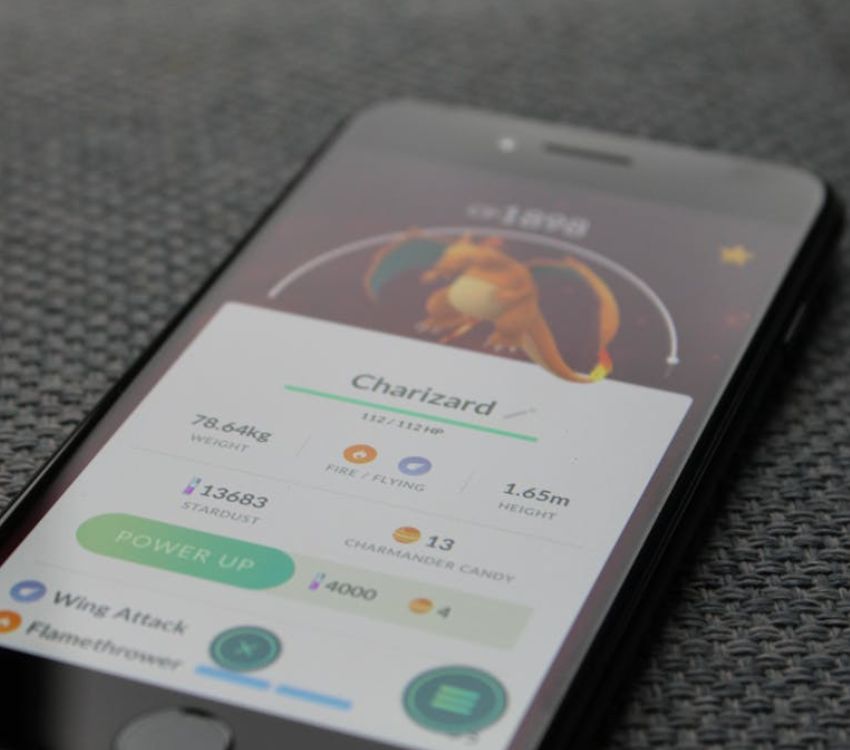
Many games unintentionally punish inactivity by making returning players feel behind or underpowered. When the gap between active and inactive players appears too large, re-entry can feel discouraging. That perception alone can stop players from reopening the game. Welcome back bonuses shift that narrative and lower the psychological barrier to return. Offering temporary boosts, bonus currency, exclusive quests, or accelerated progression reframes absence as opportunity. Instead of feeling punished, players feel valued, which increases the likelihood of renewed engagement and longer follow-up sessions.
5. Smart Notifications

Notifications can either drive retention or damage it, depending on how they are used. Generic alerts that lack context create fatigue and encourage players to mute notifications altogether. Once communication is cut off, bringing players back becomes significantly harder. Targeted notifications tied to meaningful in-game events are far more effective. Alerts about completed builds, full energy, expiring rewards, or friend interactions provide a clear reason to log in at that moment. Timely and relevant prompts encourage intentional return behavior while preserving trust in the communication system.
6. Faster First Wins
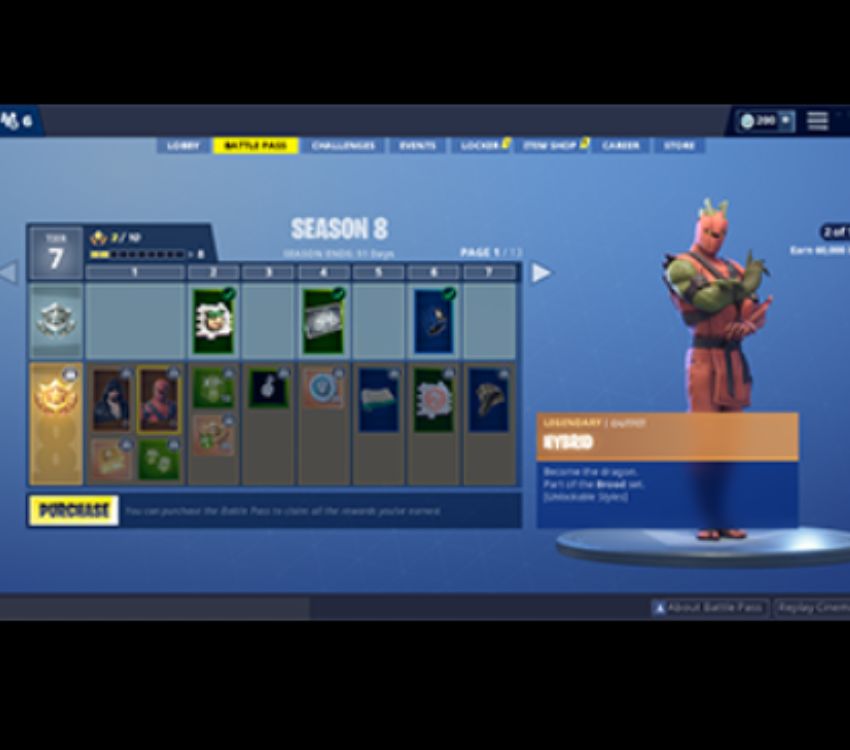
The early experience of a game strongly shapes long-term retention. If new players struggle too long before achieving success, frustration builds quickly, and confidence drops. Early confusion, difficulty spikes, or unclear mechanics can cause players to abandon the experience before forming any attachment. Ensuring players achieve a meaningful win within their first session builds momentum and emotional investment. This can include guaranteed rewards, simplified early challenges, or guided victories that teach mechanics naturally. When players feel capable and successful early on, they are far more likely to return and explore deeper systems.
7. Reduced Friction in Core Actions
Small delays in core gameplay actions quietly damage retention. Slow animations, excessive confirmation screens, and unnecessary loading interruptions break flow. When routine actions take longer than expected, sessions feel heavier than they should. Optimizing the most repeated interactions improves session smoothness immediately. Faster transitions, skippable animations, and simplified menus make the experience feel responsive and modern. When the game respects the player’s time, players are more willing to return frequently and stay longer.
8. Meaningful Early Customization
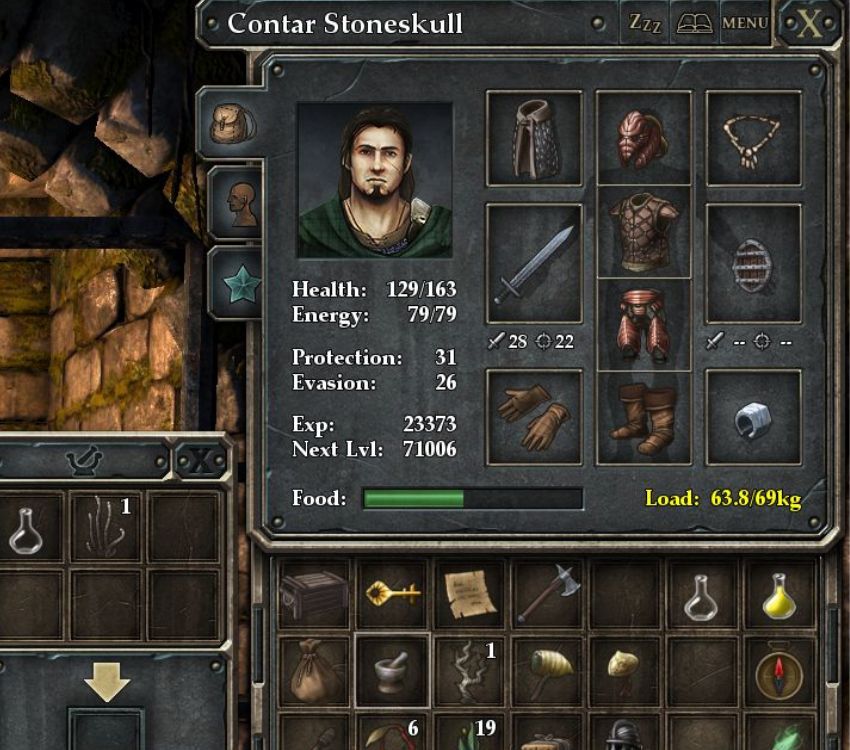
Players form stronger attachment when they feel ownership. If customization options are locked too far into progression, early sessions can feel generic and impersonal. Without identity expression, emotional connection develops more slowly. Unlocking small but visible customization options early increases investment. Even simple avatar changes, color themes, or profile badges help players feel represented inside the game world. That sense of ownership increases commitment and makes players more likely to continue progressing.
9. End of Session Rewards

The moment a player logs out is often overlooked in retention design. Without a clear reason to return, the next session depends entirely on memory, habit, or external motivation. That gap increases the probability of players drifting away over time. Adding small end-of-session rewards creates anticipation for the next login. Timed chests, rest bonuses, energy refills, or next-day multipliers give players something waiting for them. This forward-looking incentive strengthens habit formation and encourages players to return at predictable intervals.